The Ultimate Guide to Meal Planning for Busy Professionals
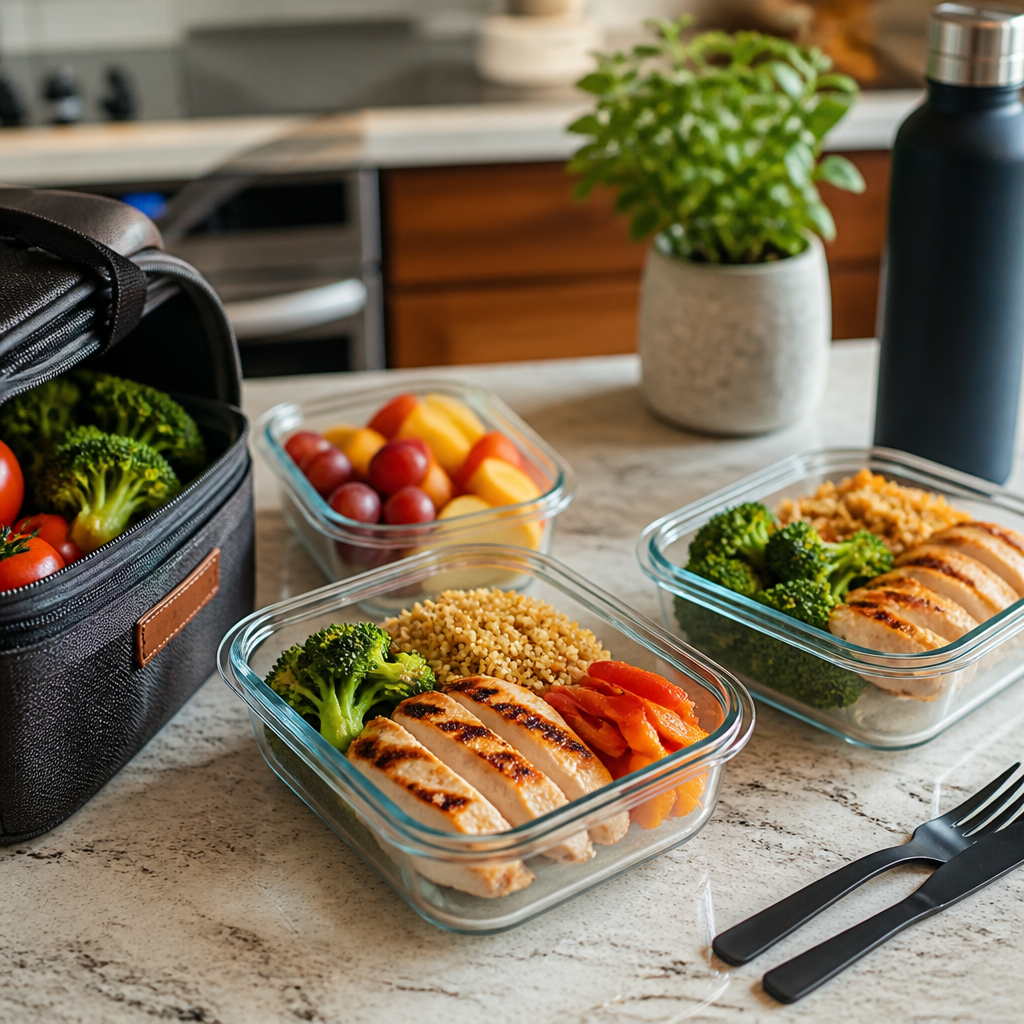
In today’s fast-paced world, finding time to prepare healthy meals can feel like a daunting challenge for busy professionals. Between tight deadlines and hectic schedules, opting for takeout often seems like the only solution. However, meal planning is not just a way to save time; it’s also the key to maintaining a balanced, nutritious diet that fuels your busy lifestyle.
Why Meal Planning Matters
Meal planning allows you to take control over what you eat, making it easier to stick to your nutritional goals. Not only does it help avoid last-minute unhealthy food choices, but it also saves money, reduces food waste, and minimizes the stress of deciding what to eat every day. Plus, having a structured meal plan means you can easily incorporate all essential nutrients into your diet.
Steps to Effective Meal Planning
Assess Your Schedule: Begin by evaluating your week ahead. Mark off days when you know you’ll be too busy to cook and decide which meals you can prepare in advance.
Set Goals: Define your nutrition goals. Are you looking to lose weight, build muscle, or simply eat healthier? Setting clear goals will guide your food choices.
Choose Recipes: Select a handful of recipes that are nutritious and quick to prepare. Look for meals that share ingredients to minimize grocery shopping and food waste. Here are three examples:
- Chicken Stir-Fry: Chicken breast, mixed vegetables, soy sauce. Total Calories: 350, Protein: 30g, Fat: 10g, Carbs: 35g.
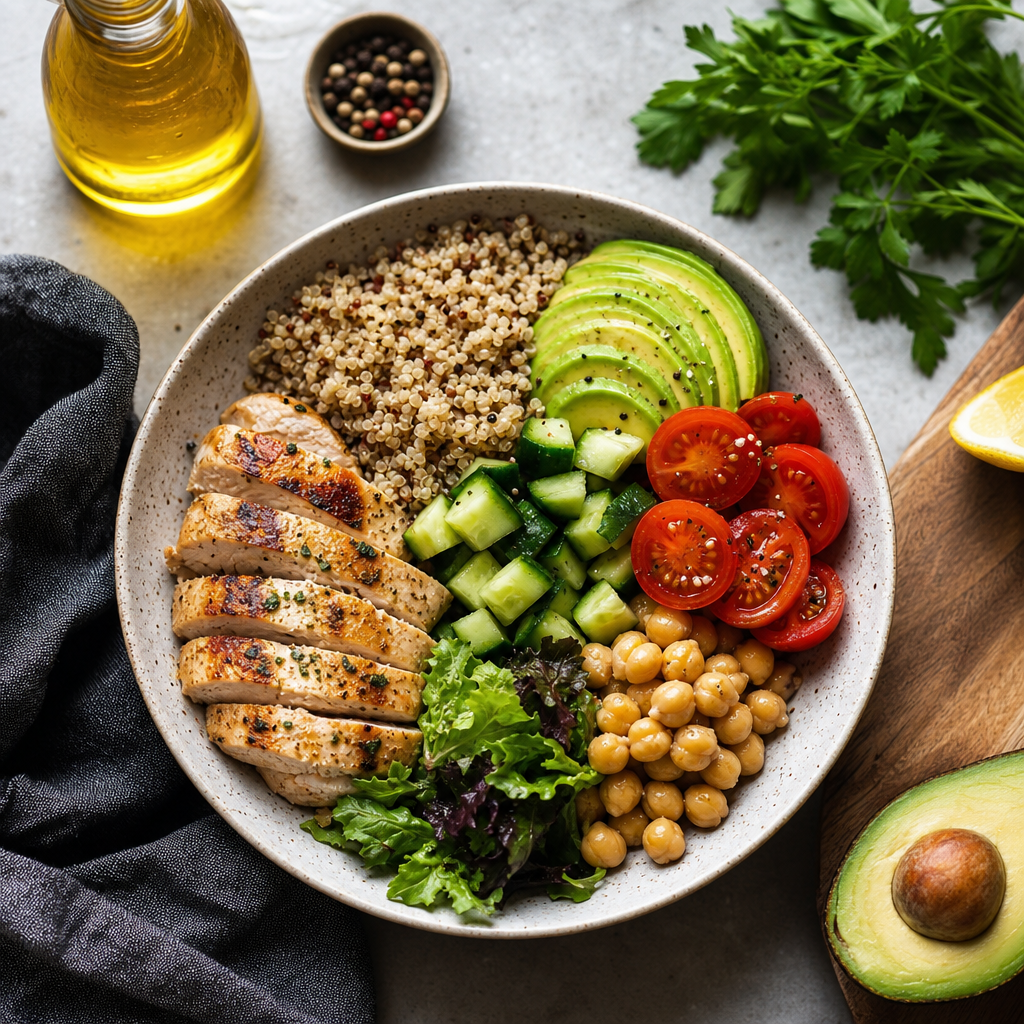
- Quinoa Salad: Quinoa, chickpeas, cucumber, tomatoes, lemon dressing. Total Calories: 300, Protein: 12g, Fat: 5g, Carbs: 55g.
- Overnight Oats: Rolled oats, almond milk, chia seeds, topped with berries. Total Calories: 250, Protein: 8g, Fat: 7g, Carbs: 40g.
Create a Grocery List: After selecting recipes, create a detailed grocery list sorted by categories. This helps streamline your shopping experience and reduces impulse buys.
Prepping Your Meals: Dedicate a block of time, typically on weekends, to batch cook your meals. Preparing meals in advance can cut down cooking time during your busy week. Store meals in portion-sized containers for easy access.
Tips for Successful Meal Planning
- Variety is Key: Rotate your meal options weekly to avoid boredom. Experiment with different cuisines or cooking techniques.
- Flexibility: Don’t hesitate to switch your meals around if something unexpected comes up. Adjust your plan as needed to accommodate changes in your schedule.
- Snack Wisely: Include healthy snacks in your meal plan, such as fruit, nuts, and yogurt, to avoid unhealthy nibbling.
- Stay Hydrated: Remember to plan your hydration as well—keep water bottles handy, and consider infusing water with fruits or herbs for extra flavor.
Final Thoughts
Meal planning doesn’t have to be a chore; with a little foresight and organization, it can become a simple, enjoyable, and rewarding part of your routine. Not only will it contribute to your overall well-being, but it will also create more time for other activities in your busy life.
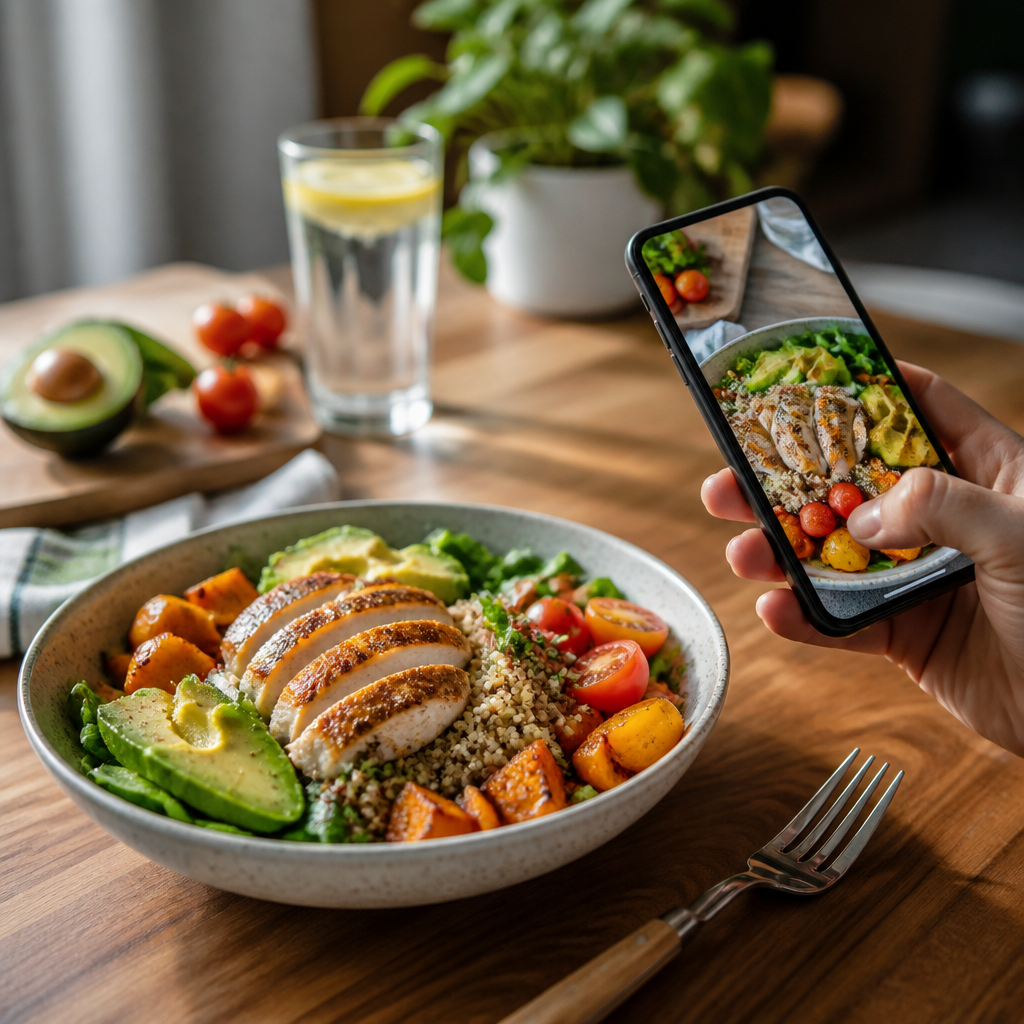
Ready to get started? Consider utilizing an app that helps you load photos of your meals. With advanced AI technology, it can help you determine calories and macronutrients, making meal tracking effortless. Embrace meal planning today and take a step towards a healthier lifestyle!
Share this article
Cal AI
Track meals faster with Cal AI
Scan food, estimate calories, and keep your nutrition log moving without typing every ingredient.
Author
Cal AI Editorial Team
Practical guides on nutrition, calorie tracking, meal planning, and building healthier habits with Cal AI.
Editorial policyRelated articles
 Dehydration Loss of Appetite: How Not Drinking Enough Can Mute Hunger SignalsDehydration loss of appetite is more common than many people realize. Learn how fluid balance affects hunger, digestion, and practical ways to tell thirst from true appetite.
 How Many Calories Are in an Avocado?Wondering about calories in avocado? This guide breaks down serving sizes, nutrition facts, health benefits, and easy ways to fit avocado into weight-conscious meals.
 How Many Calories Are in Chocolate? A Practical Guide to Dark, Milk, and White ChocolateWondering how many calories are in chocolate? This guide breaks down calories in chocolate by type, serving size, and cocoa content so you can enjoy it without guessing.
 How Many Calories Are in Cheese? A Practical Guide for Cheese LoversWondering how many calories are in cheese? This guide breaks down calories in cheese by type, serving size, and fat content so you can choose smarter portions without giving up flavor.
 How Many Calories Are in a Burger? A Practical Guide to calories in burger CountsBurger calories can swing wildly depending on patty size, cheese, sauces, and bun choice. Learn the typical calories in burger meals and how to estimate them fast.
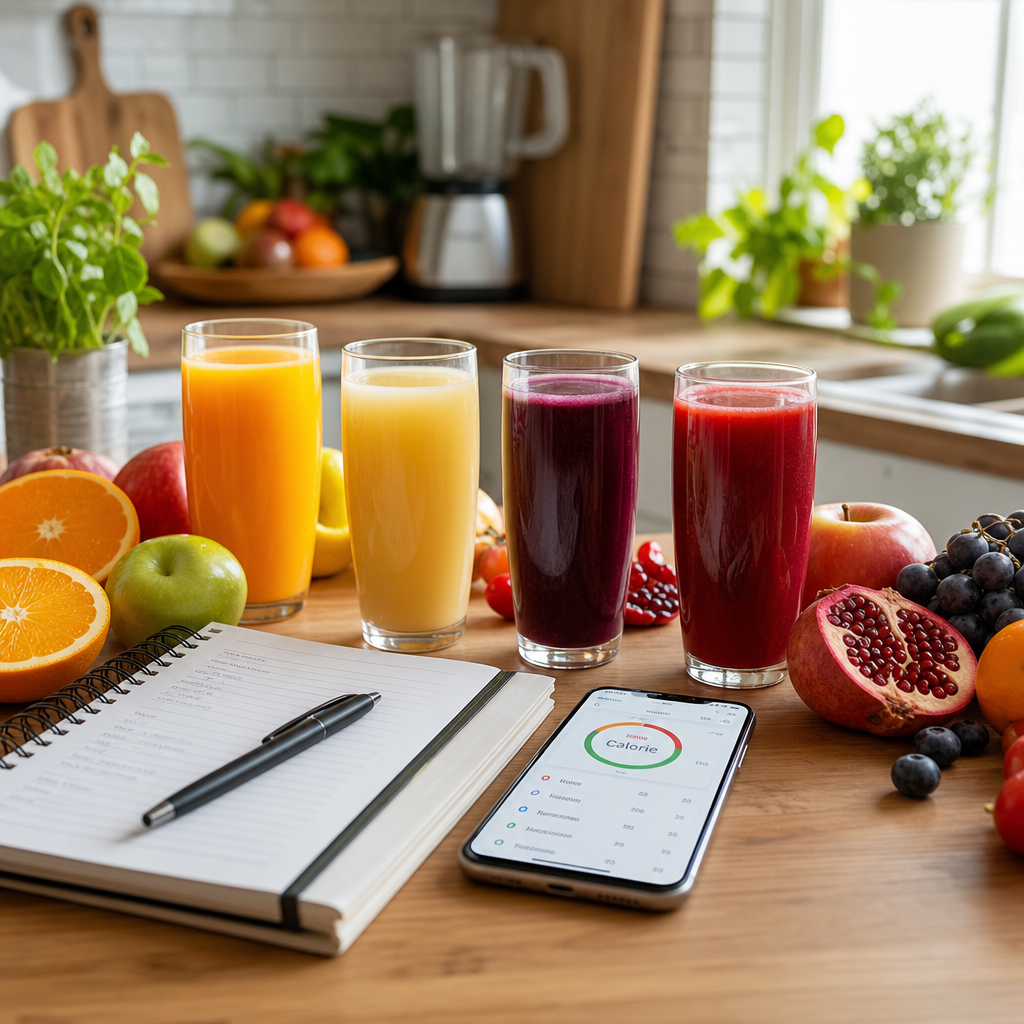 How Many Calories Are in Juice? A Practical Guide to Calories in JuiceJuice can look healthy, but the calorie count changes fast depending on the fruit, serving size, and whether sugar has been added. Here’s how to compare popular juices and make smarter choices.
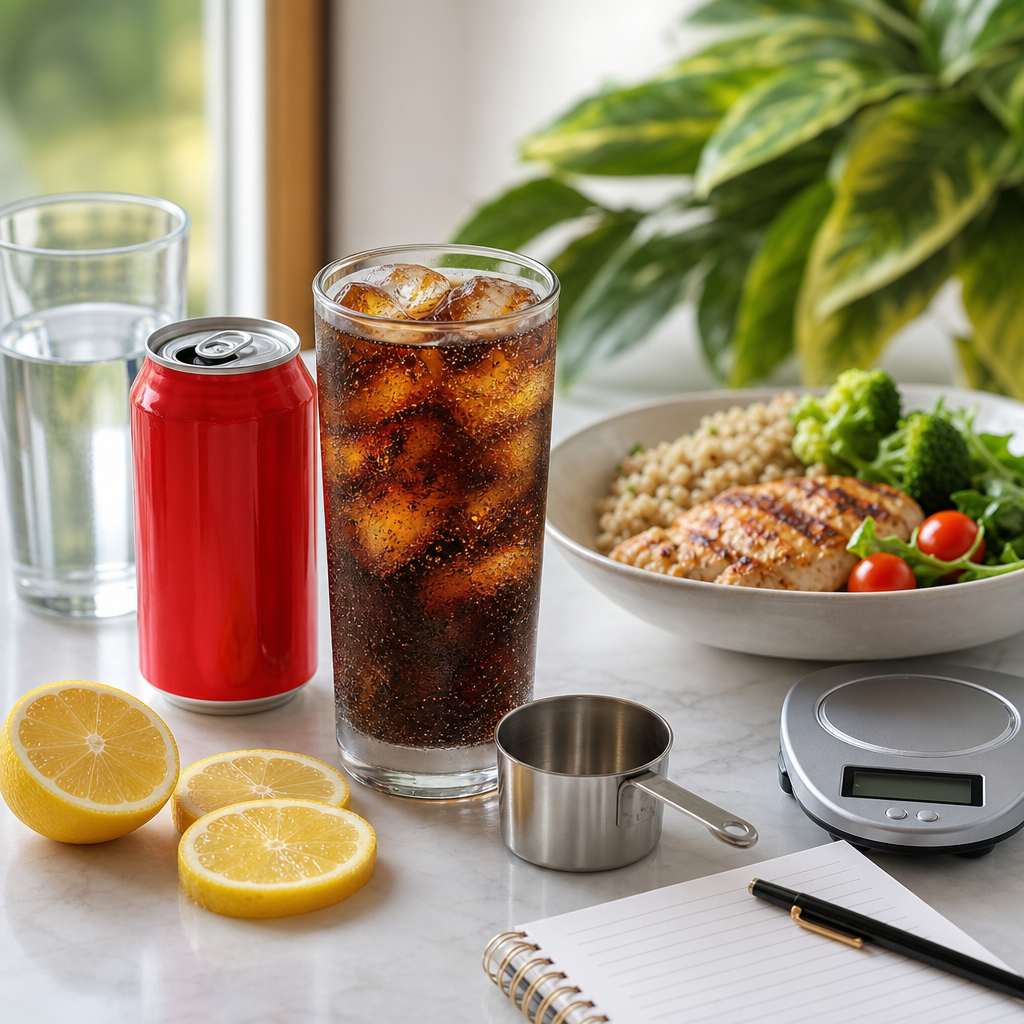 How Many Calories Are in Coca-Cola? A Practical Guide to Calories in Coca-ColaCoca-Cola’s calorie count is easy to underestimate, especially when portions get larger. Here’s a clear breakdown of calories in Coca-Cola, plus sugar, serving sizes, and better ways to fit soda into your day.
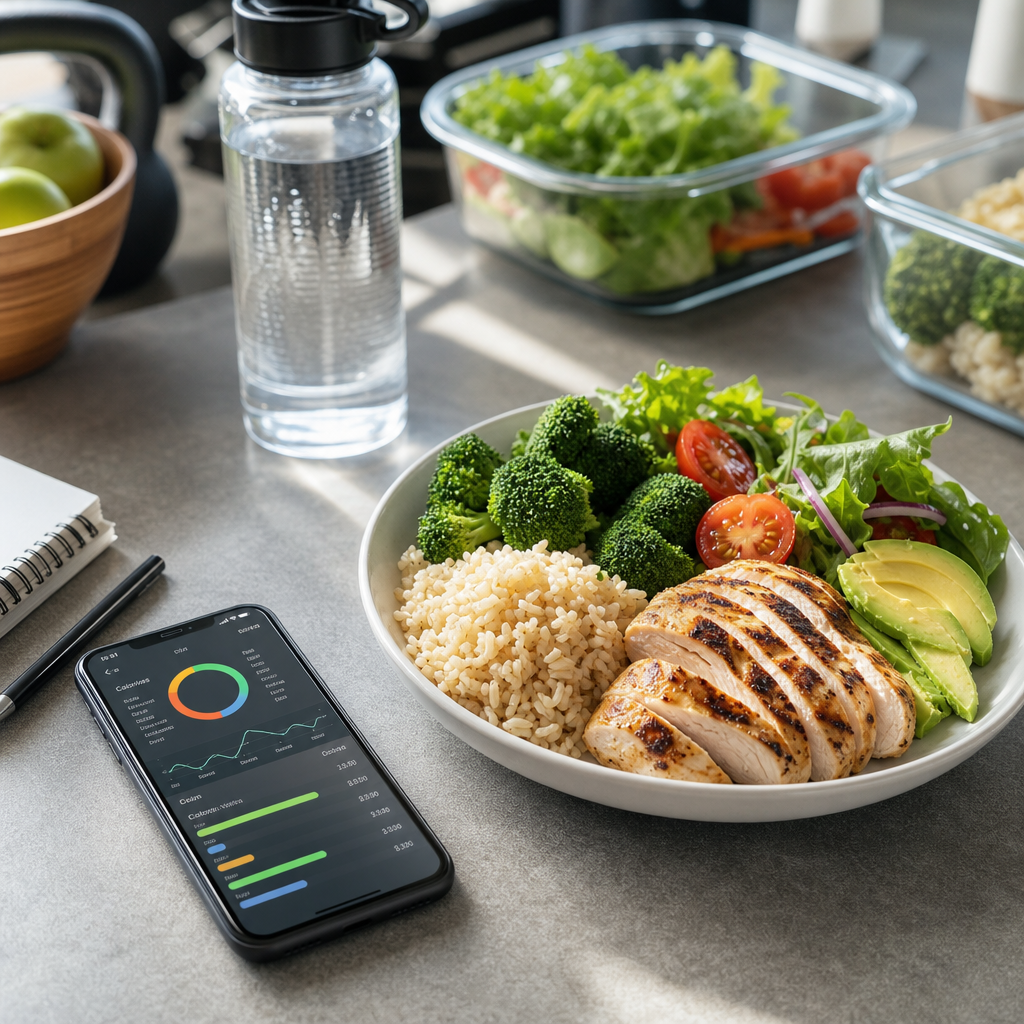 Cal AI Free vs Premium: Which Version Fits Your Budget and Goals?A clear breakdown of Cal AI free vs premium, including features, limits, and real-life use cases so you can decide if the upgrade is worth it.
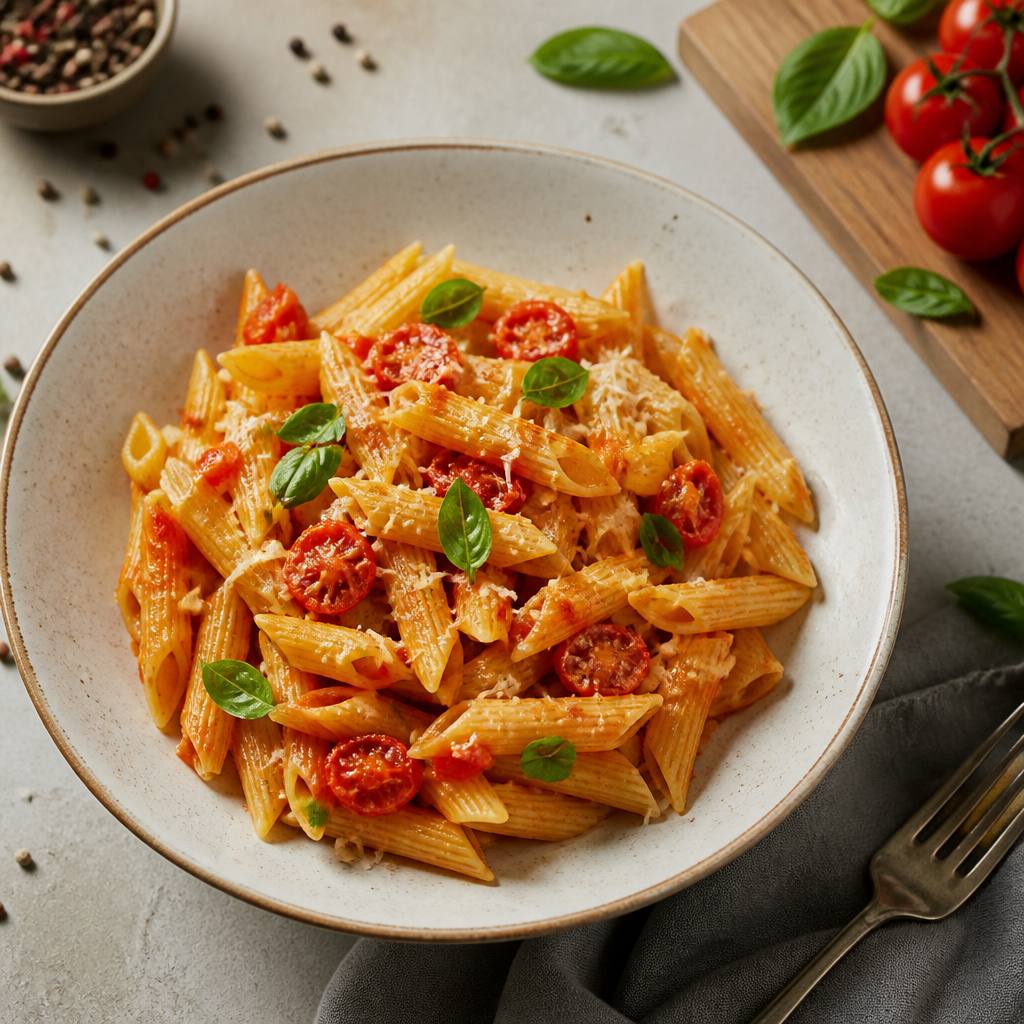 How Many Calories Are in Pasta? A Comprehensive Guide for Pasta Lovers and Dieters
 How Many Calories Are in an Iced Latte? Your Guide to Summer Coffee Indulgence
 How Many Calories Are in Coca-Cola Zero?
 How Many Calories Are in an Energy Drink?
 How Many Calories Are in Shawarma?
 How Many Calories Are in a Latte? A Deep Dive into Your Favorite Coffee Treat
 Maximize Your Gains: How Cal AI Supports Muscle Growth
 Cal AI vs FatSecret: Which Nutrition Tracking App Reigns Supreme?
 How Much Does Cal AI Cost? Understanding the Pricing Structure
 How to Count Macronutrients: Your Essential Guide to Diet Management
 How Artificial Intelligence Helps You Lose Weight
 Cal AI Calorie Counter Review: A Comprehensive Analysis of Its Functionality
 Is the Cal AI App Free? Everything You Need to Know
 Is Cal AI Free? Exploring Costs and Features
 How to Calculate Macros for Weight Loss: Your Ultimate Guide
 Cal AI vs Yazio: Which Nutrition App Reigns Supreme for Fitness Enthusiasts?
 How Does Cal AI Calculate Calories?
 Top 25 Vegetables for Weight Loss
 Why Your Weight Stopped Changing: Understanding Weight Maintenance Issues
 Which Vegetables Help You Lose Weight?
 How to Track Weight Changes Correctly
 How Many Carbs Do You Need Per Day? A Practical Guide to Daily Carb Requirements