Meal Planning for Busy Professionals: How to Eat Healthy on a Tight Schedule
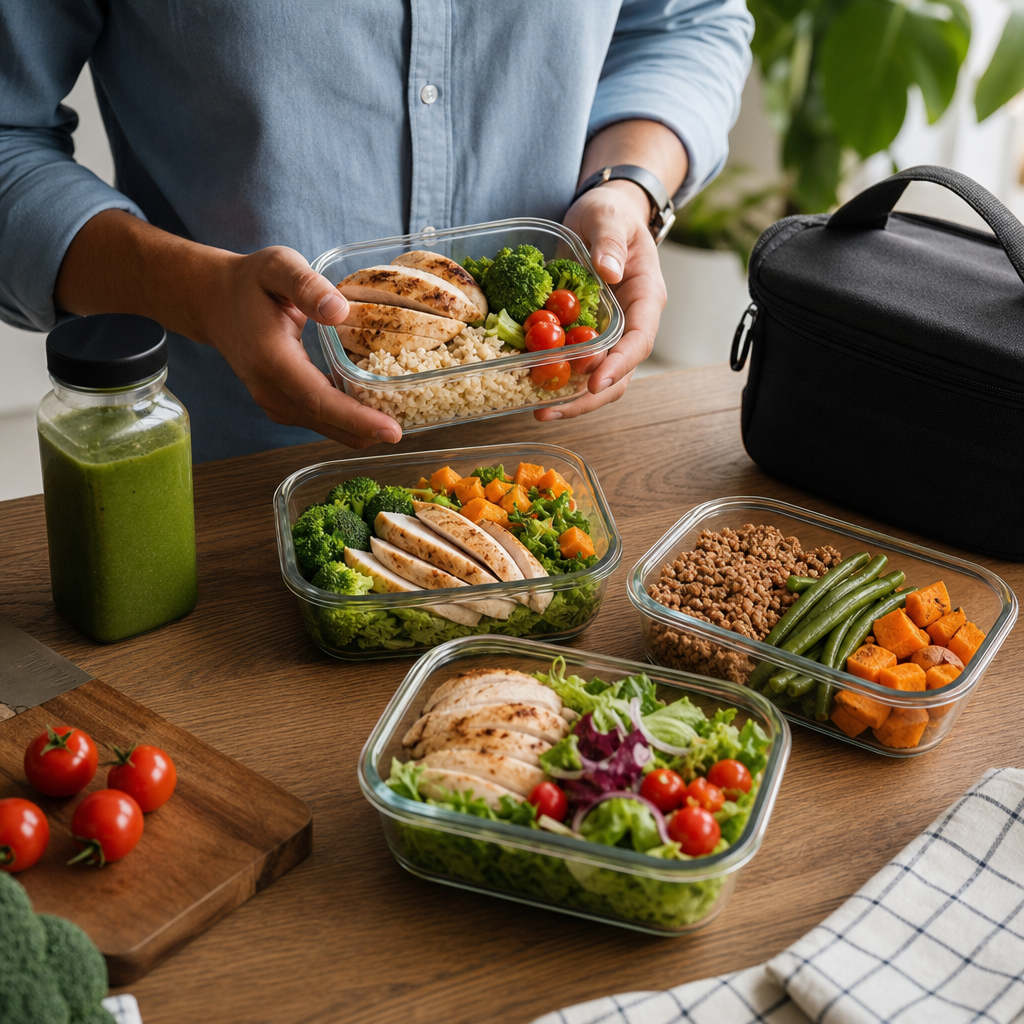
In today’s fast-paced world, busy professionals often find it challenging to maintain a healthy diet while juggling work, meetings, and personal responsibilities. However, meal planning can be a game-changer for anyone wanting to eat well without spending hours in the kitchen. Let’s explore how you can simplify your meal prep while ensuring you’re nourishing your body.
1. Understand the Basics of Meal Planning
Before you dive into meal planning, it’s essential to understand its basics. Meal planning involves preparing meals in advance to save time, money, and stress. Instead of figuring out what to eat on a hectic day, having pre-planned meals ready can reduce decision fatigue and promote healthier eating choices.
2. Set Your Goals
Start by identifying your dietary preferences and goals. Do you want to lose weight, gain muscle, or simply maintain a healthy lifestyle? Understanding your goals will help you plan balanced meals that align with your nutritional needs. A simple template includes:
- Breakfast: High in protein and fiber (e.g., oatmeal with nuts and fruits).
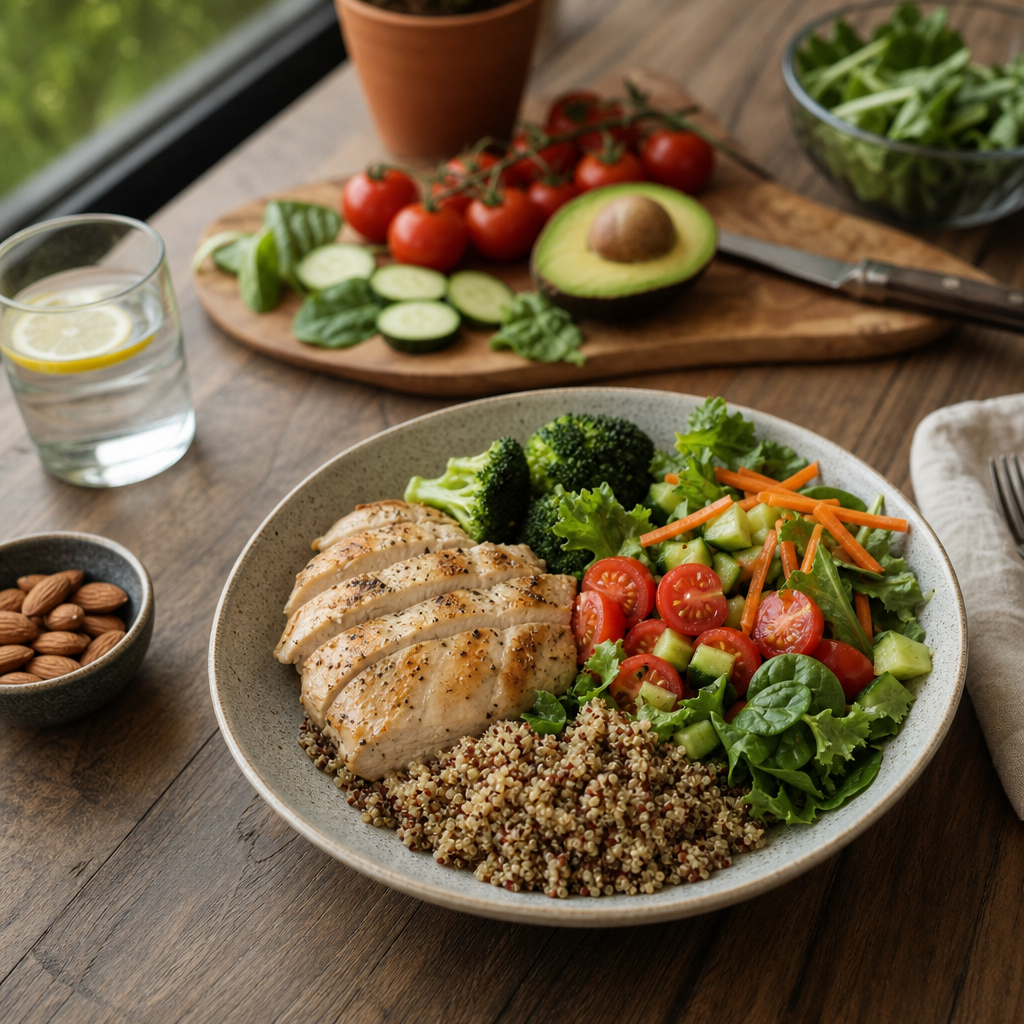
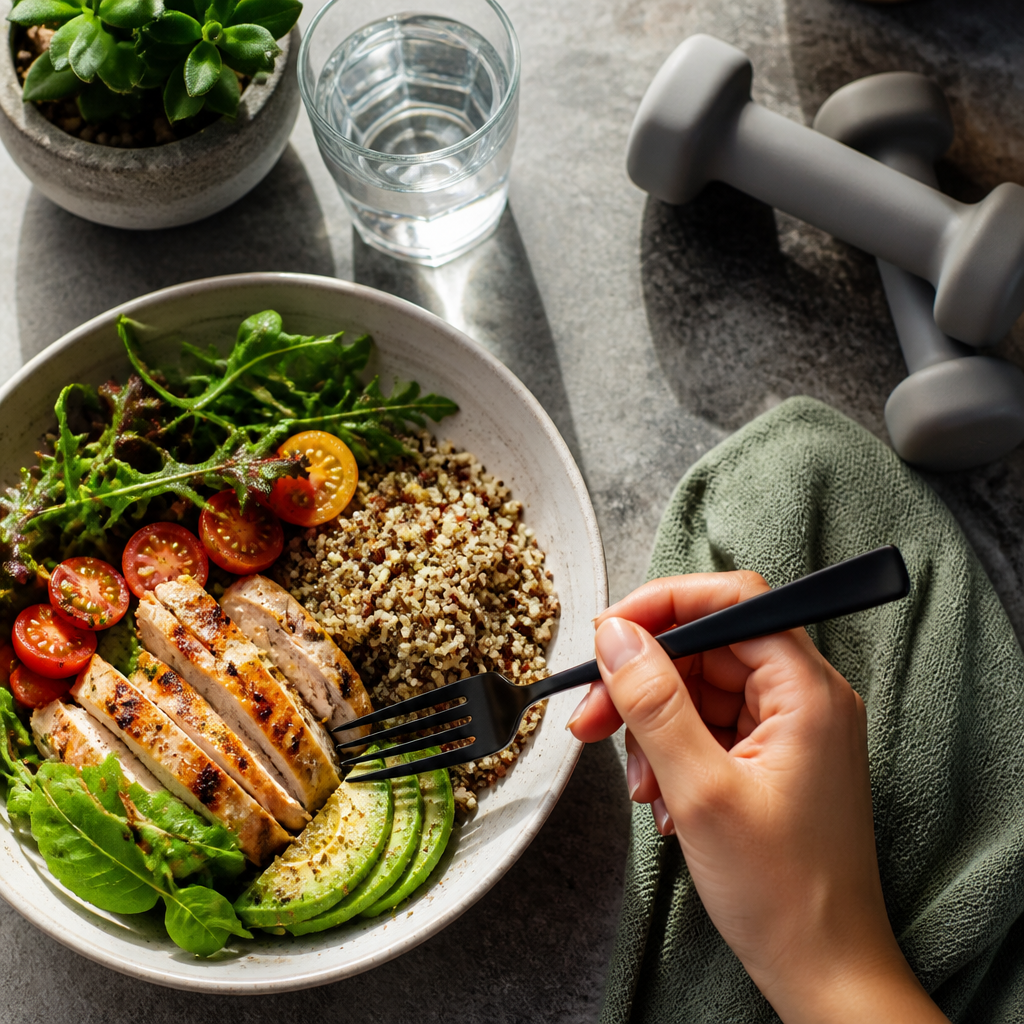
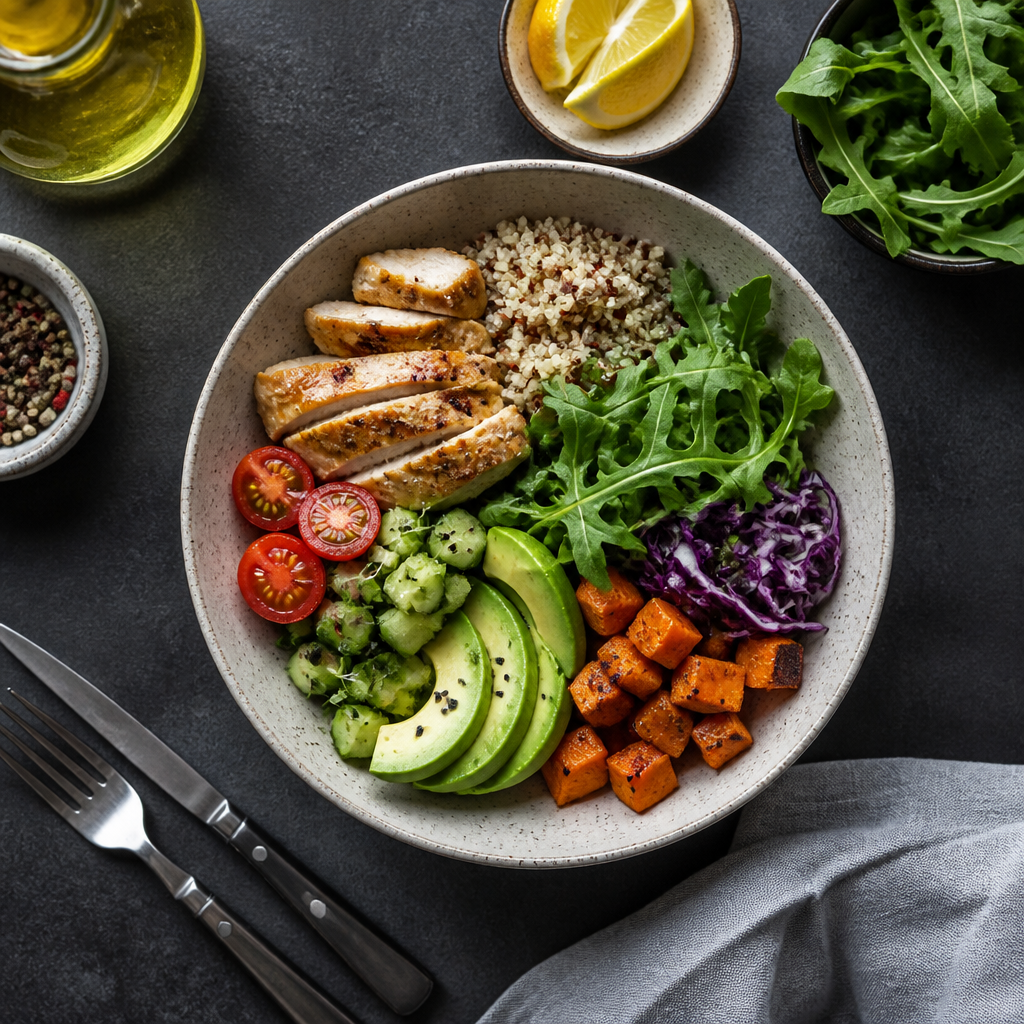
- Lunch: Lean protein with vegetables (e.g., grilled chicken salad).
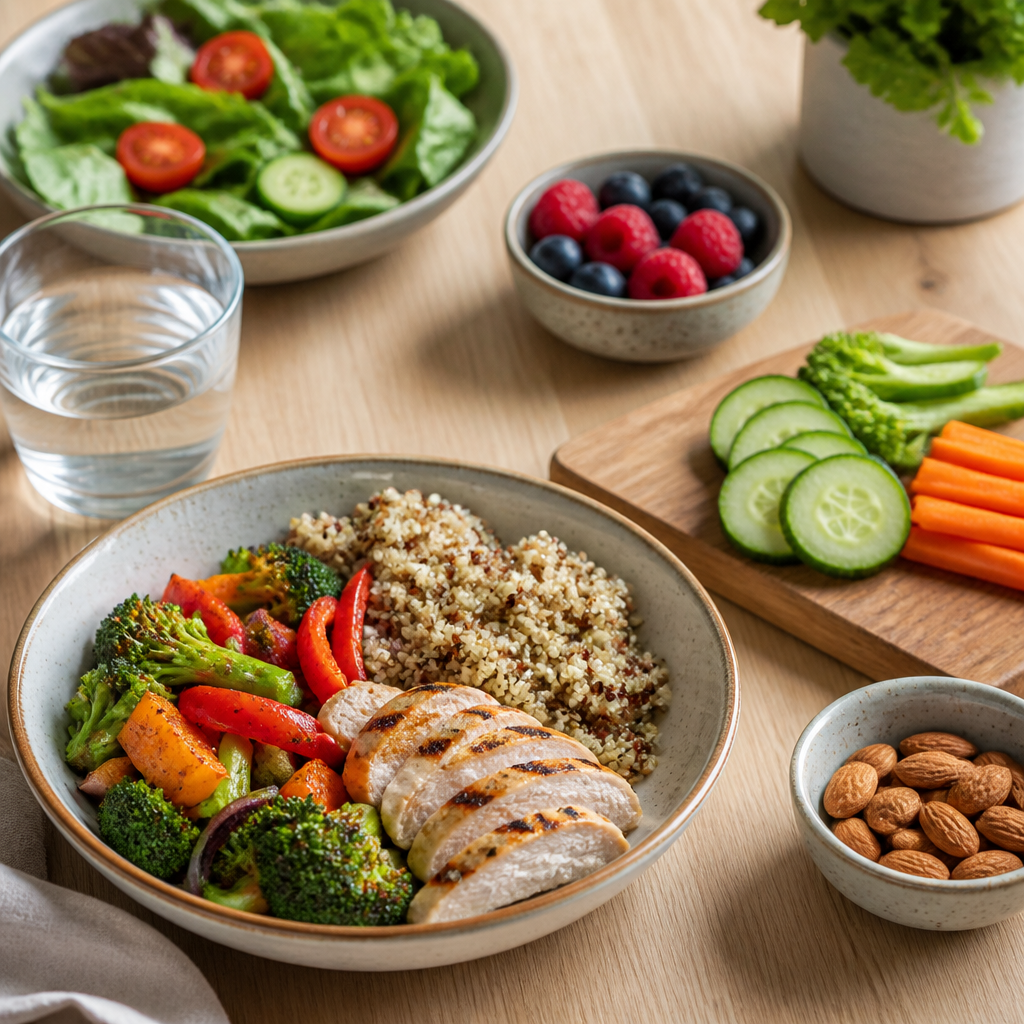
- Dinner: Balanced mix of protein, carbs, and vegetables (e.g., quinoa with roasted veggies and salmon).
3. Choose Your Meal Prep Day
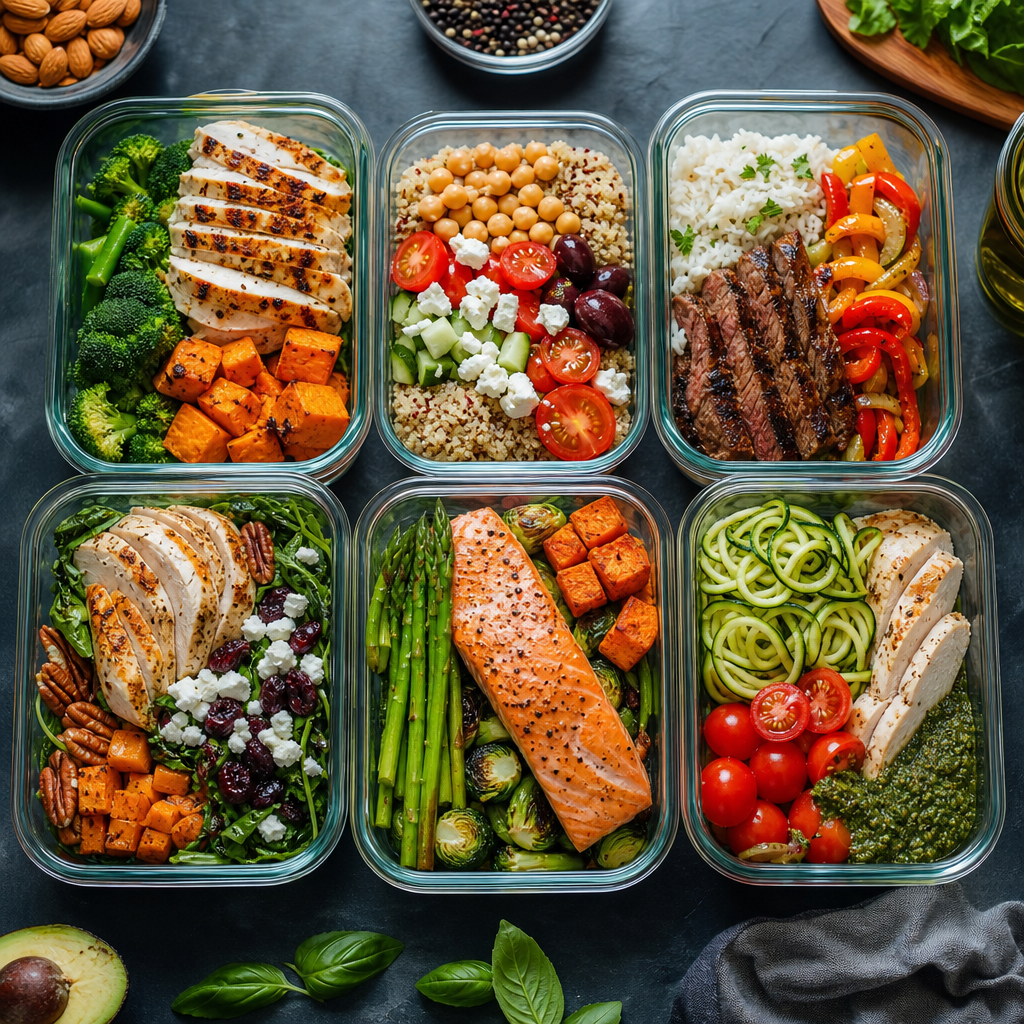
Most people find it helpful to dedicate one day a week for meal prepping, commonly Sunday. Use this time to cook, chop, and organize meals for the upcoming week. Whether it’s making large batches of grains or protein, having meals ready to go can make a significant difference during your busy workdays.
4. Efficient Grocery Shopping
After deciding the meals, create a grocery list based on the ingredients needed. Knowing what you need in advance can help avoid impulse buys and reduce shopping time. Consider using an app to categorize your shopping list by food types (fruits, vegetables, protein) to streamline the process.
5. Containers and Storage
Invest in good-quality airtight containers to store your meals. Meal containers come in various sizes and are perfect for portioning your meals. Label the containers with the meal name and date so you can enjoy meals fresh throughout the week.
6. Simple Meal Ideas
Here are a few quick meal ideas to get you started with your meal planning:
- Breakfast: Overnight oats topped with berries and honey.
- Lunch: Quinoa bowls with black beans, corn, and a squeeze of lime.
- Dinner: Stir-fried tofu with broccoli and brown rice.
- Snacks: Greek yogurt with nuts or veggie sticks with hummus.
7. Don’t Forget Snacks
Snacking can often derail even the best intentions when it comes to healthy eating. Include healthy snacks in your meal planning to avoid reaching for unhealthy options during a mid-afternoon slump. Think of portable snacks like fruit, nuts, or protein bars.
Conclusion
Meal planning doesn’t have to be complicated or time-consuming. With a little forethought and organization, you can ensure you’re eating healthy meals that fuel your busy lifestyle. Start simple, create a plan that works for you, and watch how much more energy and clarity you’ll have in your daily routine.
Call to Action
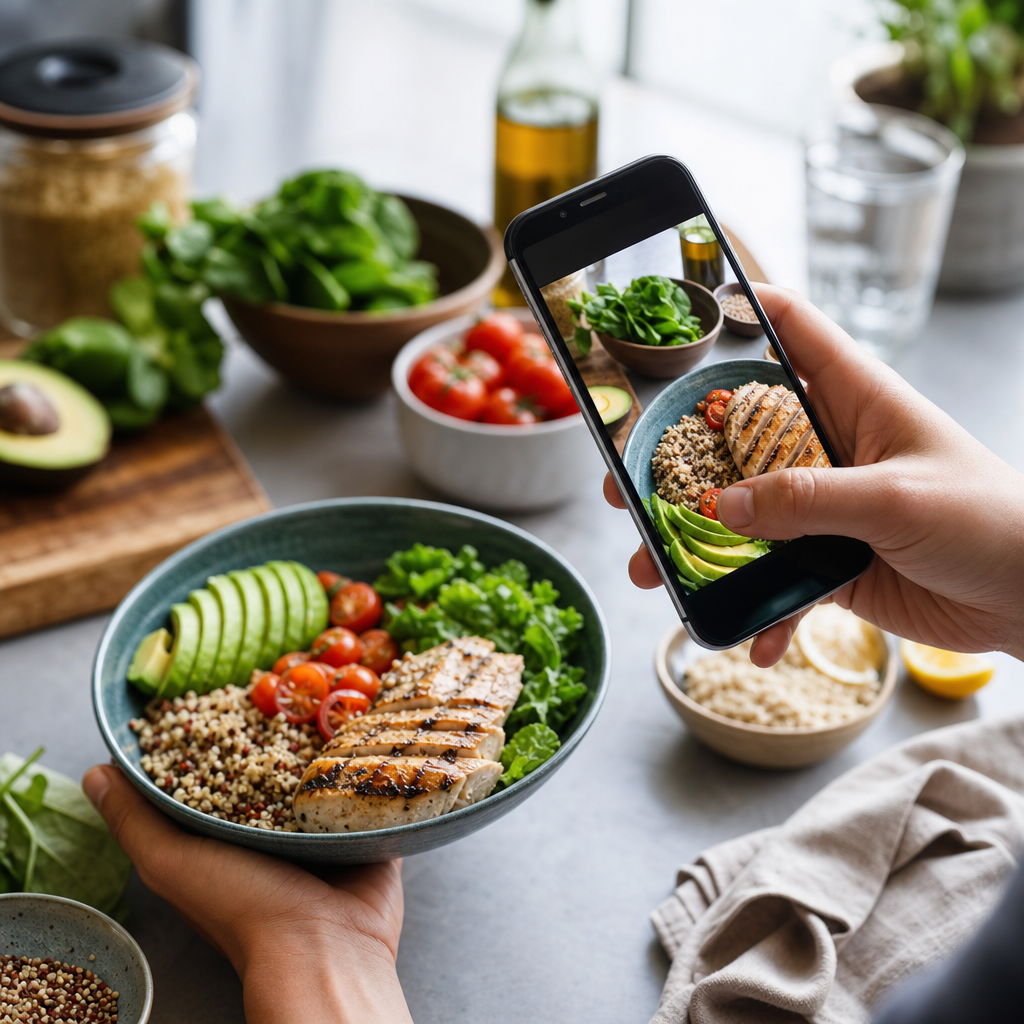
Ready to take control of your nutrition? Download our food tracking app today! Simply upload a photo of your meal, and let AI determine its calories and macronutrients. Start managing your diet effectively and enjoy a healthier lifestyle!
Cal AI
Track meals faster with Cal AI
Scan food, estimate calories, and keep your nutrition log moving without typing every ingredient.
Get the appAuthor
Cal AI Editorial Team
Practical guides on nutrition, calorie tracking, meal planning, and building healthier habits with Cal AI.
Related articles
 The Lowest-Calorie Vegetables Ranked: Your Guide to Guilt-Free Eating
 Zero-Calorie Vegetables: Myth or Reality?
 Why Weight Control Starts With Nutrition
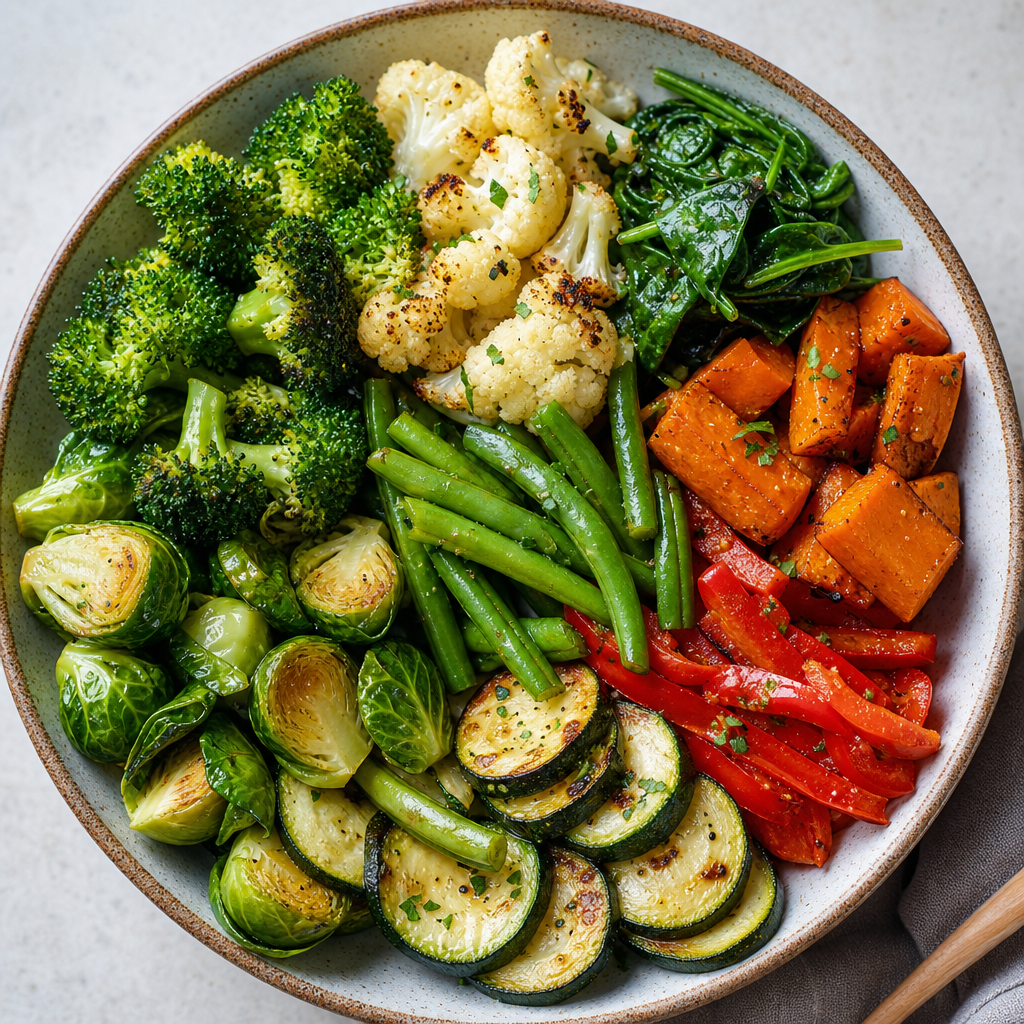 The Most Filling Vegetables for Weight Loss
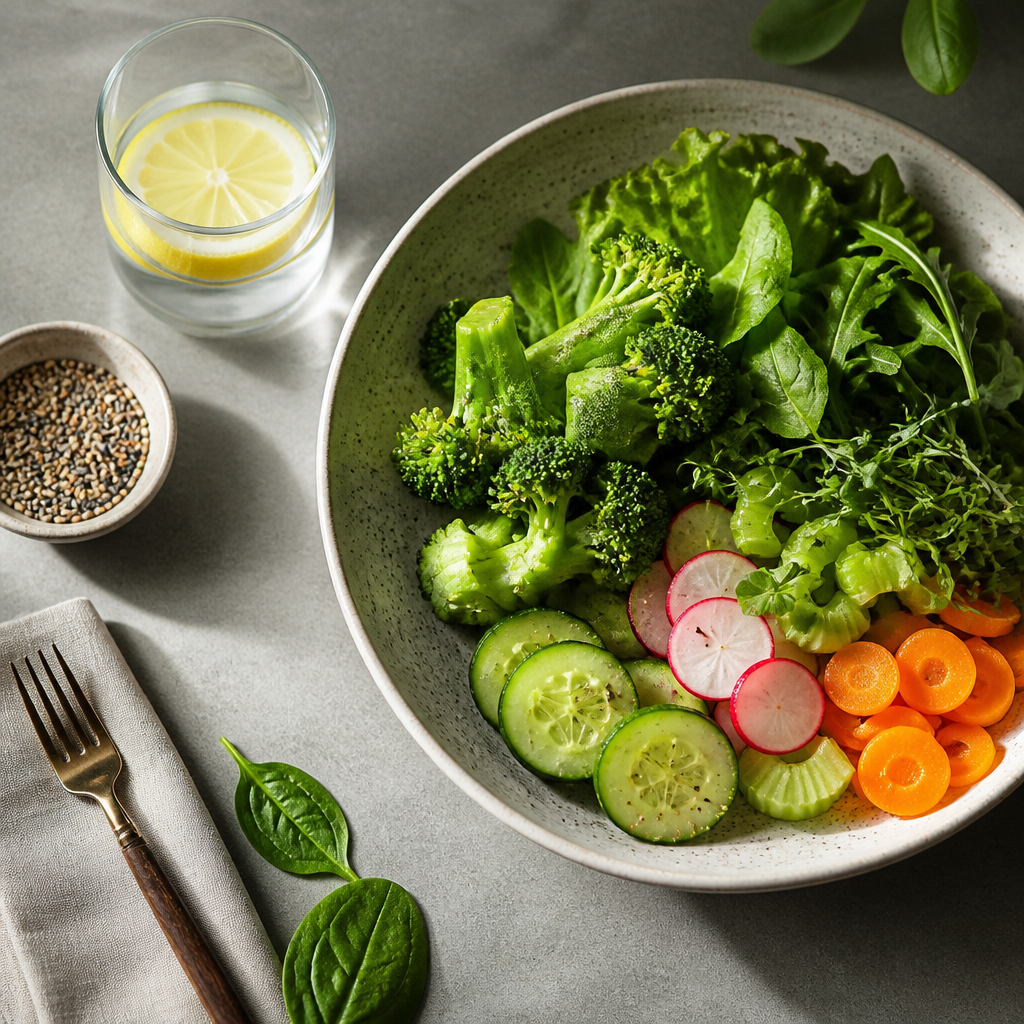 Discover the Vegetables With the Fewest Calories: Your Guide to Guilt-Free Eating
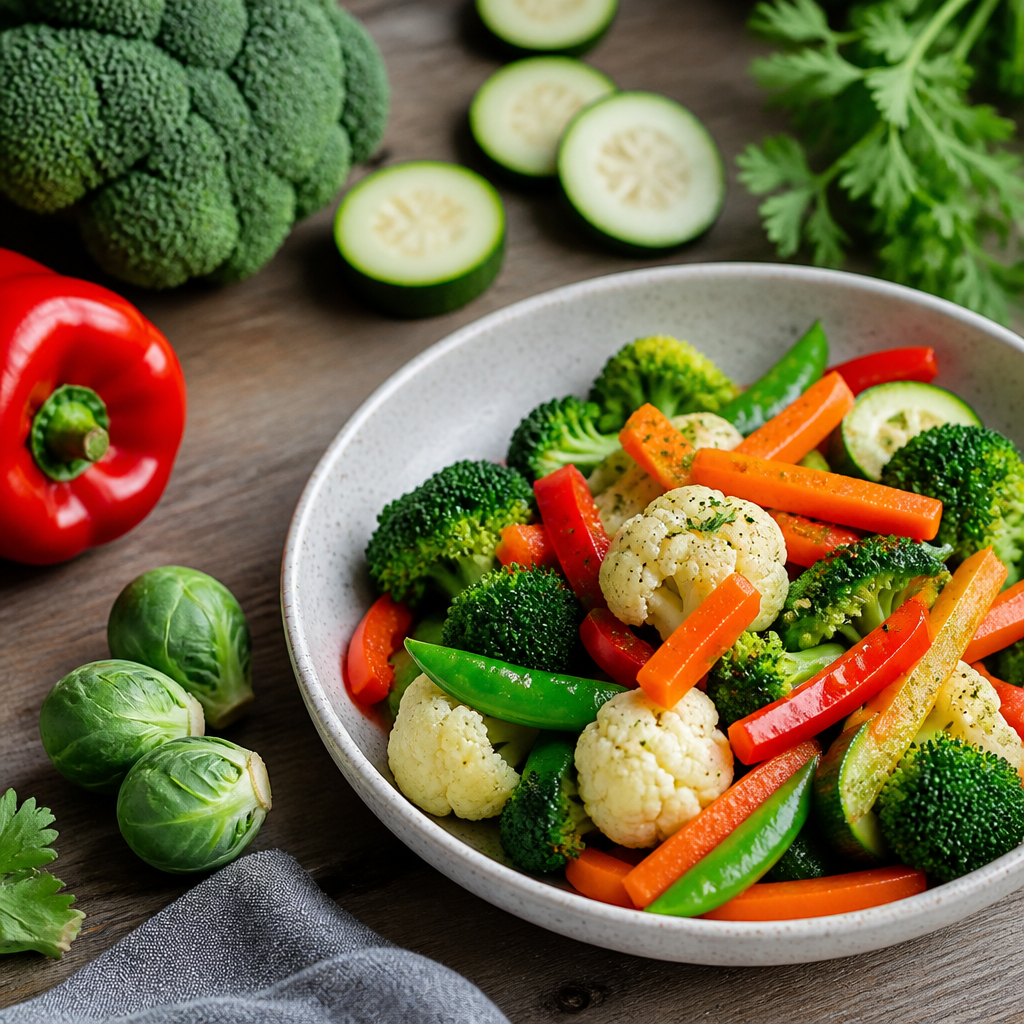 The Best Vegetables for a Calorie Deficit
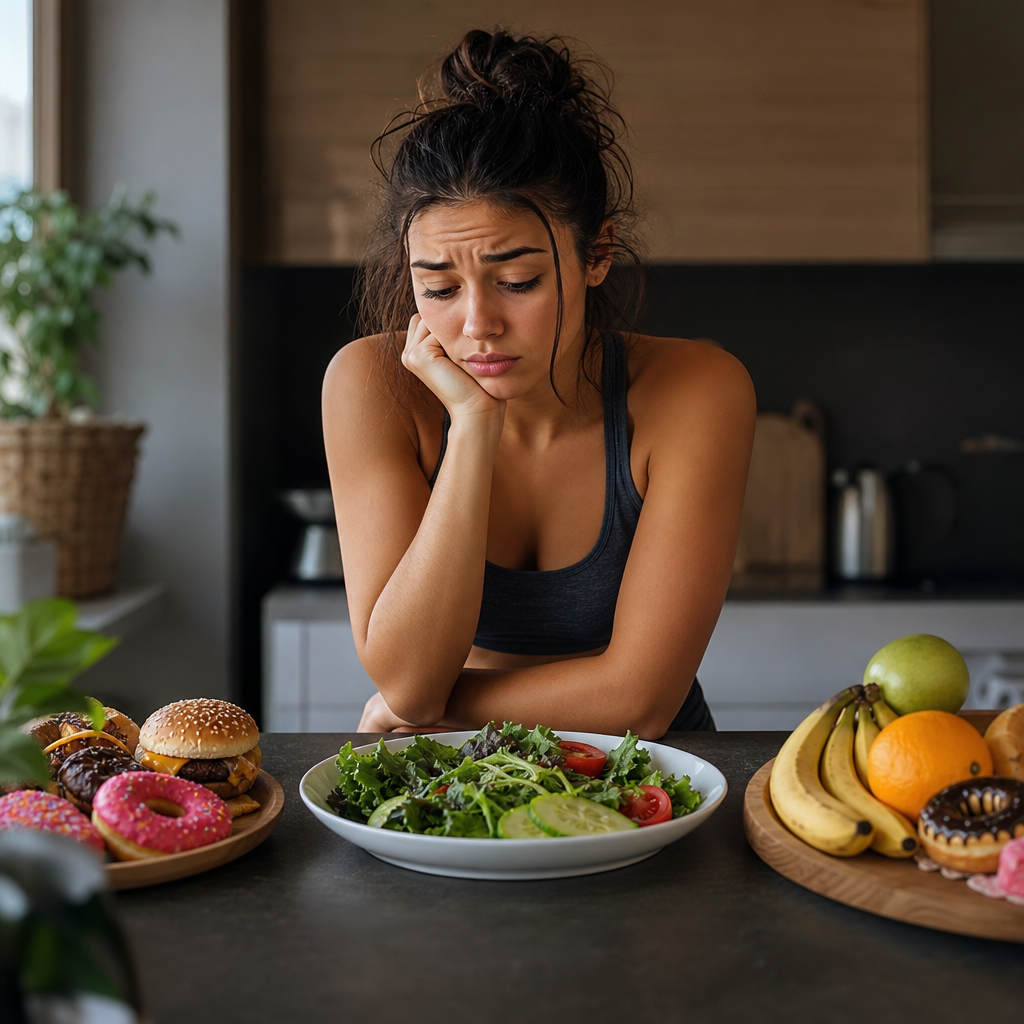 Why Strict Diets Don't Work: Understanding the Pitfalls of Extreme Restrictions
 The Best Weight Management Strategies: Proven Tactics for Success
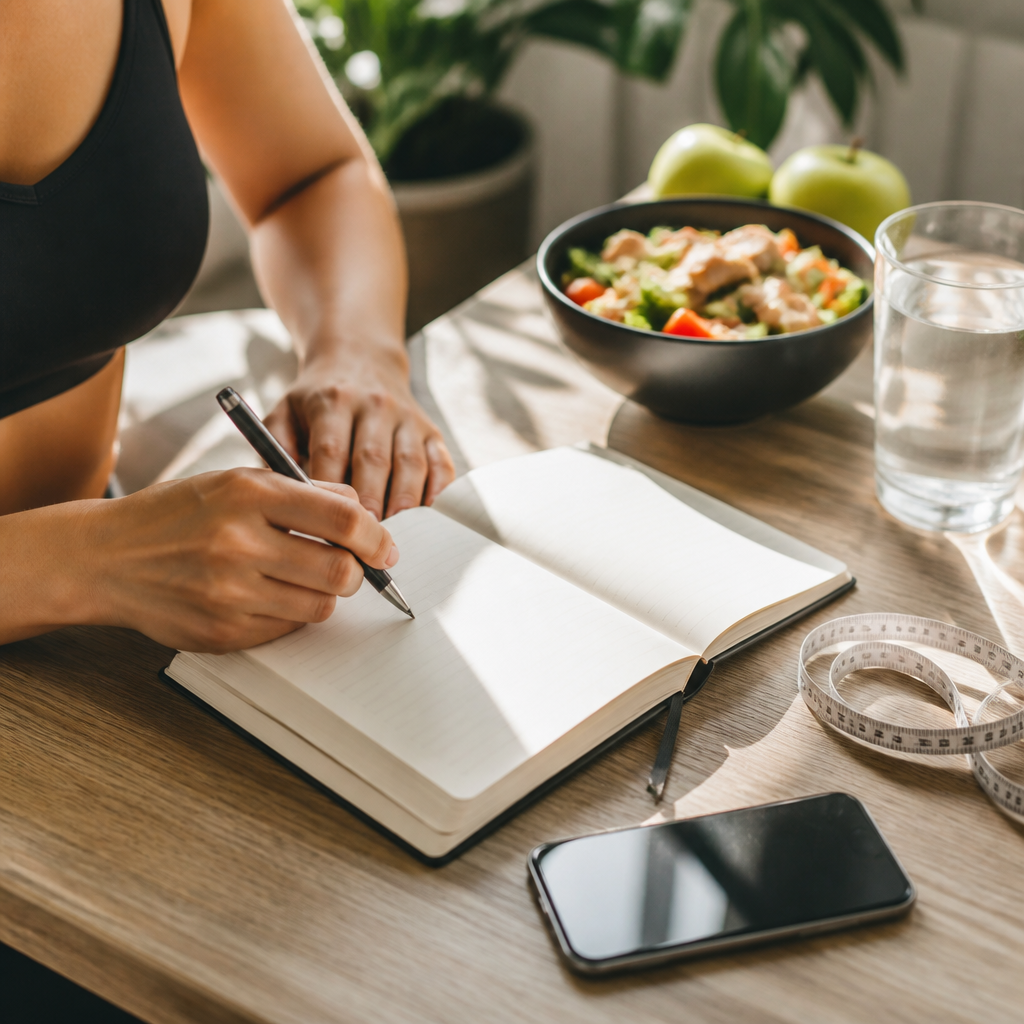 How to Keep a Weight Journal: Tips for Accountability and Progress Tracking
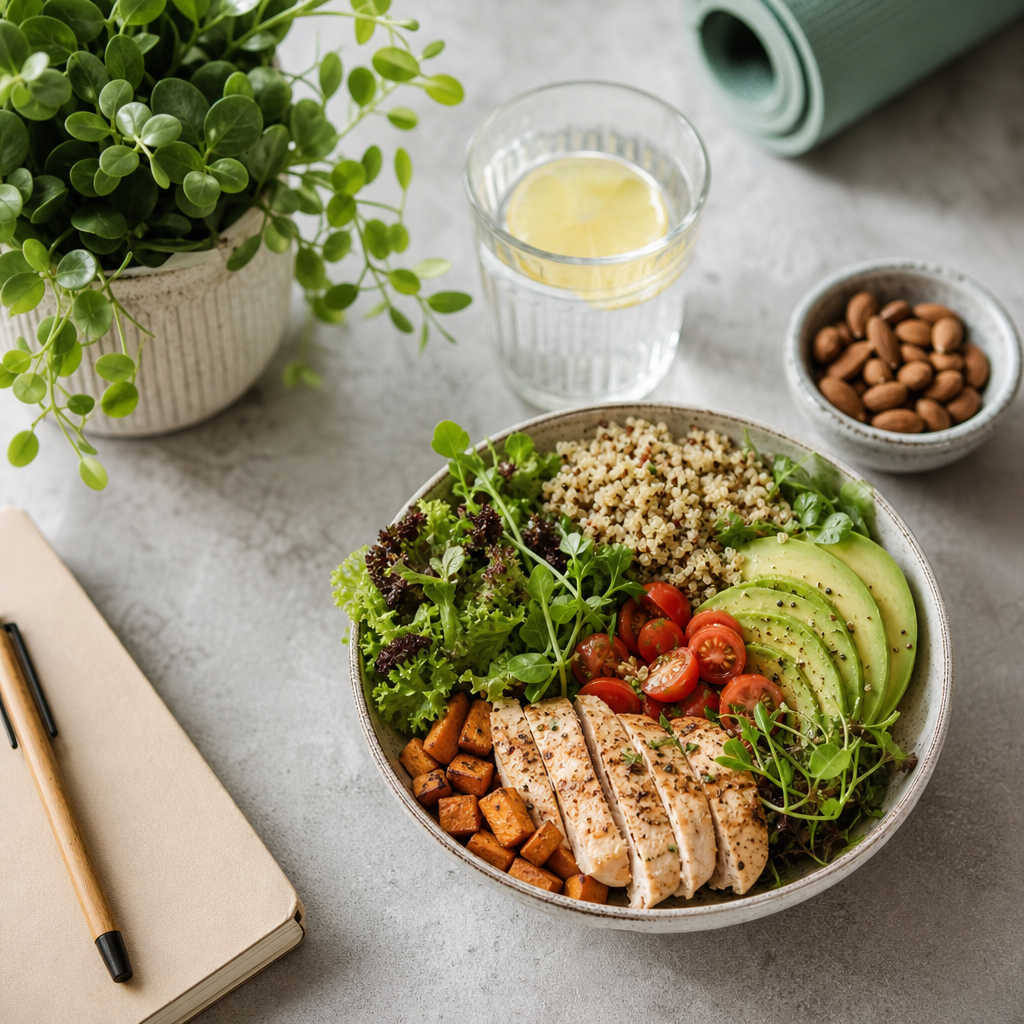 How to Lose Weight Without Stress: Embrace a Balanced Approach
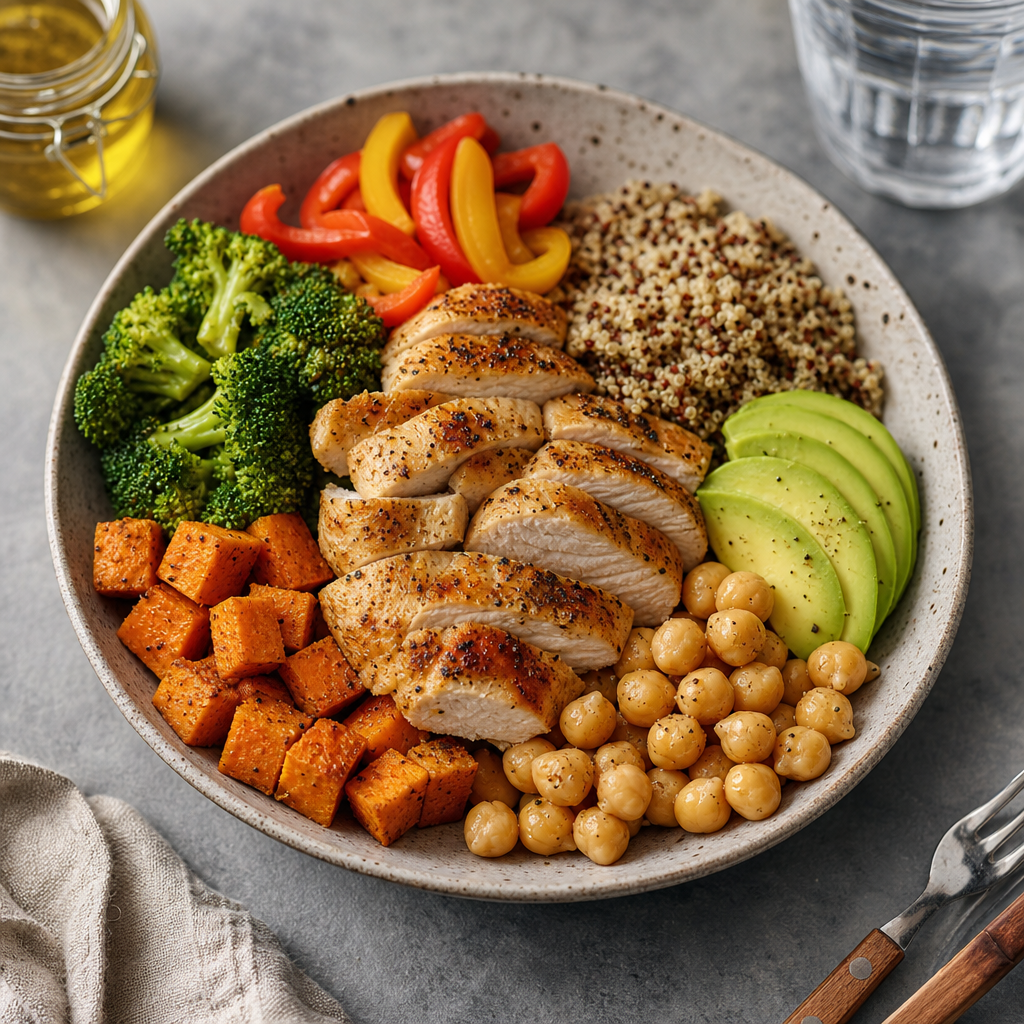 Common Macro Tracking Mistakes: Avoid These Pitfalls for Better Results
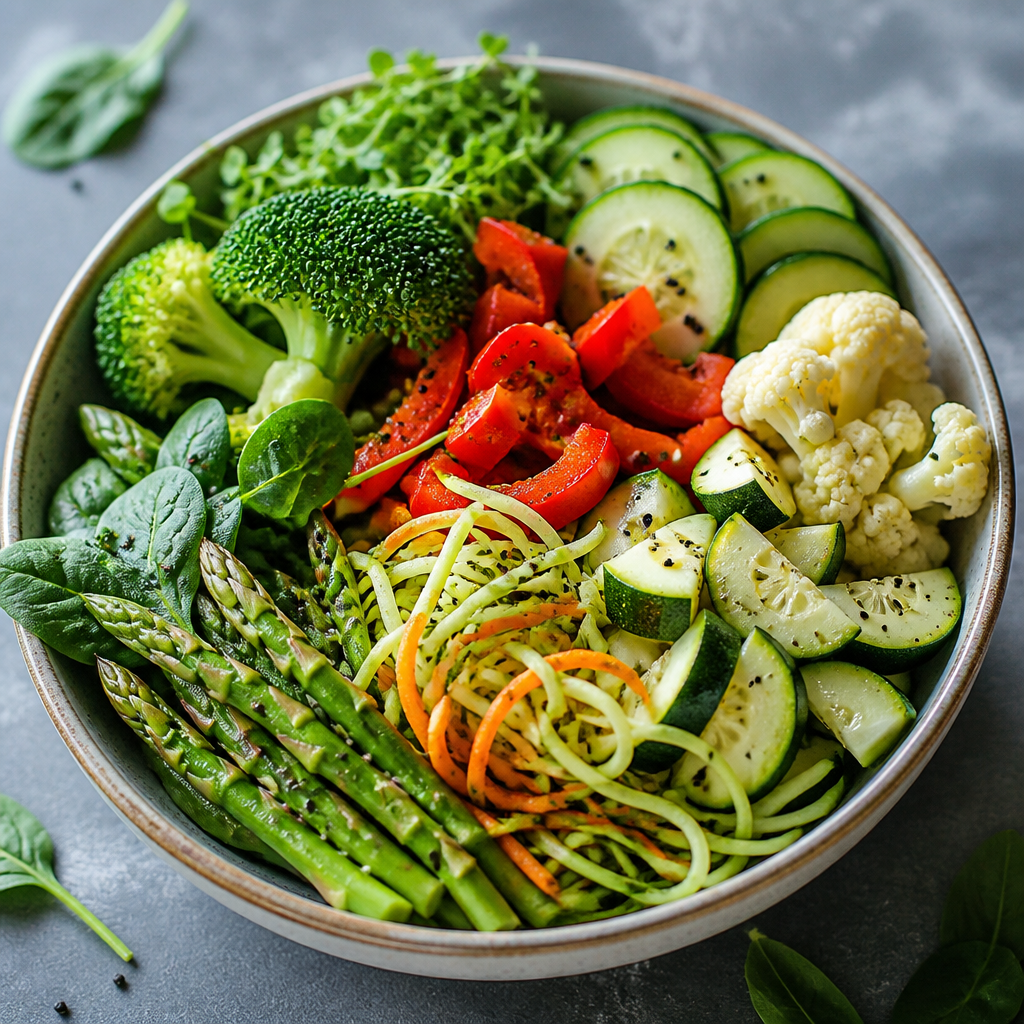 The Best Low-Calorie, Low-Carb Vegetables for Your Healthy Diet
 Sustainable Weight Loss Explained: Your Guide to Long-Term Success
 How to Control Your Weight With Calorie Tracking
 How to Build a Macro-Based Meal Plan: Your Ultimate Guide to Meal Prepping
 How to Track Macros Automatically: A Tech-Savvy Guide
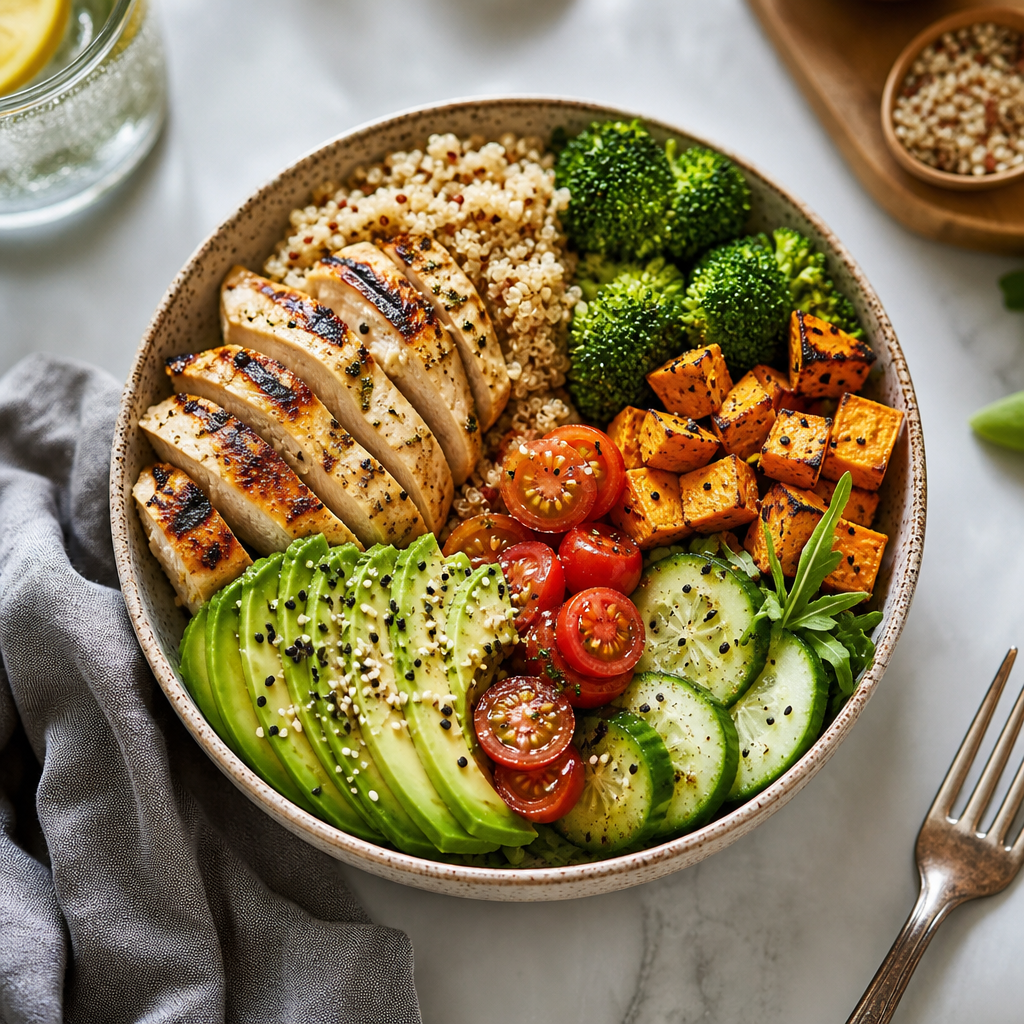 Macro Tracking for Beginners: Your Ultimate Guide to Nutritional Success
 How Many Calories Are in an Orange?
 Which Vegetables Keep You Full the Longest?
 How Many Calories Are in a Cucumber? Unveiling the Secrets of This Superfood
 How Many Calories Are in a Banana?
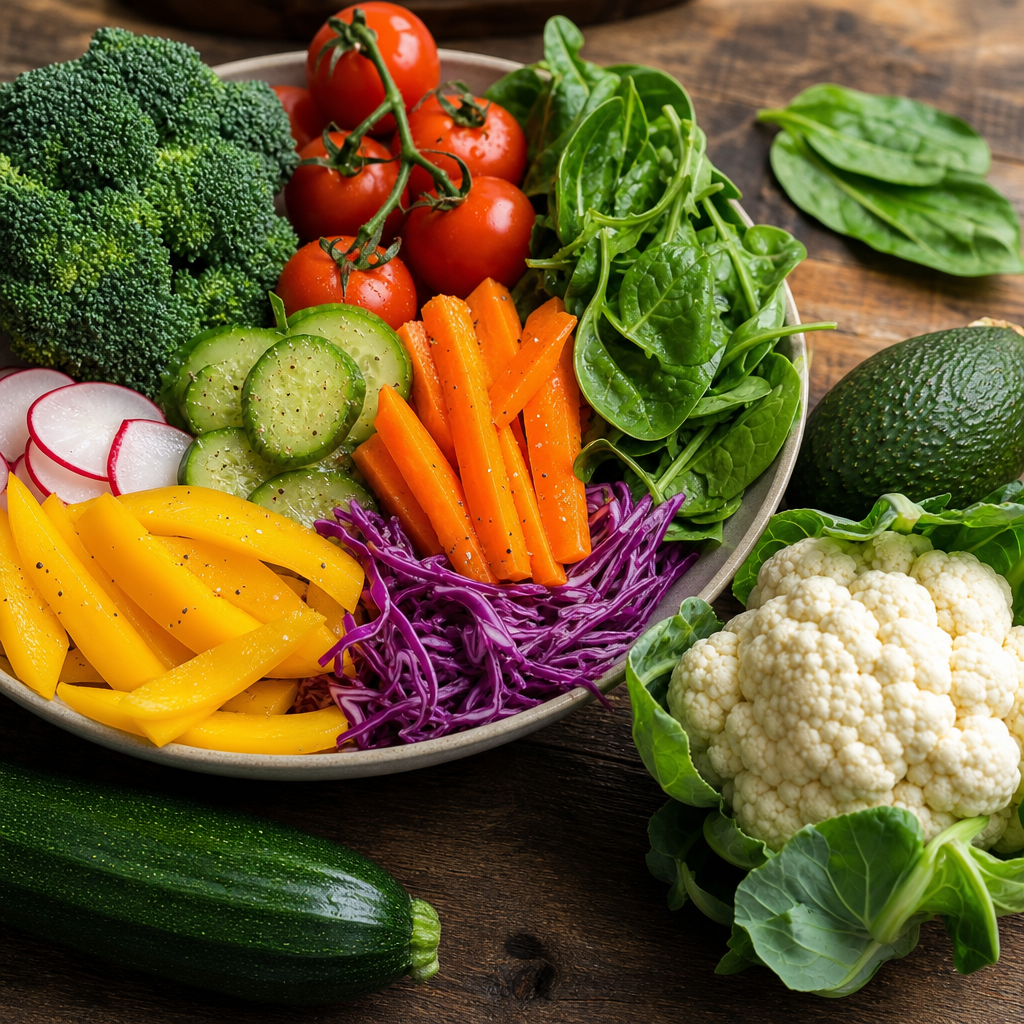 The Healthiest Vegetables for Weight Loss: Your Ultimate Guide
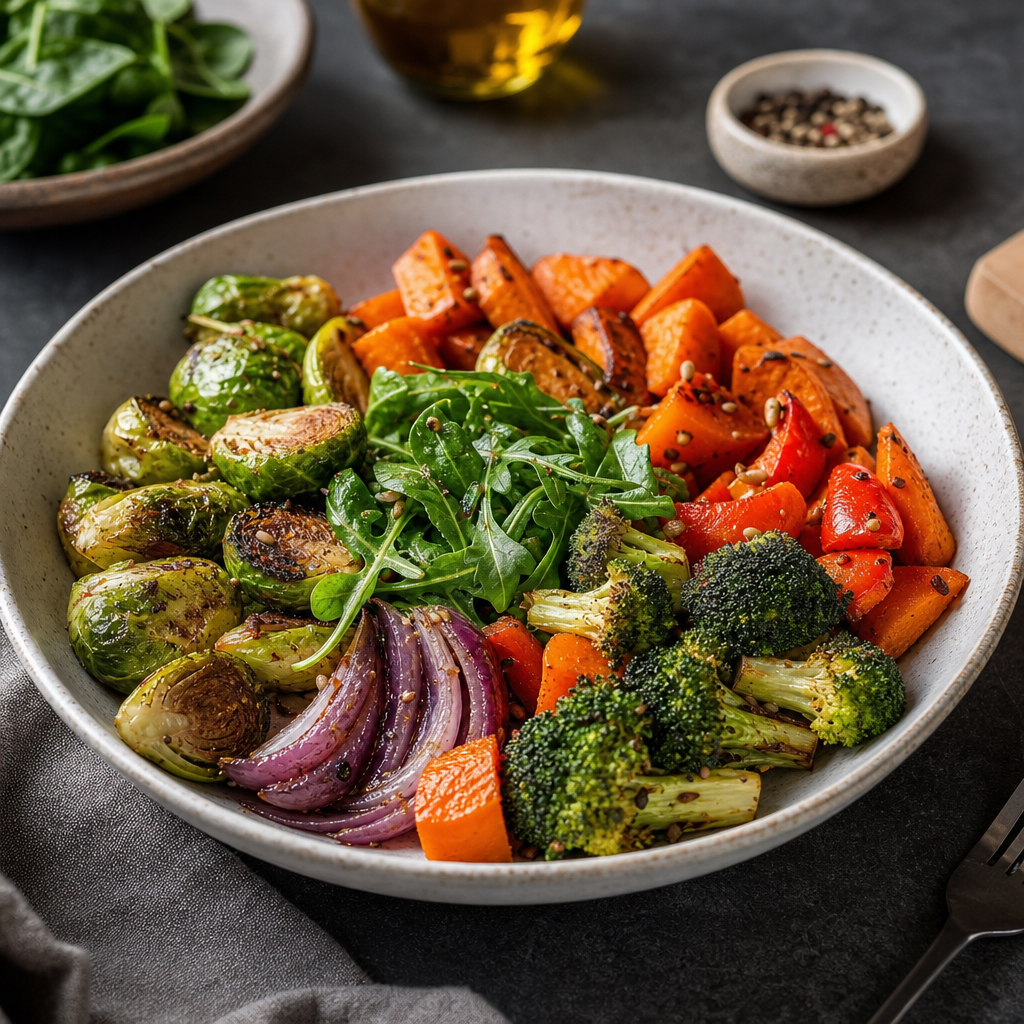 The Best Vegetables for Dinner: Nourishing Your Body While Losing Weight
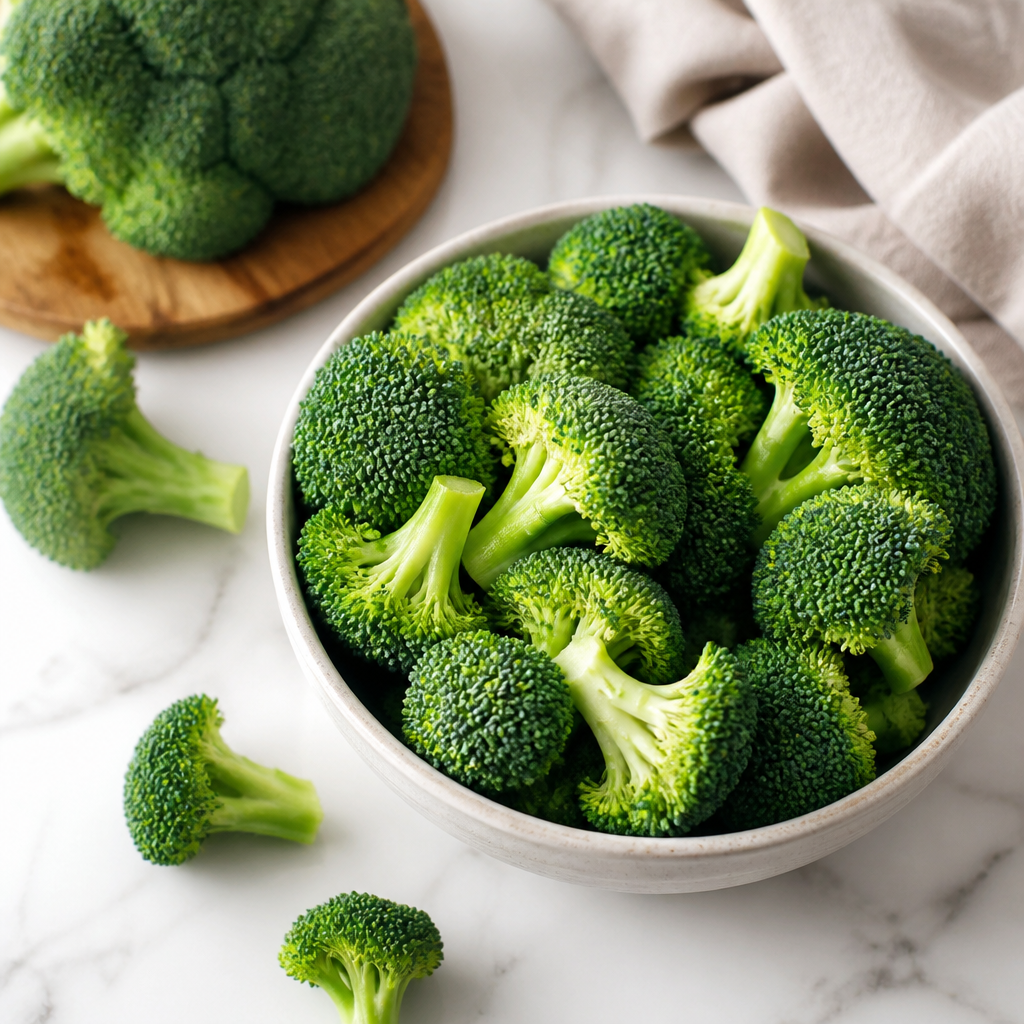 How Many Calories Are in Broccoli? An In-Depth Look
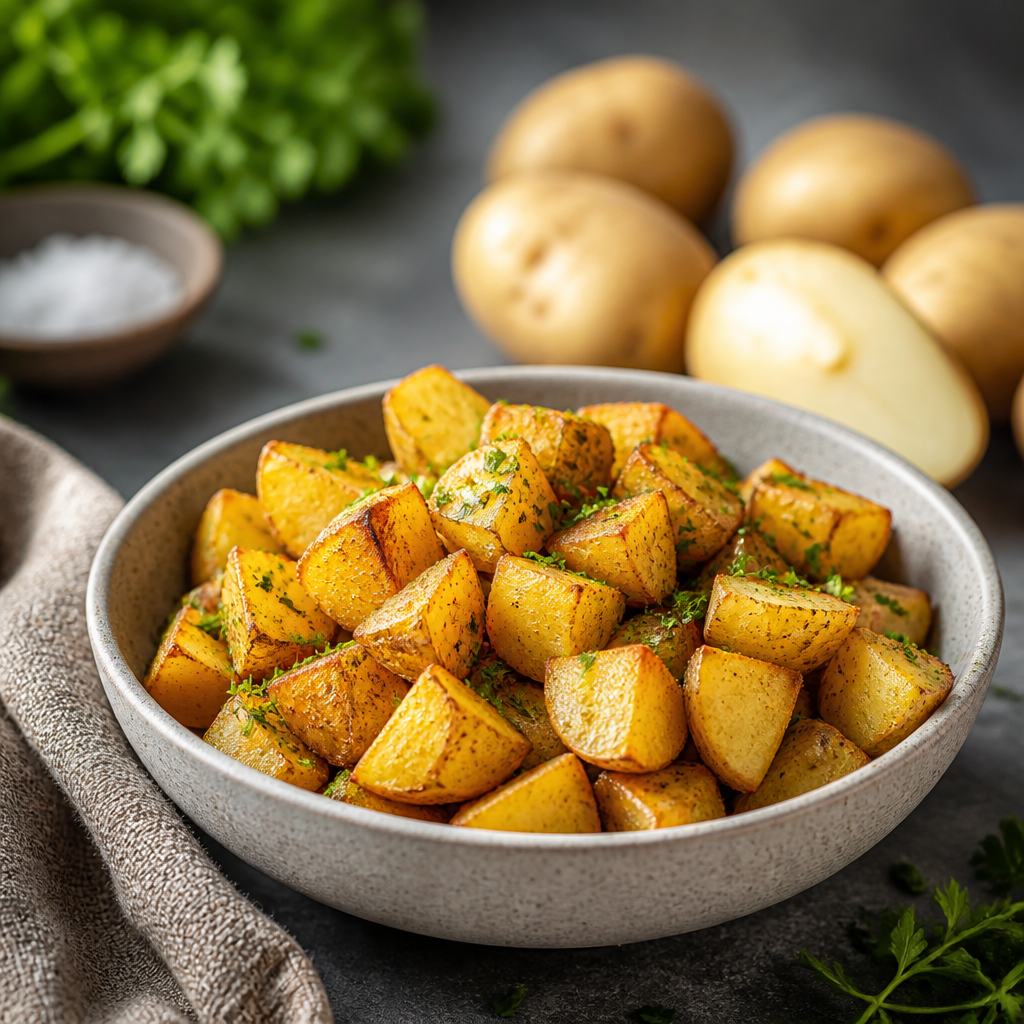 How Many Calories Are in a Potato? Unpacking the Nutritional Value
 How to Estimate Calorie Counts Visually: A Guide for Impromptu Dieters
 Как считать калории в ресторане: Практическое руководство
 Формула Харриса-Бенедикта простыми словами
 Главные ошибки подсчета калорий
 Как считать калории без весов: Практическое руководство для диетчиков