Hydration and Appetite: Understanding the Connection Between Thirst and Hunger
Updated Oct 2, 20263 min read14 views
When it comes to managing our eating habits, the signals from our body can sometimes be misleading. Have you ever felt hungry shortly after finishing a meal? You might be surprised to learn that what you interpret as hunger could be your body’s way of signaling dehydration. In this article, we’ll explore the intricate relationship between hydration and appetite, and how understanding this connection can aid in effectively managing our food intake.
The Thirst-Hunger Connection
You might wonder how hydration relates to appetite. It turns out that the mechanisms governing thirst and hunger are closely linked. Both sensations are governed by the hypothalamus, a small but powerful region in the brain that regulates numerous bodily functions, including appetite, thirst, and even temperature control.
When your body is dehydrated, it sends signals that can sometimes be misinterpreted as hunger. A study published in the Journal of Human Nutrition and Dietetics found that individuals who increased their water intake at mealtime reported lower feelings of hunger and subsequently consumed fewer calories.
Signs of Dehydration
Recognizing signs of dehydration is crucial for managing appetite. Here are some common symptoms:
- Dry mouth
- Fatigue
- Dark yellow urine
- Headaches
- Dizziness
If you experience these symptoms, consider reaching for a glass of water. It's common for feelings of thirst to masquerade as hunger.
Hydration Tips to Control Appetite
Staying hydrated not only prevents dehydration but also helps you manage your appetite effectively. Here are some practical tips:
Start Your Day with Water: Begin each morning by drinking a glass of water to kickstart your hydration for the day.
Hydrate Before Meals: Consider drinking a glass of water about 30 minutes before meals. This can help you eat smaller portions, as the water may partially fill your stomach.
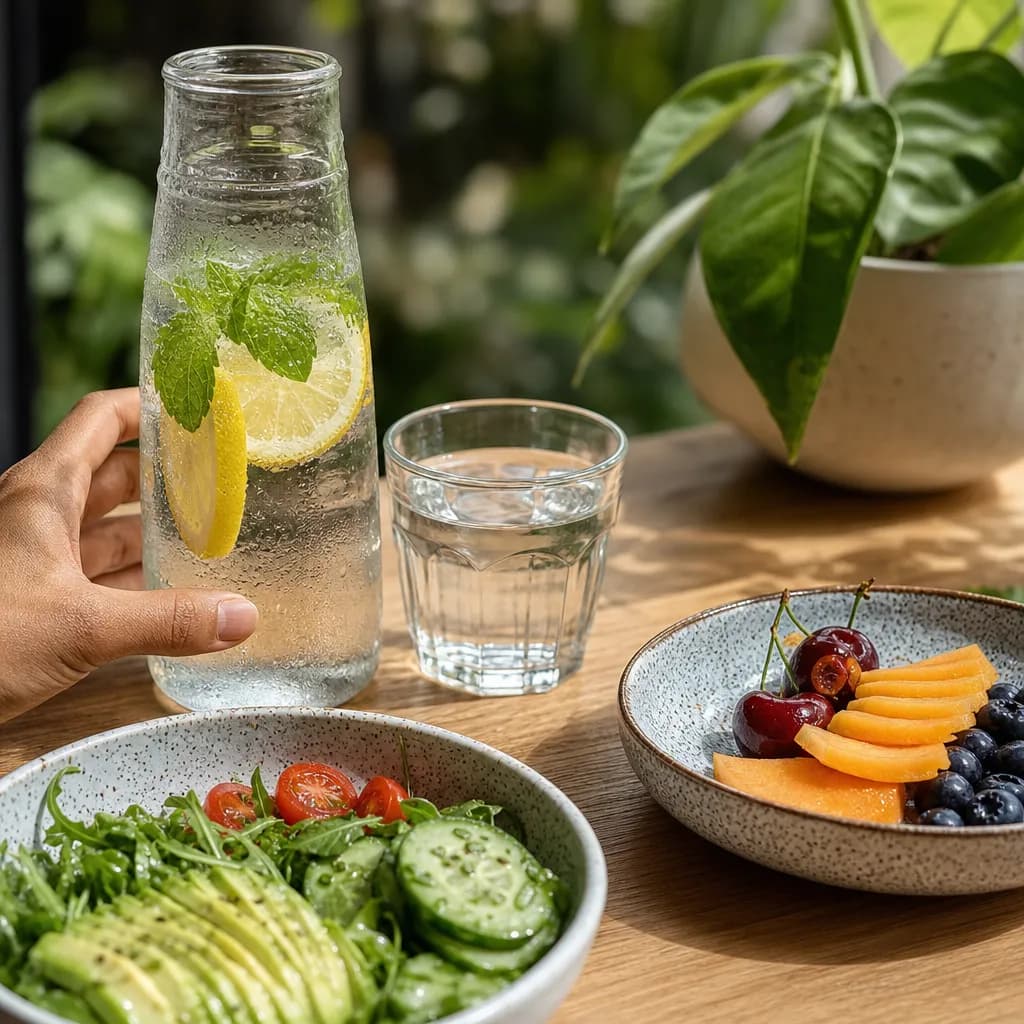
Choose Hydrating Foods: Incorporate fruits and vegetables with high water content into your diet, such as cucumbers, watermelon, and oranges.
Set Reminders: If you often forget to drink water, set reminders on your phone or use a hydration-tracking app.
Flavor Your Water: If plain water doesn’t excite you, try adding slices of lemon, cucumber, or fresh mint for a refreshing twist.
Frequently Asked Questions
Q: How much water should I drink daily?
A: A general guideline is to aim for eight 8-ounce glasses (about 2 liters), but individual needs may vary based on activity level, climate, and overall health.
Q: Can I drink tea or coffee as part of my hydration?
A: Yes, beverages like tea and coffee contribute to hydration; however, be mindful of caffeine intake and consider water as your primary source of hydration.
Q: Does my body get used to drinking less water?
A: Our bodies adapt to lower water intake, but this isn’t ideal for overall health. Consistently drinking enough water is essential.
Conclusion
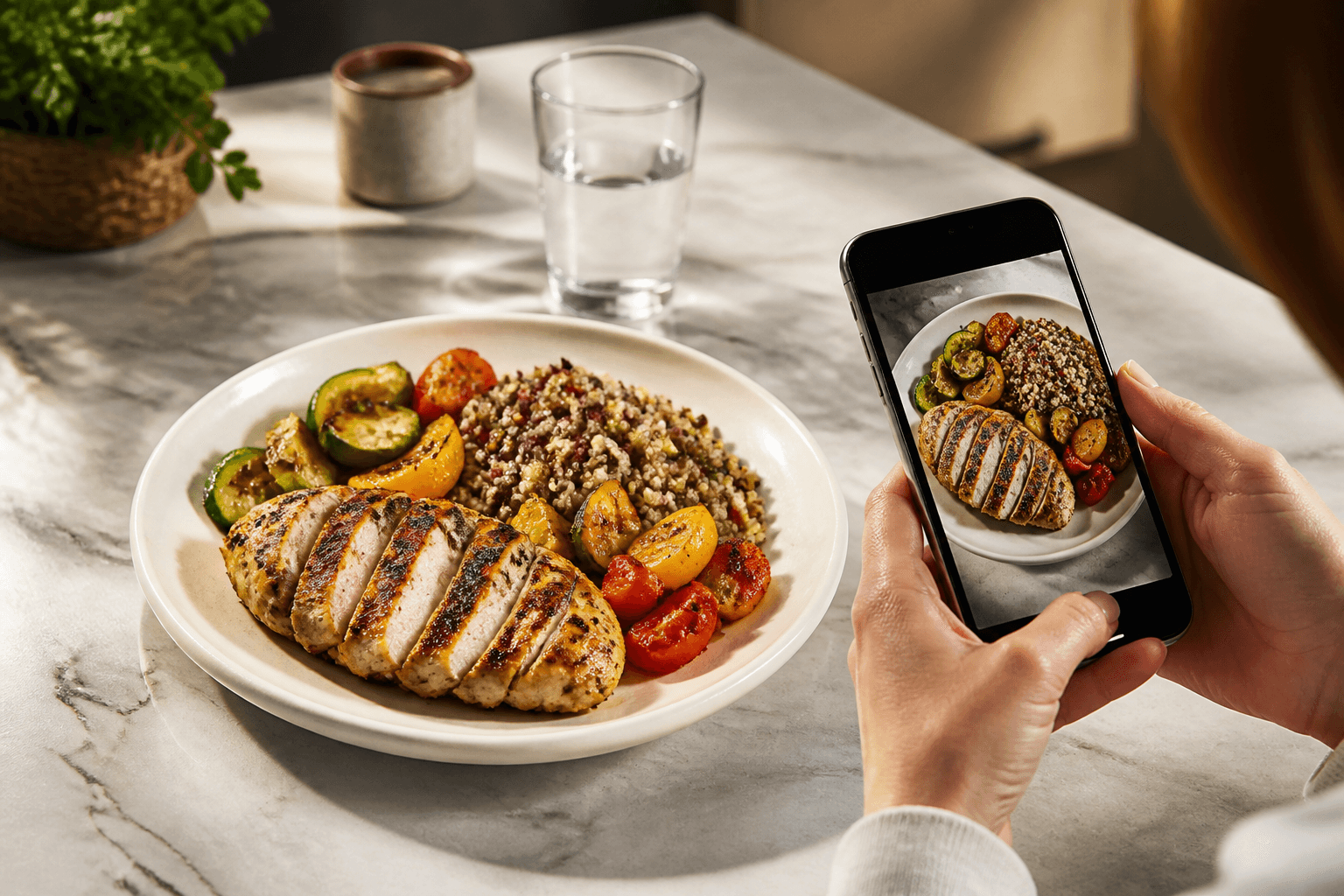
Understanding the relationship between hydration and appetite can significantly impact your eating habits and overall health. By recognizing your body’s thirst cues and responding appropriately, you can avoid unnecessary snacking and better manage your weight. Next time you feel hungry, pause and ask yourself if you might actually be thirsty. For an even more accurate way to manage your nutrition, consider using an app that allows you to upload photos of your meals. Our AI can help you identify calories and macronutrients, taking the guesswork out of your diet. Happy hydrating!
Cal AI Editorial Team
Practical guides on nutrition, calorie tracking, meal planning, and building healthier habits with Cal AI.
Editorial policyRelated articles
- Cal AI
The scan got the dish wrong: how to fix grams and calories in Cal AI in 20 seconds
Fix a wrong Cal AI scan by choosing the closest recognition variant, correcting grams, and editing calories when the portion still looks off.
Oct 26, 20266 min read
- french fries
Calories in French Fries: Small, Medium and Large Portions
French fries are 312 kcal per 100 g, and a standard 117 g serving is 365 kcal. Use grams, not size names, when the portion looks unclear.
Oct 23, 20266 min read
- Cal AI
How to Cancel Cal AI Subscription on iPhone and Android
Cancel Cal AI through Apple or Google Play, not inside the app. Follow the exact menu paths and see what cancellation means for history and scans.
Oct 20, 20265 min read1 views
- chicken breast
Calories in Chicken Breast: 100 g, One Breast, Grilled vs Fried
Chicken breast has 165 kcal per 100 g cooked. See one-breast calories, grilled and fried adjustments, and how to log it accurately.
Oct 17, 20266 min read1 views
- rice
White Rice vs Brown Rice: Calories, Protein, and Which to Pick
Brown rice is slightly lower in calories than white rice, but the gap is small. Compare cooked portions, macros, and which one fits your goal at meals.
Oct 14, 20266 min read2 views
- calorie calculator
How many calories do you need a day? Mifflin-St Jeor with worked examples
Use Mifflin-St Jeor to estimate daily calories from weight, height, age, and activity, with worked examples and portion checks.
Oct 11, 20268 min read