How Hydration Affects Your Appetite Cues: Staying Refreshed and Satisfied
Updated Sep 22, 20263 min read7 views
Hydration plays a crucial role in our overall health, yet it’s often overlooked when it comes to managing appetite and food cravings. Most people don’t realize that the body can misinterpret thirst signals as hunger, leading to overeating when a simple glass of water might suffice. Understanding how hydration impacts your appetite can significantly aid in weight management and improve overall well-being.
When we’re dehydrated, the brain sometimes sends signals that can feel remarkably similar to hunger pangs. Studies have shown that even mild dehydration can disrupt the regulation of appetite, which might be why you often reach for snacks when you’re actually thirsty. Keeping track of your water intake can help mitigate inappropriate hunger cues and prevent unnecessary snacking.
How Much Water Should You Drink?
Many health experts recommend drinking eight 8-ounce glasses of water a day, but this can vary based on individual needs, climate, and physical activity levels. A general rule of thumb is to drink at least half your body weight in ounces. For example, if you weigh 160 pounds, aim for 80 ounces of water daily.
| Weight (lbs) | Daily Water Intake (oz) |
|---|---|
| 120 | |
| 60 | |
| 150 | |
| 75 | |
| 180 | |
| 90 | |
| 210 | |
| 105 |
Signs of Dehydration
Recognizing signs of dehydration can help you maintain better hydration levels. Some common symptoms include:
- Dry mouth
- Headaches
- Fatigue
- Dizziness
- Impaired concentration
If you experience any of these symptoms, try drinking water before reaching for food. You may find that your hunger pangs dissipate after rehydrating.
When to Drink Water
Incorporating water into your daily routine can help ensure you stay hydrated and prevent appetite issues. Here are some practical tips:
- Start Your Day with Water: Drink a glass of water as soon as you wake up to kickstart your hydration for the day.
- Before Meals: Drinking water approximately 30 minutes before a meal can help create a sense of fullness, which may prevent overeating.
- Snack Smart: Instead of grabbing snacks, try sipping on water first. This will help you discern true hunger from just thirst.
- Set Reminders: Use your phone or a hydration app to remind you to drink water throughout the day.
Practical Ways to Enhance Hydration
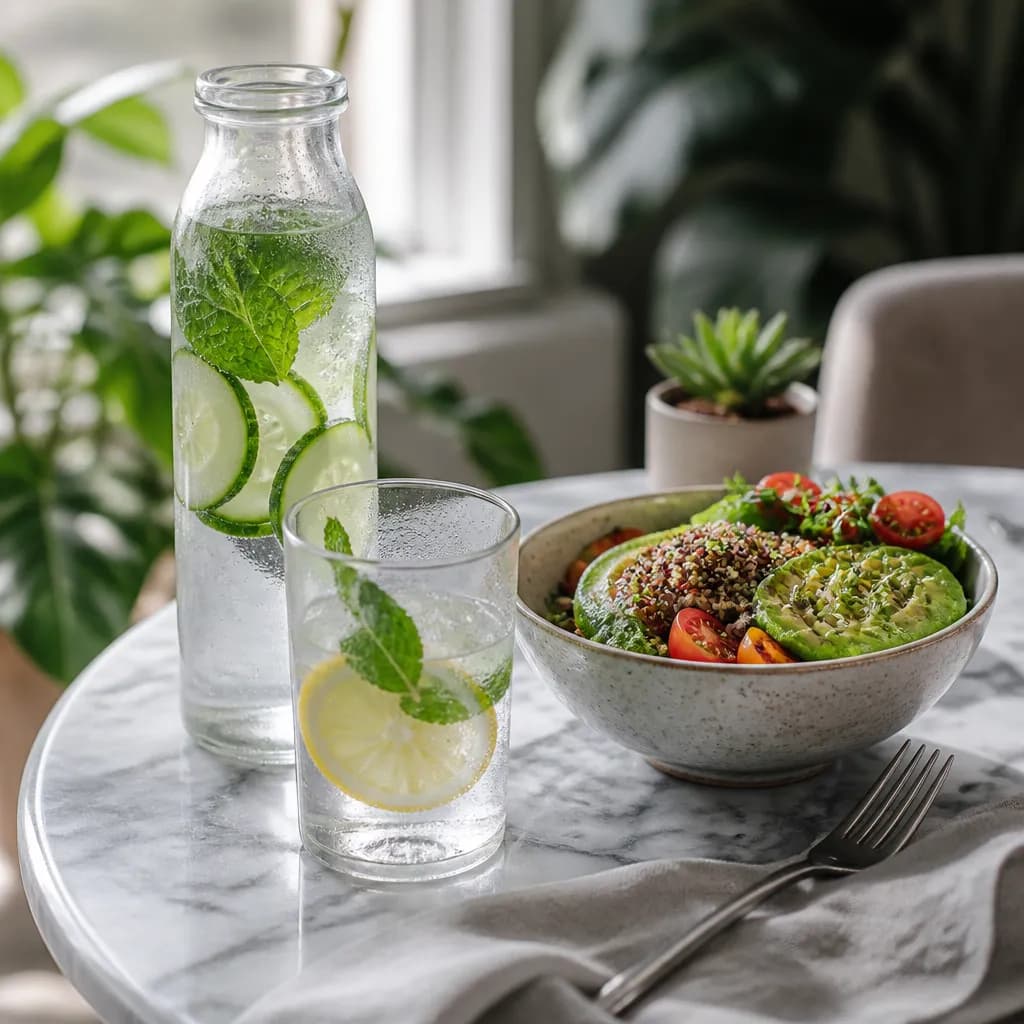
If plain water feels dull, consider adding slices of fruits, like lemon or cucumber, to infuse flavor. Herbal teas and sparkling water can also serve as refreshing alternatives, especially during hotter months.
It's also essential to consume foods with high water content, such as cucumbers, tomatoes, and watermelon. These can add to your hydration levels while providing vital nutrients.
Conclusion
Effectively managing hydration is more than just a health trend; it's an essential part of controlling appetite cues. By understanding the correlation between hydration and hunger, you can make more informed decisions about your eating habits. So the next time you feel hungry, don’t rush to your pantry; reach for a glass of water first and see if that helps clear up your cravings. Remember, your body is often smarter than you think!
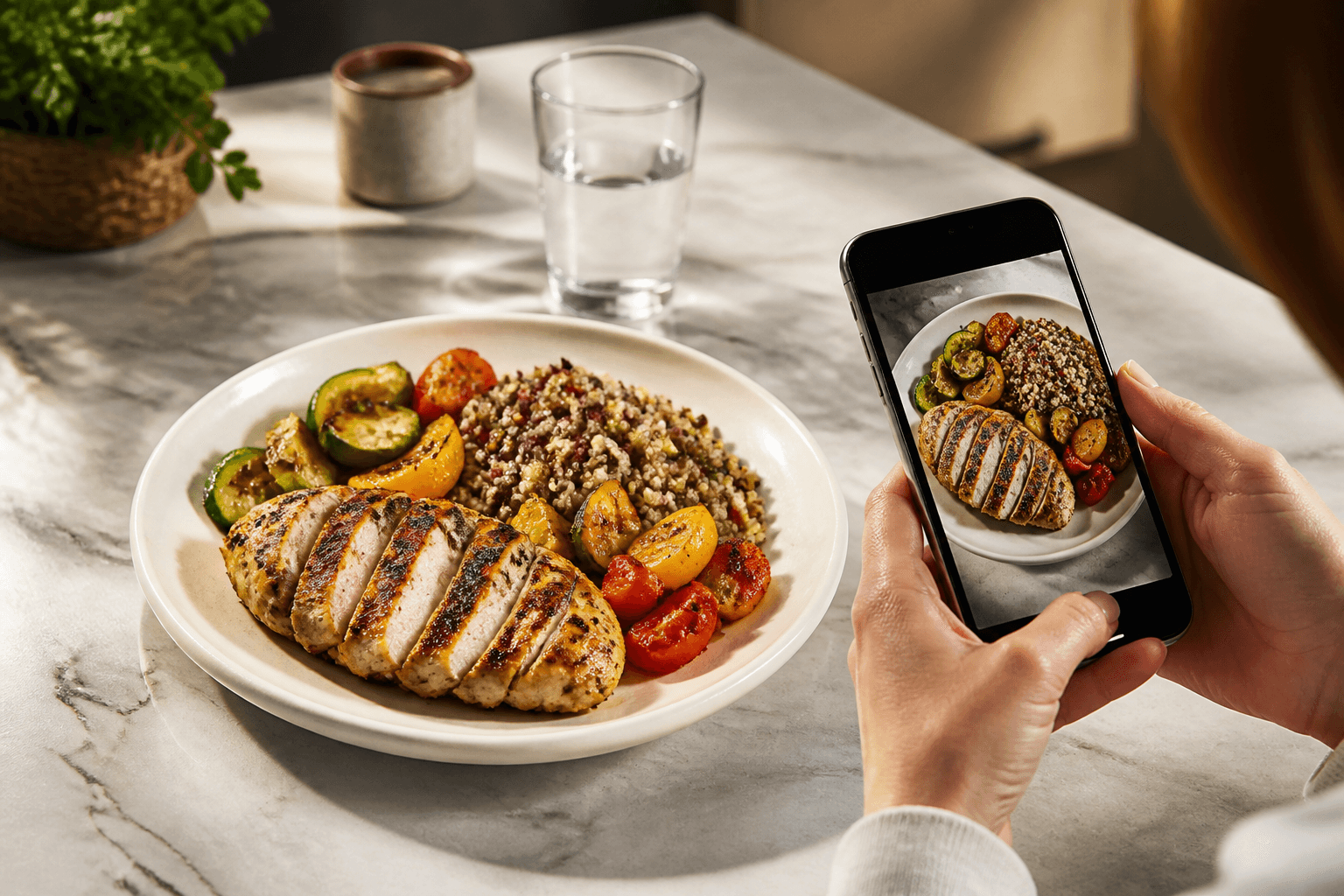
To make tracking your hydration and nutrition even easier, try our app! You can upload photos of your meals, and our AI will analyze the calories and macronutrients, helping you maintain a balanced lifestyle.
Cal AI Editorial Team
Practical guides on nutrition, calorie tracking, meal planning, and building healthier habits with Cal AI.
Editorial policyRelated articles
- Cal AI
The scan got the dish wrong: how to fix grams and calories in Cal AI in 20 seconds
Fix a wrong Cal AI scan by choosing the closest recognition variant, correcting grams, and editing calories when the portion still looks off.
Oct 26, 20266 min read
- french fries
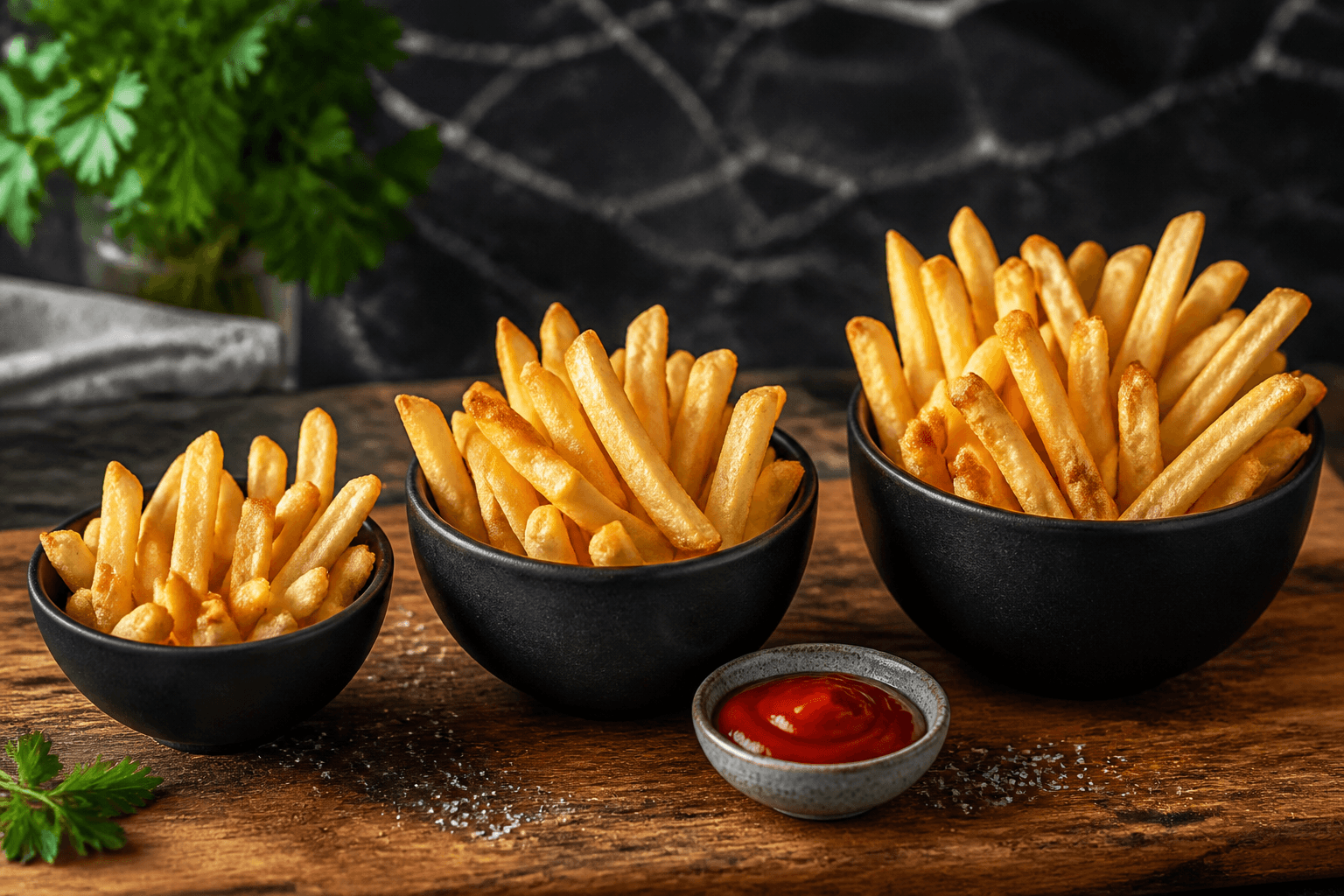
Calories in French Fries: Small, Medium and Large Portions
French fries are 312 kcal per 100 g, and a standard 117 g serving is 365 kcal. Use grams, not size names, when the portion looks unclear.
Oct 23, 20266 min read
- Cal AI
How to Cancel Cal AI Subscription on iPhone and Android
Cancel Cal AI through Apple or Google Play, not inside the app. Follow the exact menu paths and see what cancellation means for history and scans.
Oct 20, 20265 min read1 views
- chicken breast
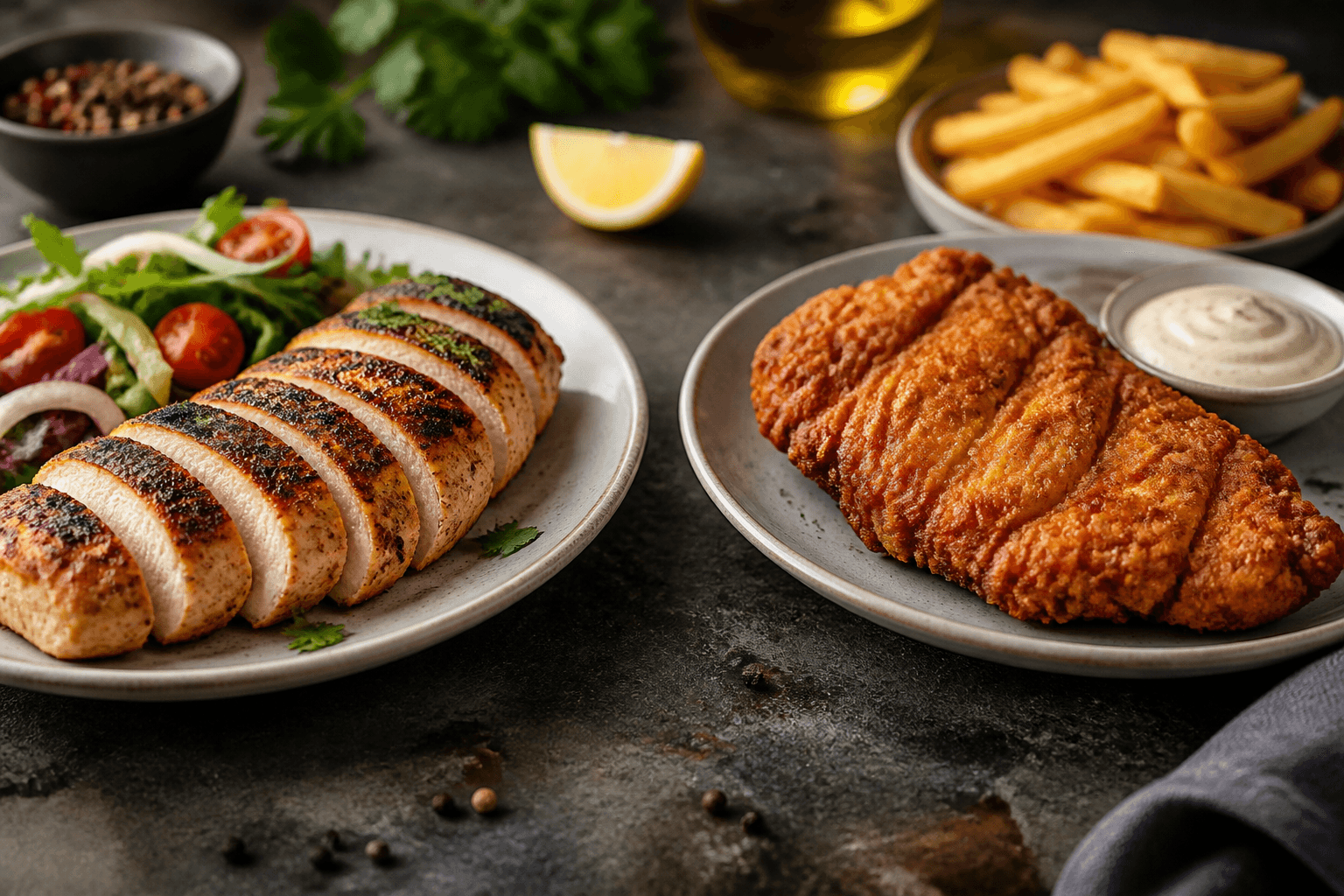
Calories in Chicken Breast: 100 g, One Breast, Grilled vs Fried
Chicken breast has 165 kcal per 100 g cooked. See one-breast calories, grilled and fried adjustments, and how to log it accurately.
Oct 17, 20266 min read1 views
- rice
White Rice vs Brown Rice: Calories, Protein, and Which to Pick
Brown rice is slightly lower in calories than white rice, but the gap is small. Compare cooked portions, macros, and which one fits your goal at meals.
Oct 14, 20266 min read2 views
- calorie calculator
How many calories do you need a day? Mifflin-St Jeor with worked examples
Use Mifflin-St Jeor to estimate daily calories from weight, height, age, and activity, with worked examples and portion checks.
Oct 11, 20268 min read