A Beginner's Guide to Scanning Food Photos for Calorie Estimation

In the age of technology, eating healthy has never been easier, thanks to the advent of food photo scanning. If you're new to dieting or simply looking to manage your calorie intake more effectively, this beginner's guide will walk you through the steps of using food recognition technology for accurate calorie estimation.
What is Food Photo Scanning?
Food photo scanning is a modern approach that allows you to take a picture of your meal and receive an analysis of its nutritional content, including calories, macronutrients (proteins, fats, carbohydrates), and more. This method is not only convenient but can also help you make better dietary choices on the go.
How to Use a Food Scanner
Using a calorie estimation app with food scanning capabilities is straightforward. Here’s how to get started:
Download a Calorie Estimation App: Many apps are available, such as MyFitnessPal, Lose It!, or even newer ones that specialize in food photo scanning. Check the app store for reviews that focus on this feature.
Create an Account: Most apps will require you to register. This allows you to track your meals, calories, and progress over time.
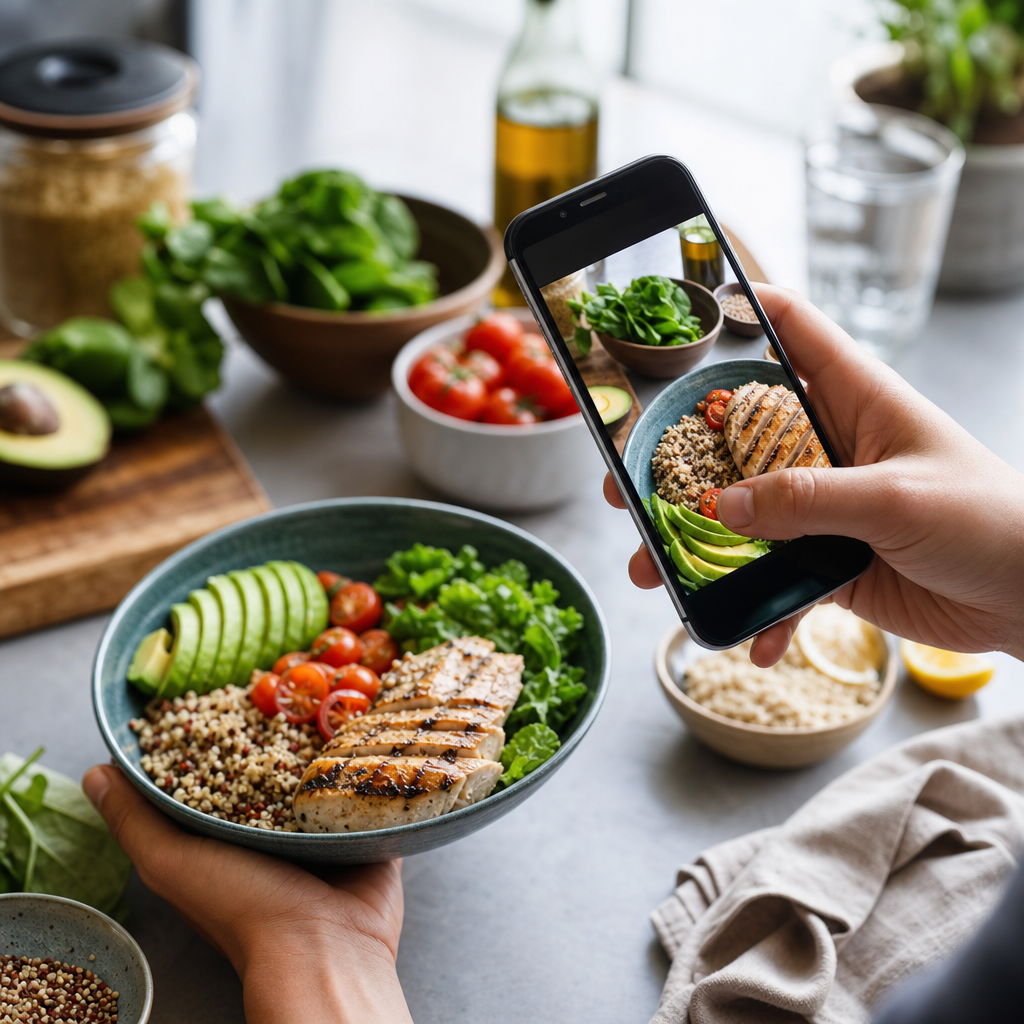
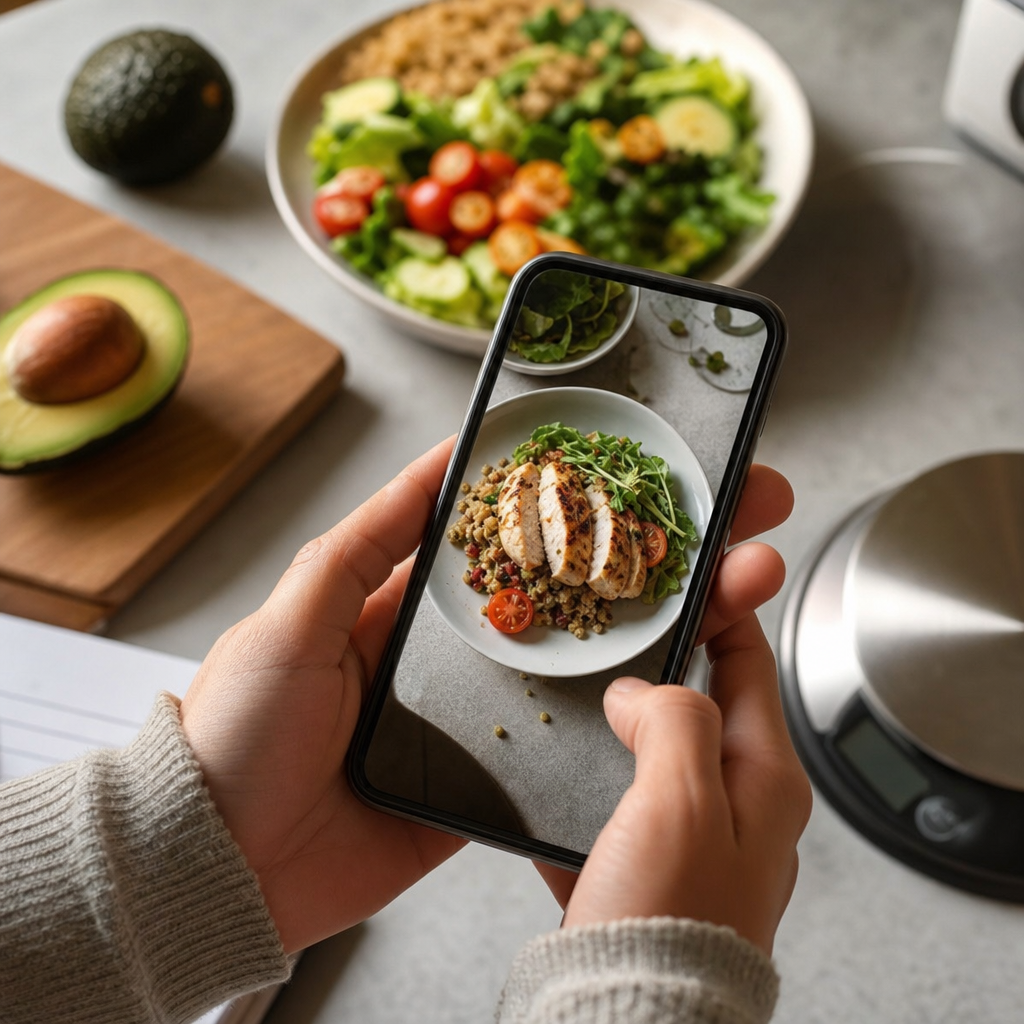
Taking Photos of Your Food: Simply position your phone over your meal and take a clear, well-lit photo. Make sure to capture as much of the food as possible for accurate recognition.
Let the App Analyze: Once the photo is taken, the app will use food recognition technology to analyze the image. In seconds, it will provide you with an estimate of the calories and nutritional breakdown of your meal.
Review and Adjust: Look over the estimated values. If you believe the prediction is off—perhaps due to portion sizes or ingredients—many apps allow you to edit the information.
Benefits of Food Photo Scanning
- Convenience: No need for complicated calculations or manual entries.
- Real-Time Insights: You get instant feedback on your meals, helping you stay accountable.
- Track Trends Over Time: Many apps allow you to track your caloric intake and nutrients over days, weeks, and months.
- Portion Control: By realizing what constitutes a serving size, you can adjust your eating habits accordingly.
Limitations to Keep in Mind
While food photo scanning is an incredible tool, it's important to note its limitations:
- Accuracy: No app is perfect; there might be inaccuracies with complex dishes or homemade items.
- Hidden Ingredients: If you're scanning a dish prepared by someone else, you may not know every ingredient that went into it.
- Visual Recognition Challenges: Foods with similar appearances may lead to miscalculations.
Practical Examples of Food Scanning
- Salad: A standard green salad with dressing can range from 150 to 300 calories. Scanning helps you get precise values based on included ingredients.
- Fast Food: If you grab a burger, a scanner might tell you it contains 800 calories, allowing you to balance your meal with lighter options afterward.
Conclusion
Using food photo scanning is an innovative method to assist you in your journey toward healthier eating. Remember, it’s not just about counting calories but making informed decisions about your diet. With a calorie estimation app, you can manage your weight more effectively while still enjoying the foods you love.
So, are you ready to give food photo scanning a try? Download an app today, scan your meals, and begin your journey to healthier eating!
For an even more efficient way to control your diet, consider trying our food photo scanning feature that allows you to easily upload images of your meals. Get started today, track your calories, and discover your macros effortlessly.
Cal AI
Track meals faster with Cal AI
Scan food, estimate calories, and keep your nutrition log moving without typing every ingredient.
Get the appAuthor
Cal AI Editorial Team
Practical guides on nutrition, calorie tracking, meal planning, and building healthier habits with Cal AI.
Related articles
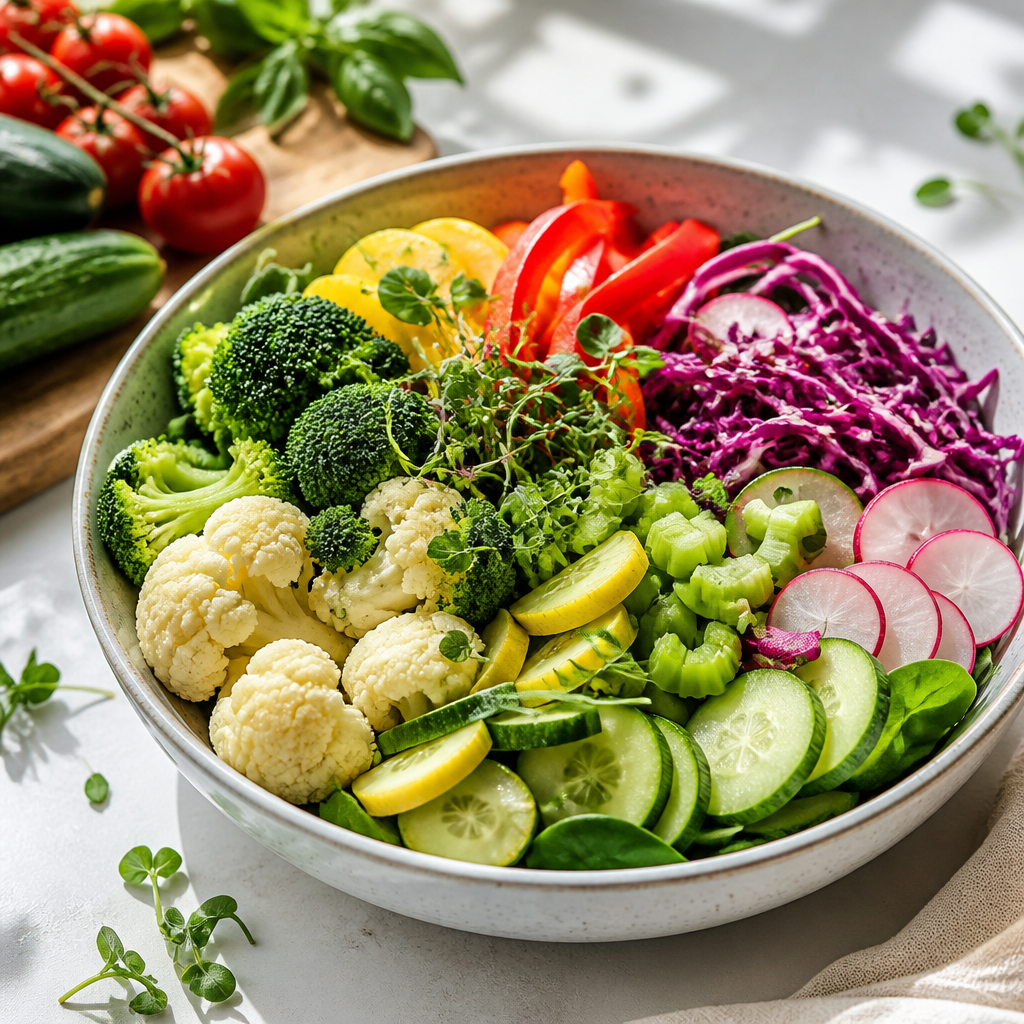 The Lowest-Calorie Vegetables Ranked: Your Guide to Guilt-Free Eating
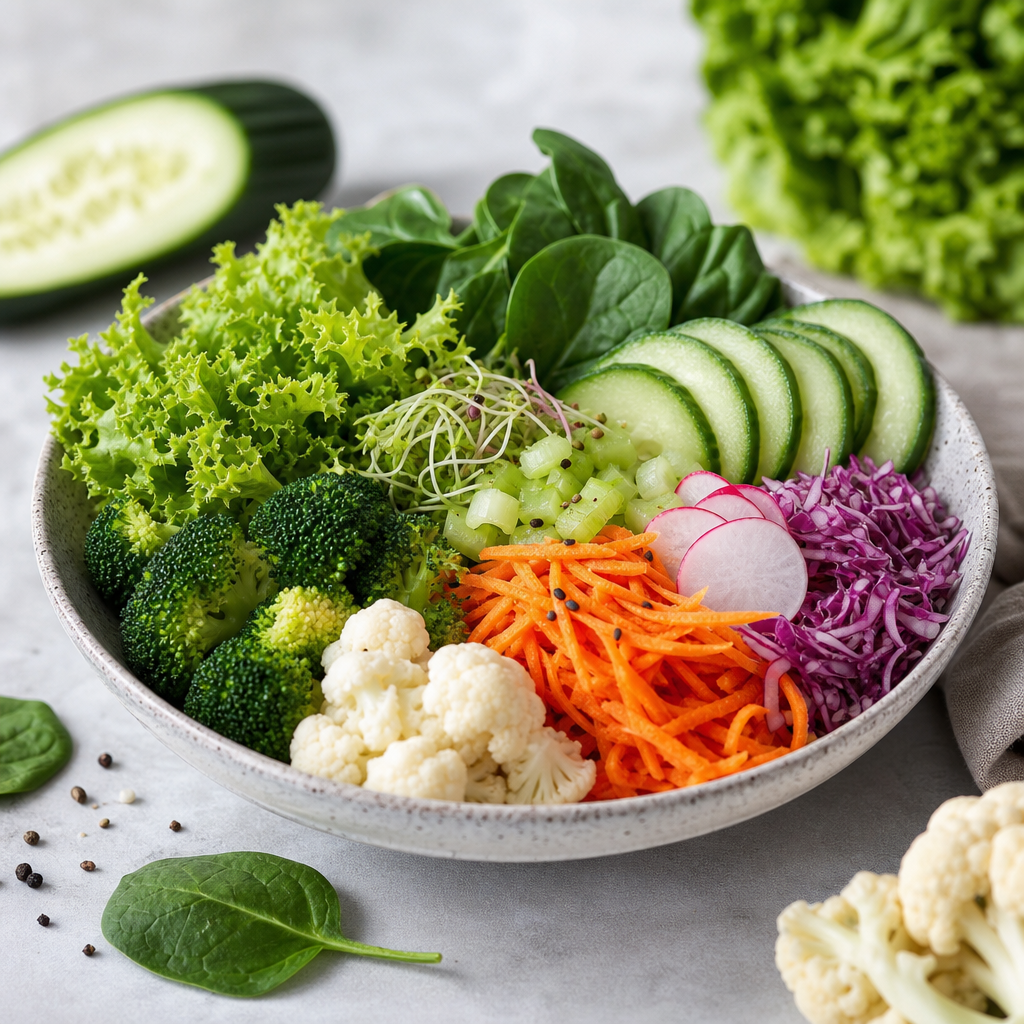 Zero-Calorie Vegetables: Myth or Reality?
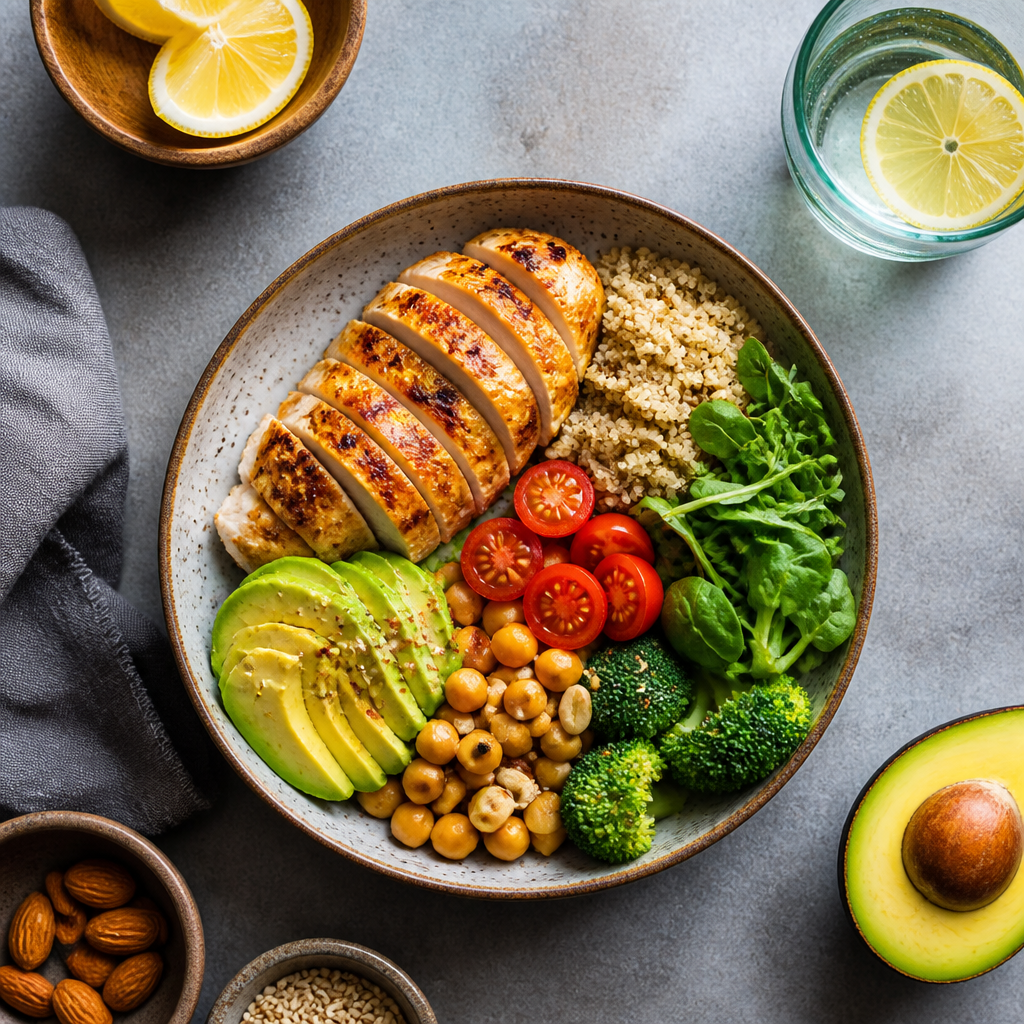 Why Weight Control Starts With Nutrition
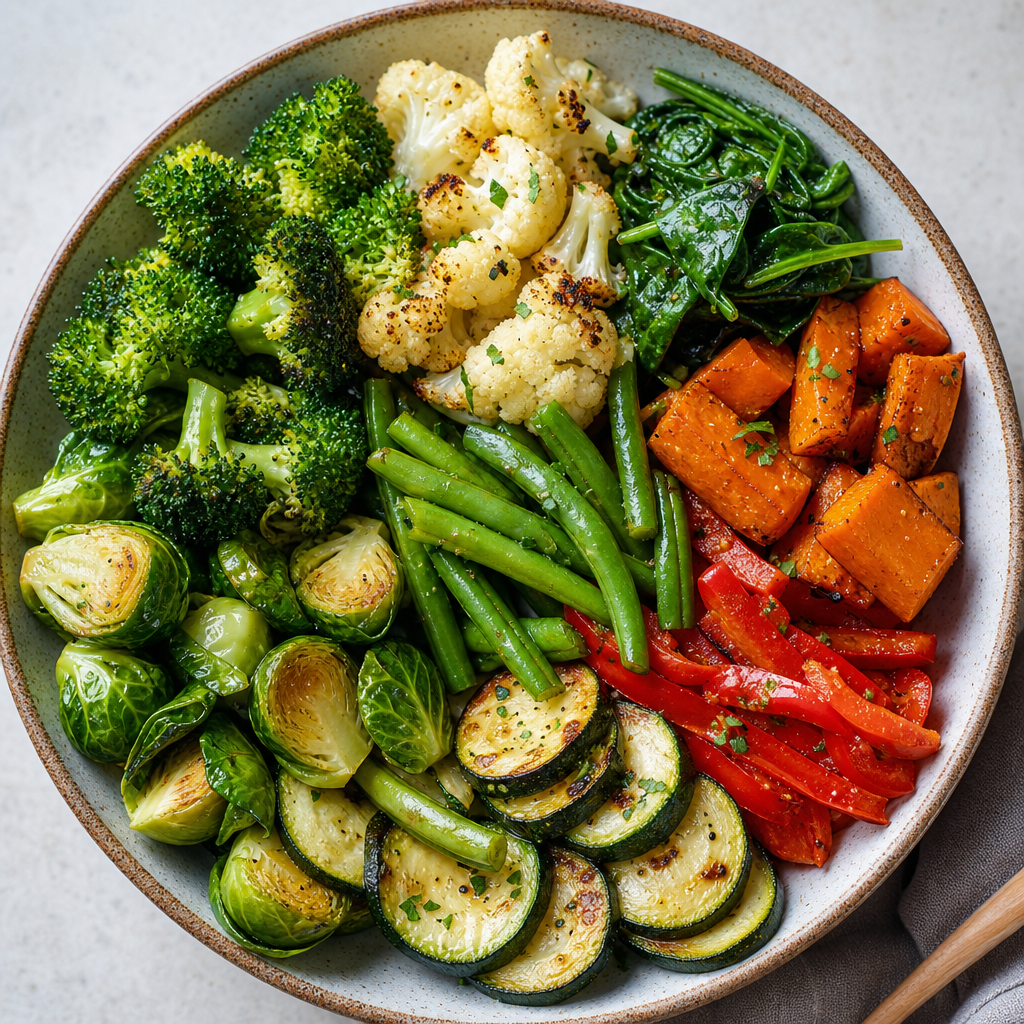 The Most Filling Vegetables for Weight Loss
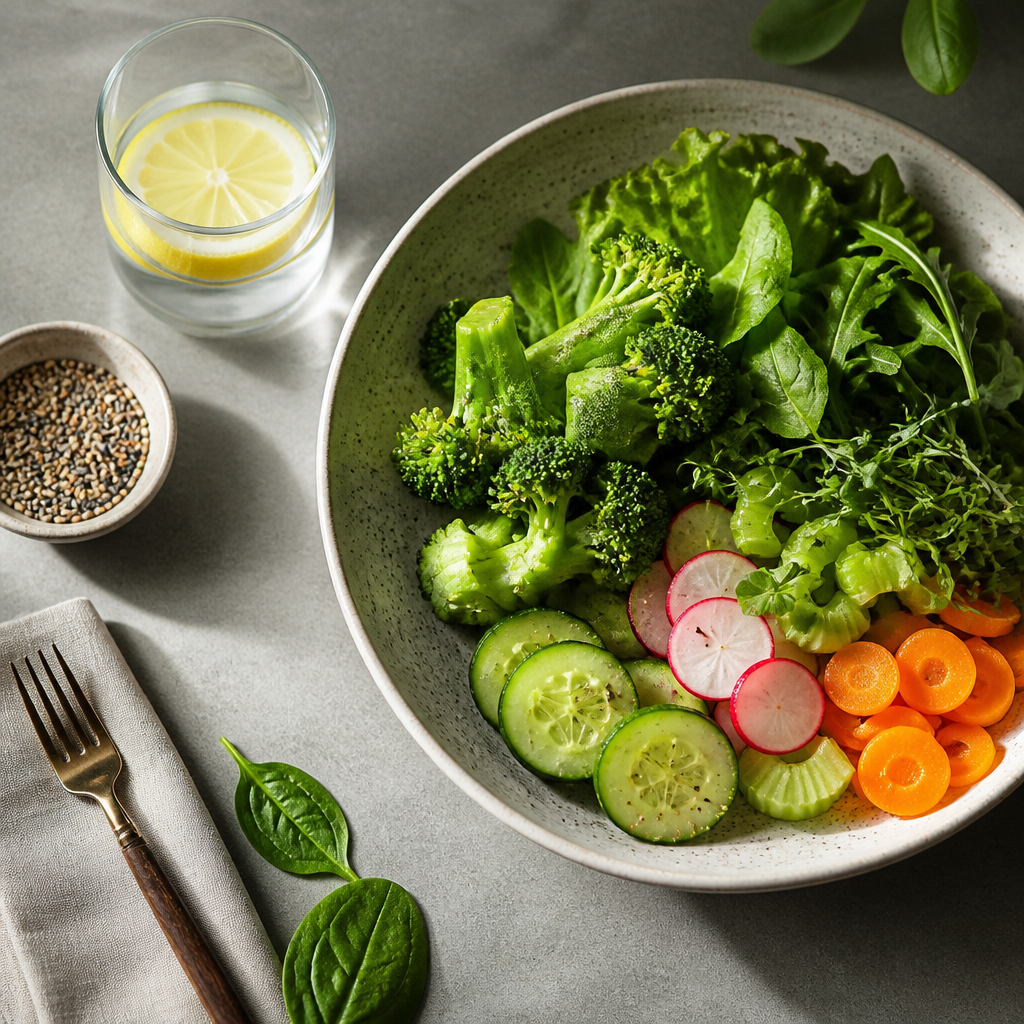 Discover the Vegetables With the Fewest Calories: Your Guide to Guilt-Free Eating
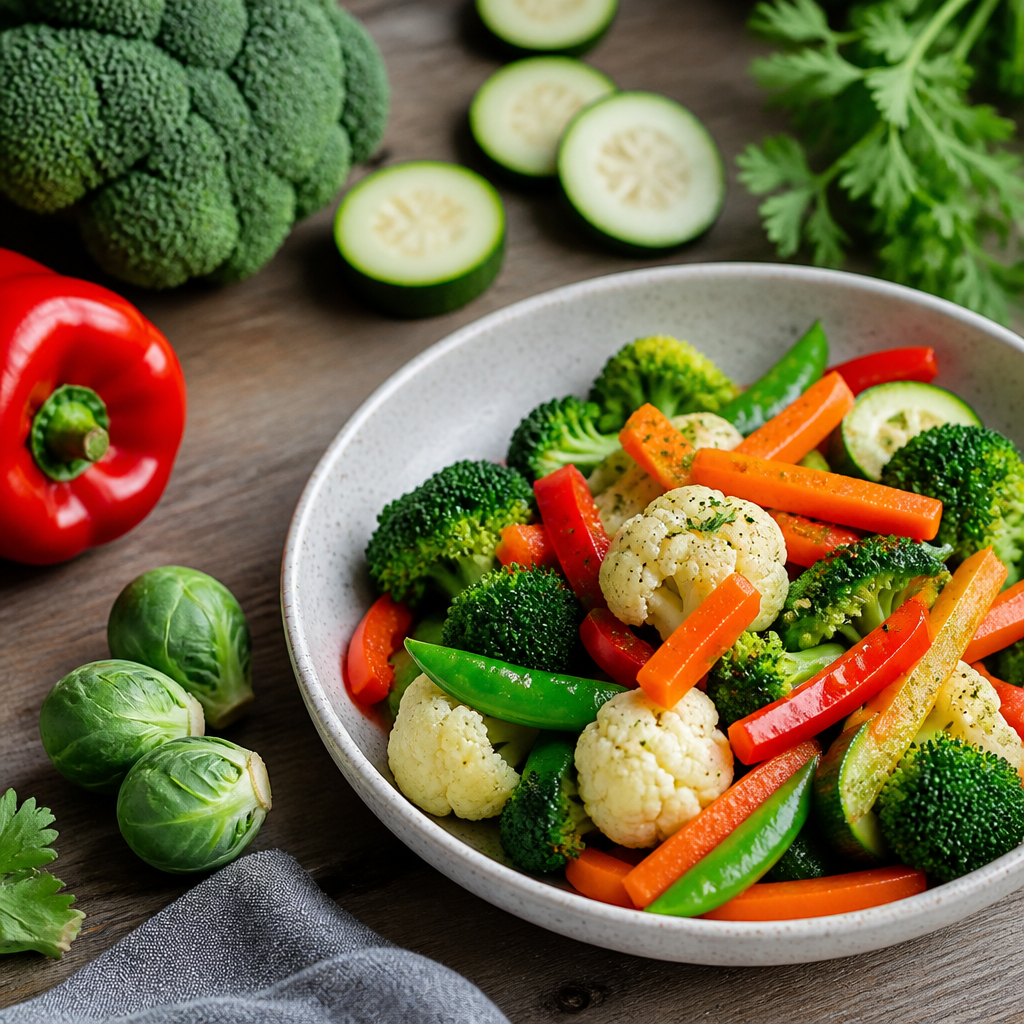 The Best Vegetables for a Calorie Deficit
 Why Strict Diets Don't Work: Understanding the Pitfalls of Extreme Restrictions
 The Best Weight Management Strategies: Proven Tactics for Success
 How to Keep a Weight Journal: Tips for Accountability and Progress Tracking
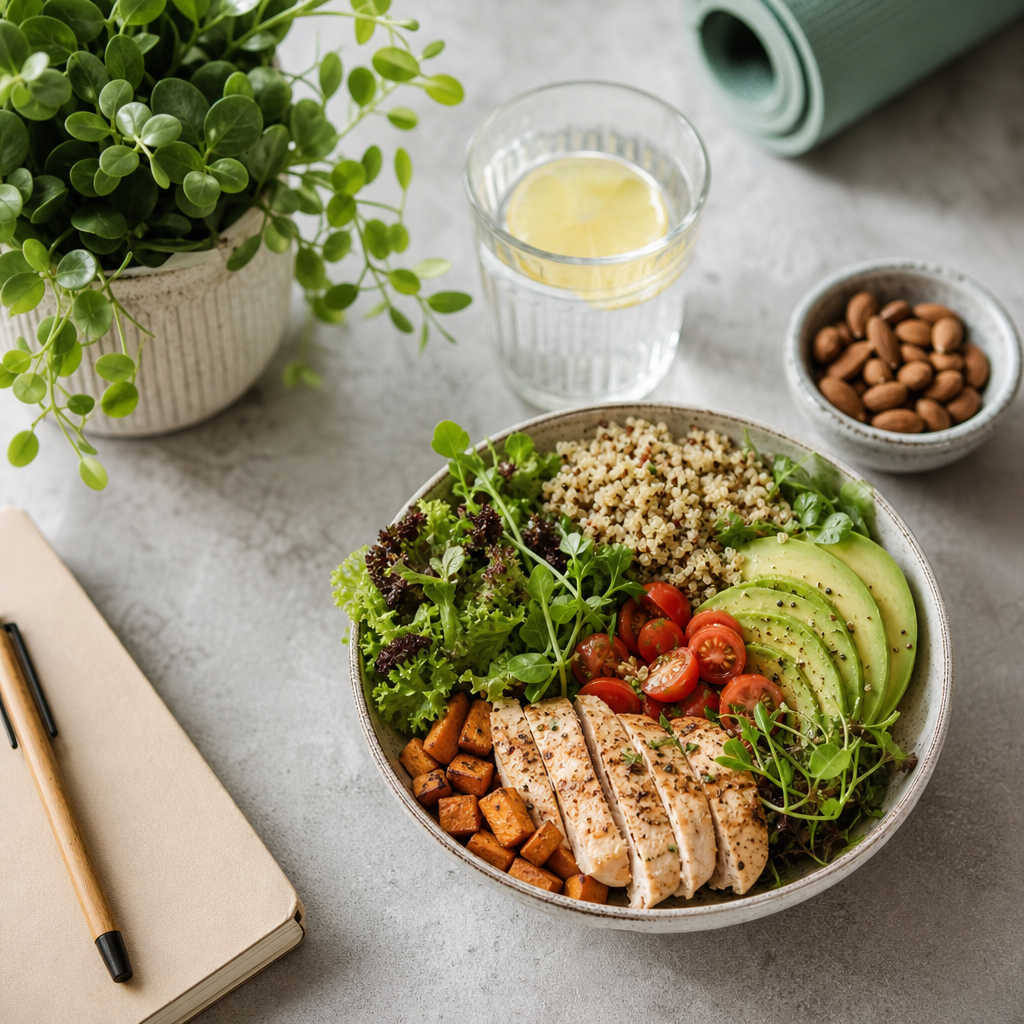 How to Lose Weight Without Stress: Embrace a Balanced Approach
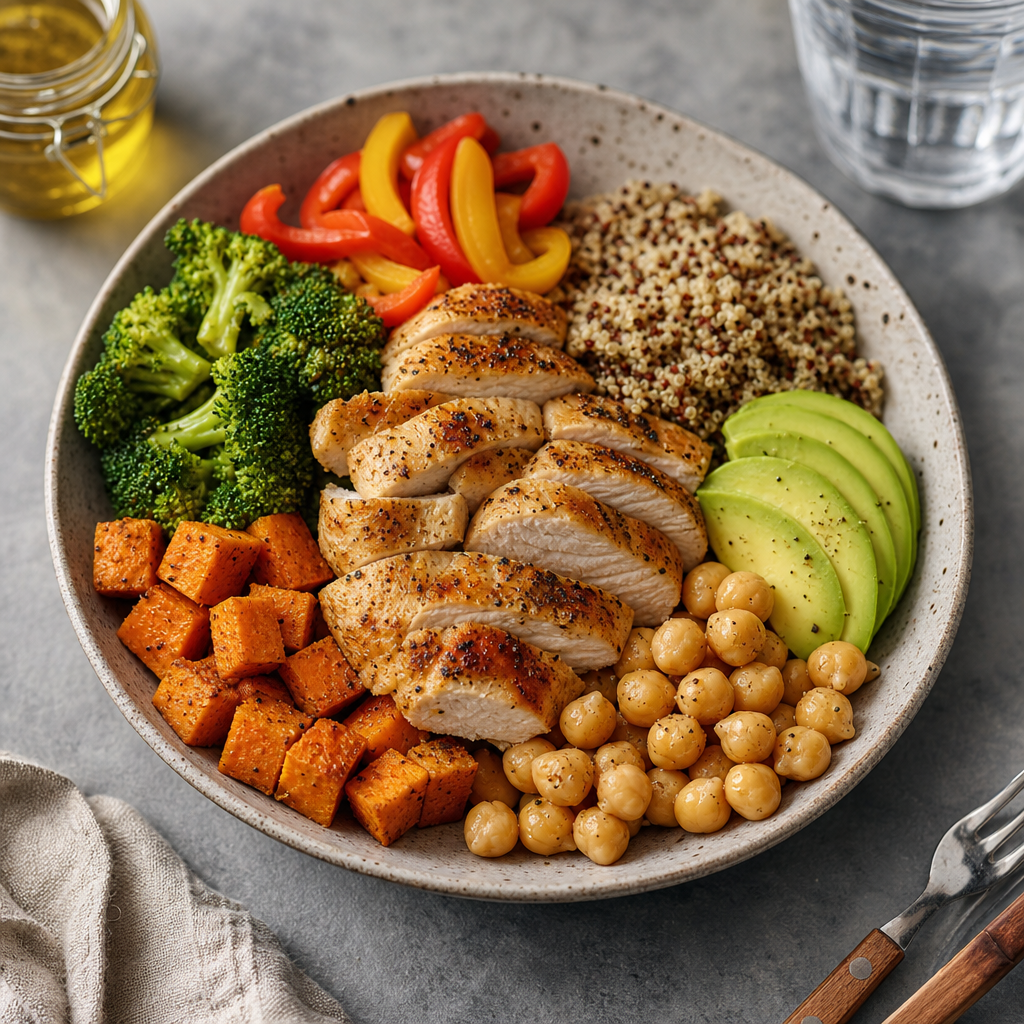 Common Macro Tracking Mistakes: Avoid These Pitfalls for Better Results
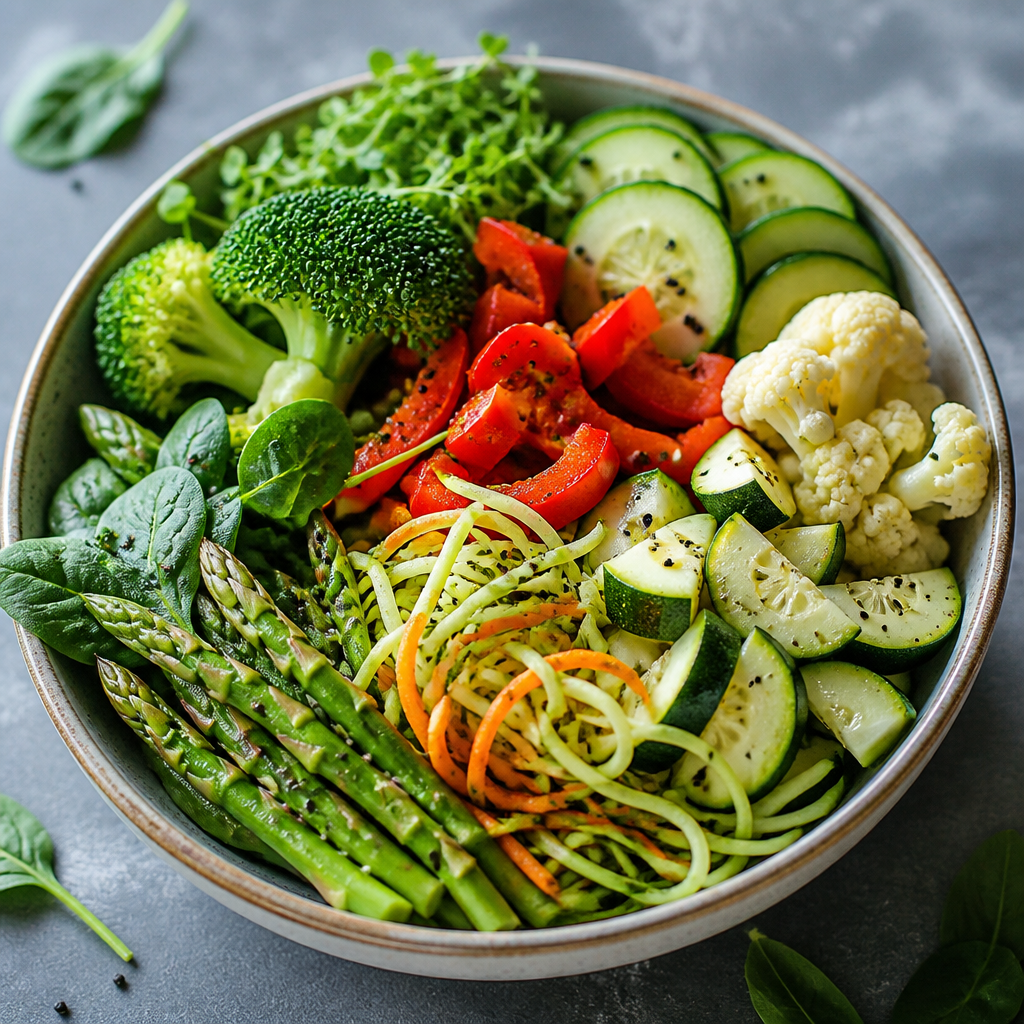 The Best Low-Calorie, Low-Carb Vegetables for Your Healthy Diet
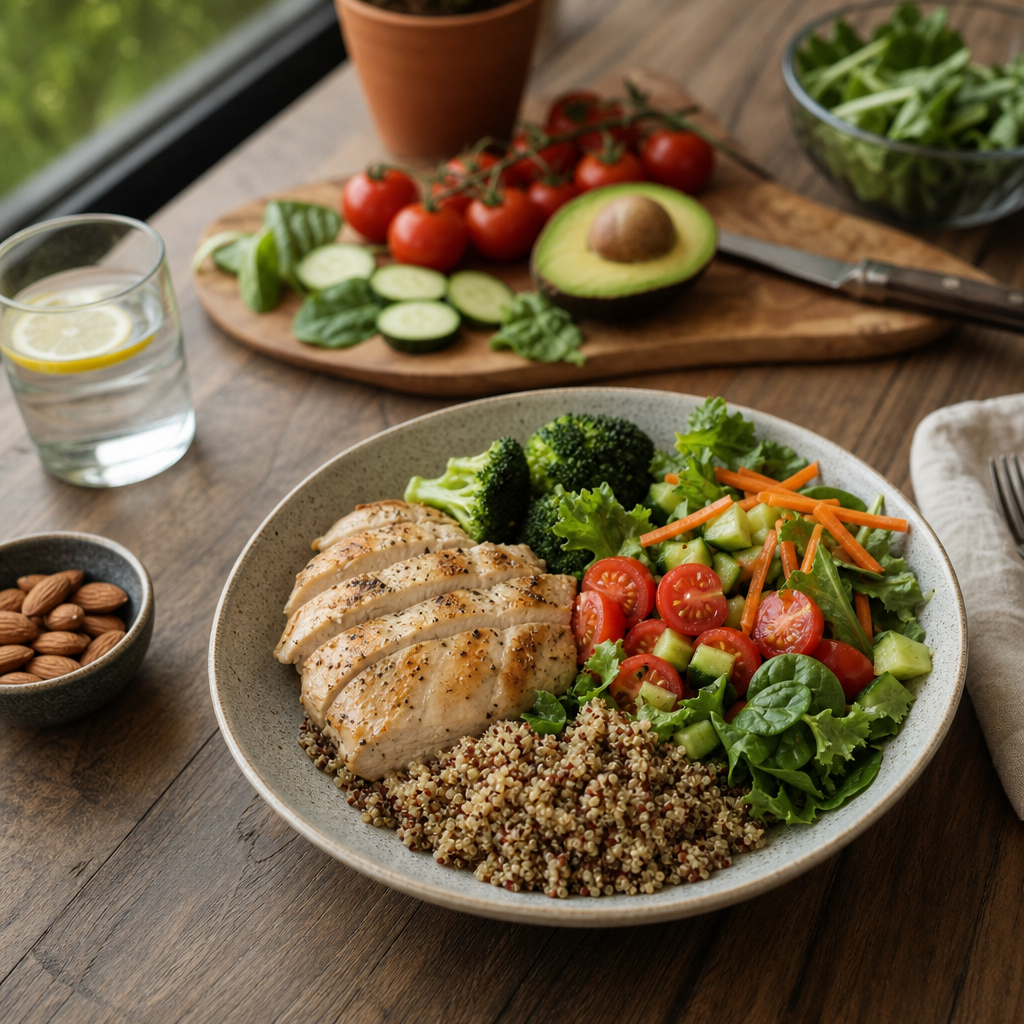 Sustainable Weight Loss Explained: Your Guide to Long-Term Success
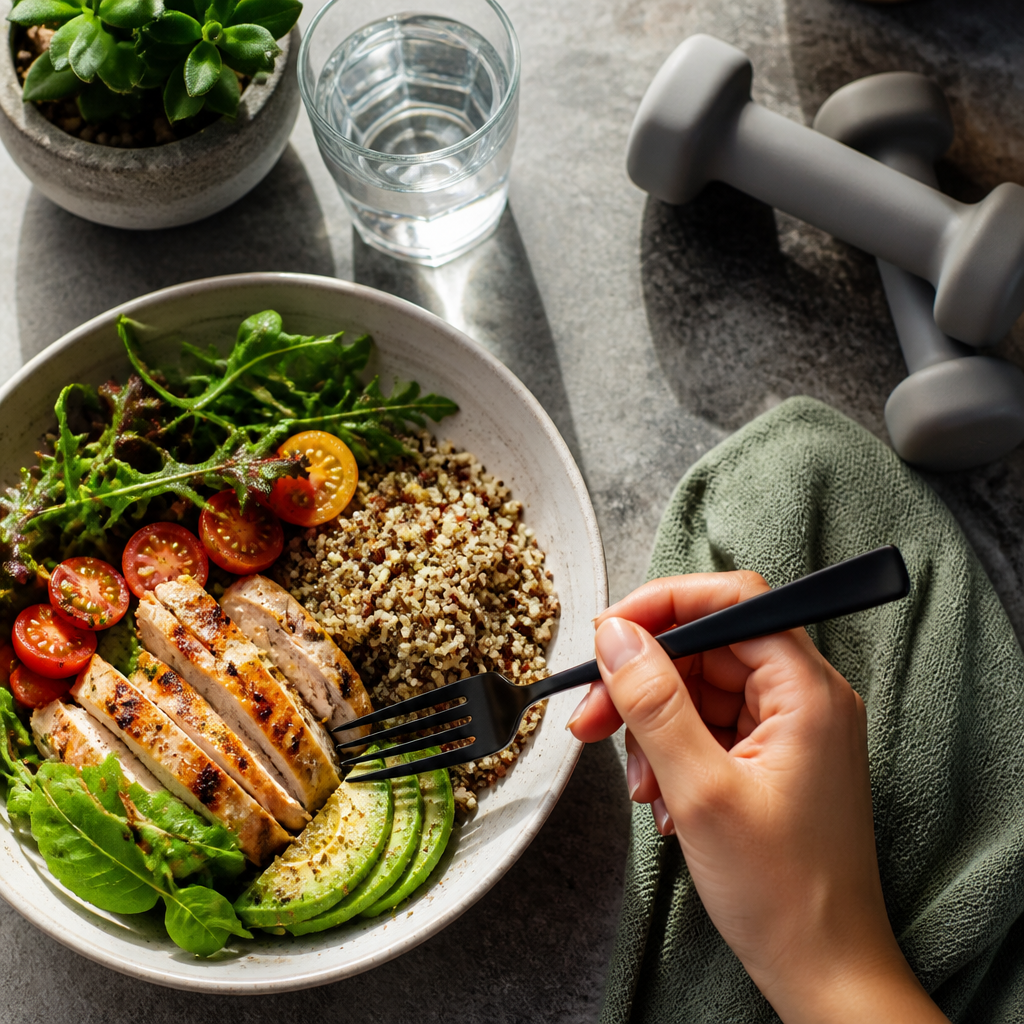 How to Control Your Weight With Calorie Tracking
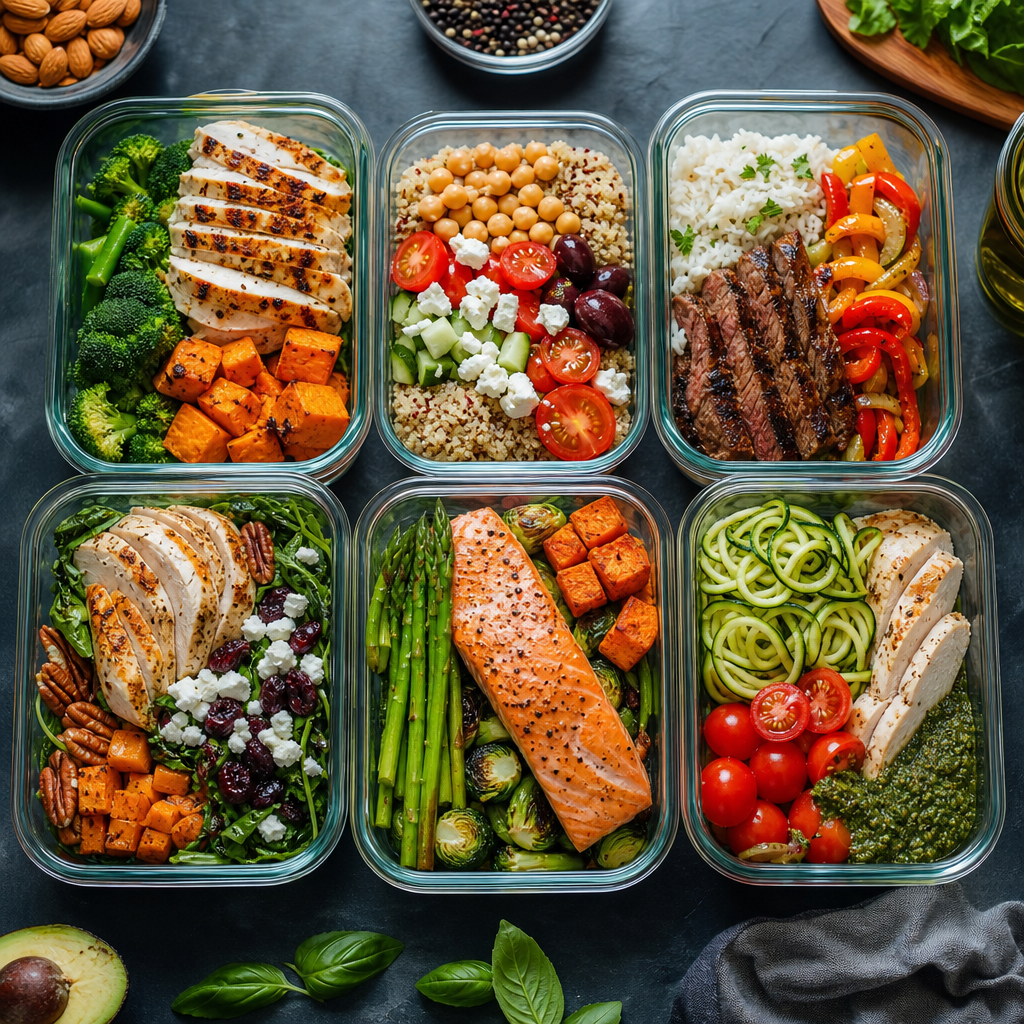 How to Build a Macro-Based Meal Plan: Your Ultimate Guide to Meal Prepping
 How to Track Macros Automatically: A Tech-Savvy Guide
 Macro Tracking for Beginners: Your Ultimate Guide to Nutritional Success
 How Many Calories Are in an Orange?
 Which Vegetables Keep You Full the Longest?
 How Many Calories Are in a Cucumber? Unveiling the Secrets of This Superfood
 How Many Calories Are in a Banana?
 The Healthiest Vegetables for Weight Loss: Your Ultimate Guide
 The Best Vegetables for Dinner: Nourishing Your Body While Losing Weight
 How Many Calories Are in Broccoli? An In-Depth Look
 How Many Calories Are in a Potato? Unpacking the Nutritional Value
 How to Estimate Calorie Counts Visually: A Guide for Impromptu Dieters
 Как считать калории в ресторане: Практическое руководство
 Формула Харриса-Бенедикта простыми словами
 Главные ошибки подсчета калорий
 Как считать калории без весов: Практическое руководство для диетчиков