Advanced Food Logging Techniques for Serious Trackers
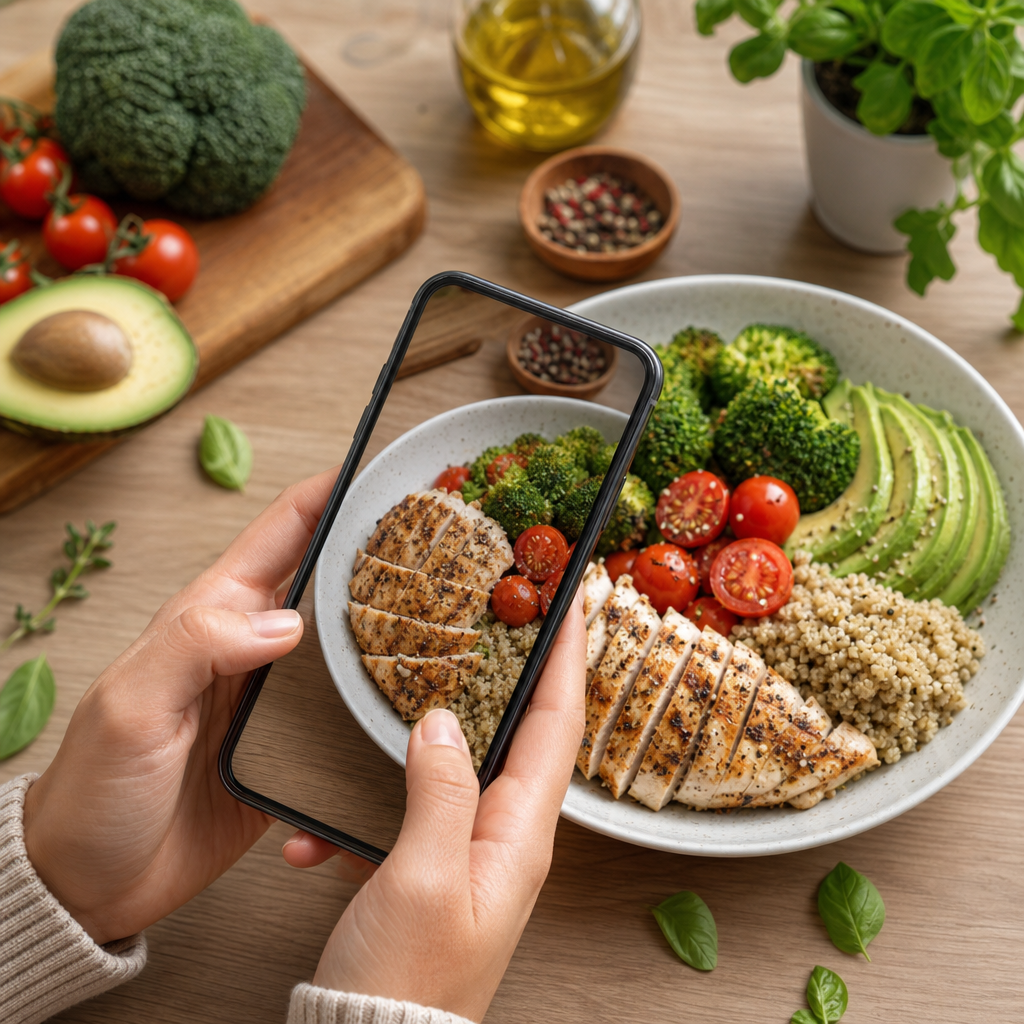
For those serious about calorie tracking, finding effective food logging techniques can be the cornerstone of achieving and maintaining your health goals. While basic logging methods can encourage accountability, advanced food logging techniques bring precision to the forefront, helping you to track with greater accuracy and ease. In this article, we’ll explore some specialized strategies to elevate your food tracking game.
1. Utilize a Food Inventory System
An effective food inventory management system is crucial for serious trackers. This involves keeping an organized list of food items you frequently eat, along with their calorie counts and macronutrient breakdowns. Some ways to manage this include:
- Creating a Spreadsheet: Set up a Google Sheets or Excel document where you can list your common foods, portions, brands, and corresponding nutrition facts. Update it regularly as you discover new favorites.
- Using Apps: Many nutrition apps allow users to input their food inventory, making tracking easier with quick access to nutritional information. Some popular apps include MyFitnessPal and Cronometer.
2. Macro-Tracking with Precision
If you’re looking to optimize your body composition, focusing on macronutrient ratios can be valuable. Instead of solely tracking calories, consider the following advanced macro-tracking methods:
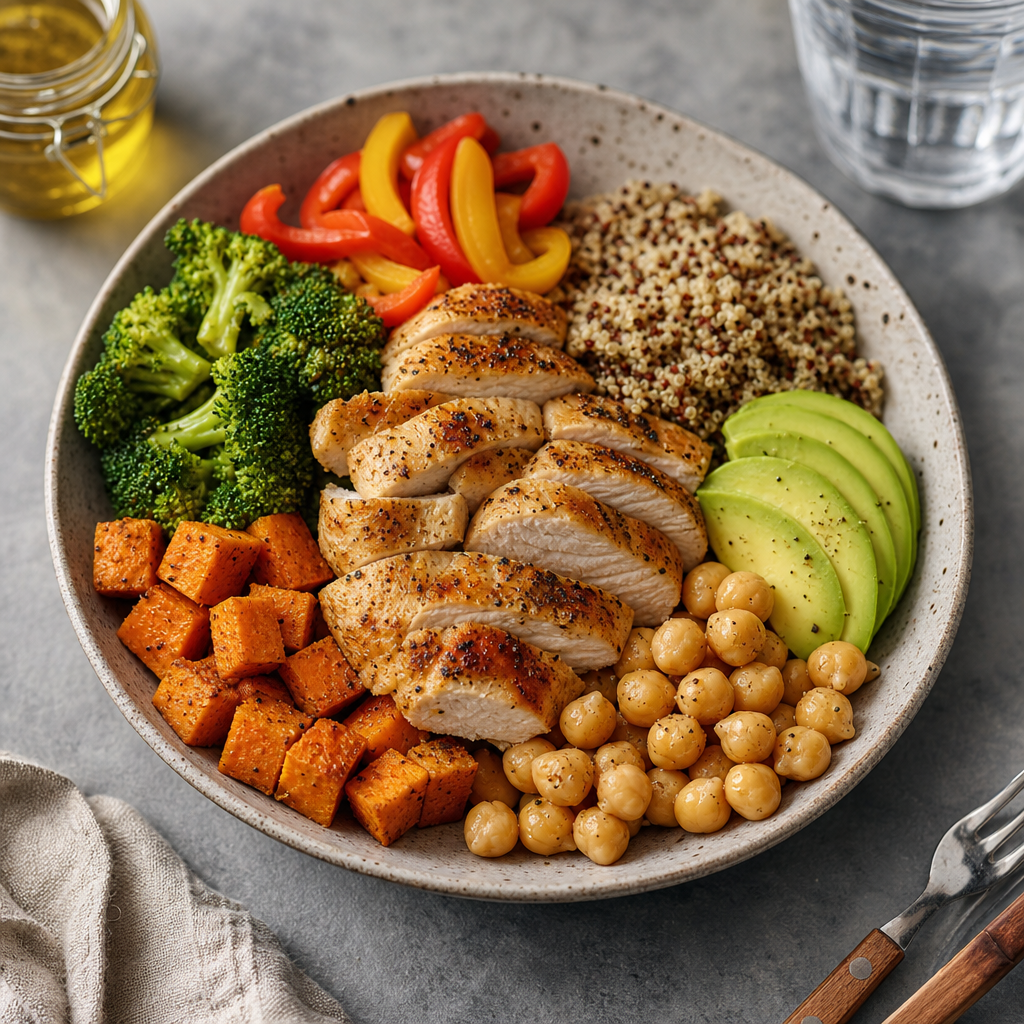
- Food Scale Usage: For the most accurate measurements, invest in a digital food scale. Weighing your food helps you understand exact portion sizes and their caloric contributions. A cup of cooked quinoa can look different depending on how it's prepared; weighing ensures consistent tracking.
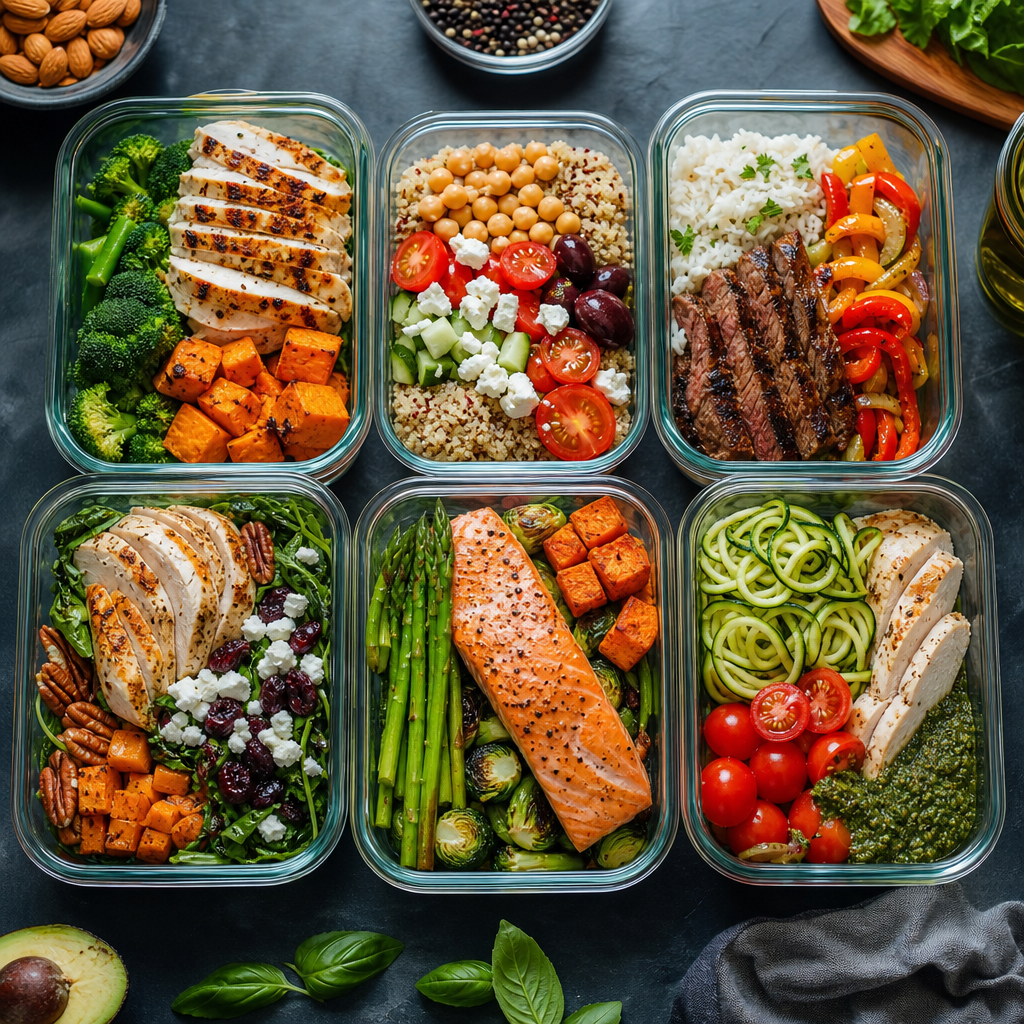
- Batch Cooking & Logging: When preparing meals in bulk, log your ingredients before cooking. After cooking, portion your meals accurately and label each container with its calorie and macronutrient content.
3. Photo-Based Tracking
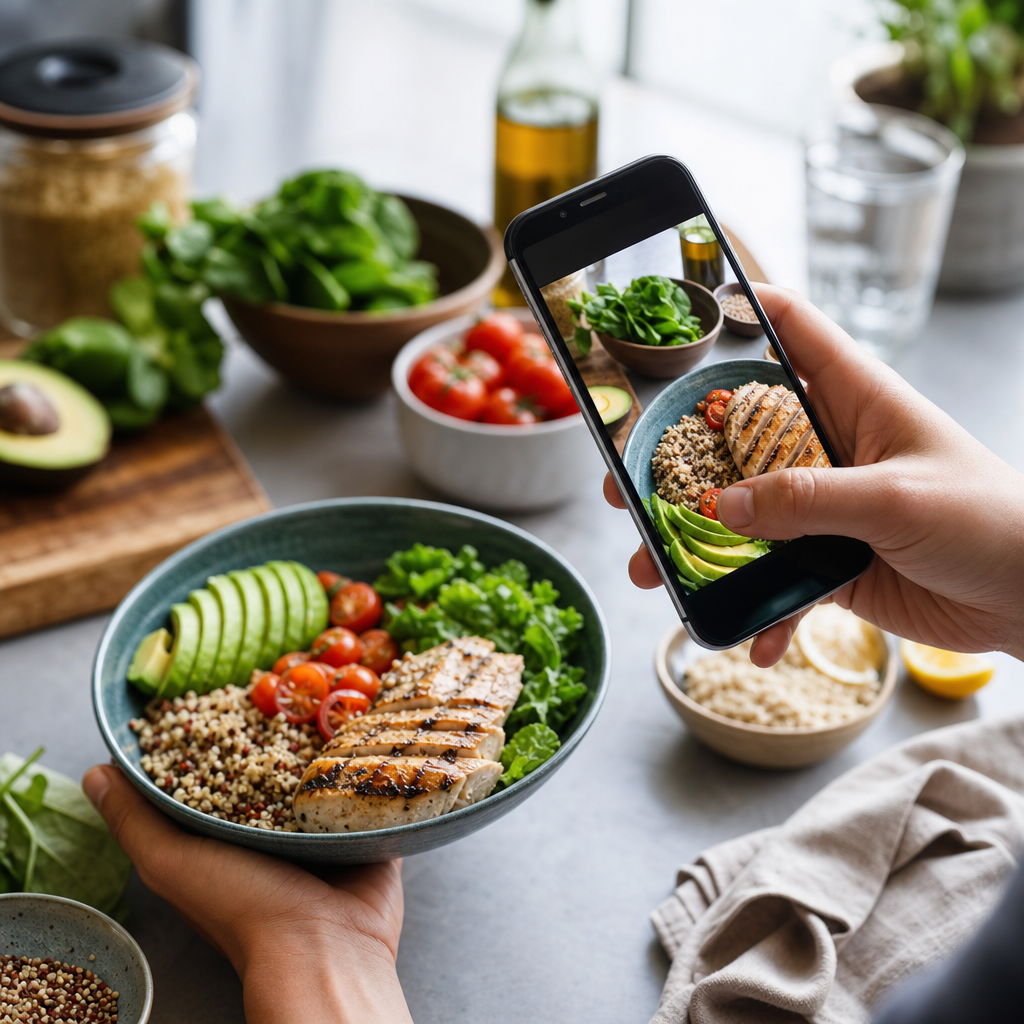
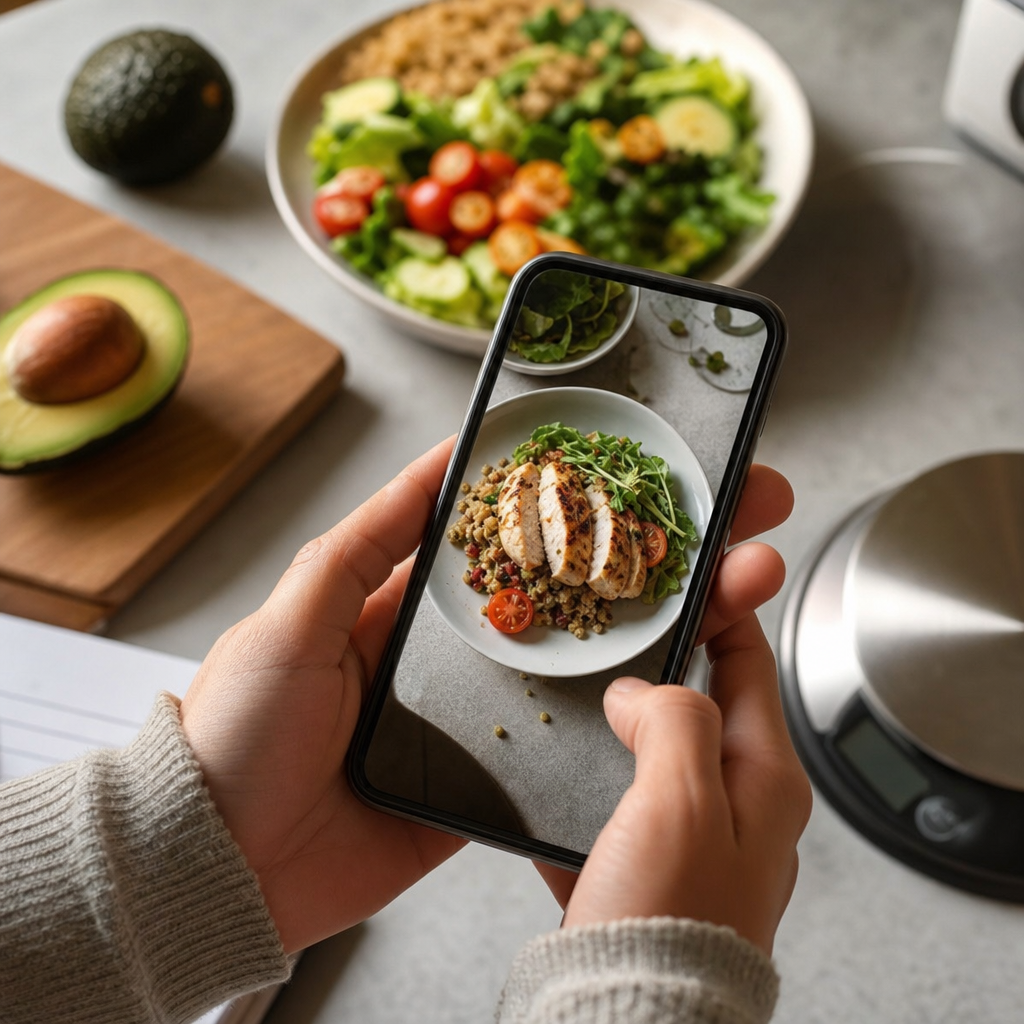
Recent advancements in technology have made photo-based food tracking possible. Utilize smartphone applications that use artificial intelligence to scan and analyze meals from a photo, providing an estimate of calories and BJU content. This can save time and reduce the hassle of manual logging.
- Tips for Effective Photo Logging:
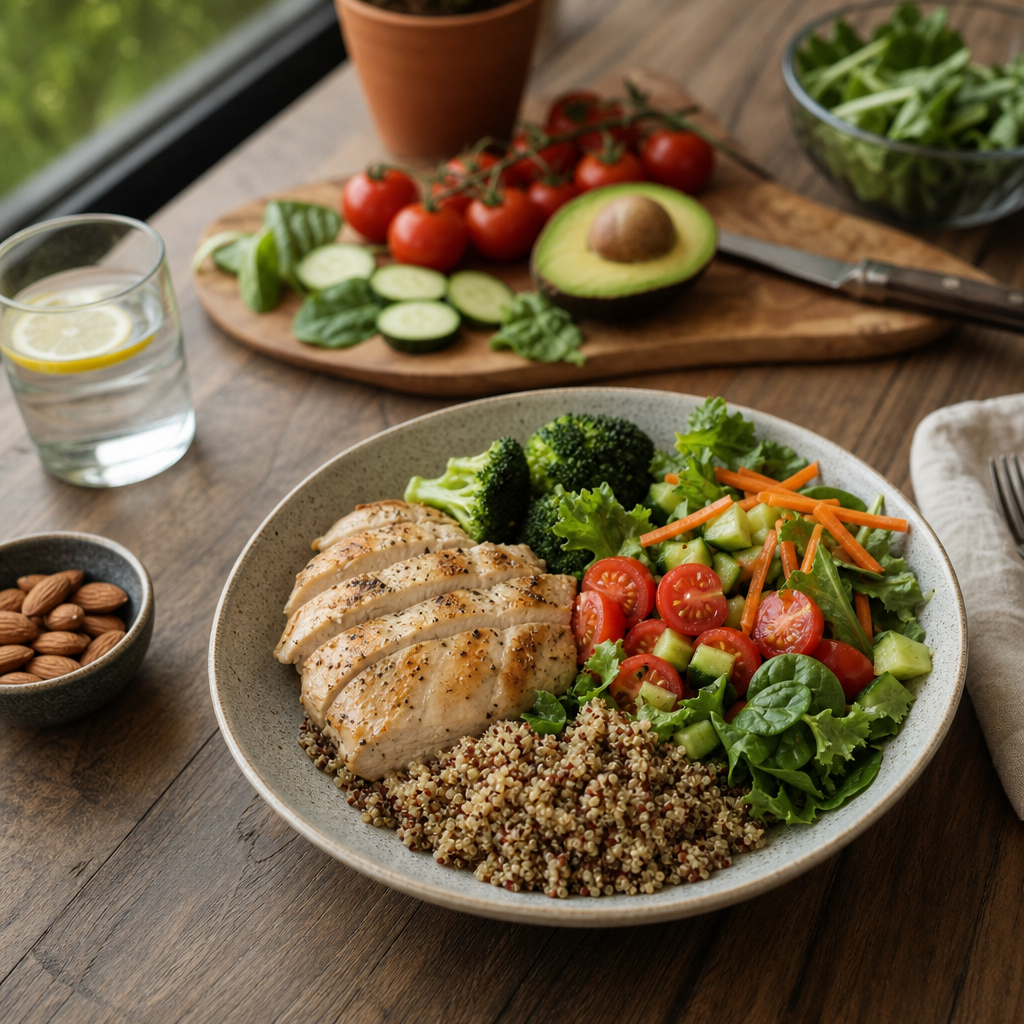
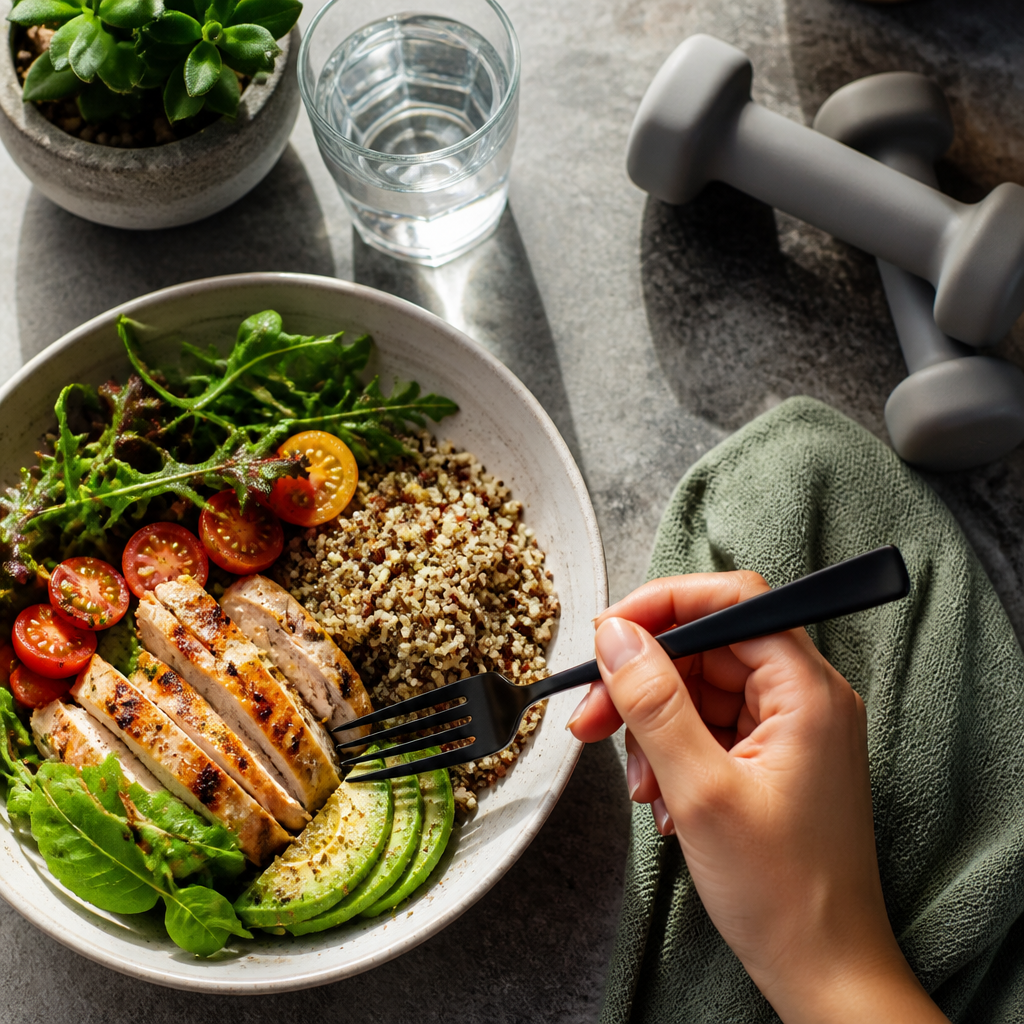
- Take clear, well-lit photos showcasing the entire meal, including utensils and portion sizes for context.
- Use a consistent background to maintain tracking accuracy across different meals.
4. Mindful Eating Practices
Advanced food logging isn’t solely about numbers; it’s also about integrating mindfulness into your eating habits. This can greatly influence behavior and accountability:
- Journal Your Feelings: Pair your food log with a feelings journal. Note how you felt before, during, and after meals to identify emotional eating triggers or cravings for specific foods.
- Track Your Physical Responses: Make notes about how your body feels after certain meals. This additional layer can help you understand how specific food items affect you, aiding in the selection of healthier choices moving forward.
5. Periodic Reviews
Establish a routine for reviewing your food log on a weekly or monthly basis. Analyze patterns, identify if you're meeting your macronutrient goals, and adjust as necessary. This reflective practice fosters a deeper understanding of your eating habits and their impact on your health journey.
Conclusion
For serious calorie trackers, embracing these advanced food logging techniques can transform your approach to nutrition. By investing time in precise logging, utilizing tech innovations, and integrating mindfulness into eating, you'll gain valuable insights that facilitate your fitness and health goals. Ready to enhance your journey? Start logging food photos today!
Engage with Technology: Want to take your food tracking further? Upload your meal photos to our nutrition app! Our AI will quickly analyze the calories and macronutrient breakdown, helping you stay on track effortlessly.
Cal AI
Track meals faster with Cal AI
Scan food, estimate calories, and keep your nutrition log moving without typing every ingredient.
Get the appAuthor
Cal AI Editorial Team
Practical guides on nutrition, calorie tracking, meal planning, and building healthier habits with Cal AI.
Related articles
 The Lowest-Calorie Vegetables Ranked: Your Guide to Guilt-Free Eating
 Zero-Calorie Vegetables: Myth or Reality?
 Why Weight Control Starts With Nutrition
 The Most Filling Vegetables for Weight Loss
 Discover the Vegetables With the Fewest Calories: Your Guide to Guilt-Free Eating
 The Best Vegetables for a Calorie Deficit
 Why Strict Diets Don't Work: Understanding the Pitfalls of Extreme Restrictions
 The Best Weight Management Strategies: Proven Tactics for Success
 How to Keep a Weight Journal: Tips for Accountability and Progress Tracking
 How to Lose Weight Without Stress: Embrace a Balanced Approach
 Common Macro Tracking Mistakes: Avoid These Pitfalls for Better Results
 The Best Low-Calorie, Low-Carb Vegetables for Your Healthy Diet
 Sustainable Weight Loss Explained: Your Guide to Long-Term Success
 How to Control Your Weight With Calorie Tracking
 How to Build a Macro-Based Meal Plan: Your Ultimate Guide to Meal Prepping
 How to Track Macros Automatically: A Tech-Savvy Guide
 Macro Tracking for Beginners: Your Ultimate Guide to Nutritional Success
 How Many Calories Are in an Orange?
 Which Vegetables Keep You Full the Longest?
 How Many Calories Are in a Cucumber? Unveiling the Secrets of This Superfood
 How Many Calories Are in a Banana?
 The Healthiest Vegetables for Weight Loss: Your Ultimate Guide
 The Best Vegetables for Dinner: Nourishing Your Body While Losing Weight
 How Many Calories Are in Broccoli? An In-Depth Look
 How Many Calories Are in a Potato? Unpacking the Nutritional Value
 How to Estimate Calorie Counts Visually: A Guide for Impromptu Dieters
 Как считать калории в ресторане: Практическое руководство
 Формула Харриса-Бенедикта простыми словами
 Главные ошибки подсчета калорий
 Как считать калории без весов: Практическое руководство для диетчиков