Achieving Your Protein Goals Without Overcomplicating: Simple Strategies for Success
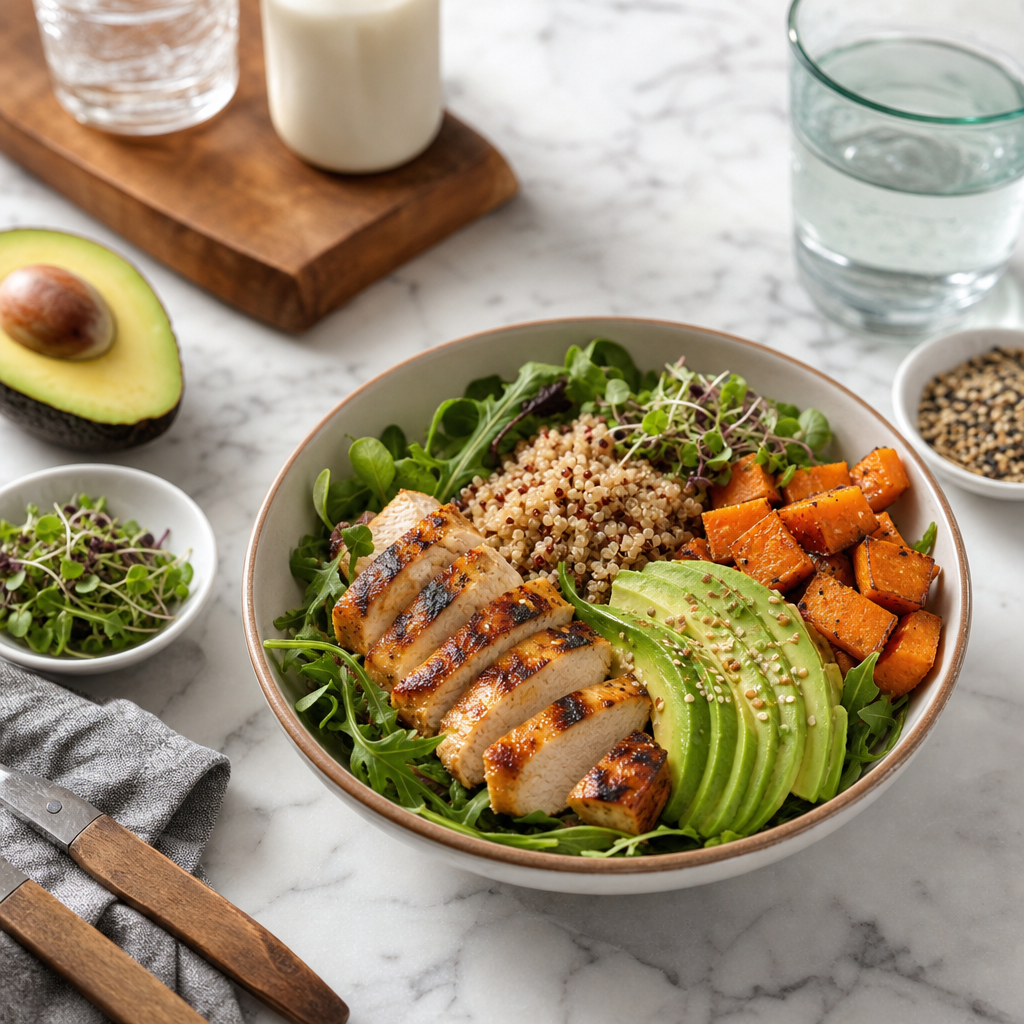
In today's health-focused landscape, protein has become a hot topic for those looking to build muscle, lose weight, or simply maintain a healthy lifestyle. Yet, for many, the pursuit of meeting daily protein goals can often feel overwhelming. With a myriad of complicated diets and recommendations out there, it’s easy to get lost in the details. In this article, we'll explore straightforward strategies to reach your protein goals without the fuss.
Understand Your Protein Needs
First and foremost, it’s essential to know how much protein you actually need. The general guideline is:
- Sedentary Adults: 0.8 grams of protein per kilogram of body weight.
- Active Individuals: 1.2 to 1.7 grams per kilogram, depending on the intensity of the activity.
For example, if you weigh 70 kg and are moderately active, aim for around 84 to 119 grams of protein per day.
Keep It Simple: Incorporate Protein-Rich Foods
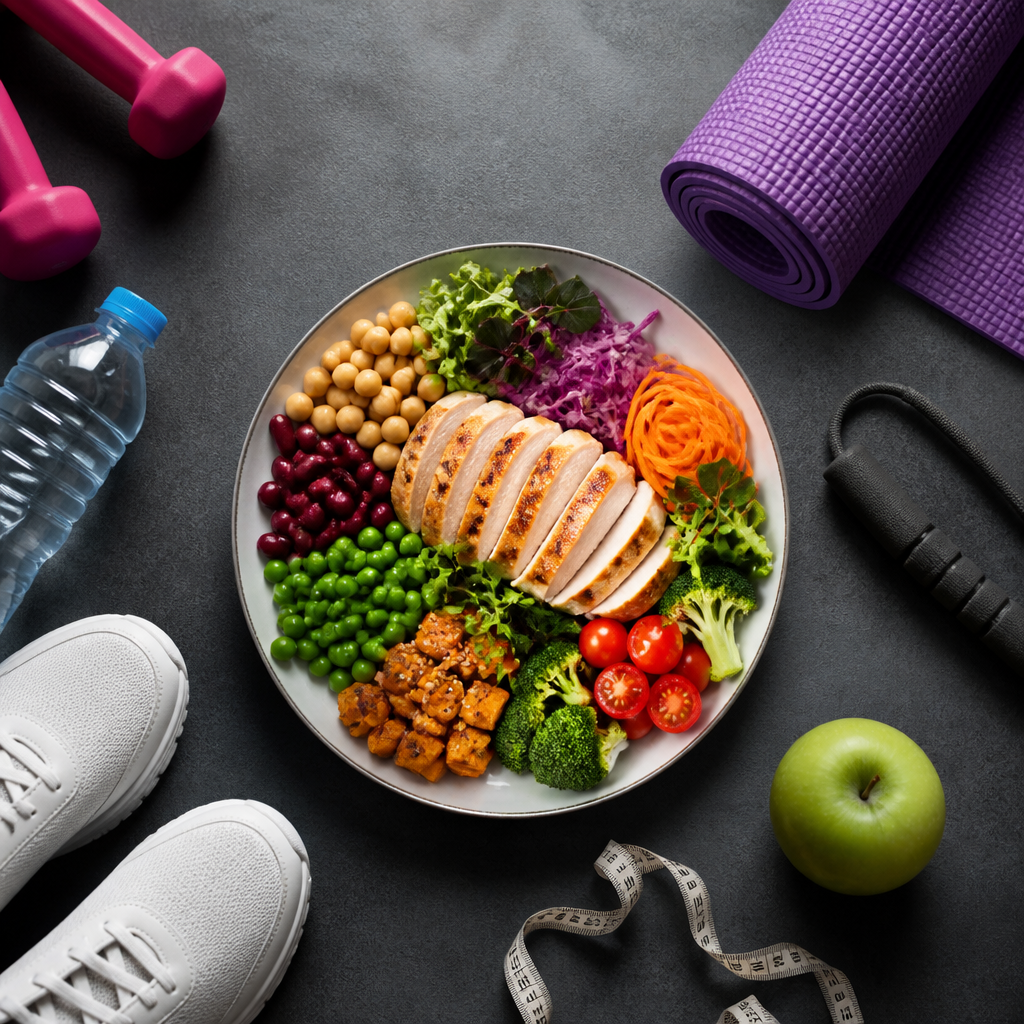
One of the easiest ways to hit your protein goals is by incorporating a variety of protein-rich foods into your diet. Here are some staples to consider:
- Lean Meats: Chicken breast, turkey, beef, and pork offer high amounts of protein with fewer calories.
- Fish: Salmon, tuna, and cod are great sources and also provide healthy fats.
- Dairy: Greek yogurt, cottage cheese, and low-fat milk are not only excellent for protein but also provide calcium.
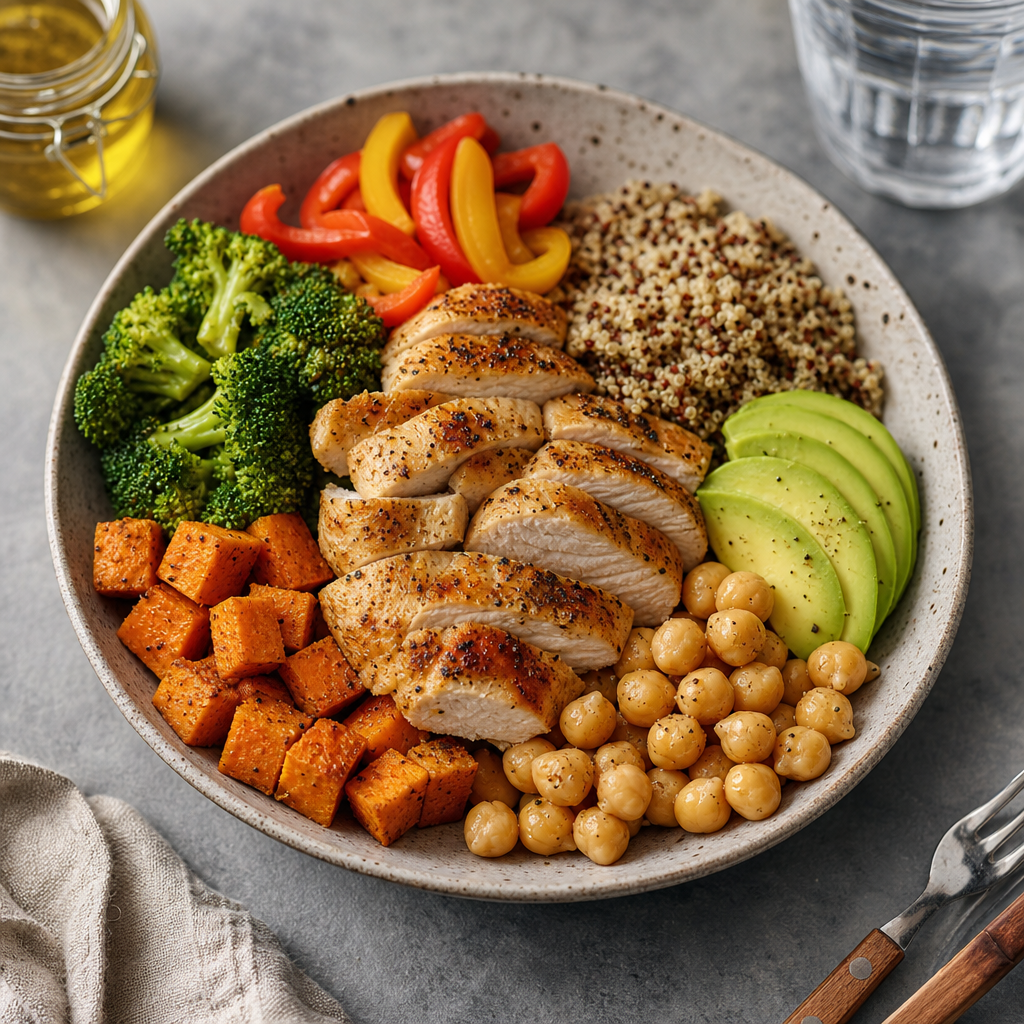
- Plant-Based: Legumes (beans, lentils), nuts, seeds, and whole grains (quinoa, brown rice) can also contribute significantly to your protein intake.
Meal Ideas for Easy Protein Incorporation
Instead of overthinking meals, choose quick and simple combinations:
- Breakfast: Scrambled eggs with spinach and feta cheese, Greek yogurt topped with berries and a sprinkle of granola.
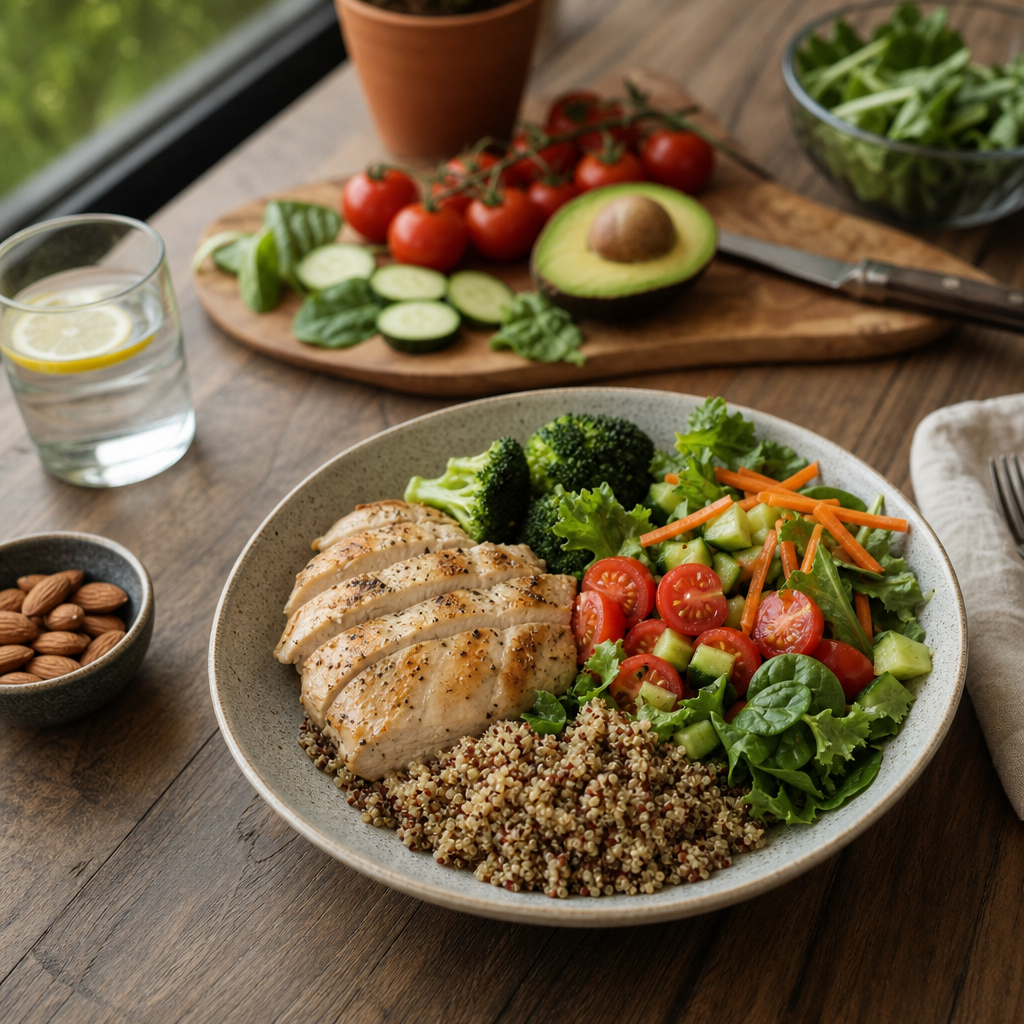
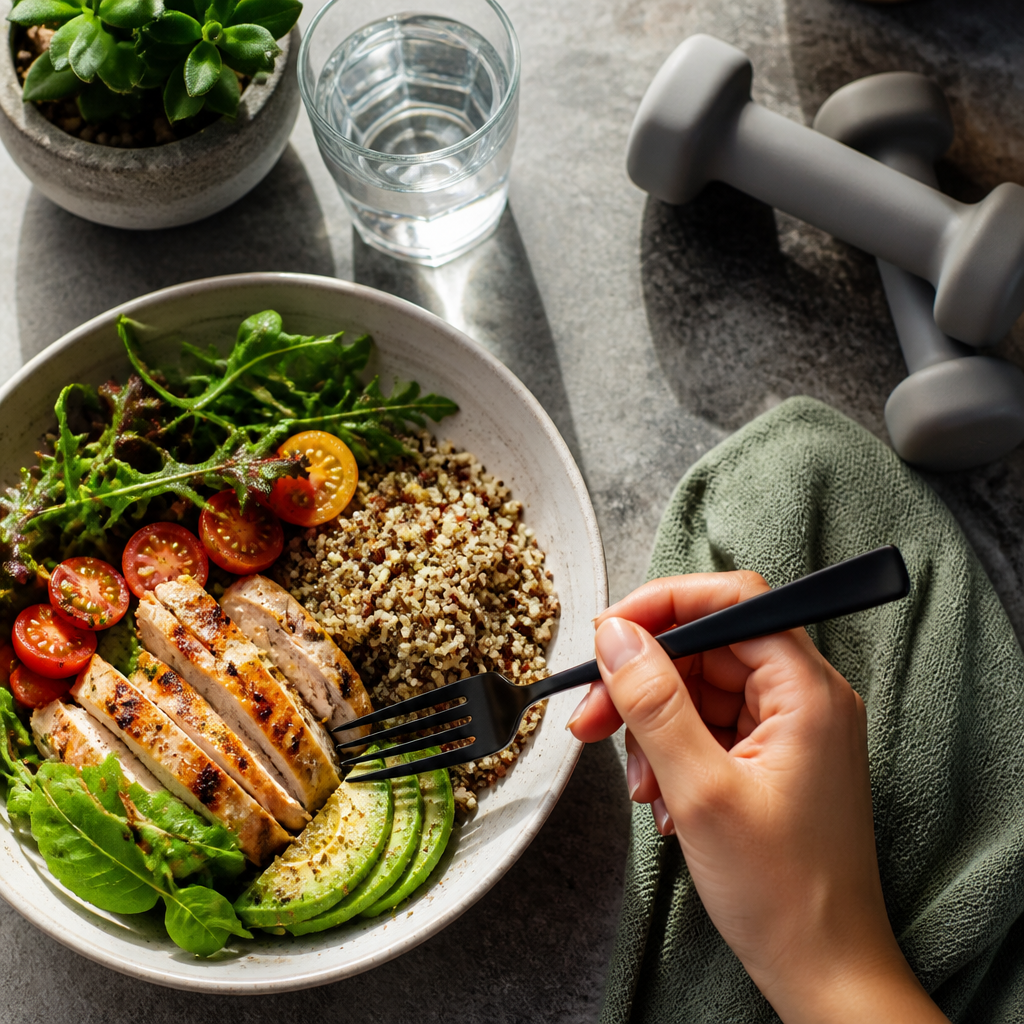
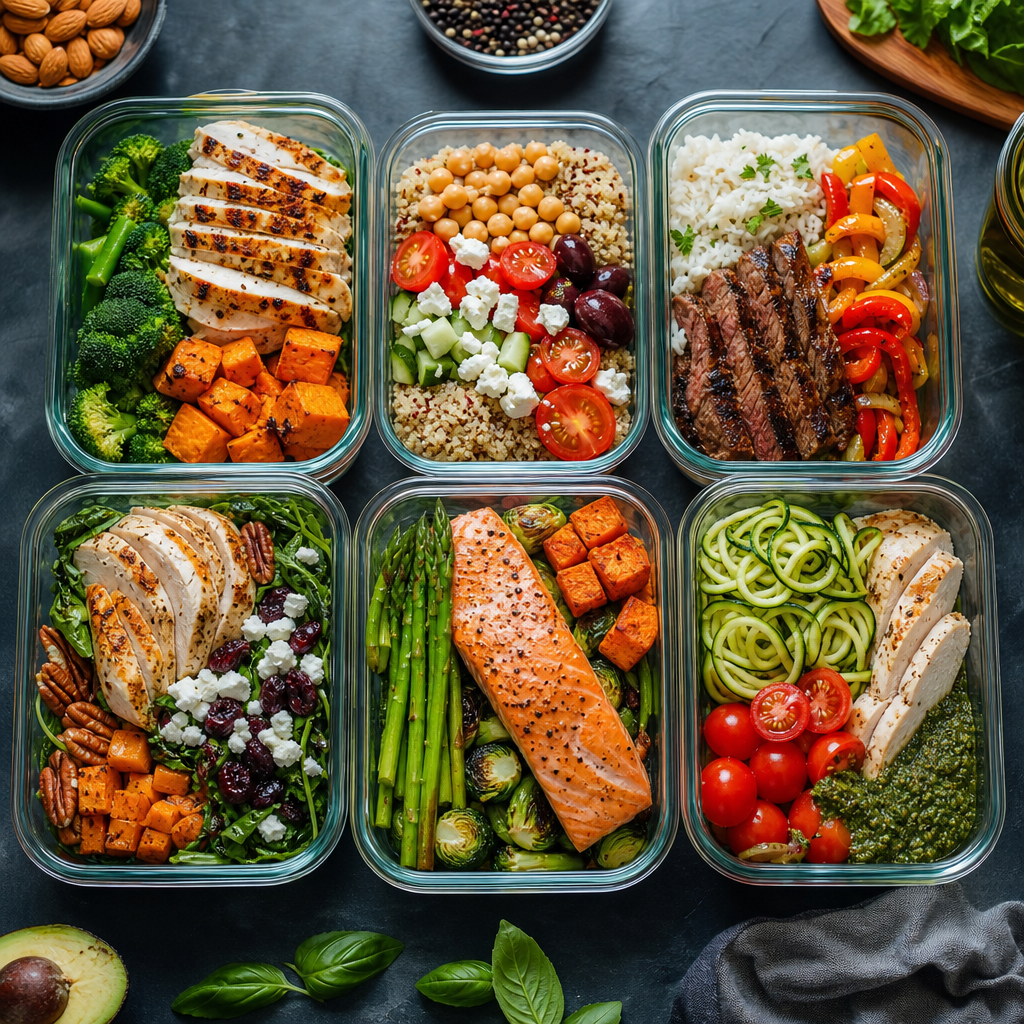
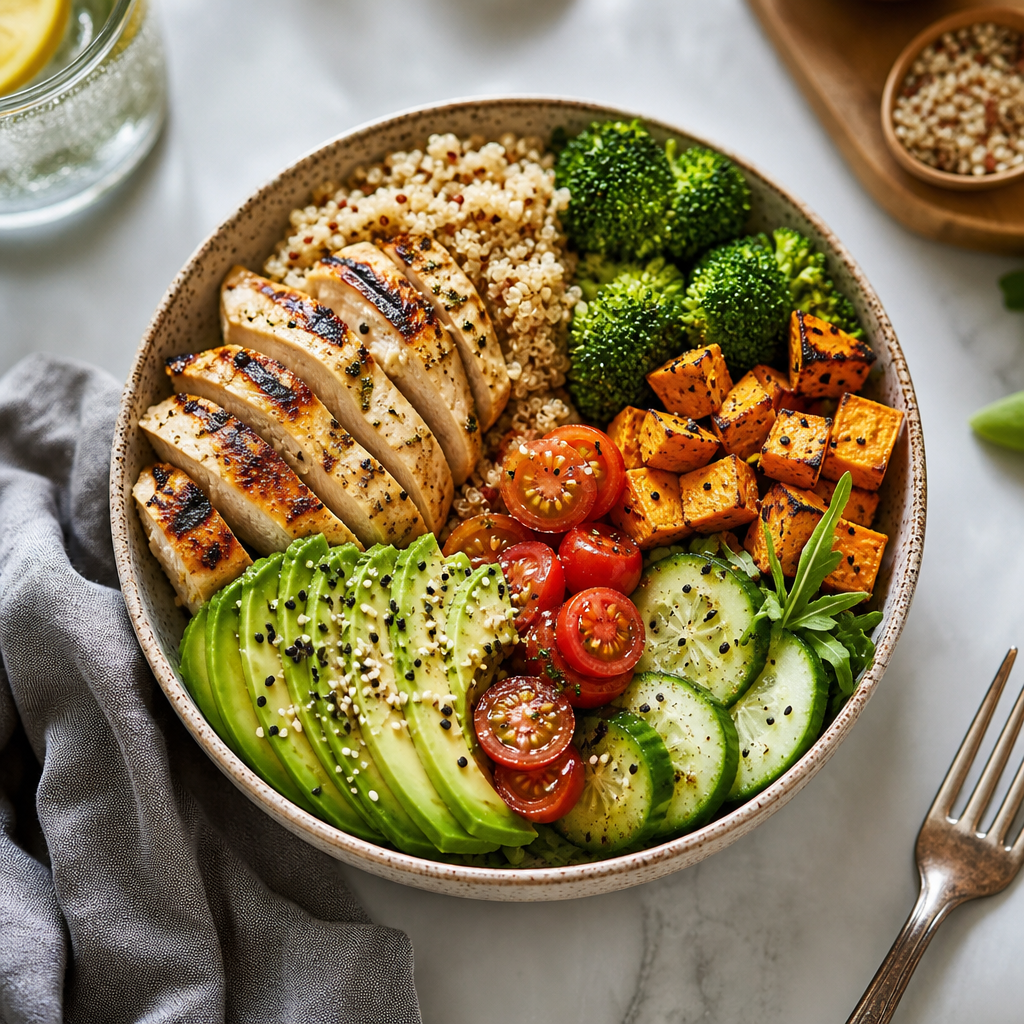
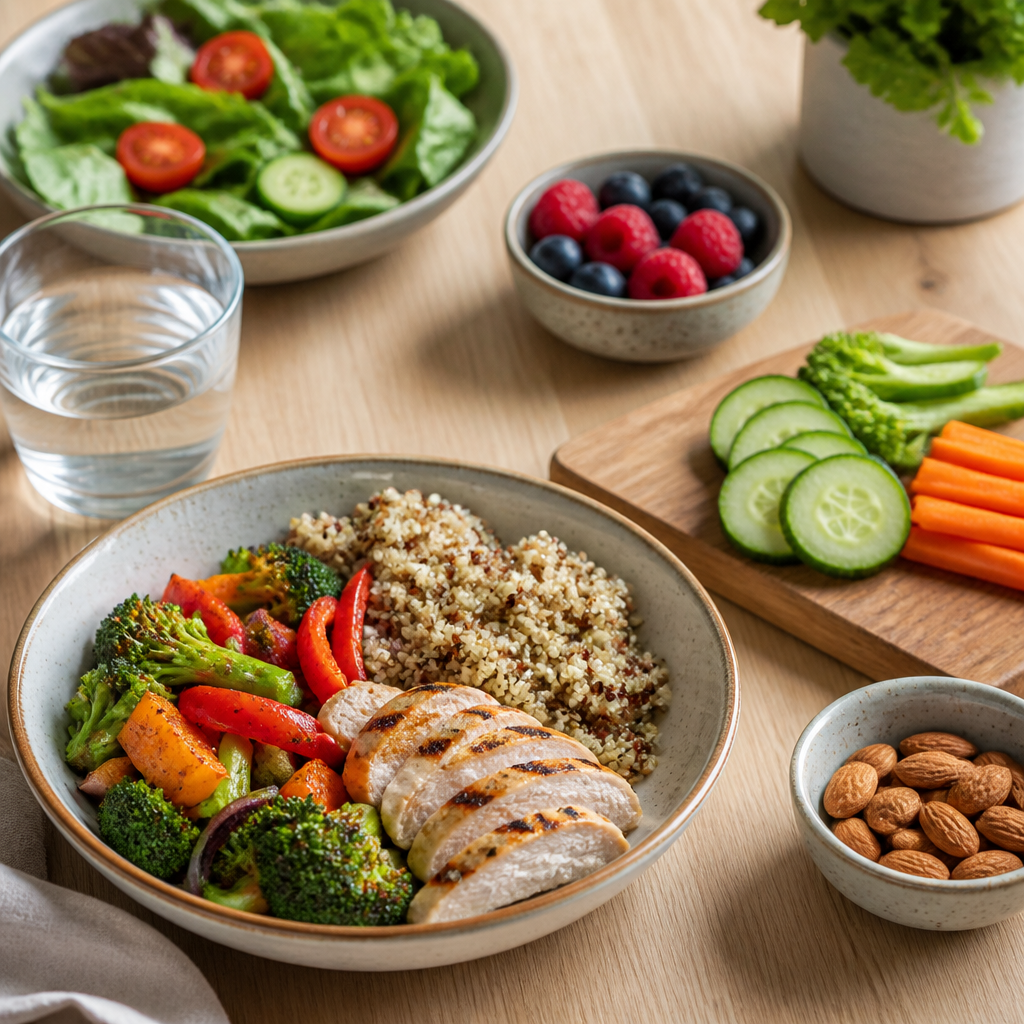
- Lunch: Grilled chicken salad with mixed greens, cherry tomatoes, and a vinaigrette dressing; or a quinoa bowl with black beans and avocado.
- Dinner: Stir-fry with lean beef or tofu and various colorful vegetables; baked salmon with asparagus and brown rice.
- Snacks: Hummus with veggie sticks, a handful of almonds, or a protein smoothie made with your choice of protein powder, banana, and spinach.
Use Technology to Your Advantage
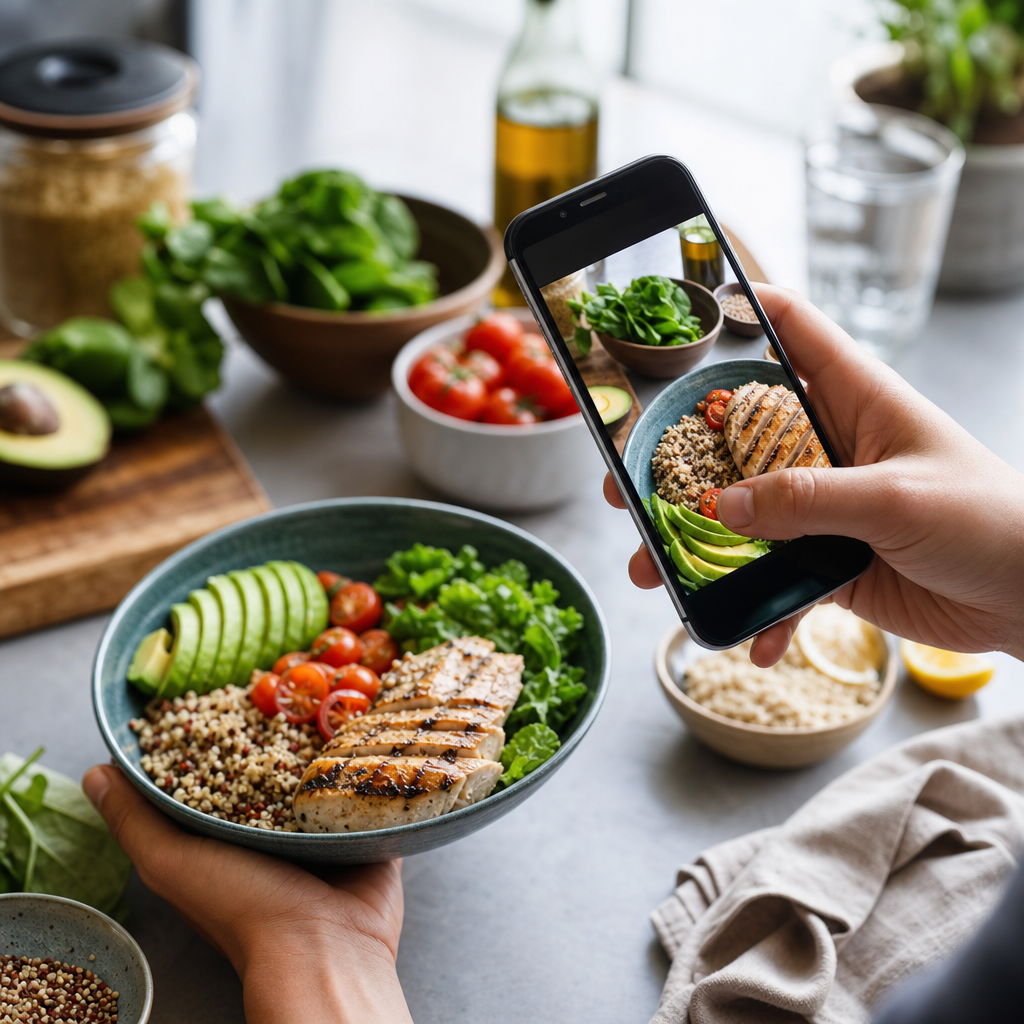
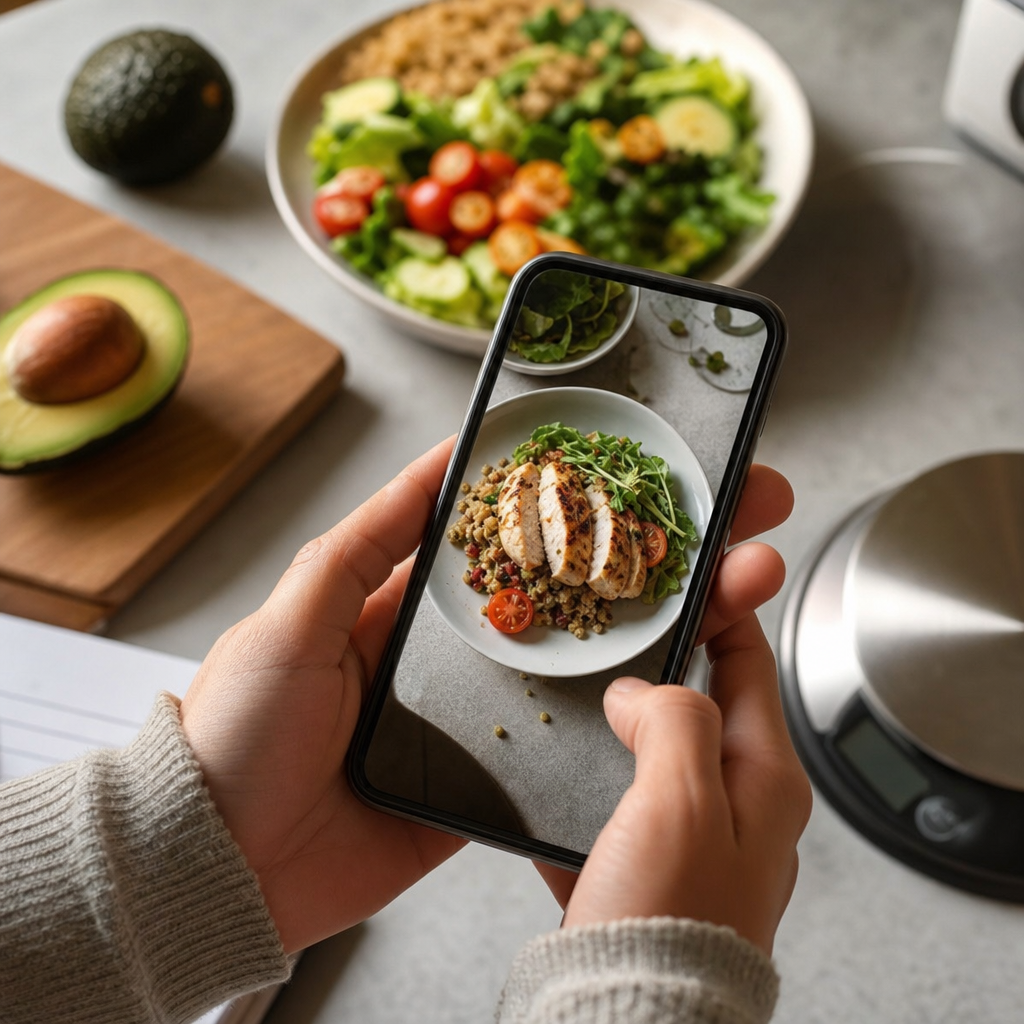
In the modern age, apps can simplify your protein tracking. Many nutrition apps allow you to log your meals and automatically calculate your protein intake. Some even offer functionality where you can upload a photo of your meal, and the app will estimate the nutritional value based on the ingredients it recognizes.
Here’s how it typically works:
- Take a Photo: Snap a picture of your meal.
- Recognition: The app uses image recognition technology to identify different foods on your plate.
- Nutritional Data: Based on the recognized items, the app calculates protein content and other nutritional information, providing a quick snapshot of your intake.
Don’t Stress About Perfection
Lastly, it’s important to remember that meeting your protein goals doesn’t have to be perfect every day. Focus on the overall trend rather than a daily struggle. If you have a protein-rich lunch but fall short at dinner, that's okay! Consistency over time is what truly matters.
Conclusion
Meeting your protein goals doesn’t require elaborate meal prep or an advanced degree in nutrition. By understanding your needs, choosing simple protein sources, utilizing technology, and maintaining a flexible mindset, you can achieve your goals efficiently and enjoyably. Simplifying your approach not only makes it easier to stick with but also allows you to focus more on what you love - good food and a healthy lifestyle!
Cal AI
Track meals faster with Cal AI
Scan food, estimate calories, and keep your nutrition log moving without typing every ingredient.
Get the appAuthor
Cal AI Editorial Team
Practical guides on nutrition, calorie tracking, meal planning, and building healthier habits with Cal AI.
Related articles
 The Lowest-Calorie Vegetables Ranked: Your Guide to Guilt-Free Eating
 Zero-Calorie Vegetables: Myth or Reality?
 Why Weight Control Starts With Nutrition
 The Most Filling Vegetables for Weight Loss
 Discover the Vegetables With the Fewest Calories: Your Guide to Guilt-Free Eating
 The Best Vegetables for a Calorie Deficit
 Why Strict Diets Don't Work: Understanding the Pitfalls of Extreme Restrictions
 The Best Weight Management Strategies: Proven Tactics for Success
 How to Keep a Weight Journal: Tips for Accountability and Progress Tracking
 How to Lose Weight Without Stress: Embrace a Balanced Approach
 Common Macro Tracking Mistakes: Avoid These Pitfalls for Better Results
 The Best Low-Calorie, Low-Carb Vegetables for Your Healthy Diet
 Sustainable Weight Loss Explained: Your Guide to Long-Term Success
 How to Control Your Weight With Calorie Tracking
 How to Build a Macro-Based Meal Plan: Your Ultimate Guide to Meal Prepping
 How to Track Macros Automatically: A Tech-Savvy Guide
 Macro Tracking for Beginners: Your Ultimate Guide to Nutritional Success
 How Many Calories Are in an Orange?
 Which Vegetables Keep You Full the Longest?
 How Many Calories Are in a Cucumber? Unveiling the Secrets of This Superfood
 How Many Calories Are in a Banana?
 The Healthiest Vegetables for Weight Loss: Your Ultimate Guide
 The Best Vegetables for Dinner: Nourishing Your Body While Losing Weight
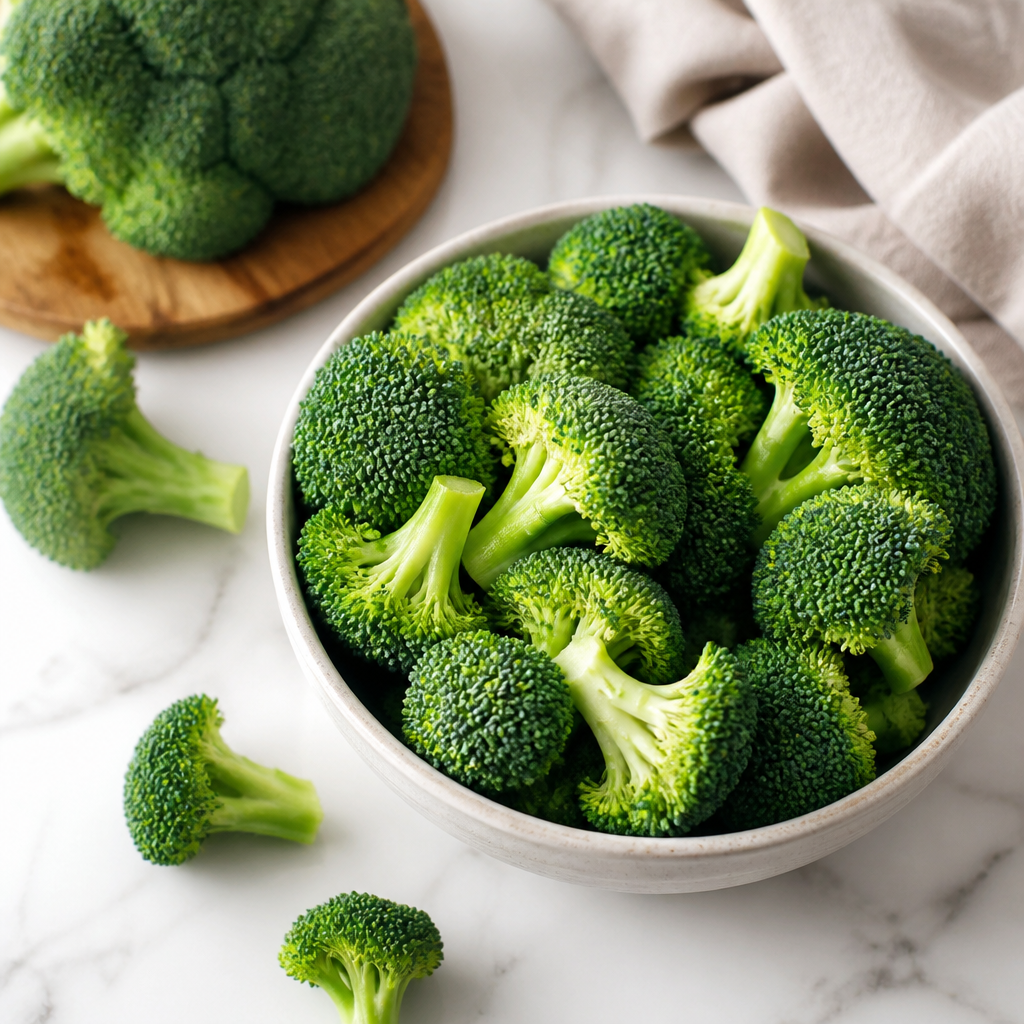 How Many Calories Are in Broccoli? An In-Depth Look
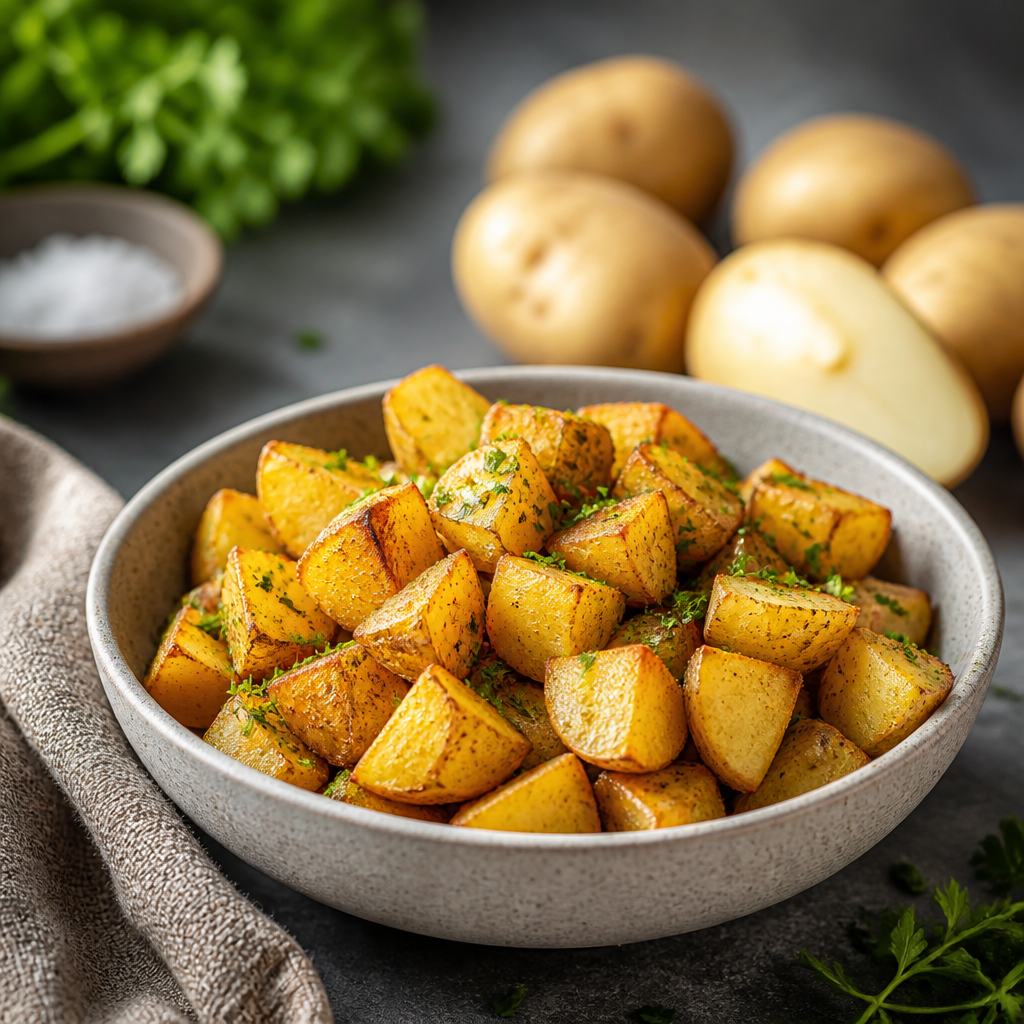 How Many Calories Are in a Potato? Unpacking the Nutritional Value
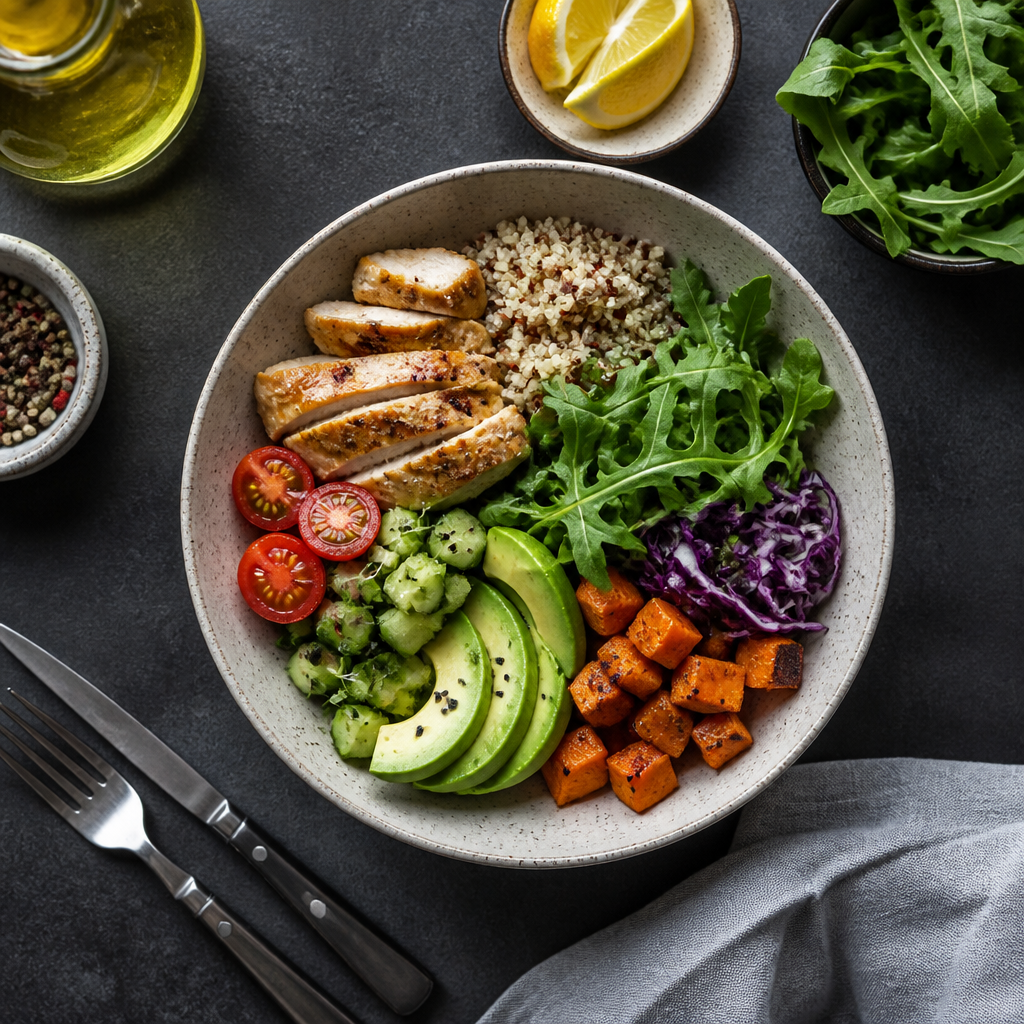 How to Estimate Calorie Counts Visually: A Guide for Impromptu Dieters
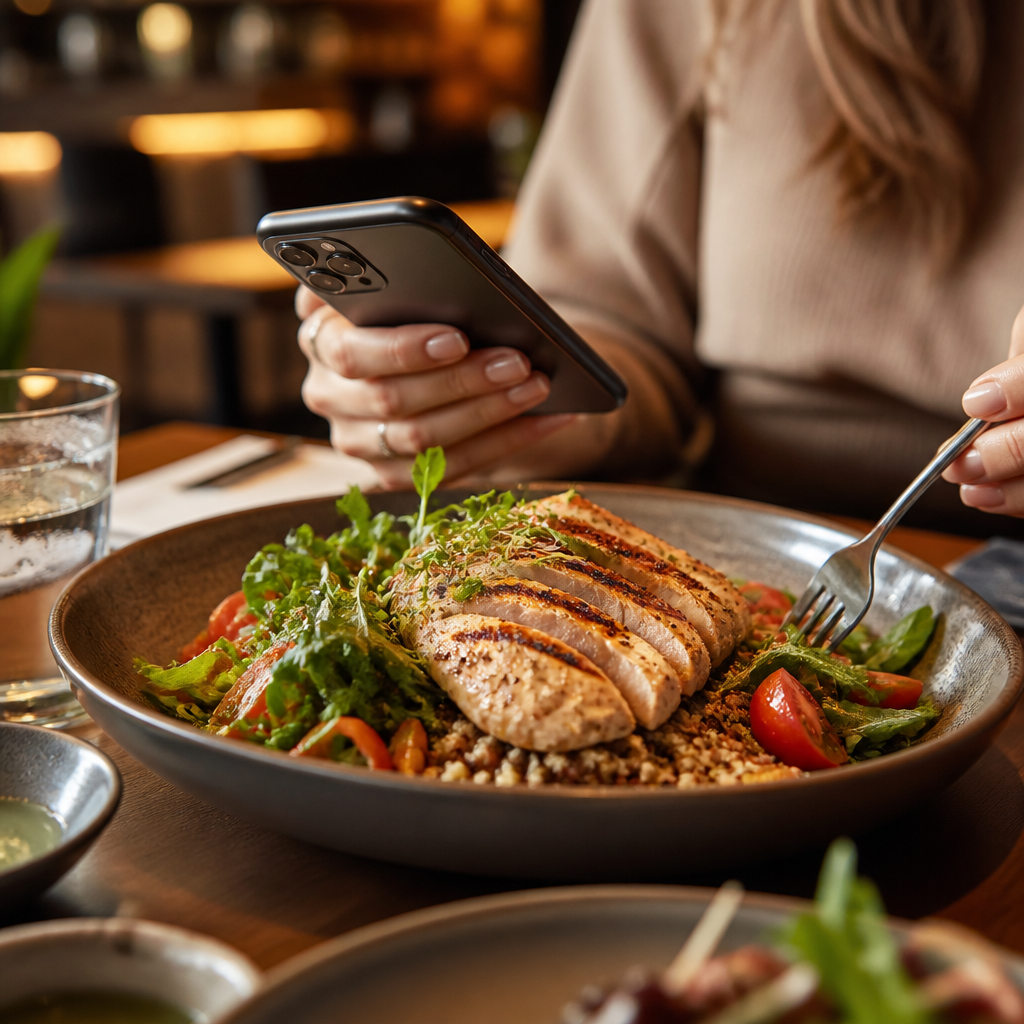 Как считать калории в ресторане: Практическое руководство
 Формула Харриса-Бенедикта простыми словами
 Главные ошибки подсчета калорий
 Как считать калории без весов: Практическое руководство для диетчиков