How Much Protein Do You Need Per Day? A Comprehensive Guide
Discover your daily protein requirements tailored to your personal health goals with our in-depth guide. Find out how to calculate your needs effectively.

Understanding Protein: The Essential Macromolecule
Protein is a crucial macronutrient that plays a vital role in building and repairing tissues, making enzymes and hormones, and supporting overall health. Not only do we need protein to maintain muscle mass, but it is also essential for immune function and overall energy levels. For anyone striving towards fitness goals, understanding daily protein requirements is critical to optimizing your nutrition for performance and recovery.
The Recommended Dietary Allowance (RDA) for protein varies depending on diverse factors such as age, sex, weight, and activity level. Generally, the RDA is set at 0.8 grams of protein per kilogram of body weight. For example, a sedentary adult weighing 70 kg should aim for about 56 grams of protein daily. However, this guideline doesn't always apply to fitness enthusiasts or those with specific health goals.
Calculating Your Daily Protein Requirements
To accurately calculate your daily protein needs, you must consider your fitness goals. Are you looking to lose weight, build muscle, or maintain your current physique? Here’s a straightforward method to determine your protein requirements based on your goals:
Weight Loss: If your aim is to lose weight, consider a protein intake of 1.2 to 1.6 grams per kilogram of body weight. This higher intake can help you feel satiated longer and preserve lean muscle mass while in a calorie deficit.
Muscle Gain: For those looking to gain muscle, the recommended protein intake increases to about 1.6 to 2.2 grams per kilogram. This range provides the necessary amino acids to support muscle repair and growth.
Maintenance: If you are aiming to maintain your current fitness level without significant weight changes, the RDA of 0.8 grams per kilogram is generally sufficient.
Using these ranges, let’s look at an example: If you weigh 75 kg and aim to build muscle, your ideal protein intake would be anywhere from 120 to 165 grams a day, depending on your specific training intensity.
Protein Sources: Choosing Wisely
Not all proteins are created equal. It's essential to choose high-quality protein sources that offer a complete amino acid profile. Here are some excellent sources to consider:
Animal-Based Proteins: Chicken breast, turkey, lean beef, fish, eggs, and dairy products such as greek yogurt and cottage cheese are all complete proteins, providing all essential amino acids.
Plant-Based Proteins: Lentils, chickpeas, beans, quinoa, tempeh, and edamame are excellent plant-based sources. While some plant proteins are not complete, combining different sources can provide all essential amino acids.
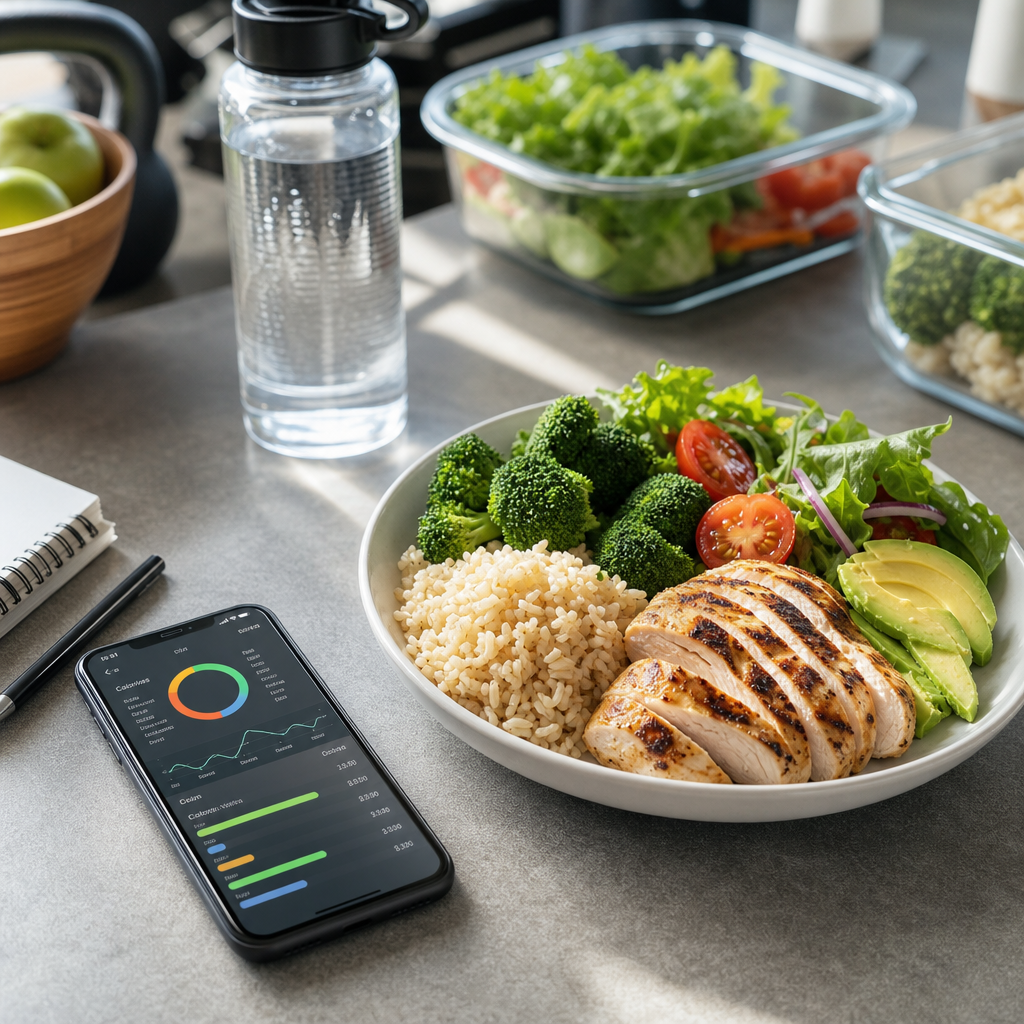
When planning meals, try to incorporate a variety of these protein sources to cover your amino acid needs efficiently. An example might include grilled chicken with quinoa salad and mixed beans, offering both animal and plant-based proteins.
The Role of Protein Timing and Distribution
While daily intake is critical, protein timing can also impact muscle protein synthesis. Distributing your protein intake evenly across meals can optimize recovery and muscle growth. Studies suggest aiming for 20-30 grams of protein in each meal may trigger the muscular response needed for growth.
For example, if you eat four meals a day, consider including protein-rich foods at breakfast, lunch, dinner, and snacks. A breakfast example could be an omelet with vegetables and cheese, yielding approximately 25 grams of protein, combined with a protein-rich snack like a protein bar later on to maintain your protein levels throughout the day.
Common Myths About Protein Intake
Many myths surrounding protein consumption can lead to confusion and misinformation. Here are a few key points to consider:
More Protein Equals More Muscle: While protein is vital for muscle growth, excess protein doesn’t equate to more muscle. It can lead to increased caloric intake and potential weight gain if not aligned with energy expenditure.
You Can Only Absorb a Certain Amount of Protein at Once: Research indicates that, while the body prefers a certain amount of protein per meal, it can utilize protein beyond this threshold for various functions.
Plant-Based Proteins Are Incomplete: Though some plant proteins may lack specific amino acids, combining different sources can provide complete protein needs. Foods like brown rice and black beans together create a well-rounded amino acid profile.
Understanding these myths helps put into perspective the importance of balanced nutrition and aligns your protein intake according to your unique fitness goals.
Practical Tips for Meeting Your Protein Goals
Reaching your daily protein requirements may seem daunting, but implementing a few practical tips can simplify the process:
Prep Protein-Rich Meals: Prepare meals in advance and focus on including protein in each dish. This ensures you meet your intake without relying on quick but less nutritious options.
Snack Smart: Incorporate snacks that are rich in protein, such as nuts, Greek yogurt, or hard-boiled eggs, to help meet your daily goals seamlessly.
Track Your Intake: Utilize mobile apps or tools to track your protein consumption throughout the day. This helps you stay on top of your goals and make adjustments when necessary.
Experiment with Recipes: Discover new recipes focused on protein-rich foods—like a colorful buddha bowl filled with chickpeas, quinoa, avocado, and roasted veggies—to keep meals enticing and nutritious.
Conclusion: Tailoring Protein Needs to Unique Goals
Determining your daily protein requirements is essential for achieving your fitness and health goals. By assessing your activity level, goals, and dietary preferences, you can calculate a personalized protein intake that suits your lifestyle. Remember, a well-structured diet combined with adequate protein contributes positively to muscle development, recovery, energy levels, and satiety.
As you adjust your protein intake, always listen to your body and make dietary decisions that best fit your needs. Engaging in a sustainable approach to protein consumption not only aids in achieving fitness targets but also fosters a balanced lifestyle.
Frequently Asked Questions
How do I know if I am consuming enough protein?
Monitor your energy levels, muscle recovery, and satiety. If you're feeling fatigued, not recovering well from workouts, or experiencing hunger post-meals, it may indicate insufficient protein intake.
Can I get enough protein from a plant-based diet?
Yes, you can meet your protein needs from a plant-based diet by combining different sources like legumes, grains, nuts, and seeds to provide complete proteins.
Is it safe to consume protein supplements?
Protein supplements can be beneficial for achieving daily goals, particularly for athletes or individuals with higher protein requirements. However, whole food sources should remain the primary focus for nutrition.
Does protein timing really matter?
Yes, distributing protein intake throughout the day can maximize muscle protein synthesis, especially when consumed after workouts for recovery.
What are the best sources of protein for muscle gain?
Animal-based proteins like chicken, fish, and lean meats, as well as plant-based options like lentils, quinoa, and tofu, are excellent for muscle gain due to their high amino acid profiles.
Ready to simplify your nutrition? With Cal AI, you can take a photo of your food and instantly estimate calories while tracking protein, carbs, and fat. Achieve your health goals with AI-powered meal analysis!
Share this article
Cal AI
Track meals faster with Cal AI
Scan food, estimate calories, and keep your nutrition log moving without typing every ingredient.
Author
Cal AI Editorial Team
Practical guides on nutrition, calorie tracking, meal planning, and building healthier habits with Cal AI.
Editorial policyFrequently asked questions
How do I know if I am consuming enough protein?
Monitor your energy levels, muscle recovery, and satiety. If you're feeling fatigued, not recovering well from workouts, or experiencing hunger post-meals, it may indicate insufficient protein intake.
Can I get enough protein from a plant-based diet?
Yes, you can meet your protein needs from a plant-based diet by combining different sources like legumes, grains, nuts, and seeds to provide complete proteins.
Is it safe to consume protein supplements?
Protein supplements can be beneficial for achieving daily goals, particularly for athletes or individuals with higher protein requirements. However, whole food sources should remain the primary focus for nutrition.
Does protein timing really matter?
Yes, distributing protein intake throughout the day can maximize muscle protein synthesis, especially when consumed after workouts for recovery.
What are the best sources of protein for muscle gain?
Animal-based proteins like chicken, fish, and lean meats, as well as plant-based options like lentils, quinoa, and tofu, are excellent for muscle gain due to their high amino acid profiles.
Related articles
 How Many Calories Are in Wine? A Comprehensive GuideDiscover the calorie content in various types of wine and learn how to make informed choices without sacrificing enjoyment.
 How Many Calories Are in Beer? A Comprehensive GuideDiscover the caloric content in various beer styles and tips for enjoying beer in moderation without derailing your diet.
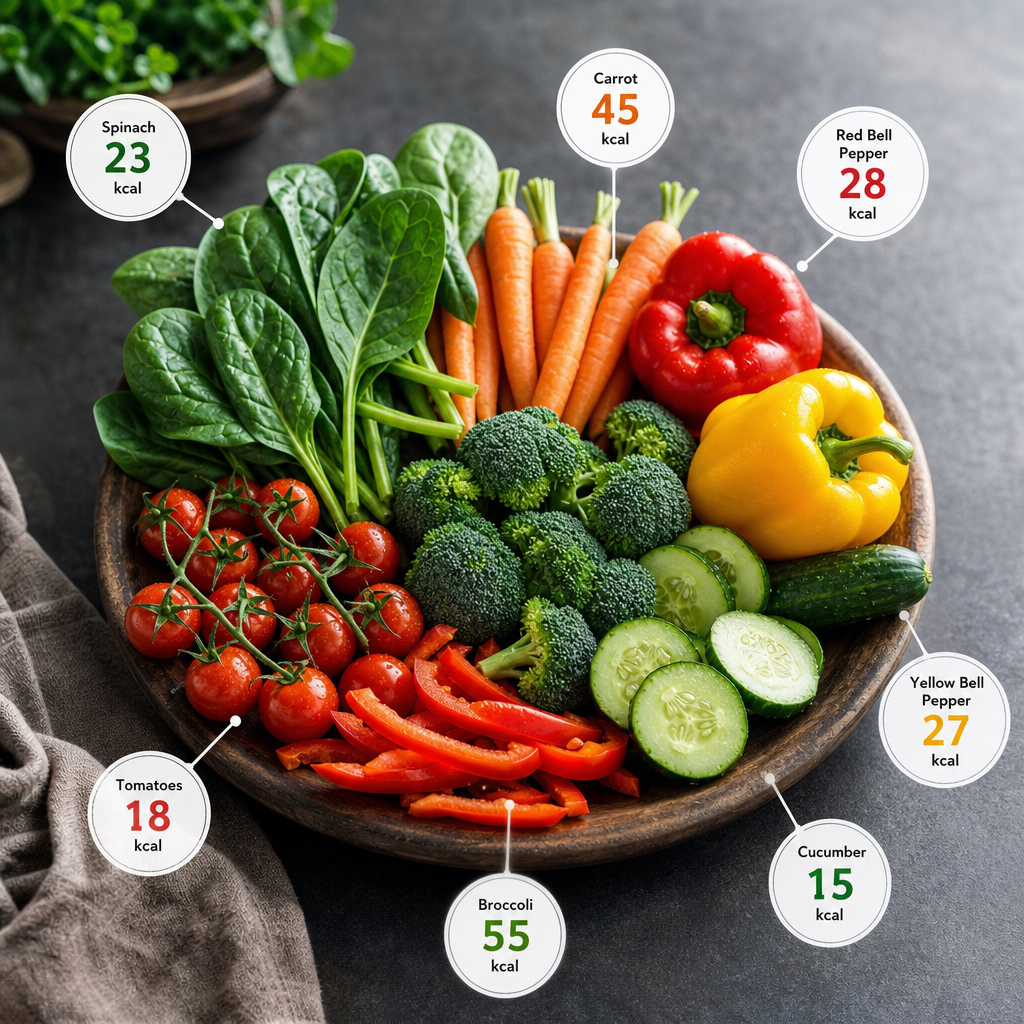 The Complete Vegetable Calorie Chart: Making Informed Dietary ChoicesExplore our complete vegetable calorie chart to make informed decisions for your diet, ensuring healthy calorie intake while enjoying a variety of vegetables.
 The Ultimate Weight Loss Vegetables List: Your Guide to Slimming SuccessDiscover the top weight loss vegetables list that can support your dieting journey with delicious, low-calorie options perfect for meals and snacks.
 How Many Calories Are in Oatmeal? A Comprehensive GuideUncover the calories in oatmeal, from plain oats to popular toppings, and learn to customize your breakfast for optimal health.
 How to Calculate Meal Calories in 5 SecondsMaster quick calorie calculation techniques to keep your meals healthy and on track, especially for busy lifestyles.
 Discovering Free Online Calorie Counter by Photo ToolsExplore the best free online calorie counter by photo tools for effective meal tracking without breaking the bank. Perfect for budget-conscious users!
 How Many Calories Are in an Americano? A Deep Dive into Your Favorite BrewDiscover the calorie content in an Americano and how it fits into a calorie-conscious diet. Explore variations, preparation methods, and health considerations.
 How Many Calories Are in an Egg? A Comprehensive GuideExplore the caloric content of eggs, different cooking methods, and how they fit into a healthy diet while tracking your nutrition goals.
 How Many Calories Are in French Fries? A Portion-by-Portion BreakdownFrench fries can range from a light side dish to a calorie-heavy snack depending on portion size, cooking method, and toppings. Here’s a practical breakdown of calories in french fries.
 AI vs Manual Calorie Counting: Which Method Fits Your Goals?Compare AI calorie trackers and manual calorie counting for weight loss, muscle gain, and everyday nutrition tracking. See the pros, cons, and real-world use cases.
 How Many Calories Are in Pilaf? A Practical Guide to Calories in PilafPilaf can be a light rice side dish or a rich one-pot meal, depending on the grains, oils, and meats used. Here’s how to estimate calories in pilaf with real serving examples.
 Dehydration Loss of Appetite: How Not Drinking Enough Can Mute Hunger SignalsDehydration loss of appetite is more common than many people realize. Learn how fluid balance affects hunger, digestion, and practical ways to tell thirst from true appetite.
 How Many Calories Are in an Avocado?Wondering about calories in avocado? This guide breaks down serving sizes, nutrition facts, health benefits, and easy ways to fit avocado into weight-conscious meals.
 How Many Calories Are in Chocolate? A Practical Guide to Dark, Milk, and White ChocolateWondering how many calories are in chocolate? This guide breaks down calories in chocolate by type, serving size, and cocoa content so you can enjoy it without guessing.
 How Many Calories Are in Cheese? A Practical Guide for Cheese LoversWondering how many calories are in cheese? This guide breaks down calories in cheese by type, serving size, and fat content so you can choose smarter portions without giving up flavor.
 How Many Calories Are in a Burger? A Practical Guide to calories in burger CountsBurger calories can swing wildly depending on patty size, cheese, sauces, and bun choice. Learn the typical calories in burger meals and how to estimate them fast.
 How Many Calories Are in Juice? A Practical Guide to Calories in JuiceJuice can look healthy, but the calorie count changes fast depending on the fruit, serving size, and whether sugar has been added. Here’s how to compare popular juices and make smarter choices.
 How Many Calories Are in Coca-Cola? A Practical Guide to Calories in Coca-ColaCoca-Cola’s calorie count is easy to underestimate, especially when portions get larger. Here’s a clear breakdown of calories in Coca-Cola, plus sugar, serving sizes, and better ways to fit soda into your day.
 Cal AI Free vs Premium: Which Version Fits Your Budget and Goals?A clear breakdown of Cal AI free vs premium, including features, limits, and real-life use cases so you can decide if the upgrade is worth it.