Common Food Label Reading Mistakes to Avoid for Better Dietary Choices
Learn how to decode food labels with confidence by avoiding these common mistakes. Make healthier choices with the right information.
Understanding the Basics of Food Labels
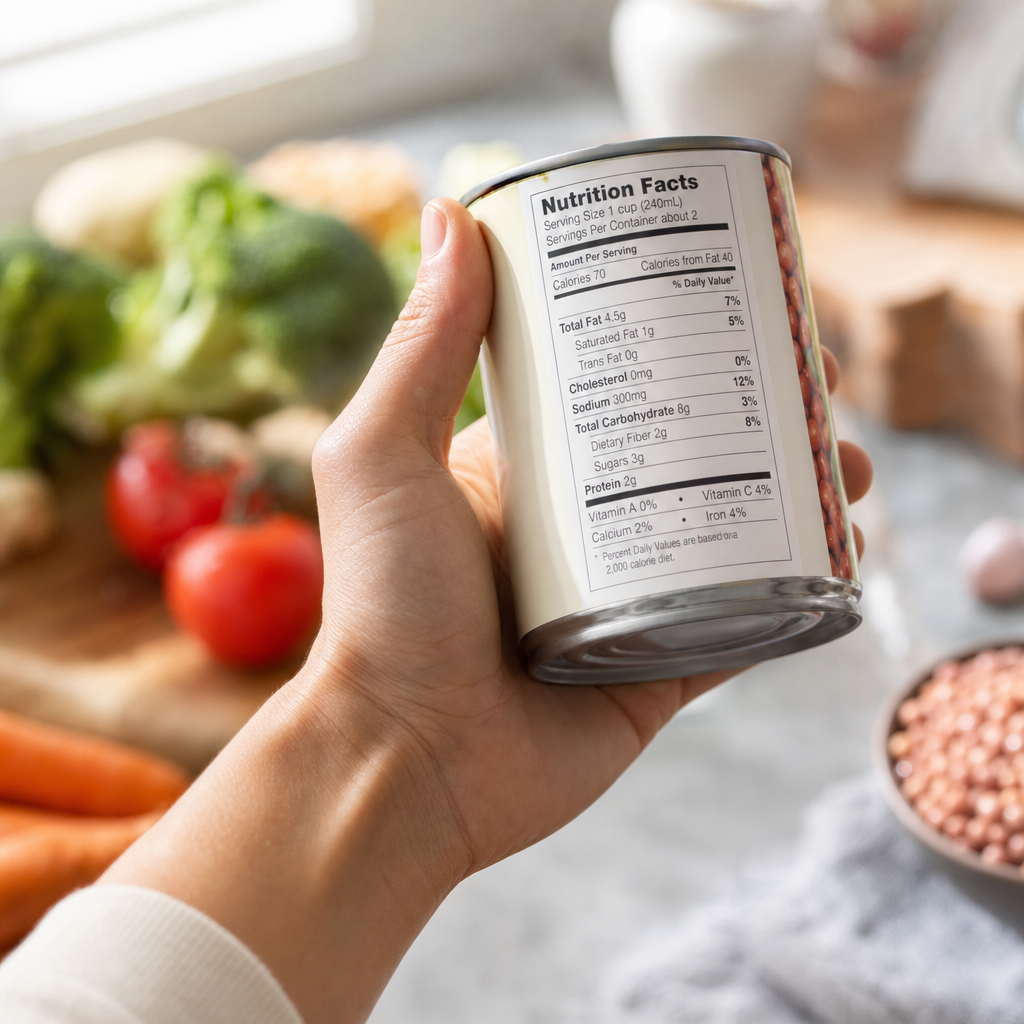
Food labels can seem daunting, but they provide essential information that can help you make healthier food choices. At a glance, you will see the serving size, calories, and key nutrients. But many make critical mistakes when interpreting these details, leading to misunderstandings about what they are actually consuming. Understanding how to read these labels accurately is crucial for anyone looking to maintain a healthy diet.
One of the most common mistakes is skipping the serving size. The nutritional information provided is usually per serving, not per package. For example, a bag of chips may state 150 calories per serving, but if the package contains three servings, that means you're looking at 450 calories per bag. Always adjust your calculations based on the actual portion you consume.
Overlooking Ingredient Lists
Another pitfall many consumers fall into is not paying attention to the ingredient list. While the nutrition facts box gives you a snapshot of what you’re eating, the ingredient list reveals much more about the quality and integrity of a product. For example, if sugar is listed in the first three ingredients, it's a good indication that the product is high in added sugars.
Be wary of foods with long ingredient lists filled with unrecognizable items. These are often heavily processed and may not align with a healthy eating plan. A straightforward rule: the shorter the ingredient list, the better. Opt for products with recognizable whole ingredients, such as oats, nuts, fruits, and vegetables.
Ignoring the Caloric Density
While calories are important, understanding caloric density offers a clearer picture of what you’re eating. Caloric density refers to the number of calories in a given volume of food. Foods like nuts, oils, and chocolates are calorie-dense, meaning they pack a high number of calories into a small serving, while fruits and vegetables are typically low in caloric density.
For weight management, balancing your plate with low-calorie-density foods can help you feel fuller with fewer total calories. For instance, a medium apple has around 95 calories, while just a small handful of nuts can easily exceed 200 calories. By understanding this concept, you can optimize your meals to include more filling yet lower-calorie options.
Misinterpreting 'Healthy' Claims
Food manufacturers often use misleading claims to promote their products, labeling them as 'low-fat,' 'sugar-free,' or 'healthy.' However, these terms can be deceptive. For instance, a 'low-fat' yogurt might be loaded with sugar to maintain flavor, making it no better than the full-fat version in terms of overall health benefits.
Whenever you see a health claim, check the nutrition facts and ingredient list for context. Don't just trust what the label says; scrutinize the numbers. A sugar-free snack might still pack a punch with high calories from other ingredients, negating any perceived health benefit.
Underestimating Added Sugars
Added sugars can significantly impact your caloric intake and overall health. Many consumers focus exclusively on total sugars without recognizing the amount of sugar added during the processing phase. Products can have a seemingly low total sugar content while containing high levels of added sugars.
Health guidelines suggest limiting added sugars to no more than 10% of your daily caloric intake. For a standard 2,000-calorie diet, that’s about 50 grams of added sugar. Be cautious with sweetened products, and consider choosing unsweetened options or those sweetened with natural ingredients such as fruit or stevia.
Neglecting Nutrient Percent Daily Values
% Daily Values (%DV) on food labels help you determine how a particular food fits into your daily nutrient requirements. A common misinterpretation is viewing any %DV under 5% as 'low' and over 20% as 'high' without considering individual dietary needs.
Different nutrients serve different purposes in your diet. For example, calcium is essential for bone health, so a %DV of 20% can be beneficial for someone seeking to increase their intake. However, if sodium is marked at 25%, that may be a red flag for someone monitoring their blood pressure. Always consider personal nutrition goals when assessing %DVs.
Failing to Compare Similar Products
When shopping, it’s helpful to compare similar products directly. Many consumers choose their go-to brand without evaluating other options. By reading food labels side by side, you can quickly identify products that may offer more nutritional value for similar costs.
For example, if you’re comparing two brands of granola bars, one may have 150 calories with a decent amount of protein, while another has 180 calories but more sugar. A direct comparison often reveals the hidden gems that offer more nutrition for fewer calories, helping you to make smarter choices.
Frequently Asked Questions
What is the most common mistake when reading food labels?
The most common mistake is ignoring the serving size, leading to underestimating calorie intake.
Are health claims on food labels always reliable?
No, health claims can be misleading. Always check the ingredient list and nutrition facts for a clearer picture.
How do I know if a product is high in added sugars?
Check the ingredient list for terms like corn syrup, fructose, or any form of sugar, ideally minimizing added sugars to 10% of your daily calories.
What should I focus on when reading food labels?
Pay attention to serving sizes, ingredients, calories, nutrients, and % Daily Values, making comparisons between similar products.
How can I improve my dietary choices based on food labels?
By learning to read labels accurately, you can make informed decisions, avoid hidden sugars, and choose products that align with your nutritional goals.
Want to make healthy eating easier? With Cal AI, you can take a photo of your food and instantly estimate calories, view protein, carbs, and fat content, analyze your meals with AI, and track your nutrition goals effortlessly!
Share this article
Cal AI
Track meals faster with Cal AI
Scan food, estimate calories, and keep your nutrition log moving without typing every ingredient.
Author
Cal AI Editorial Team
Practical guides on nutrition, calorie tracking, meal planning, and building healthier habits with Cal AI.
Editorial policyFrequently asked questions
What is the most common mistake when reading food labels?
The most common mistake is ignoring the serving size, leading to underestimating calorie intake.
Are health claims on food labels always reliable?
No, health claims can be misleading. Always check the ingredient list and nutrition facts for a clearer picture.
How do I know if a product is high in added sugars?
Check the ingredient list for terms like corn syrup, fructose, or any form of sugar, ideally minimizing added sugars to 10% of your daily calories.
What should I focus on when reading food labels?
Pay attention to serving sizes, ingredients, calories, nutrients, and % Daily Values, making comparisons between similar products.
How can I improve my dietary choices based on food labels?
By learning to read labels accurately, you can make informed decisions, avoid hidden sugars, and choose products that align with your nutritional goals.
Related articles
 Batch Cooking for Weight Loss: A Smart Strategy to Manage PortionsDiscover how batch cooking can streamline your meal prep, help manage portions, and support your weight loss journey effectively.
 Can AI Identify Ingredients From a Photo? An In-Depth LookDiscover how AI technology accurately identifies food ingredients from images, transforming cooking and nutrition analysis for enthusiasts and professionals alike.
 How Many Calories Are in a Tomato? A Comprehensive BreakdownDiscover the calorie content of tomatoes, their nutritional benefits, and how to incorporate them into your diet for optimal health.
 Crunching Numbers: The Best Low-Calorie Vegetables for SnackingExplore a variety of nutritious, low-calorie vegetables perfect for satisfying snacks while keeping your health goals in check.
 Why Hydration Matters in a Calorie DeficitDiscover the crucial role hydration plays in your weight loss journey, especially when operating in a calorie deficit.
 How to Calculate Macros for Muscle GainLearn effective strategies for calculating your macronutrients to support muscle growth and achieve your fitness goals.
 How Many Calories Are in a Pear?Explore the nutritional breakdown and health benefits of pears, an underrated fruit full of flavor and low in calories.
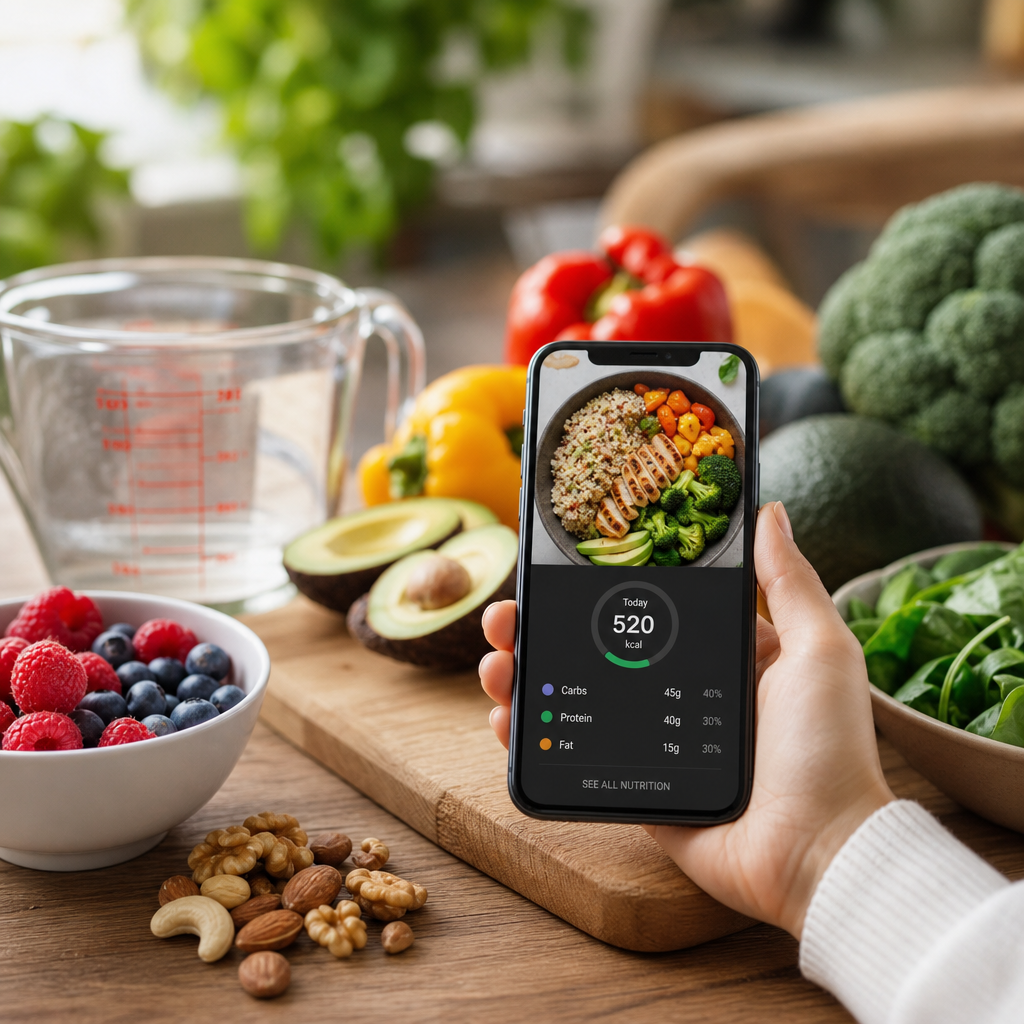 Discover the Best AI Calorie Tracker Apps for Your DietExplore the top AI-powered calorie tracker apps that can help you manage your diet and reach your health goals effectively.
 AI Calorie Counter: Comprehensive Review of the Top AppsDiscover our in-depth review of popular AI calorie counter apps, evaluating their features, usability, and effectiveness to help you track your nutrition effortlessly.
 How AI Calorie Counting Works: Unpacking the Technology Behind the AlgorithmDiscover how AI calorie counting apps utilize advanced technology to help you track nutrition and achieve your fitness goals.
 How Much Water Should You Drink for Weight Loss?Learn the optimal water intake for weight loss, its benefits, and practical tips to stay hydrated in your weight loss journey.
 The Future of AI Nutrition Apps: Innovations in Dietary ManagementExplore how AI nutrition apps are transforming dietary management with personalized insights, meal planning, and automated tracking.
 How Many Calories Are in Pizza? A Comprehensive GuideDiscover the calorie counts for different pizza types and toppings. Make informed choices while enjoying your favorite slice!
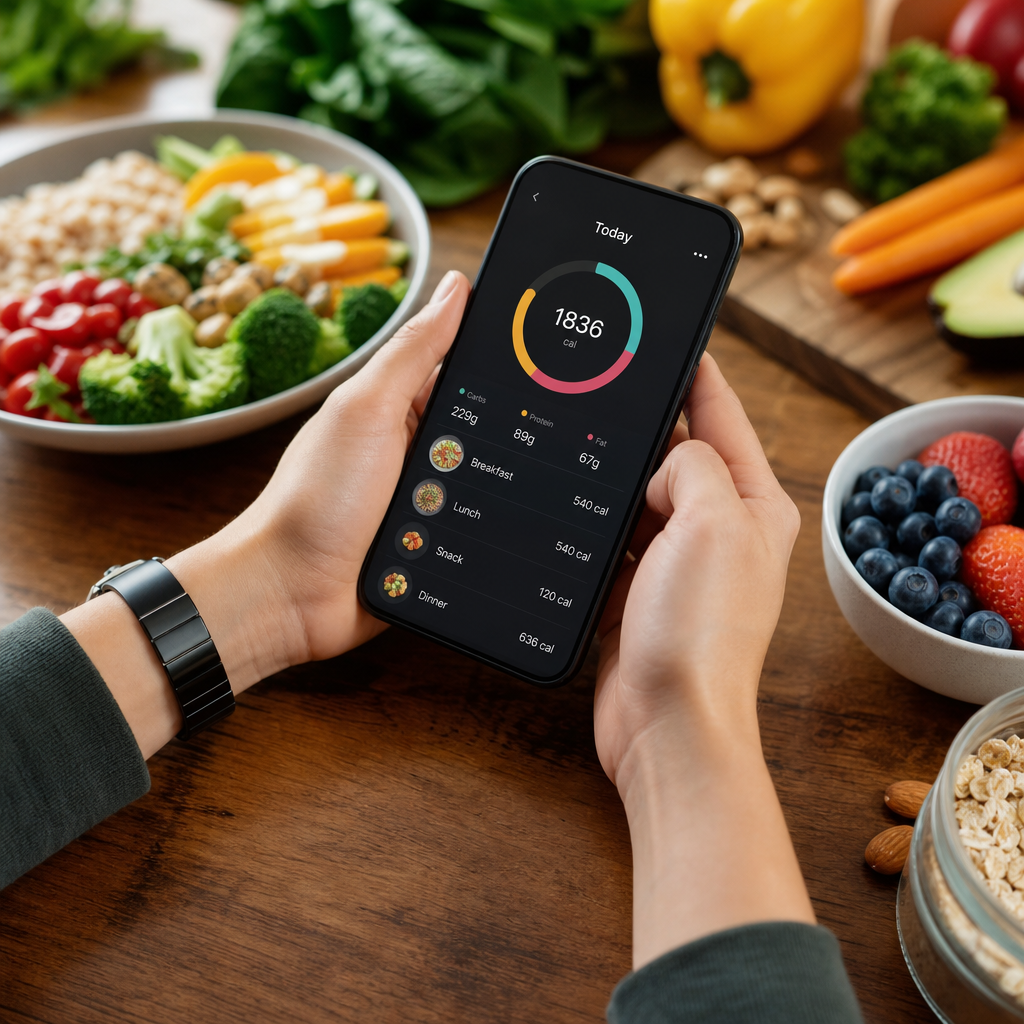 Cal AI Review 2026: The Future of Nutritional TrackingExplore a comprehensive review of Cal AI's anticipated features and reliability in 2026 for effective nutritional tracking.
 Calories vs Macros: What Matters More in Your Diet?Discover the crucial differences between calories and macros in dieting. Understand which plays a more significant role in your weight loss success.
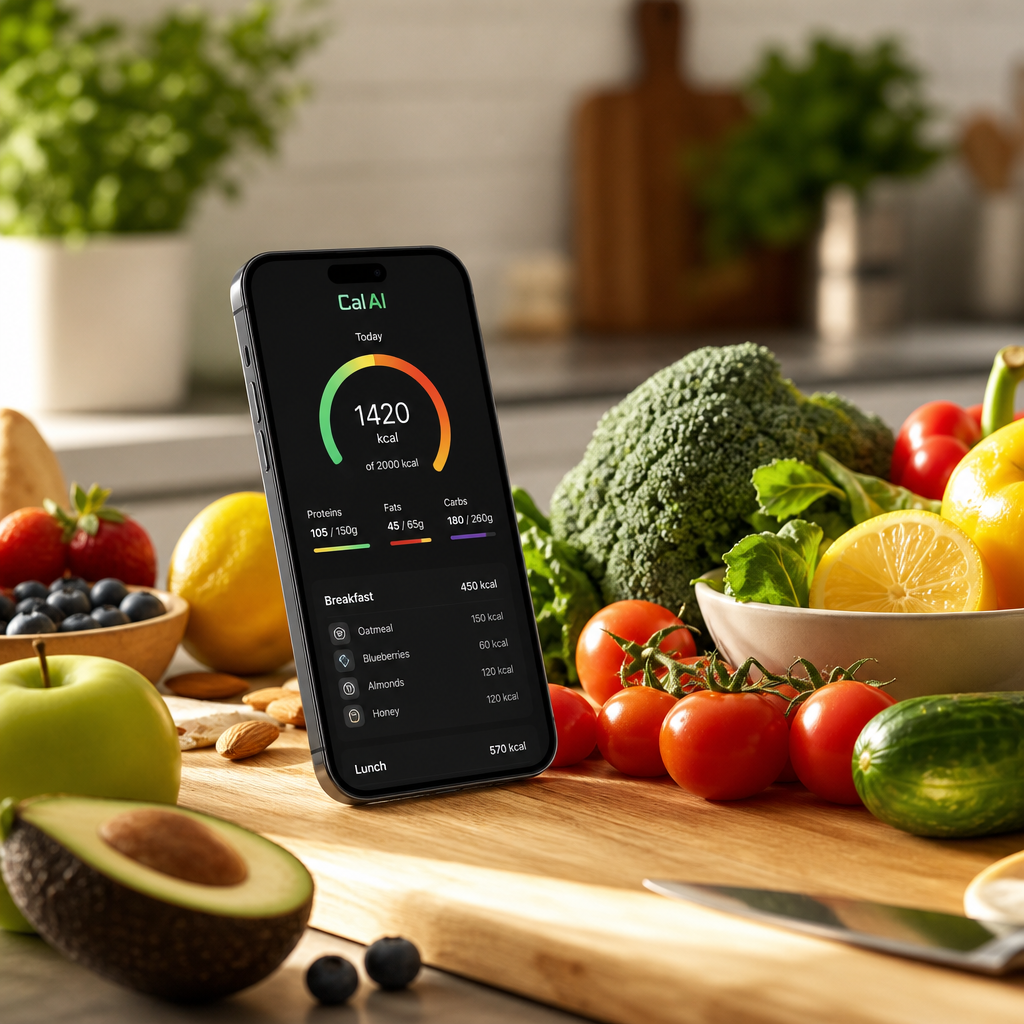 What Is Cal AI? Your Guide to AI-Powered Nutrition SolutionsDiscover how Cal AI can transform your approach to nutrition by offering instant meal analysis, calorie observation, and more!
 The Best Macro Ratio for Weight Loss: Optimizing Your IntakeDiscover the best macronutrient ratios for effective weight loss. Learn how to adjust your intake for optimal results while maintaining a healthy lifestyle.
 How Many Calories Are in Chicken Nuggets? A Comprehensive BreakdownDiscover the calorie counts of chicken nuggets from various brands and preparation methods to make informed choices for your family.
 How Much Protein Do You Need Per Day? A Comprehensive GuideDiscover your daily protein requirements tailored to your personal health goals with our in-depth guide. Find out how to calculate your needs effectively.
 How Many Calories Are in Wine? A Comprehensive GuideDiscover the calorie content in various types of wine and learn how to make informed choices without sacrificing enjoyment.
 How Many Calories Are in Beer? A Comprehensive GuideDiscover the caloric content in various beer styles and tips for enjoying beer in moderation without derailing your diet.
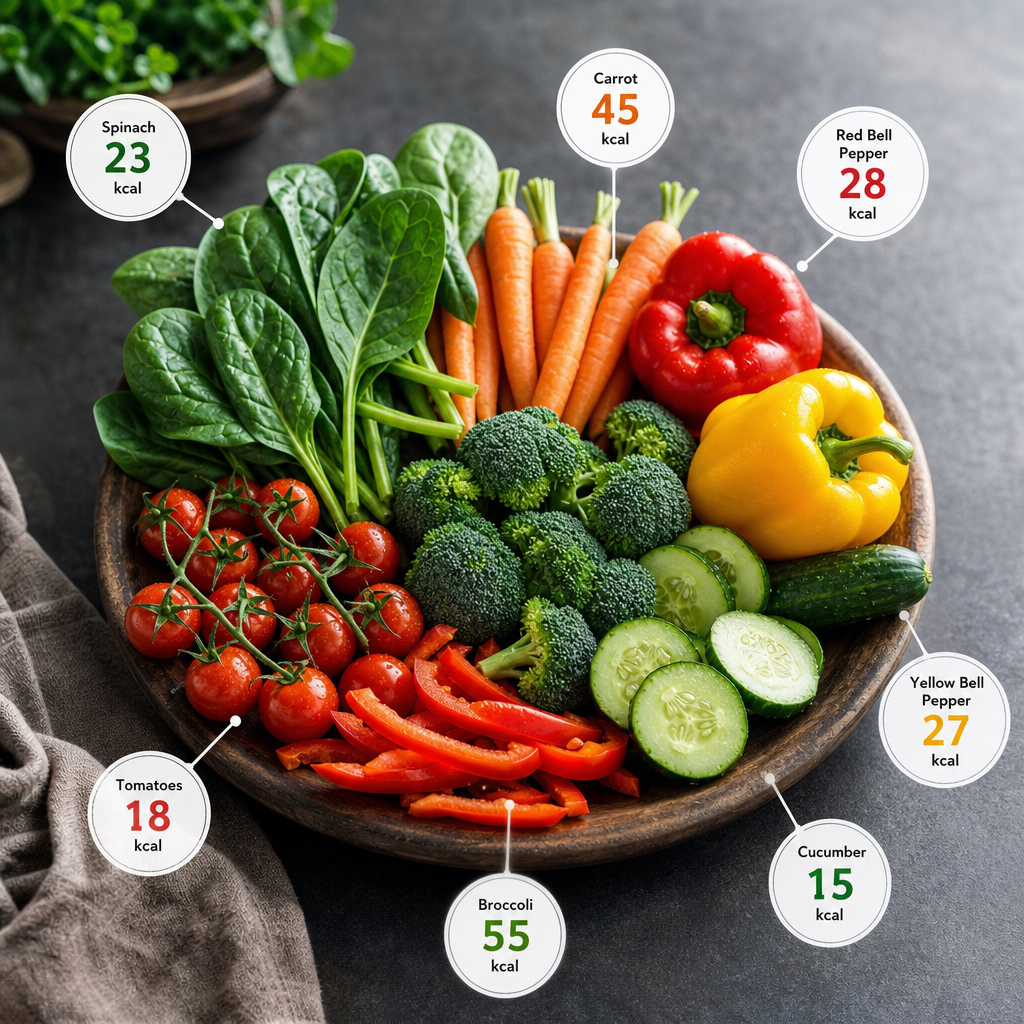 The Complete Vegetable Calorie Chart: Making Informed Dietary ChoicesExplore our complete vegetable calorie chart to make informed decisions for your diet, ensuring healthy calorie intake while enjoying a variety of vegetables.
 The Ultimate Weight Loss Vegetables List: Your Guide to Slimming SuccessDiscover the top weight loss vegetables list that can support your dieting journey with delicious, low-calorie options perfect for meals and snacks.
 How Many Calories Are in Oatmeal? A Comprehensive GuideUncover the calories in oatmeal, from plain oats to popular toppings, and learn to customize your breakfast for optimal health.
 How to Calculate Meal Calories in 5 SecondsMaster quick calorie calculation techniques to keep your meals healthy and on track, especially for busy lifestyles.
 Discovering Free Online Calorie Counter by Photo ToolsExplore the best free online calorie counter by photo tools for effective meal tracking without breaking the bank. Perfect for budget-conscious users!
 How Many Calories Are in an Americano? A Deep Dive into Your Favorite BrewDiscover the calorie content in an Americano and how it fits into a calorie-conscious diet. Explore variations, preparation methods, and health considerations.
 How Many Calories Are in an Egg? A Comprehensive GuideExplore the caloric content of eggs, different cooking methods, and how they fit into a healthy diet while tracking your nutrition goals.
 AI vs Manual Calorie Counting: Which Method Fits Your Goals?Compare AI calorie trackers and manual calorie counting for weight loss, muscle gain, and everyday nutrition tracking. See the pros, cons, and real-world use cases.
 How Many Calories Are in Pilaf? A Practical Guide to Calories in PilafPilaf can be a light rice side dish or a rich one-pot meal, depending on the grains, oils, and meats used. Here’s how to estimate calories in pilaf with real serving examples.