How Many Calories Are in Chicken Breast? A Fitness-Focused Breakdown
Chicken breast is a staple in high-protein diets, but the calories in chicken breast change depending on portion size, cooking method, and whether it’s skinless or not. Here’s a practical breakdown for fitness and muscle-building goals.
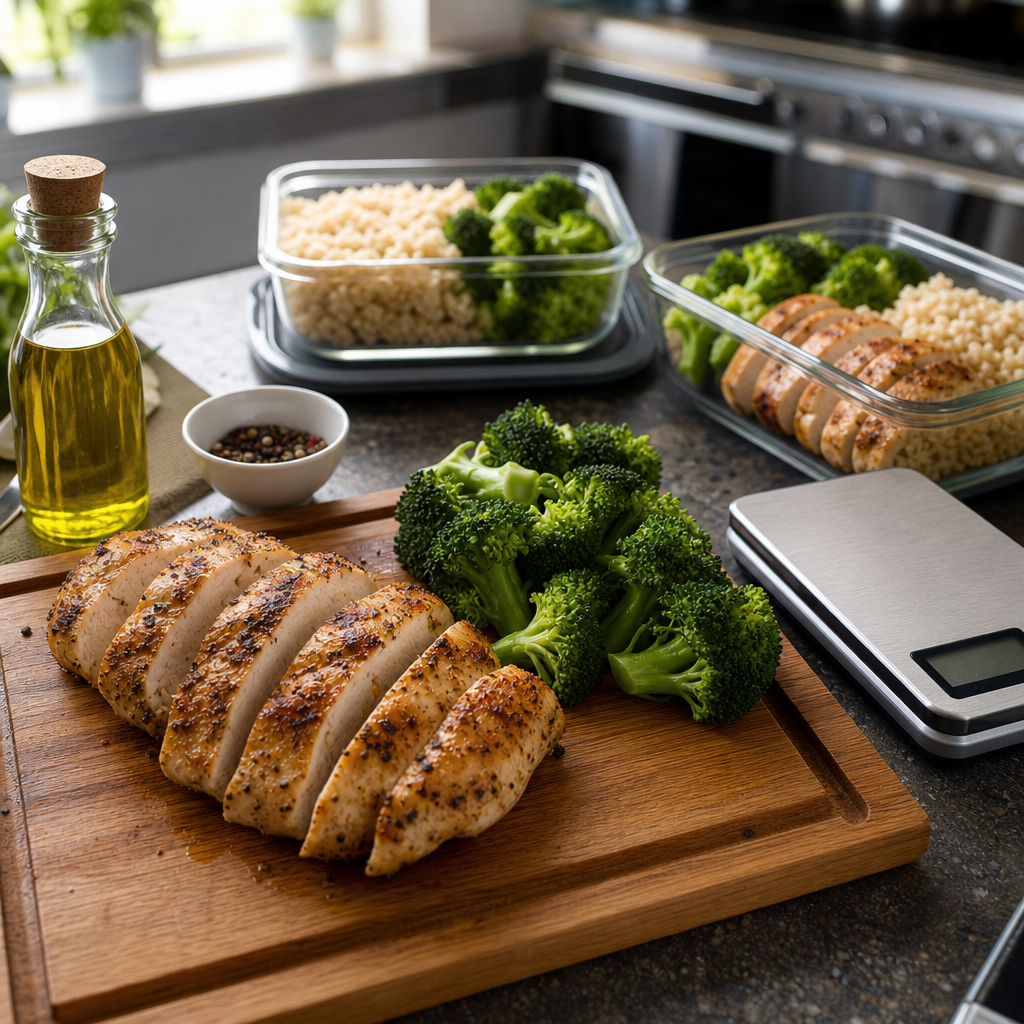
Calories in Chicken Breast: The Quick Answer
If you’re tracking macros, the quick answer is that a skinless, boneless chicken breast contains about 165 calories per 100 grams when cooked. That makes it one of the most efficient protein sources for people who want to build muscle without pushing calories too high.
For a typical cooked chicken breast portion, the calorie count depends on size. A small breast may land around 130 to 150 calories, a medium one around 165 to 200 calories, and a large breast can easily climb to 250 calories or more. The biggest variable is not just size, but whether you weigh it raw or cooked.
Why Chicken Breast Is So Popular in High-Protein Diets
Chicken breast earns its place in bodybuilding diets because it delivers a lot of protein for very few calories. In a 100-gram cooked serving, you’ll usually get about 31 grams of protein, 3 to 4 grams of fat, and essentially no carbs. That protein density makes it easy to hit daily targets for muscle growth or fat loss.
For comparison, a 100-gram serving of chicken thigh typically has more fat and more calories, while lean fish like cod is even lower in calories but often less filling per bite. If you’re trying to keep your diet flexible, chicken breast is a practical middle ground: lean, versatile, and easy to pair with carbs or vegetables. If you want more context on lean protein choices, see our guide to high-protein foods and meal prep for fat loss.
Raw vs Cooked: Why the Numbers Change
One of the most common mistakes people make when counting calories in chicken breast is mixing raw and cooked weights. Chicken loses water during cooking, so 100 grams raw does not equal 100 grams cooked in terms of calories or protein concentration.
Here’s the practical rule: 100 grams of raw chicken breast has roughly 120 calories and 22 to 24 grams of protein, while 100 grams cooked has about 165 calories and around 31 grams of protein. The food didn’t magically gain calories; it simply became more concentrated as moisture cooked off.
Serving Size Examples for Real-World Tracking
A lot of fitness tracking becomes easier when you translate chicken breast into real portions instead of abstract grams. A 4-ounce cooked chicken breast is about 113 grams and usually contains roughly 185 calories and 35 grams of protein. A 6-ounce cooked breast is closer to 280 calories and 52 grams of protein, depending on the exact cut and cooking method.
Here’s a simple meal example for a lean bulk or cutting phase: 6 ounces grilled chicken breast, 1 cup cooked rice, and 2 cups vegetables. That plate comes out to roughly 500 to 550 calories, with around 50 to 55 grams of protein, 45 grams of carbs, and 6 to 10 grams of fat depending on how much oil or sauce you use. This kind of meal is ideal for people who want high satiety without overshooting calories.
Cooking Method Matters More Than You Think
Plain chicken breast is lean, but what you do in the pan can double the calorie impact of the meal. Grilling, baking, poaching, and air frying with minimal oil keep calories close to the base number. Pan-frying with butter or soaking chicken in creamy sauces can add 50 to 200 extra calories very quickly.
For example, 1 tablespoon of olive oil adds about 120 calories. If you cook two chicken breasts in a generous splash of oil, that’s a meaningful change to your meal plan. For bodybuilders in a tight cutting phase, those hidden calories matter. For general fitness readers, they still matter if you’re tracking body composition carefully. If you’re comparing protein options, our chicken thigh calories article shows how the cut changes the macro profile.
Chicken Breast for Weight Loss, Muscle Gain, and Performance
Chicken breast works in both calorie deficit and muscle-building phases because it helps you manage hunger while supporting recovery. During fat loss, the high protein content can help preserve lean mass, especially when combined with resistance training. During a bulk, it gives you a clean protein base so you can spend more calories on carbs that fuel training.
A practical macro strategy for fitness enthusiasts is to aim for 25 to 40 grams of protein per meal. That usually means 3.5 to 5.5 ounces of cooked chicken breast per serving. If you train hard five to six days per week, spreading protein across 3 to 5 meals can improve recovery and make your daily intake easier to hit. For more training-related nutrition ideas, see how many calories you should eat to lose weight and best post-workout meals.
How to Build Better Chicken Breast Meals
Chicken breast is only as useful as the meal built around it. Pairing it with fiber-rich vegetables, moderate carbs, and a controlled fat source creates a balanced plate that supports performance and appetite control. For example, chicken breast with sweet potato and green beans gives you protein, slow-digesting carbs, and volume without excessive calories.
If you’re meal prepping, think in templates instead of one-off recipes. A strong template might be: 5 to 6 ounces chicken breast, 1 cup cooked rice or potatoes, 1 to 2 cups vegetables, and a measured sauce. That usually lands between 400 and 600 calories depending on ingredients. Add fruit or yogurt on the side if you need more carbs for training, or keep the plate lower-carb if you’re cutting.
Frequently Asked Questions
How many calories are in a chicken breast without skin?
A skinless, boneless chicken breast has about 165 calories per 100 grams when cooked, though the total changes with serving size and cooking method.
Is chicken breast good for weight loss?
Yes. Chicken breast is high in protein and relatively low in calories, which makes it useful for staying full while controlling calorie intake.
How much protein is in chicken breast?
A 100-gram cooked serving usually provides about 31 grams of protein, making it one of the most protein-dense common foods.
Does cooking chicken breast change the calories?
The calories do not increase from cooking alone, but the weight changes as water is lost. Added oils, butter, or sauces can increase the total calories substantially.
Is chicken breast better than chicken thigh for bodybuilding?
Chicken breast is usually preferred when you want more protein with fewer calories. Chicken thigh has more fat and calories, so it can fit better in higher-calorie diets.
Want an easier way to track meals? Use Cal AI to take a photo of your food, instantly estimate calories, view protein, carbs, and fat, analyze meals with AI, and track your nutrition goals more easily.
Share this article
Cal AI
Track meals faster with Cal AI
Scan food, estimate calories, and keep your nutrition log moving without typing every ingredient.
Author
Cal AI Editorial Team
Practical guides on nutrition, calorie tracking, meal planning, and building healthier habits with Cal AI.
Editorial policyFrequently asked questions
How many calories are in a chicken breast without skin?
A skinless, boneless chicken breast has about 165 calories per 100 grams when cooked, though the total changes with serving size and cooking method.
Is chicken breast good for weight loss?
Yes. Chicken breast is high in protein and relatively low in calories, which makes it useful for staying full while controlling calorie intake.
How much protein is in chicken breast?
A 100-gram cooked serving usually provides about 31 grams of protein, making it one of the most protein-dense common foods.
Does cooking chicken breast change the calories?
The calories do not increase from cooking alone, but the weight changes as water is lost. Added oils, butter, or sauces can increase the total calories substantially.
Is chicken breast better than chicken thigh for bodybuilding?
Chicken breast is usually preferred when you want more protein with fewer calories. Chicken thigh has more fat and calories, so it can fit better in higher-calorie diets.