Can AI Identify Ingredients From a Photo? An In-Depth Look
Discover how AI technology accurately identifies food ingredients from images, transforming cooking and nutrition analysis for enthusiasts and professionals alike.
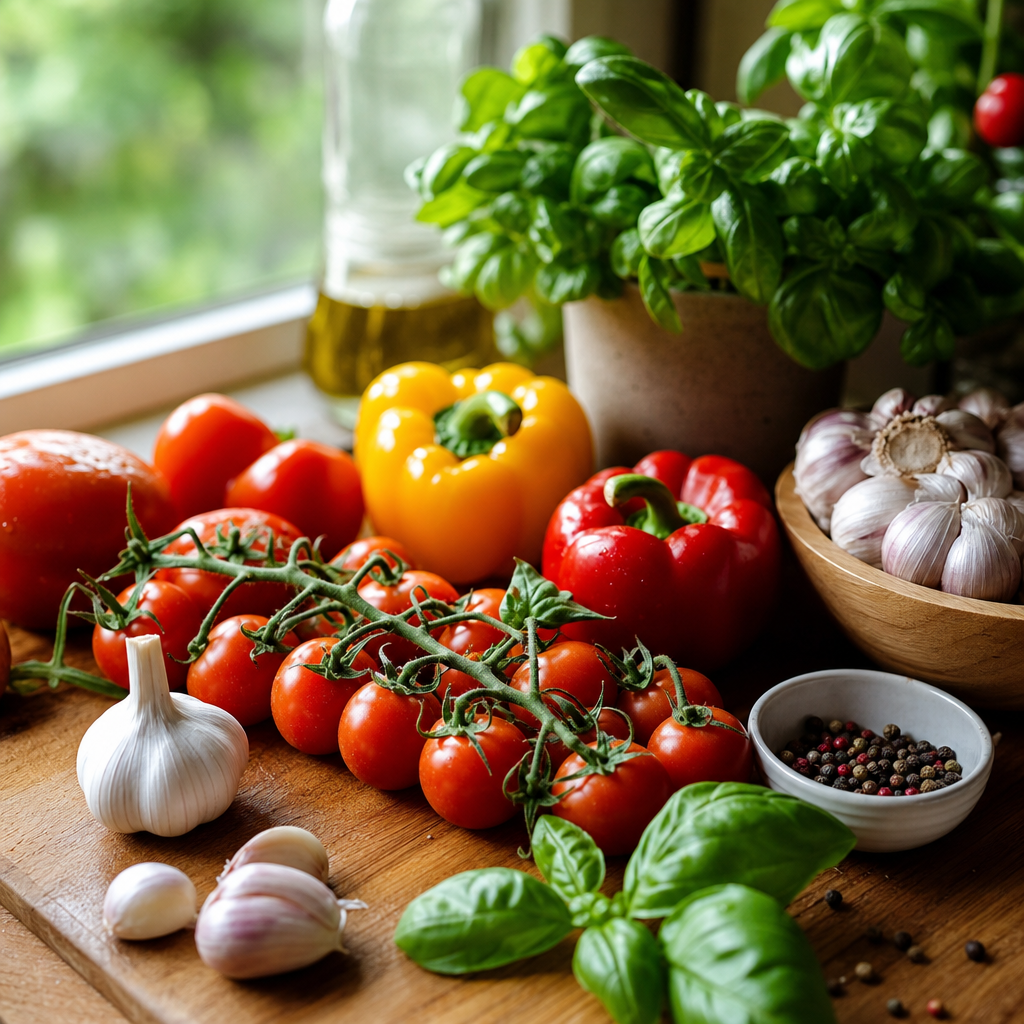
The Evolution of AI in Culinary Applications
Artificial Intelligence (AI) has made major strides over the past few years, particularly in fields like image recognition and machine learning. These capabilities are increasingly being applied to food and nutrition. The core of AI technology involves training algorithms to recognize patterns in data, and when applied to cooking, these algorithms can identify individual ingredients in an image. This advancement is particularly enticing for cooking enthusiasts who want to enhance their culinary creations or nutritionists who need precise ingredient tracking.
The integration of AI into cooking began with applications that help people discover recipes based on what’s available in their kitchens. Tools such as Yummly and Whisk allowed users to input several ingredients, which the app then matched with potential recipes. However, current advancements now focus on empowering AI to analyze photos of dishes and break them down into their constituent ingredients.
How Does AI Identify Ingredients?
At the core of ingredient identification are Convolutional Neural Networks (CNNs), a class of deep learning models designed for image processing tasks. These networks are trained on thousands of labeled images, allowing them to recognize various visual features. For example, an AI program trained to identify food might process images of tomatoes, learning to distinguish them based on color, shape, and texture.
When you take a photo of a dish, the AI scans the image and applies algorithms to identify patterns that match ingredients in its database. This capability relies heavily on the quality of the dataset used for training. If, for instance, an AI has seen many clear images of avocados but very few blurry ones, it might struggle to identify avocados in less-than-ideal lighting or angles.
Real-World Applications of Ingredient Identification
AI identifying food ingredients is not just a tech novelty; it has practical implications in various real-life scenarios. For instance, apps designed for nutrition tracking can allow users to simply scan their meals, instantly receiving not just an ingredient breakdown, but also calorie counts, macro details, and potential allergens. This offers immense convenience for anyone managing dietary restrictions or simply seeking to eat healthier.
Moreover, AI technology can assist chefs in maintaining consistency in recipes. By using AI to analyze the composition of their dishes, chefs can ensure they offer the same flavor profiles and nutritional values across different servings. Some restaurants have even begun employing AI-driven tools that evaluate customer feedback and ingredient usage to optimize their menus.
Challenges in Ingredient Identification
Despite the promising capabilities of AI in identifying food ingredients, several challenges hinder its accuracy. One significant hurdle is the variability in food presentation. Ingredients might be hidden or overlapped, making it difficult for AI to recognize them. Additionally, dishes that combine multiple ingredients, like stews or salads, often challenge AI identification, as these combinations may mask individual components.
Another issue is the quality and diversity of the training data. AI performs best when exposed to a wide variety of images that accurately represent real-world scenarios. If an AI has predominantly trained on images of gourmet presentations, it might falter when presented with casual or organic dishes. Ensuring diverse and comprehensive data collection is essential for enhancing AI capabilities.
The Future of AI in Cooking and Nutrition
Looking ahead, AI’s role in cooking and nutrition is poised to grow substantially. Tech giants and food industry leaders are investing in more sophisticated AI systems that promise real-time ingredient identification with advanced precision. Imagine a future where users interact with smart mirrors or kitchen gadgets that can assess ingredients as they cook, offering suggestions on cooking times, nutritional adjustments, or ingredient substitutes.
Additionally, as AI continues to incorporate more data from various cuisines and dietary guidelines, it will provide personalized meal recommendations that cater to individual health needs and preferences. From calorie tracking to meal planning, the integration of AI will assist users in achieving their dietary goals effortlessly.
Popular Apps Utilizing AI for Ingredient Recognition
Several existing applications showcase how AI identifies food ingredients effectively. One of the frontrunners is 'FoodAI,' which allows users to snap a picture of their meal and receive an instant breakdown of its components. Another noteworthy example is 'CalorieMama,' designed primarily for calorie counting that recognizes ingredients and assists users with nutrition tracking.
Additionally, 'Picnic's AI Food Scanner' takes it a step further by not only identifying ingredients but also suggesting recipes based on what’s been recognized. These tools highlight the practical applications of AI, making food preparation and nutritional management more accessible to users.
Frequently Asked Questions
How accurate are AI systems in identifying food ingredients?
While many AI systems show promising accuracy levels, the precision can vary based on factors such as image quality, the complexity of the dish, and the training data used. Ongoing advancements continue to improve accuracy.
Can AI analyze prepared dishes as well as raw ingredients?
Yes, AI can analyze both prepared dishes and raw ingredients, but its accuracy tends to increase with clearer presentations of individual components.
What role does machine learning play in ingredient identification?
Machine learning trains AI models using vast datasets of labeled food images, allowing them to learn patterns and improve recognition capabilities over time.
Are there privacy concerns related to using image recognition apps for food analysis?
Privacy concerns do exist, especially regarding data storage and usage. Users should ensure they understand the privacy policies related to any AI application they utilize.
What are the benefits of using AI for nutrition tracking?
AI enhances nutrition tracking by allowing users to quickly identify ingredients, analyze caloric and nutritional content, and manage dietary goals with ease and accuracy.
Discover the power of AI in tracking your nutrition! With Cal AI, you can take a photo of your food and instantly estimate calories, view protein, carbs, and fat, analyze meals, and make tracking your nutrition goals easier than ever!
Share this article
Cal AI
Track meals faster with Cal AI
Scan food, estimate calories, and keep your nutrition log moving without typing every ingredient.
Author
Cal AI Editorial Team
Practical guides on nutrition, calorie tracking, meal planning, and building healthier habits with Cal AI.
Editorial policyFrequently asked questions
How accurate are AI systems in identifying food ingredients?
While many AI systems show promising accuracy levels, the precision can vary based on factors such as image quality, the complexity of the dish, and the training data used. Ongoing advancements continue to improve accuracy.
Can AI analyze prepared dishes as well as raw ingredients?
Yes, AI can analyze both prepared dishes and raw ingredients, but its accuracy tends to increase with clearer presentations of individual components.
What role does machine learning play in ingredient identification?
Machine learning trains AI models using vast datasets of labeled food images, allowing them to learn patterns and improve recognition capabilities over time.
Are there privacy concerns related to using image recognition apps for food analysis?
Privacy concerns do exist, especially regarding data storage and usage. Users should ensure they understand the privacy policies related to any AI application they utilize.
What are the benefits of using AI for nutrition tracking?
AI enhances nutrition tracking by allowing users to quickly identify ingredients, analyze caloric and nutritional content, and manage dietary goals with ease and accuracy.
Related articles
 How Many Calories Are in a Tomato? A Comprehensive BreakdownDiscover the calorie content of tomatoes, their nutritional benefits, and how to incorporate them into your diet for optimal health.
 Crunching Numbers: The Best Low-Calorie Vegetables for SnackingExplore a variety of nutritious, low-calorie vegetables perfect for satisfying snacks while keeping your health goals in check.
 Why Hydration Matters in a Calorie DeficitDiscover the crucial role hydration plays in your weight loss journey, especially when operating in a calorie deficit.
 How to Calculate Macros for Muscle GainLearn effective strategies for calculating your macronutrients to support muscle growth and achieve your fitness goals.
 How Many Calories Are in a Pear?Explore the nutritional breakdown and health benefits of pears, an underrated fruit full of flavor and low in calories.
 Discover the Best AI Calorie Tracker Apps for Your DietExplore the top AI-powered calorie tracker apps that can help you manage your diet and reach your health goals effectively.
 How AI Calorie Counting Works: Unpacking the Technology Behind the AlgorithmDiscover how AI calorie counting apps utilize advanced technology to help you track nutrition and achieve your fitness goals.
 How Much Water Should You Drink for Weight Loss?Learn the optimal water intake for weight loss, its benefits, and practical tips to stay hydrated in your weight loss journey.
 The Future of AI Nutrition Apps: Innovations in Dietary ManagementExplore how AI nutrition apps are transforming dietary management with personalized insights, meal planning, and automated tracking.
 How Many Calories Are in Pizza? A Comprehensive GuideDiscover the calorie counts for different pizza types and toppings. Make informed choices while enjoying your favorite slice!
 Calories vs Macros: What Matters More in Your Diet?Discover the crucial differences between calories and macros in dieting. Understand which plays a more significant role in your weight loss success.
 What Is Cal AI? Your Guide to AI-Powered Nutrition SolutionsDiscover how Cal AI can transform your approach to nutrition by offering instant meal analysis, calorie observation, and more!
 The Best Macro Ratio for Weight Loss: Optimizing Your IntakeDiscover the best macronutrient ratios for effective weight loss. Learn how to adjust your intake for optimal results while maintaining a healthy lifestyle.
 How Many Calories Are in Chicken Nuggets? A Comprehensive BreakdownDiscover the calorie counts of chicken nuggets from various brands and preparation methods to make informed choices for your family.
 How Much Protein Do You Need Per Day? A Comprehensive GuideDiscover your daily protein requirements tailored to your personal health goals with our in-depth guide. Find out how to calculate your needs effectively.
 How Many Calories Are in Wine? A Comprehensive GuideDiscover the calorie content in various types of wine and learn how to make informed choices without sacrificing enjoyment.
 How Many Calories Are in Beer? A Comprehensive GuideDiscover the caloric content in various beer styles and tips for enjoying beer in moderation without derailing your diet.
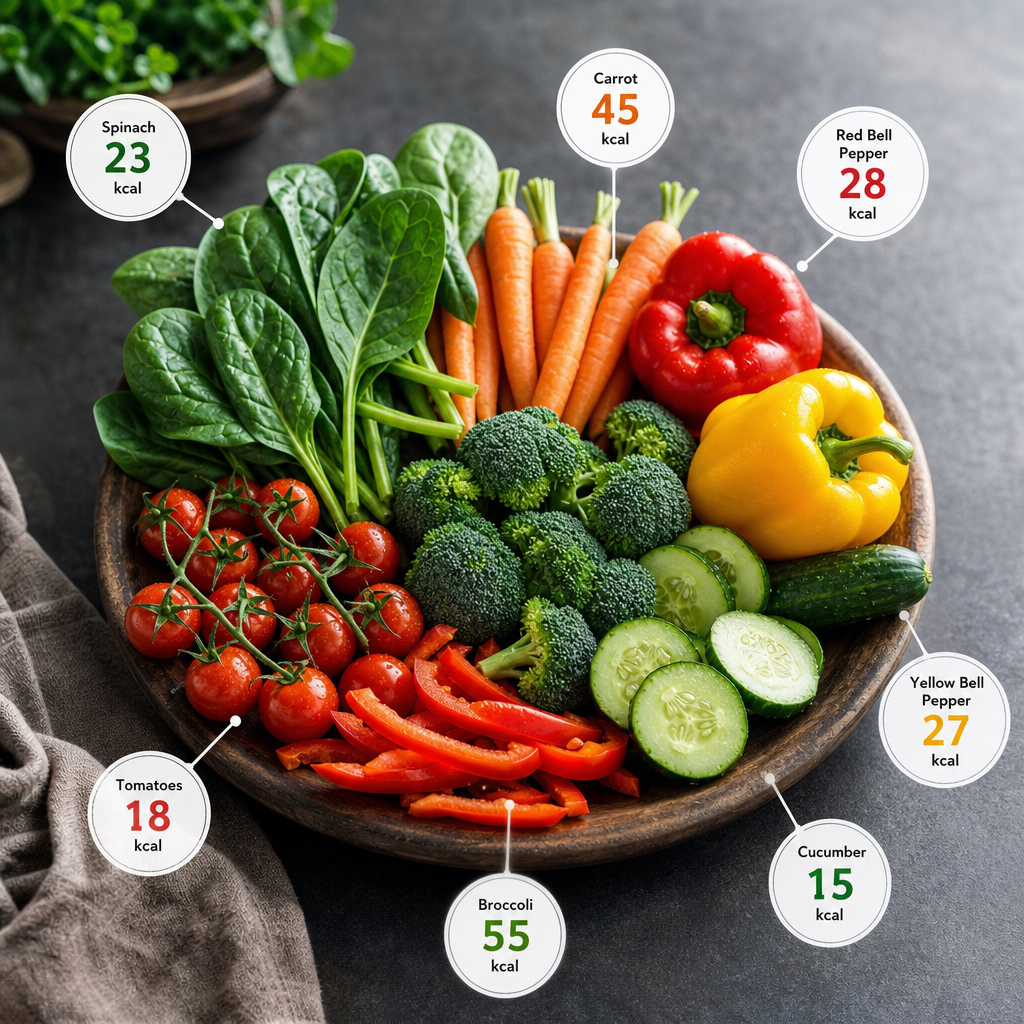 The Complete Vegetable Calorie Chart: Making Informed Dietary ChoicesExplore our complete vegetable calorie chart to make informed decisions for your diet, ensuring healthy calorie intake while enjoying a variety of vegetables.
 The Ultimate Weight Loss Vegetables List: Your Guide to Slimming SuccessDiscover the top weight loss vegetables list that can support your dieting journey with delicious, low-calorie options perfect for meals and snacks.
 How Many Calories Are in Oatmeal? A Comprehensive GuideUncover the calories in oatmeal, from plain oats to popular toppings, and learn to customize your breakfast for optimal health.
 How to Calculate Meal Calories in 5 SecondsMaster quick calorie calculation techniques to keep your meals healthy and on track, especially for busy lifestyles.
 How Many Calories Are in an Americano? A Deep Dive into Your Favorite BrewDiscover the calorie content in an Americano and how it fits into a calorie-conscious diet. Explore variations, preparation methods, and health considerations.
 How Many Calories Are in an Egg? A Comprehensive GuideExplore the caloric content of eggs, different cooking methods, and how they fit into a healthy diet while tracking your nutrition goals.
 AI vs Manual Calorie Counting: Which Method Fits Your Goals?Compare AI calorie trackers and manual calorie counting for weight loss, muscle gain, and everyday nutrition tracking. See the pros, cons, and real-world use cases.
 How Many Calories Are in Pilaf? A Practical Guide to Calories in PilafPilaf can be a light rice side dish or a rich one-pot meal, depending on the grains, oils, and meats used. Here’s how to estimate calories in pilaf with real serving examples.
 Dehydration Loss of Appetite: How Not Drinking Enough Can Mute Hunger SignalsDehydration loss of appetite is more common than many people realize. Learn how fluid balance affects hunger, digestion, and practical ways to tell thirst from true appetite.