The Power of Vegetables: Fill Up with Fewer Calories
Updated Aug 17, 20263 min read7 views
In the quest for a healthier lifestyle and effective weight management, the right foods can make all the difference. Vegetables, in particular, offer an incredible way to fill up while keeping caloric intake low. If you’ve ever found yourself nibbling on snacks but still feeling hungry, it might be time to rethink your choices. Let’s explore some vegetables that not only satiate your hunger but also come with fewer calories.
Why Vegetables are Great for Satiety
Vegetables are rich in water and fiber, two key components that help promote the feeling of fullness. The high water content in many vegetables can fill your stomach without adding extra calories, while fiber takes longer to digest, keeping you satisfied for longer periods. This combination makes vegetables a powerful ally in weight management and healthy eating.
Top Vegetables That Keep You Full
Here are some of the best vegetables to include in your meals for maximum satiety with minimal calories:
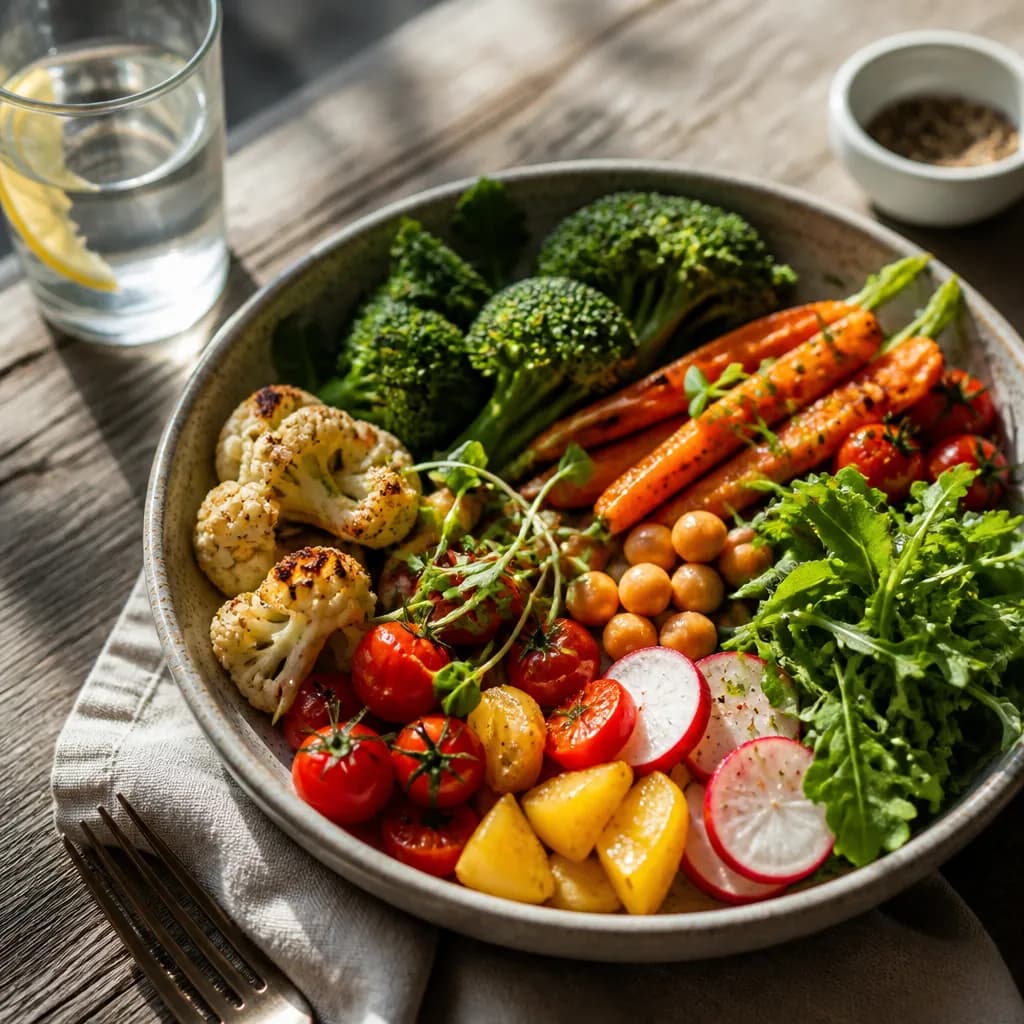
Broccoli: Low in calories and high in fiber, broccoli is a nutrient powerhouse. With about 55 calories per cup, it keeps you full and nourished. Try it steamed, roasted, or blended into soups.
Spinach: This leafy green has only about 7 calories per cup and is packed with vitamins. Spinach can be used in salads, smoothies, or cooked dishes, making it highly versatile and satisfying.
Cucumbers: With a staggering 16 calories per cup, cucumbers are excellent for hydration and can be incorporated into salads or eaten as a crunchy snack.
Cauliflower: Versatile and filling with around 25 calories per cup, cauliflower can be used as a rice substitute or made into a creamy mash, enhancing its appeal while keeping calories low.
Zucchini: This summer squash has about 20 calories per cup and can be spiralized into 'zoodles' for a low-calorie pasta alternative.
Incorporating Vegetables into Your Diet
To take full advantage of these filling vegetables, consider some of the following ideas:
Salads: Create hearty salads with a base of greens like spinach, adding in crunchy cucumbers and roasted broccoli.
Soups: Blend vegetables into soups to create a creamy texture without the calorie-laden creams. Think broccoli and spinach purees.
Snacks: Keep pre-cut vegetables in your fridge, such as carrots, celery, and bell peppers for easy, low-calorie snacking.
Substitutes: Use cauliflower or zucchini in place of high-calorie grains. Cauliflower rice or zucchini noodles can significantly reduce calorie intake without sacrificing satiety.
Final Thoughts
Incorporating more vegetables into your diet can be an enjoyable and effective strategy for maintaining satiety with lower calorie consumption. Not only do these vegetables offer substantial volumetric benefits, but they are also packed with vitamins, minerals, and antioxidants that contribute to overall health.
Next time you feel hungry between meals, consider reaching for these nutritious, low-calorie options. Make them a staple in your diet and enjoy the benefits of feeling full and satisfied.
Call to Action: Want to easily track your calorie intake while enjoying your meals? Download our app, snap a photo of your food, and let our AI calculate the calories and macronutrients for you! Stay on top of your nutrition and control your diet effortlessly.
Cal AI Editorial Team
Practical guides on nutrition, calorie tracking, meal planning, and building healthier habits with Cal AI.
Editorial policyRelated articles
- Cal AI
The scan got the dish wrong: how to fix grams and calories in Cal AI in 20 seconds
Fix a wrong Cal AI scan by choosing the closest recognition variant, correcting grams, and editing calories when the portion still looks off.
Oct 26, 20266 min read
- french fries
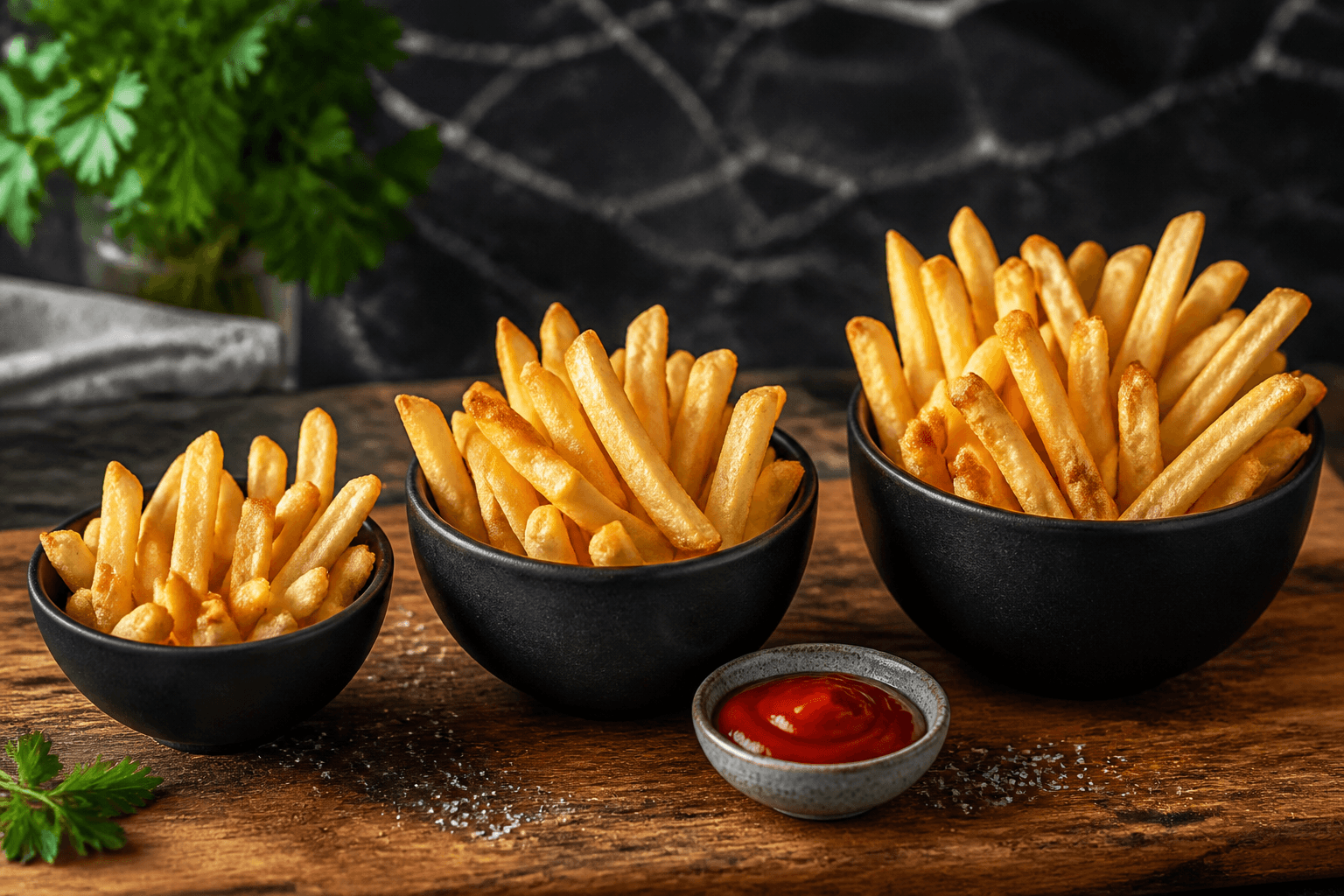
Calories in French Fries: Small, Medium and Large Portions
French fries are 312 kcal per 100 g, and a standard 117 g serving is 365 kcal. Use grams, not size names, when the portion looks unclear.
Oct 23, 20266 min read
- Cal AI
How to Cancel Cal AI Subscription on iPhone and Android
Cancel Cal AI through Apple or Google Play, not inside the app. Follow the exact menu paths and see what cancellation means for history and scans.
Oct 20, 20265 min read1 views
- chicken breast
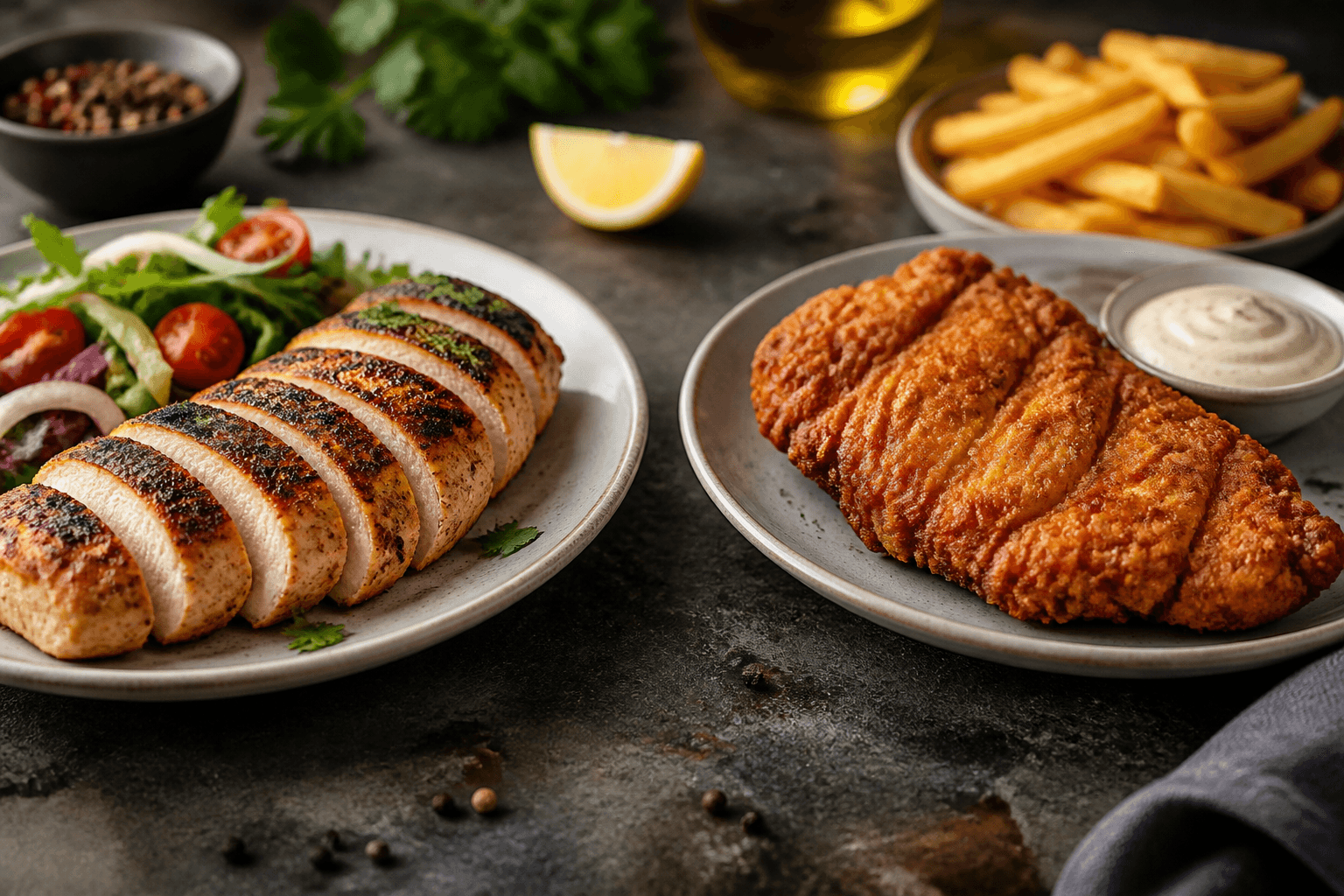
Calories in Chicken Breast: 100 g, One Breast, Grilled vs Fried
Chicken breast has 165 kcal per 100 g cooked. See one-breast calories, grilled and fried adjustments, and how to log it accurately.
Oct 17, 20266 min read1 views
- rice
White Rice vs Brown Rice: Calories, Protein, and Which to Pick
Brown rice is slightly lower in calories than white rice, but the gap is small. Compare cooked portions, macros, and which one fits your goal at meals.
Oct 14, 20266 min read2 views
- calorie calculator
How many calories do you need a day? Mifflin-St Jeor with worked examples
Use Mifflin-St Jeor to estimate daily calories from weight, height, age, and activity, with worked examples and portion checks.
Oct 11, 20268 min read