A Beginner's Guide to Reading Nutrition Labels: Unlocking the Secrets of Your Food
Updated Sep 20, 20263 min read19 views
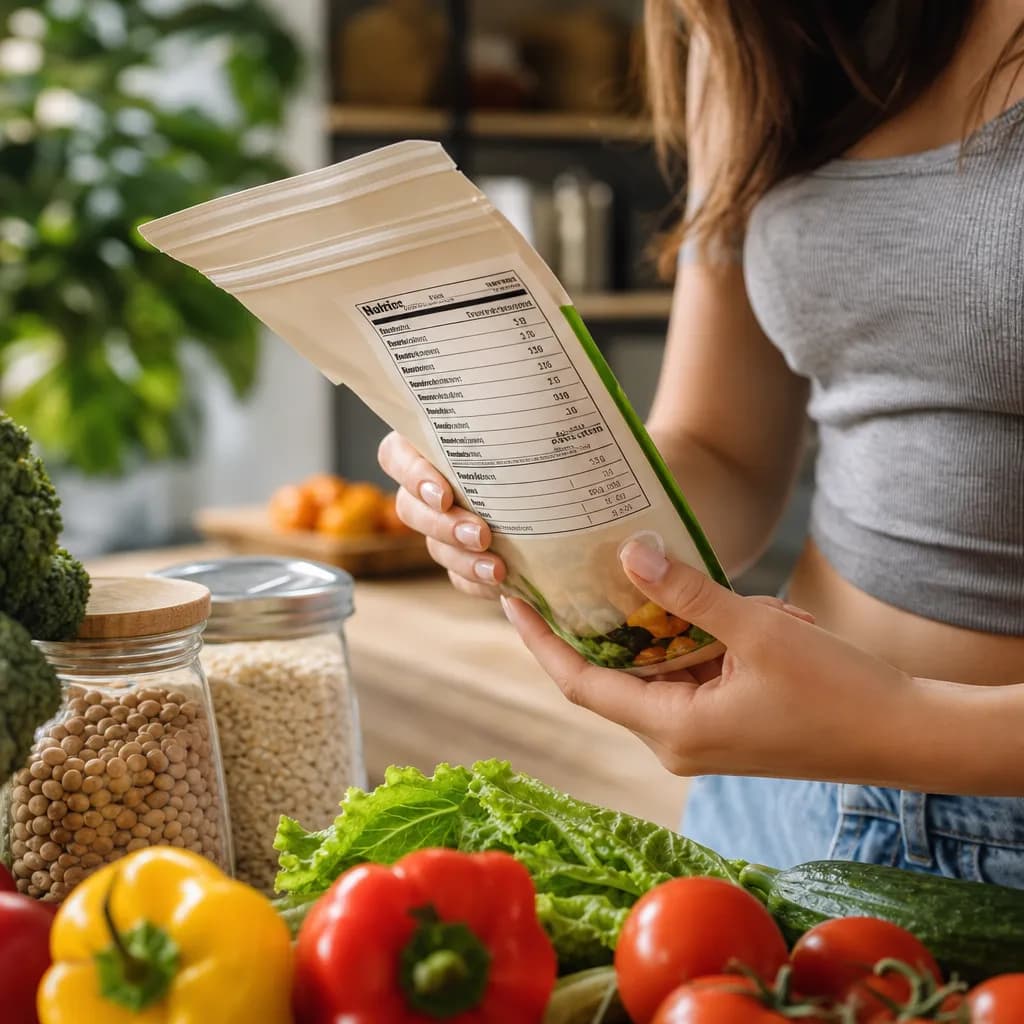
Understanding nutrition labels can feel overwhelming at first, especially for those just beginning their journey towards a healthier lifestyle. From calories to serving sizes, there’s a lot of information crammed into that little box on your food packaging. However, once you get the hang of it, reading nutrition labels can become a straightforward tool in your quest for better nutrition. Let’s break it down step by step.
1. Start with the Serving Size
The first thing you should look at on a nutrition label is the serving size. This is crucial because the rest of the information is based on that specific amount of food. Serving sizes may not always reflect what most people consider to be a single portion. For example, a bag of chips might list a serving size as 1 ounce (about 15 chips), while one person may easily eat 2 or 3 ounces in one sitting. Make sure to adjust calorie and nutrient calculations according to how much you actually consume.
2. Check the Calories
Calories represent the amount of energy you get from a serving of food. Understanding the caloric content of your meals is vital for weight management. If you’re trying to lose weight, aim for a caloric deficit by ensuring your daily intake is less than your expenditure. If you want to maintain your weight, calculate your daily caloric needs and try to stay around that number.
3. Look at the Nutrients
Next, you’ll find the nutritional breakdown of the food. Look for these key components:
- Fats: Aim for unsaturated fats (found in olive oil, avocados, and nuts) instead of saturated fats (found in butter and fatty meats). Check for trans fats which should be avoided.
- Carbohydrates: Complex carbohydrates (like whole grains) are better than simple sugars (like candy and soda).
- Proteins: A crucial nutrient for muscle repair and growth, proteins should make up a significant part of your diet.
4. Vitamins and Minerals
Most nutrition labels will indicate the percentage of daily values (%DV) of essential vitamins and minerals. A %DV of 20% or more is considered high, while 5% or less is low. Pay particular attention to nutrients you might be lacking in your diet like fiber, vitamin D, calcium, and iron.
5. Ingredient List
The ingredient list is crucial for determining the quality of the food you’re consuming. Ingredients are listed in order of weight, from most to least. Shorter ingredient lists generally indicate less processed foods. Aim to choose foods with whole ingredients rather than ones containing chemicals or artificial flavors.
6. Beware of Health Claims
Many products boast health claims like "low fat," "sugar-free," or "high in protein," but these terms can be misleading. Always refer back to the nutrition label for accurate information. For instance, low-fat products might have higher sugars to enhance flavor, making them less healthy overall.
Tips for Beginners
- Take your time to learn by comparing labels on similar products.
- Make it a habit to read the labels of your favorite foods.
- Keep a food diary and note down the nutritional values of meals.
In conclusion, reading nutrition labels follows a simple logic: serving size, calories, nutrients, and ingredient quality. Educating yourself about what goes into your food not only helps you make better choices but also empowers you in your pursuit of a healthier lifestyle.
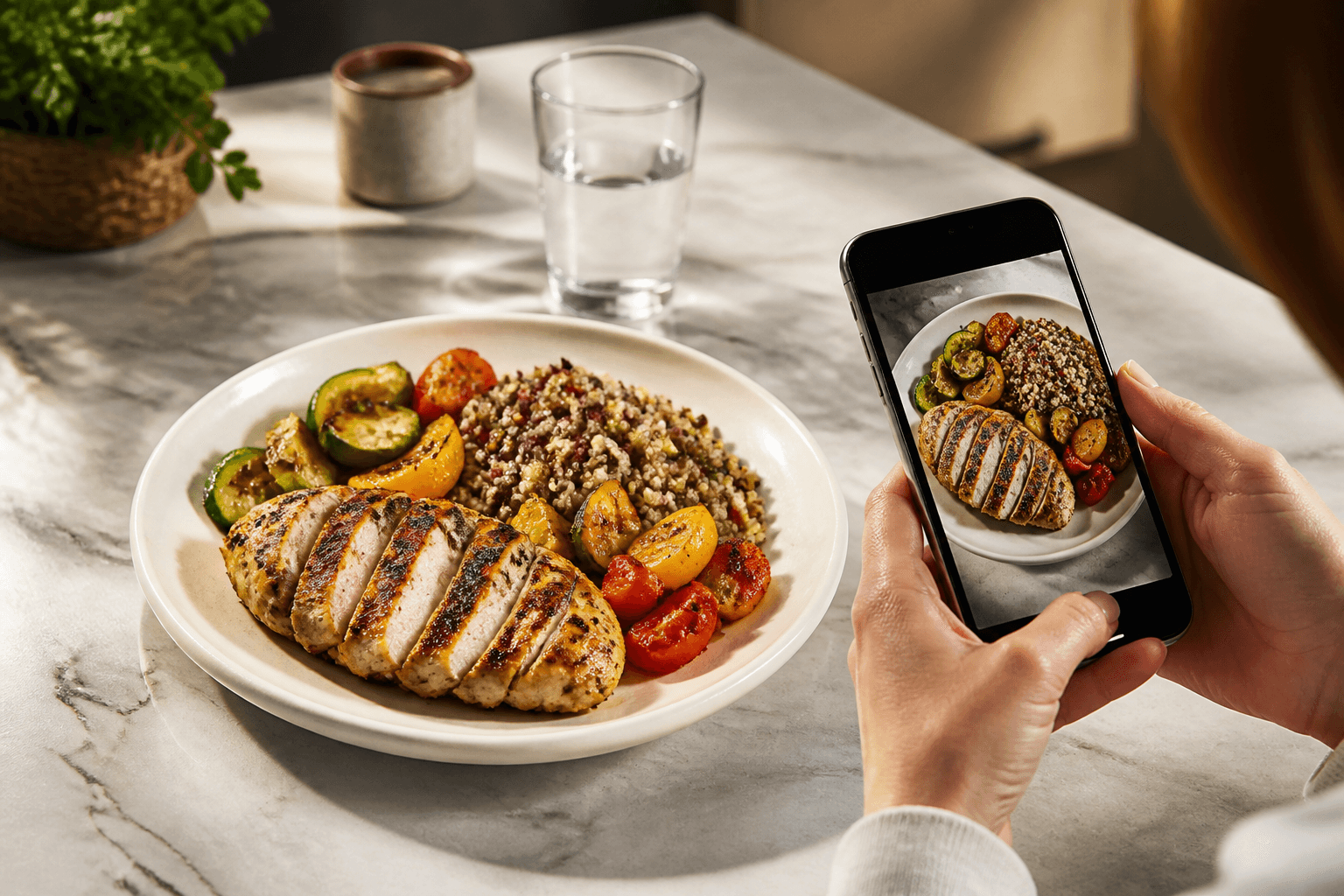
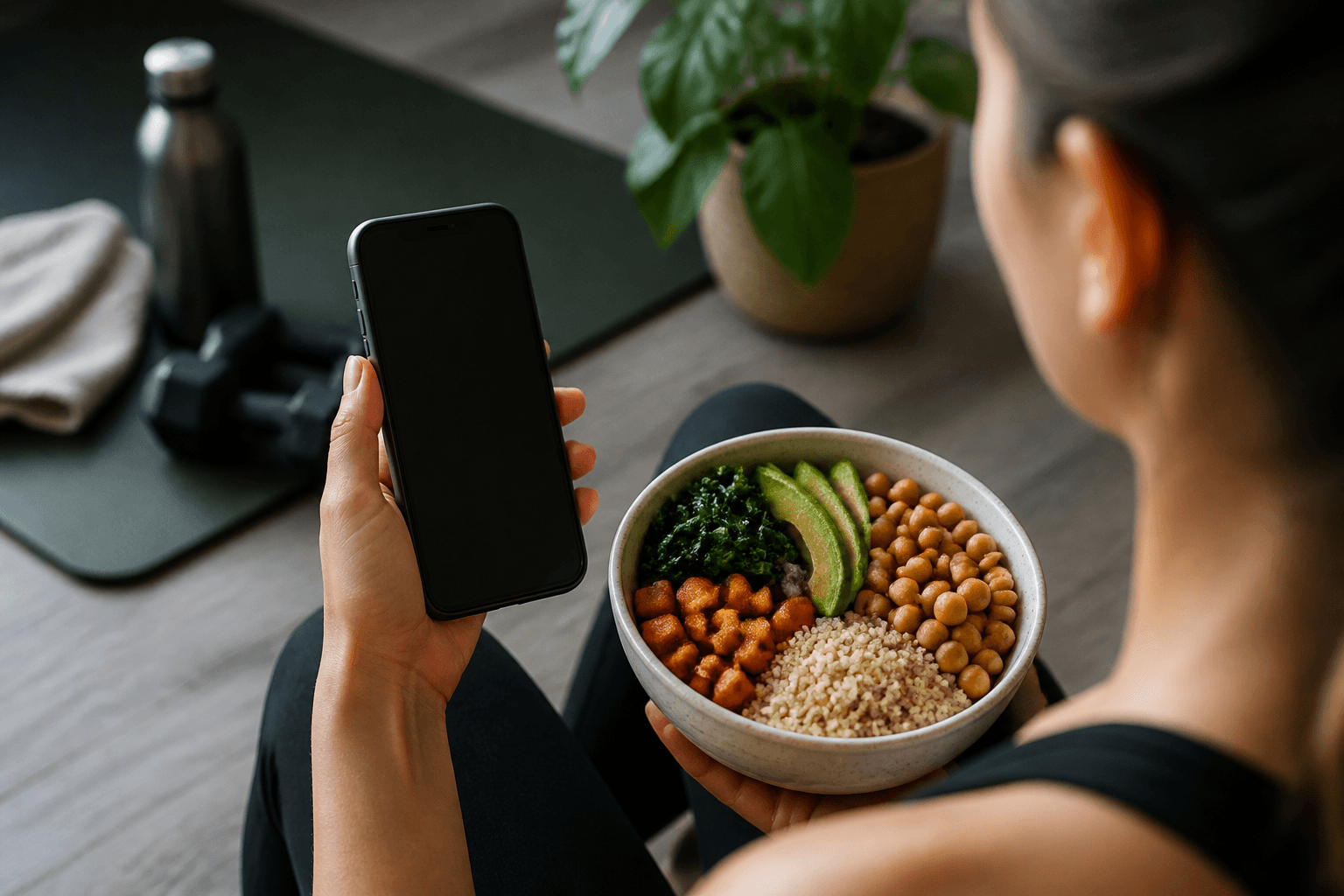
Ready to take your food tracking to the next level? Download our app where you can upload a photo of your meal, and let our AI determine nutritional values, calories, and macronutrients for you. Control your diet with ease and stay on track towards your health goals!
Cal AI Editorial Team
Practical guides on nutrition, calorie tracking, meal planning, and building healthier habits with Cal AI.
Editorial policyRelated articles
- Cal AI
The scan got the dish wrong: how to fix grams and calories in Cal AI in 20 seconds
Fix a wrong Cal AI scan by choosing the closest recognition variant, correcting grams, and editing calories when the portion still looks off.
Oct 26, 20266 min read
- french fries
Calories in French Fries: Small, Medium and Large Portions
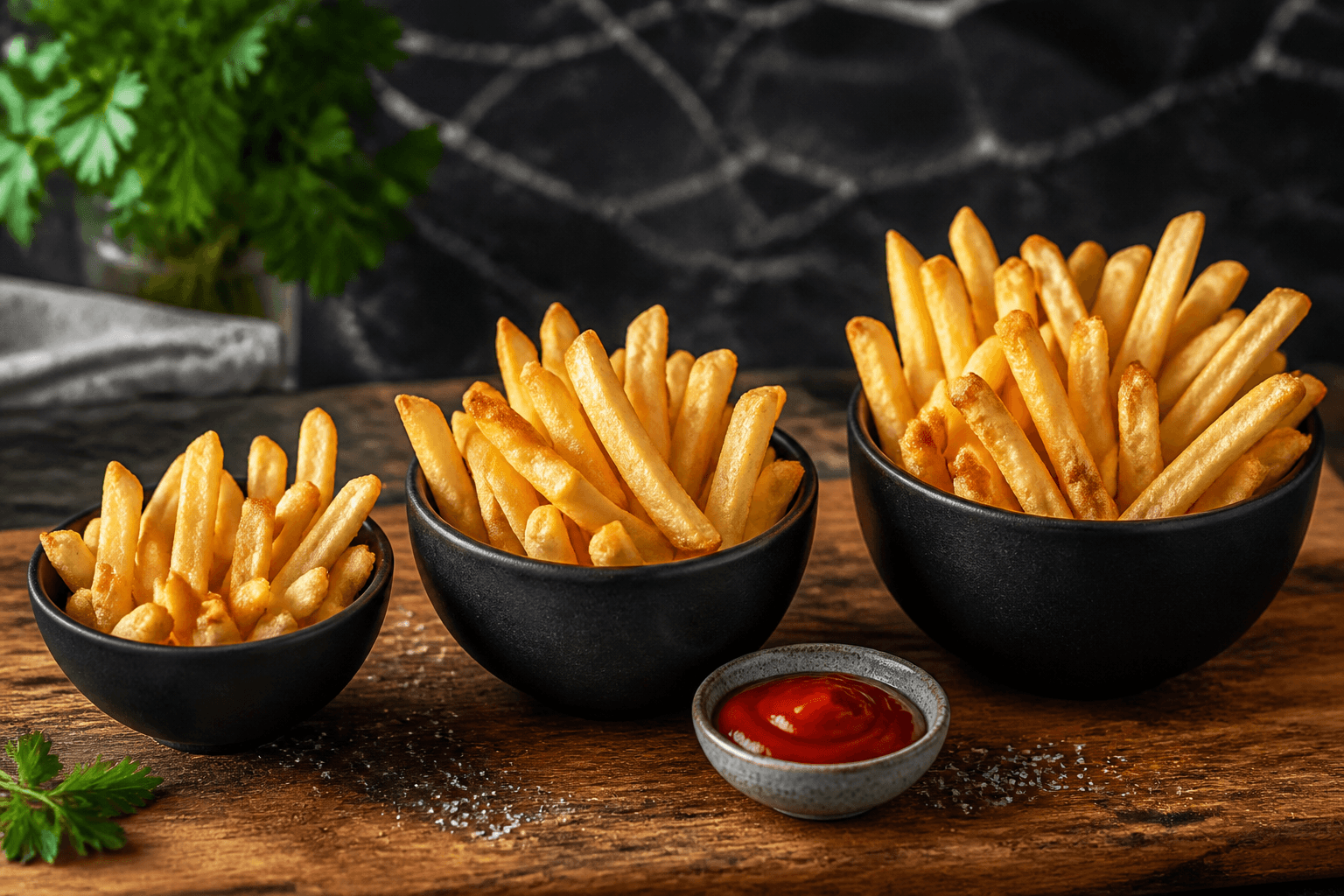
French fries are 312 kcal per 100 g, and a standard 117 g serving is 365 kcal. Use grams, not size names, when the portion looks unclear.
Oct 23, 20266 min read
- Cal AI
How to Cancel Cal AI Subscription on iPhone and Android
Cancel Cal AI through Apple or Google Play, not inside the app. Follow the exact menu paths and see what cancellation means for history and scans.
Oct 20, 20265 min read1 views
- chicken breast
Calories in Chicken Breast: 100 g, One Breast, Grilled vs Fried
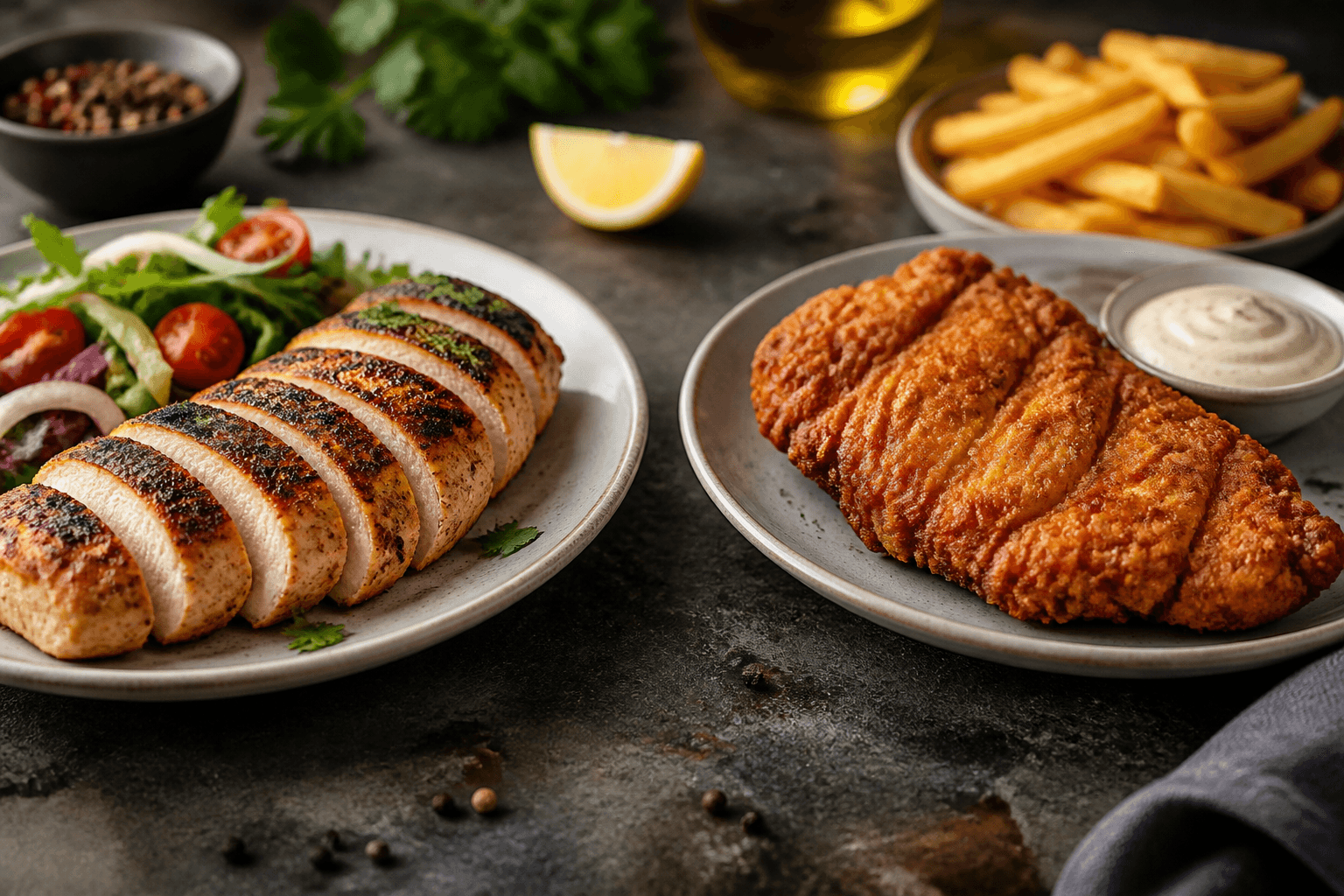
Chicken breast has 165 kcal per 100 g cooked. See one-breast calories, grilled and fried adjustments, and how to log it accurately.
Oct 17, 20266 min read1 views
- rice
White Rice vs Brown Rice: Calories, Protein, and Which to Pick
Brown rice is slightly lower in calories than white rice, but the gap is small. Compare cooked portions, macros, and which one fits your goal at meals.
Oct 14, 20266 min read2 views
- calorie calculator
How many calories do you need a day? Mifflin-St Jeor with worked examples
Use Mifflin-St Jeor to estimate daily calories from weight, height, age, and activity, with worked examples and portion checks.
Oct 11, 20268 min read