Unlocking the Secrets of Nutrition Labels: A Beginner's Guide

In today's health-conscious world, knowing how to read nutrition labels is essential for making informed food choices. Nutrition labels provide crucial information about the food we consume. For beginners, these labels can be overwhelming, filled with numbers, percentages, and nomenclature that may seem foreign. However, with this guide, you’ll learn how to effectively interpret nutrition labels and apply this knowledge to your daily eating habits.
Understanding Serving Size
The first element you need to focus on is the serving size. This is the amount of food that the nutritional values on the label are based on. Serving sizes can be found at the top of the label and are often formatted in common units like cups, ounces, or pieces. It’s crucial to pay attention to this number because all the calorie and nutrient amounts that follow pertain to this specified serving.
For example, if a serving size is listed as 1 cup and it contains 200 calories, but you typically eat 2 cups, you need to double that caloric intake, meaning you would consume 400 calories.
Calories Count
Calories are a measure of how much energy you get from a serving of food. Understanding how many calories you consume daily is an essential part of maintaining a healthy diet. A quick rule of thumb is that a food item with more than 400 calories per serving is considered high in calories, while anything below 100 calories is considered low.
The Macros: Fats, Carbohydrates, and Proteins
A good nutrition label will break down the macronutrients for you. You'll typically see total fats, carbohydrates, and proteins listed with their respective gram amounts per serving.
Total Fat: Includes both saturated and trans fats, which should be limited in your diet. Not all fats are bad; unsaturated fats found in avocados and nuts can be beneficial.
Saturated Fat: Should generally be limited to less than 10% of your total daily calories.
Trans Fat: Often found in processed foods, it should be avoided as it can raise bad cholesterol levels.
Total Carbohydrates: This includes sugars and dietary fiber. A higher fiber content (3 grams or more) is beneficial for digestive health.
Protein: Important for muscle repair and overall health, it’s crucial to know how much protein you’re consuming, especially if you are active.
Sugars and Dietary Fiber
Looking closely at sugars is essential. Watch for added sugars, which are often listed separately. These can significantly increase the calorie content without added nutritional benefits. Foods that contain fiber are beneficial for your gut health and can help keep you feeling full.
Vitamins and Minerals
Nutrition labels often list key vitamins and minerals, like Vitamin D and calcium. Aim to choose foods that provide a good source of these nutrients, especially those that contribute to your overall health, such as bone strength and immune function.
Conclusion: Make Informed Choices
The next time you’re grocery shopping, take a moment to read nutrition labels critically. It may feel tedious at first, but becoming familiar with these numbers can make a significant difference in your diet.
Remember, the goal is to understand what you’re eating and how it will impact your health. Don’t hesitate to reach for options that align with your health goals—whether that’s weight loss, muscle gain, or simply healthier living. As you become more comfortable with reading labels, you’ll find it easier to make choices that nourish your body.
Ready to take control of your nutrition? Download our food tracking app that allows you to upload photos of your meals, analyze calories, and discover your macro balance—all to help you maintain a healthier lifestyle!
Cal AI
Track meals faster with Cal AI
Scan food, estimate calories, and keep your nutrition log moving without typing every ingredient.
Get the appAuthor
Cal AI Editorial Team
Practical guides on nutrition, calorie tracking, meal planning, and building healthier habits with Cal AI.
Related articles
 The Most Filling Vegetables for Weight Loss
 Discover the Vegetables With the Fewest Calories: Your Guide to Guilt-Free Eating
 The Best Vegetables for a Calorie Deficit
 Why Strict Diets Don't Work: Understanding the Pitfalls of Extreme Restrictions
 The Best Weight Management Strategies: Proven Tactics for Success
 How to Keep a Weight Journal: Tips for Accountability and Progress Tracking
 How to Lose Weight Without Stress: Embrace a Balanced Approach
 Common Macro Tracking Mistakes: Avoid These Pitfalls for Better Results
 The Best Low-Calorie, Low-Carb Vegetables for Your Healthy Diet
 Sustainable Weight Loss Explained: Your Guide to Long-Term Success
 How to Control Your Weight With Calorie Tracking
 How to Build a Macro-Based Meal Plan: Your Ultimate Guide to Meal Prepping
 How to Track Macros Automatically: A Tech-Savvy Guide
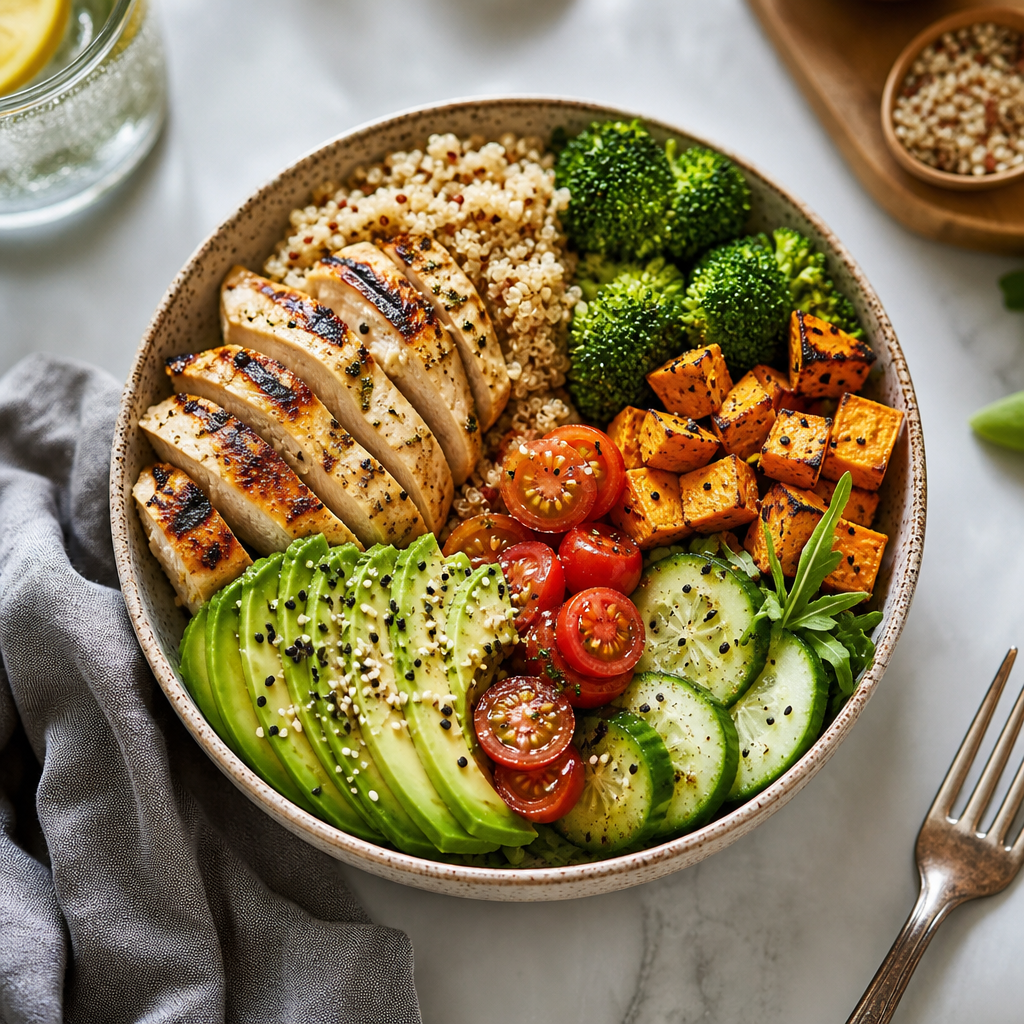 Macro Tracking for Beginners: Your Ultimate Guide to Nutritional Success
 How Many Calories Are in an Orange?
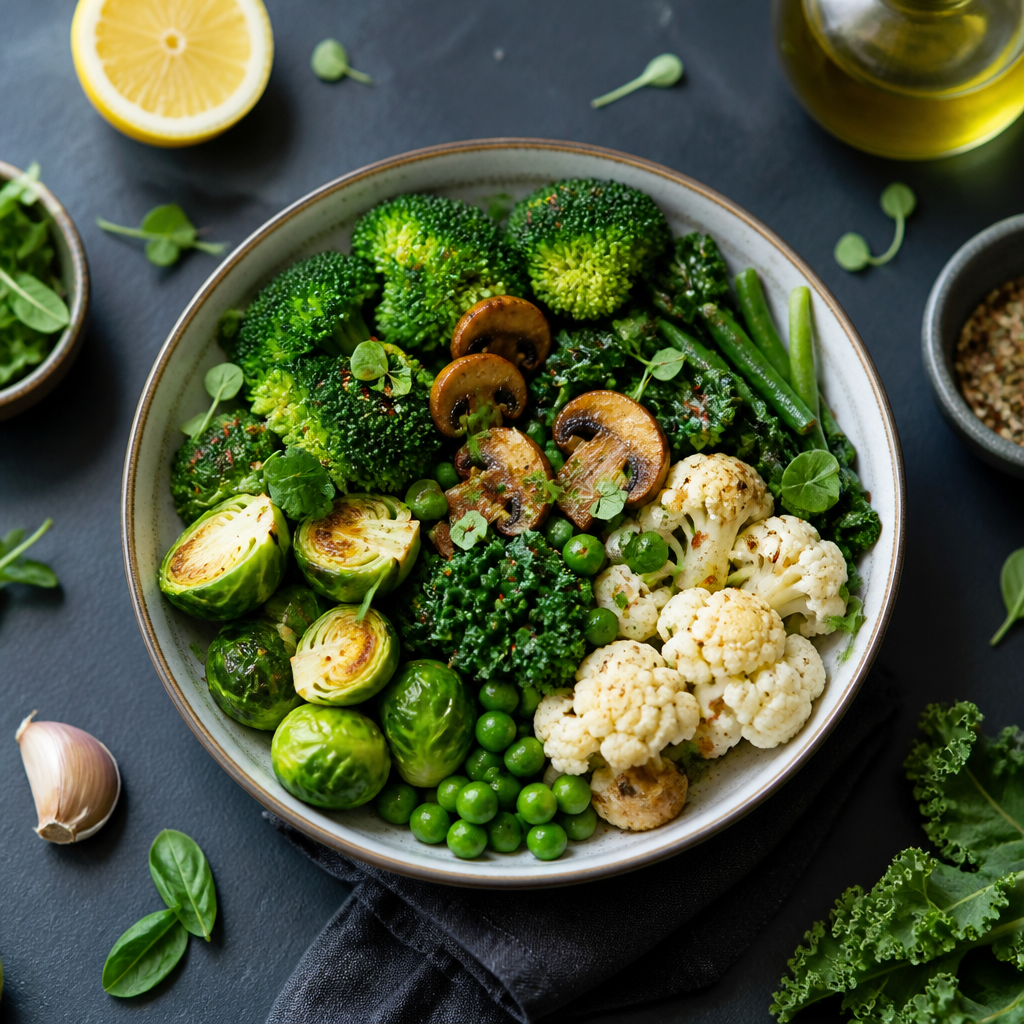 Which Vegetables Keep You Full the Longest?
 How Many Calories Are in a Cucumber? Unveiling the Secrets of This Superfood
 How Many Calories Are in a Banana?
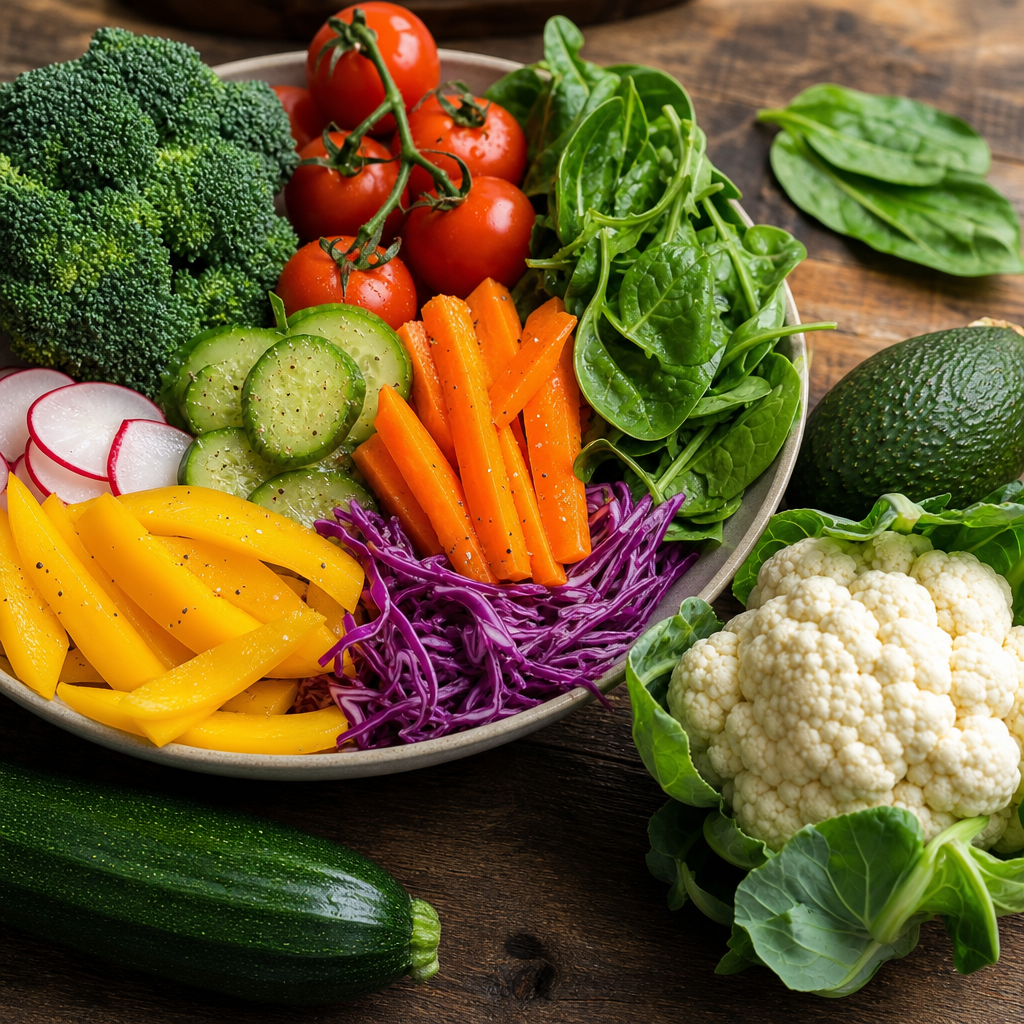 The Healthiest Vegetables for Weight Loss: Your Ultimate Guide
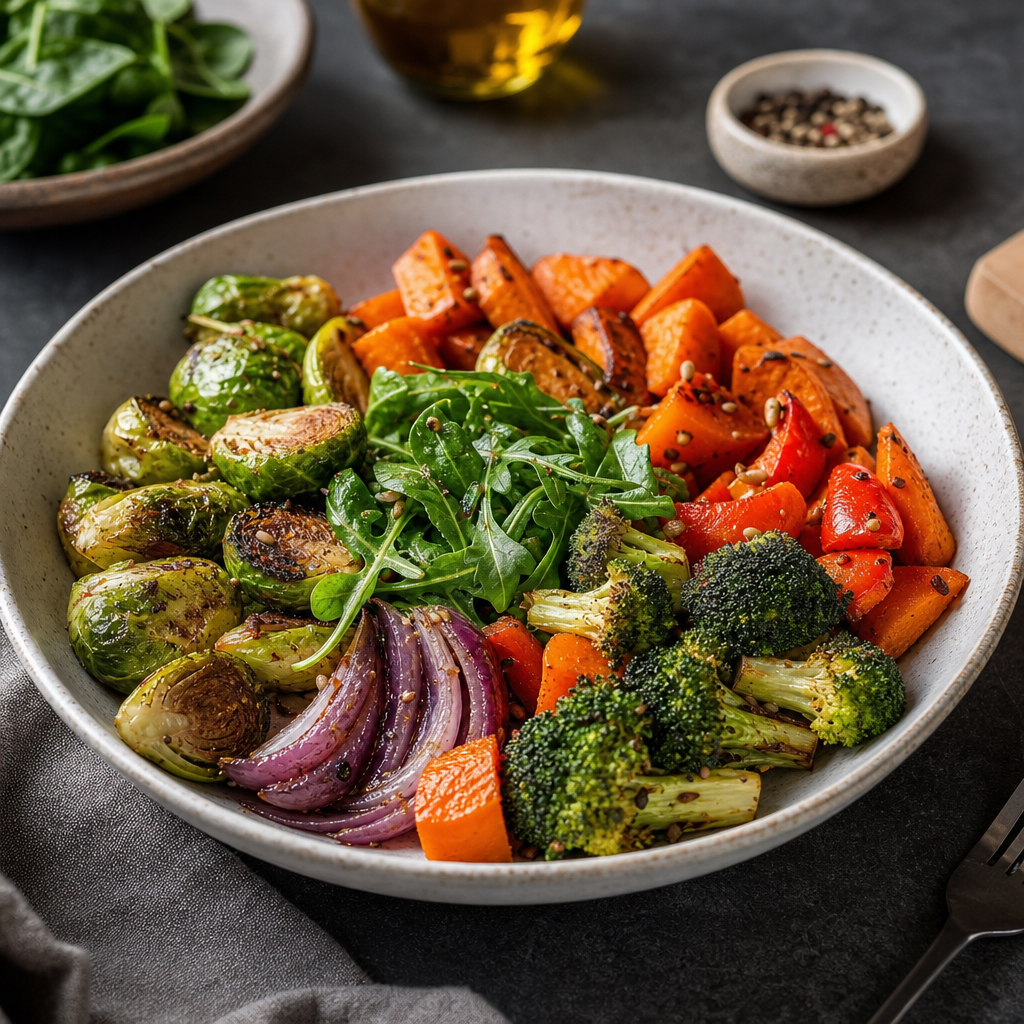 The Best Vegetables for Dinner: Nourishing Your Body While Losing Weight
 How Many Calories Are in Broccoli? An In-Depth Look
 How Many Calories Are in a Potato? Unpacking the Nutritional Value
 How to Estimate Calorie Counts Visually: A Guide for Impromptu Dieters
 Как считать калории в ресторане: Практическое руководство
 Формула Харриса-Бенедикта простыми словами
 Главные ошибки подсчета калорий
 Как считать калории без весов: Практическое руководство для диетчиков
 Почему вес не уходит при дефиците калорий: ключевые причины и решения
 Сколько калорий нужно есть в день: Определяем ваши потребности в ежедневном потреблении калорий
 Формула подсчета калорий: Ключ к успешному управлению весом