Your Guide to Reading Nutrition Labels: A Beginner's Handbook

Reading nutrition labels can seem daunting at first, but understanding these labels is crucial for making healthier food choices and managing your diet. Whether you're aiming to lose weight, maintain a healthy lifestyle, or simply be more conscious about what you eat, this beginner's guide will help you navigate nutrition labels like a pro.
Why Nutrition Labels Matter
Nutrition labels provide essential information about the foods we consume. By knowing how to read these labels, you can make informed decisions that align with your dietary goals. For example, if you’re trying to lose weight, being mindful of calorie intake is key. If you have dietary restrictions, understanding the ingredients list can help you avoid allergens or unwanted additives.
Understanding the Layout
Most nutrition labels are formatted in a similar way. Here are the main components you'll encounter:
Serving Size: This indicates the amount of food that the nutritional information applies to. Be sure to compare the serving size to how much you actually eat. Sometimes, we might underestimate our portions!
Calories: This is the total number of calories in one serving. If weight management is a goal, pay attention to this number.
Total Fat: This section breaks down the types of fats, including saturated and trans fats. Look for products lower in trans fats, which are often linked to health risks.
Cholesterol and Sodium: High levels can contribute to heart disease and high blood pressure, so it’s wise to keep these numbers low.
Total Carbohydrates: Here, you’ll find the total grams of carbohydrates, including dietary fiber and sugars. Fiber is an important nutrient that can aid digestion, while high sugar content can sabotage your health goals.
Protein: Essential for muscle repair and growth, paying attention to protein content is paramount, especially if you lead an active lifestyle.
Vitamins and Minerals: Look for labels that provide a significant source of vitamins and minerals, particularly Vitamin D, calcium, iron, and potassium.
How to Interpret Percent Daily Values (DV)
Beside many nutrients on the label, you’ll find a percentage that represents the Daily Value (DV). It indicates how much a nutrient in one serving contributes to a daily diet based on a 2,000-calorie intake. For example, a label showing 20% DV for calcium means that one serving provides 20% of the amount your body needs in a day. As a general rule:
- 5% DV or less is considered low
- 20% DV or more is considered high
Tips for Beginners
- Compare Similar Products: When shopping, compare nutrition labels on similar items to choose the healthier option.
- Be Wary of Marketing Claims: Terms like “low-fat” or “whole grain” don’t always mean the product is healthy. Always check the nutrition label to verify.
- Pay Attention to Ingredients: The ingredients list tells you what’s in the food. Aim for products with familiar, whole-food ingredients.
Example Products
Here are some examples of what to look for:
- Greek Yogurt (150 calories per serving): High in protein; look for brands that are low in sugar.
- Almond Milk (30 calories per cup): A great low-calorie alternative to dairy; check for added sugars.
- Quinoa (222 calories per cup): A complete protein and high in fiber, making it a great grain choice.
Final Thoughts
Understanding nutrition labels can empower you to make healthier choices. Don't rush the process; take your time to familiarize yourself with the information. Soon enough, you'll find it second nature to evaluate food options based on their nutritional value.
If you're looking for an easier way to control your food intake, consider using AI technology to analyze your meals. Take a photo of your food, and our AI will determine the calories and nutrients, helping you stay on track with your eating goals!
Cal AI
Track meals faster with Cal AI
Scan food, estimate calories, and keep your nutrition log moving without typing every ingredient.
Get the appAuthor
Cal AI Editorial Team
Practical guides on nutrition, calorie tracking, meal planning, and building healthier habits with Cal AI.
Related articles
 The Most Filling Vegetables for Weight Loss
 Discover the Vegetables With the Fewest Calories: Your Guide to Guilt-Free Eating
 The Best Vegetables for a Calorie Deficit
 Why Strict Diets Don't Work: Understanding the Pitfalls of Extreme Restrictions
 The Best Weight Management Strategies: Proven Tactics for Success
 How to Keep a Weight Journal: Tips for Accountability and Progress Tracking
 How to Lose Weight Without Stress: Embrace a Balanced Approach
 Common Macro Tracking Mistakes: Avoid These Pitfalls for Better Results
 The Best Low-Calorie, Low-Carb Vegetables for Your Healthy Diet
 Sustainable Weight Loss Explained: Your Guide to Long-Term Success
 How to Control Your Weight With Calorie Tracking
 How to Build a Macro-Based Meal Plan: Your Ultimate Guide to Meal Prepping
 How to Track Macros Automatically: A Tech-Savvy Guide
 Macro Tracking for Beginners: Your Ultimate Guide to Nutritional Success
 How Many Calories Are in an Orange?
 Which Vegetables Keep You Full the Longest?
 How Many Calories Are in a Cucumber? Unveiling the Secrets of This Superfood
 How Many Calories Are in a Banana?
 The Healthiest Vegetables for Weight Loss: Your Ultimate Guide
 The Best Vegetables for Dinner: Nourishing Your Body While Losing Weight
 How Many Calories Are in Broccoli? An In-Depth Look
 How Many Calories Are in a Potato? Unpacking the Nutritional Value
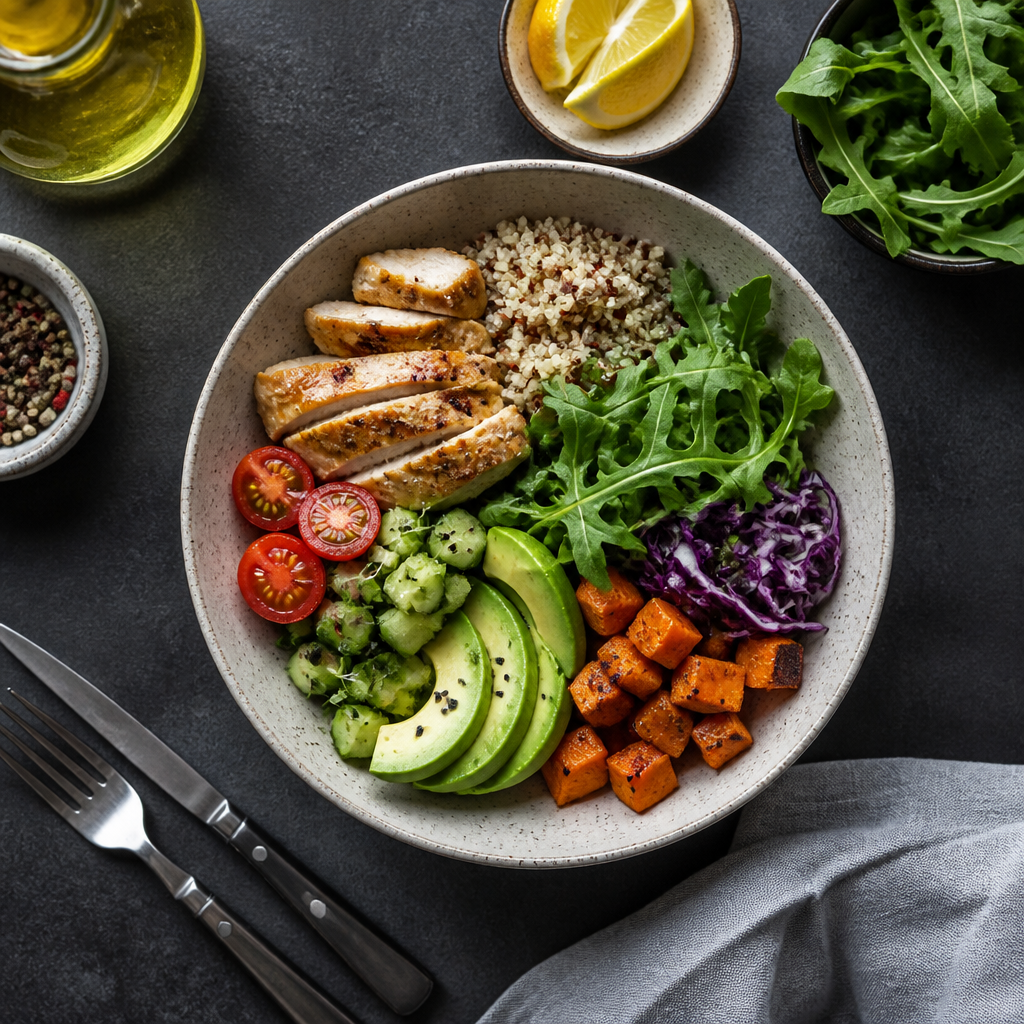 How to Estimate Calorie Counts Visually: A Guide for Impromptu Dieters
 Как считать калории в ресторане: Практическое руководство
 Формула Харриса-Бенедикта простыми словами
 Главные ошибки подсчета калорий
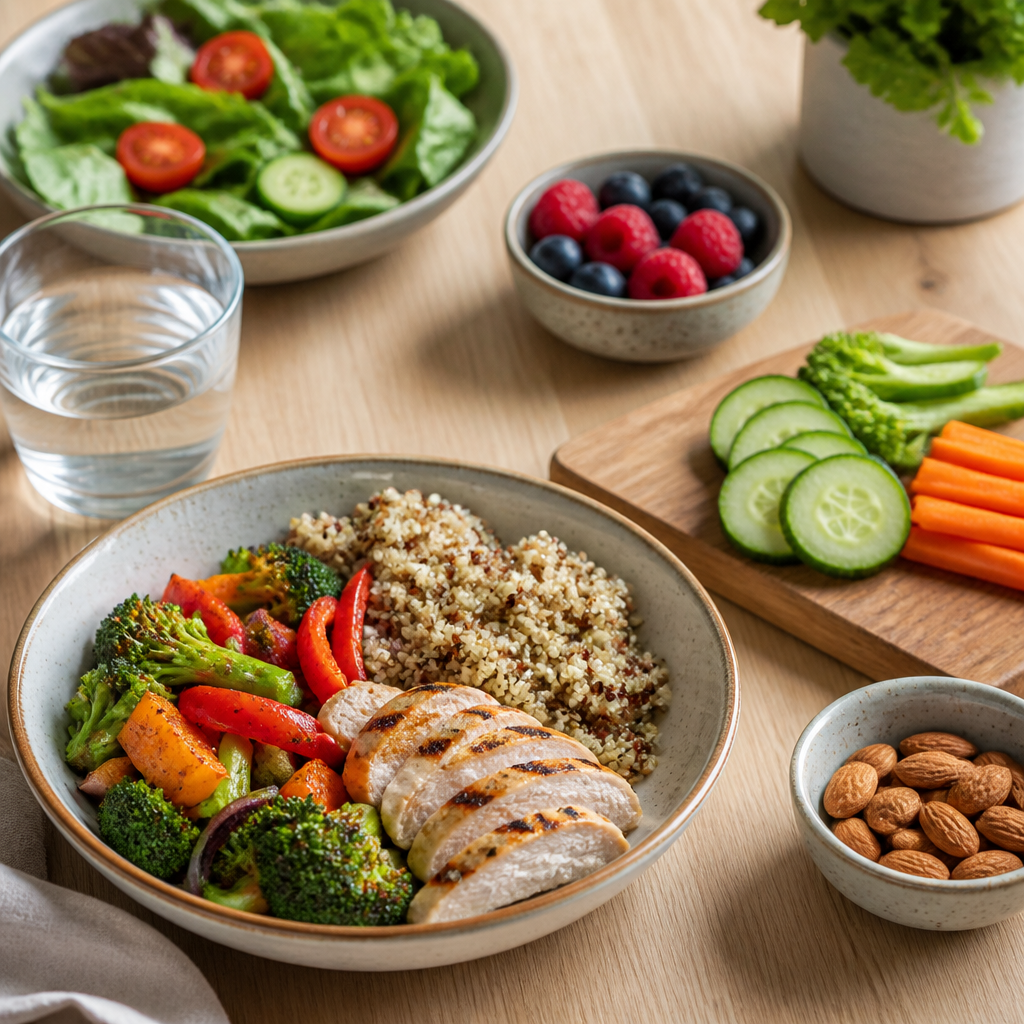 Как считать калории без весов: Практическое руководство для диетчиков
 Почему вес не уходит при дефиците калорий: ключевые причины и решения
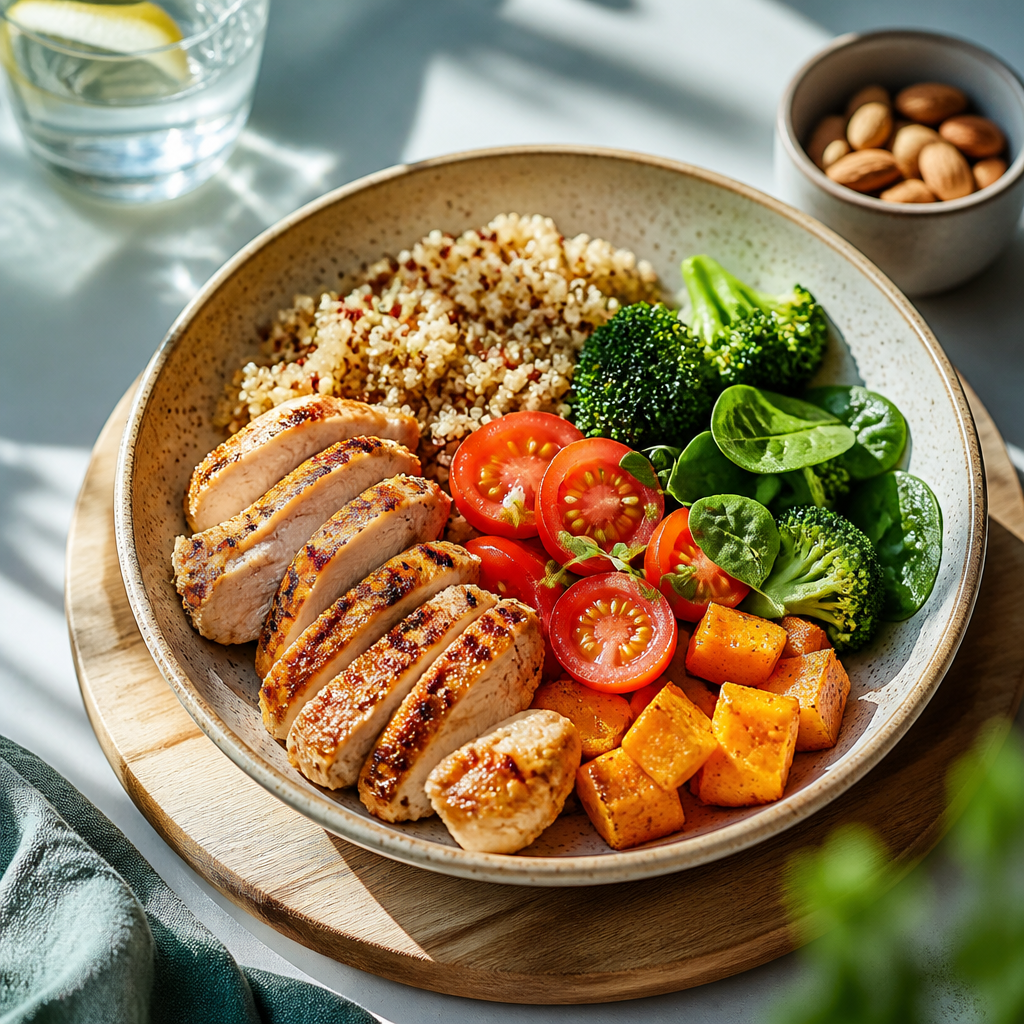 Сколько калорий нужно есть в день: Определяем ваши потребности в ежедневном потреблении калорий
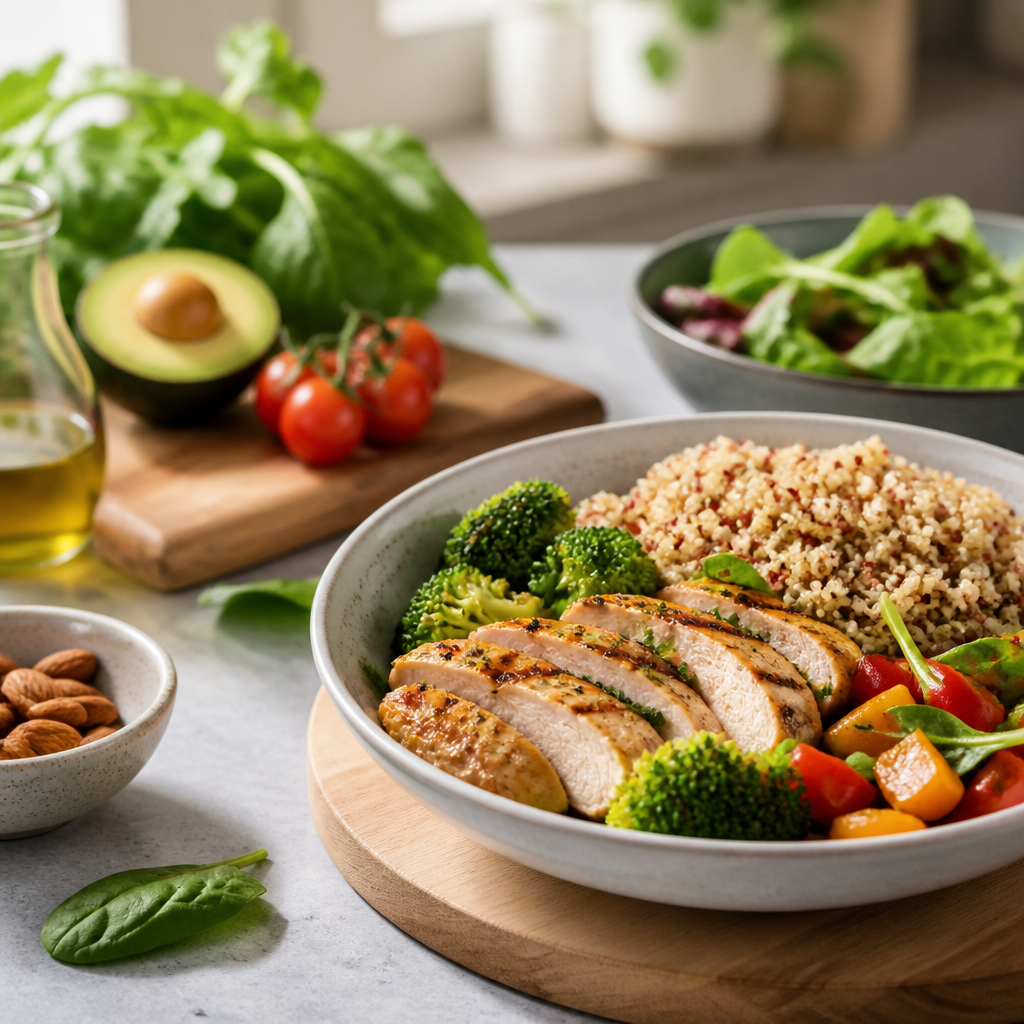 Формула подсчета калорий: Ключ к успешному управлению весом