Achieving Your Protein Goals Without Overcomplicating: A Simple Guide
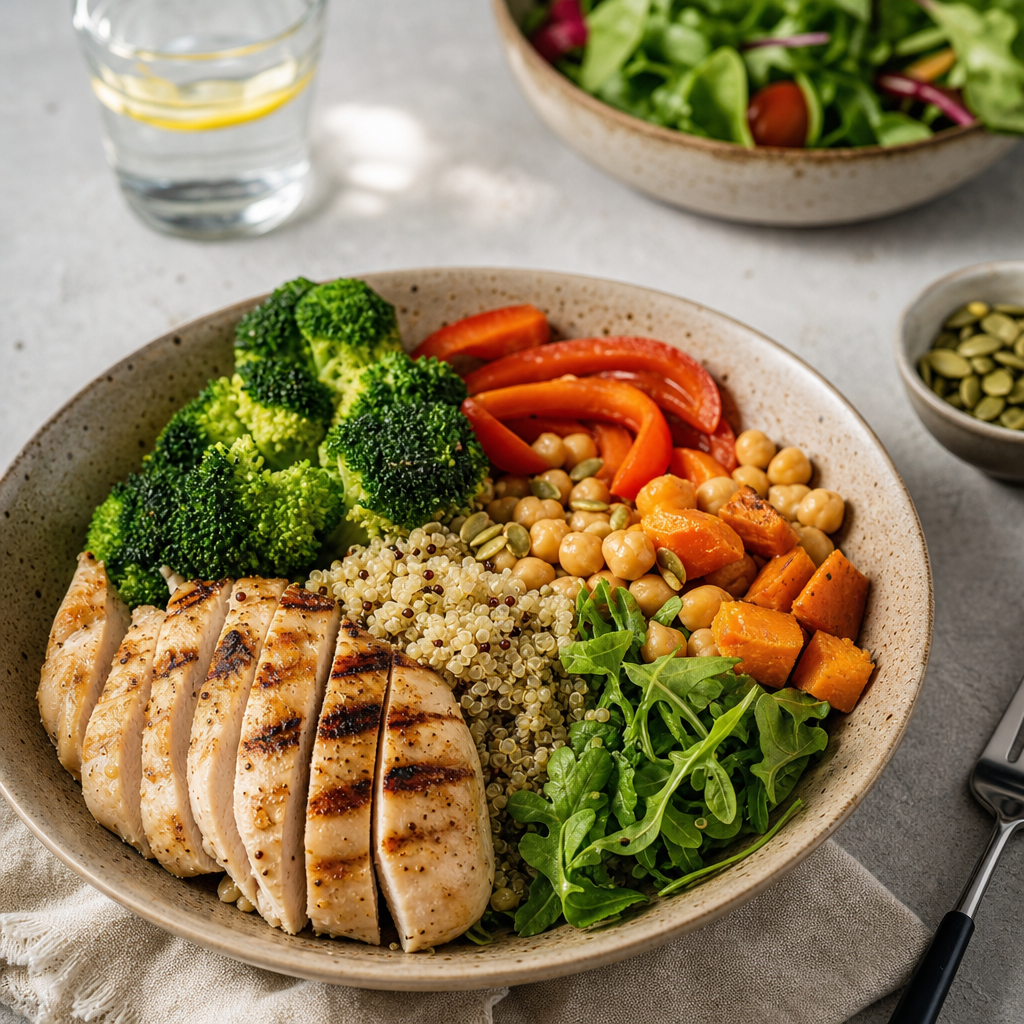
When it comes to nutrition, protein often steals the spotlight—rightfully so. It's crucial for muscle repair, weight management, and overall health. But navigating the world of protein can feel overwhelming, with endless options and recommendations. Fear not! In this guide, we’ll break down how to meet your protein goals without overcomplicating things.
Understanding Your Protein Needs
First things first: how much protein do you actually need? For the average adult, the recommended dietary allowance (RDA) is about 46 grams per day for women and 56 grams for men. However, if you’re active, you might need more. A general rule of thumb is to aim for 1.2 to 2.0 grams of protein per kilogram of body weight, depending on your activity level.
For example, a 70 kg person would need between 84 and 140 grams of protein daily. Don’t get too hung up on the exact number—focus on incorporating protein into your meals and snacks consistently.
Simple Protein Sources
Instead of tracking every morsel, consider integrating protein-rich foods into your daily diet. Here’s a list of easy-to-access sources:
Eggs: A versatile option packed with around 6 grams of protein each. Scramble them, boil them, or toss them into a salad.
Greek Yogurt: This dairy delight delivers about 10 grams of protein per 100 grams. Use it as a snack or breakfast base, topped with fruit and nuts.
Chicken Breast: A chicken breast (about 170 grams) offers around 40 grams of protein. Grill, bake, or sauté it for simple meals.
Legumes: Lentils and chickpeas are fantastic plant-based protein sources, providing about 18 grams of protein per cup cooked. Incorporate them into soups, stews, or salads.
Tofu and Tempeh: Great for vegetarians and vegans, both deliver around 15 to 20 grams of protein per serving. Stir-fry, grill, or add to curries for a satisfying meal.
Whey Protein: If you need an extra boost, whey protein powder can help you reach your goals. A typical scoop contains about 20-25 grams of protein.
Meal Planning Made Easy
Use these proteins to create simple meal plans that fit your lifestyle. A straightforward strategy is to include a source of protein in every meal and snack.
For instance:
- Breakfast: Greek yogurt with berries and a sprinkle of almonds.
- Lunch: Grilled chicken breast on a bed of mixed greens.
- Snack: A hard-boiled egg or a scoop of protein smoothie.
- Dinner: Stir-fried tofu with vegetables and quinoa.
Keep It Balanced
While hitting your protein goals is vital, don’t neglect the other macronutrients. Including healthy fats and carbohydrates is key to a balanced diet that supports energy levels. Whole grains, fruits, vegetables, and healthy oils should complement your protein sources.
Listen to Your Body
Finally, listen to your body. It knows what it needs. If you’re feeling sluggish or not recovering well after workouts, you might need to reconsider your protein intake. Adjust portions based on your hunger levels and energy needs.
In Conclusion
Achieving your protein goals doesn’t have to be complicated. By incorporating various protein sources, planning easy meals, and maintaining balance with other nutrients, you’ll find it easier to meet your daily requirements. Not sure how much you’re consuming?
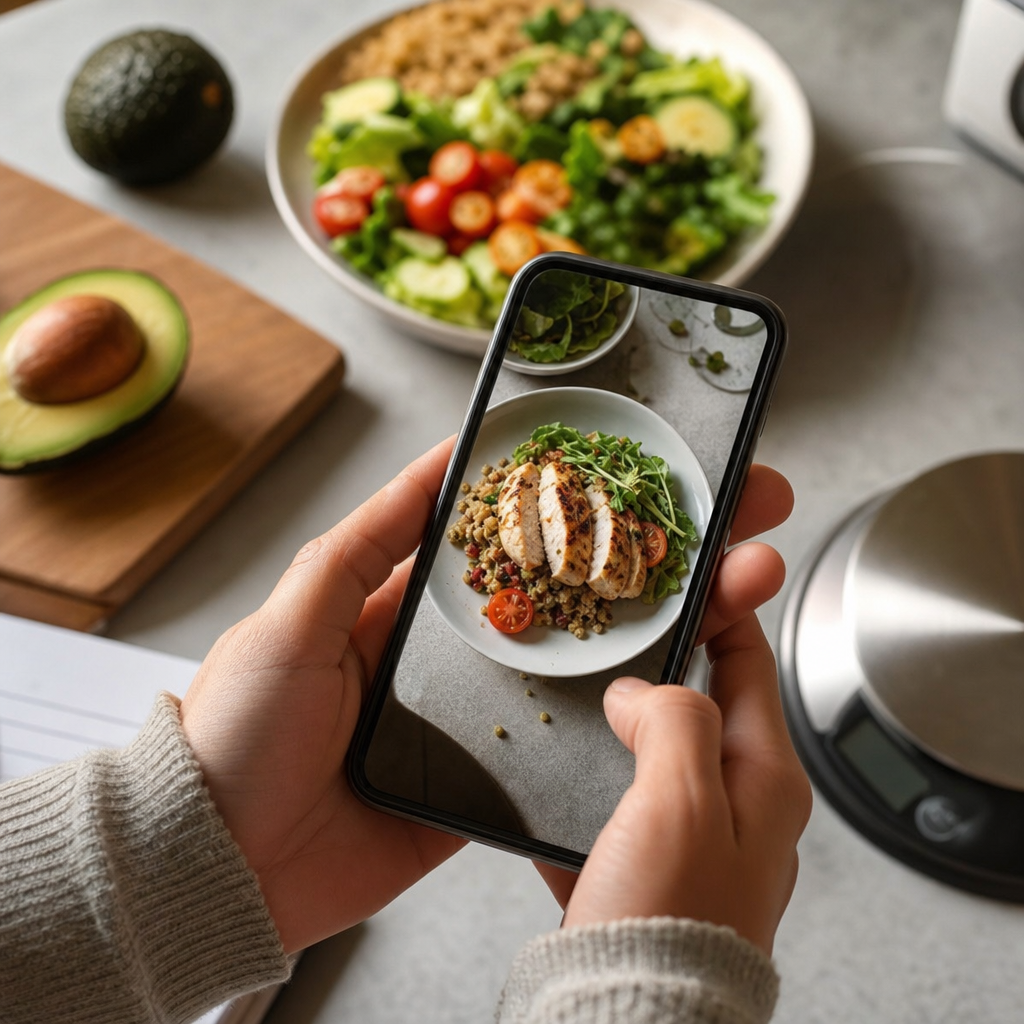
Download our app to take the guesswork out of nutrition! Upload a photo of your meal, and our AI will analyze it for calories and macronutrients, helping you stay on track with your goals.
Cal AI
Track meals faster with Cal AI
Scan food, estimate calories, and keep your nutrition log moving without typing every ingredient.
Get the appAuthor
Cal AI Editorial Team
Practical guides on nutrition, calorie tracking, meal planning, and building healthier habits with Cal AI.
Related articles
 The Most Filling Vegetables for Weight Loss
 Discover the Vegetables With the Fewest Calories: Your Guide to Guilt-Free Eating
 The Best Vegetables for a Calorie Deficit
 Why Strict Diets Don't Work: Understanding the Pitfalls of Extreme Restrictions
 The Best Weight Management Strategies: Proven Tactics for Success
 How to Keep a Weight Journal: Tips for Accountability and Progress Tracking
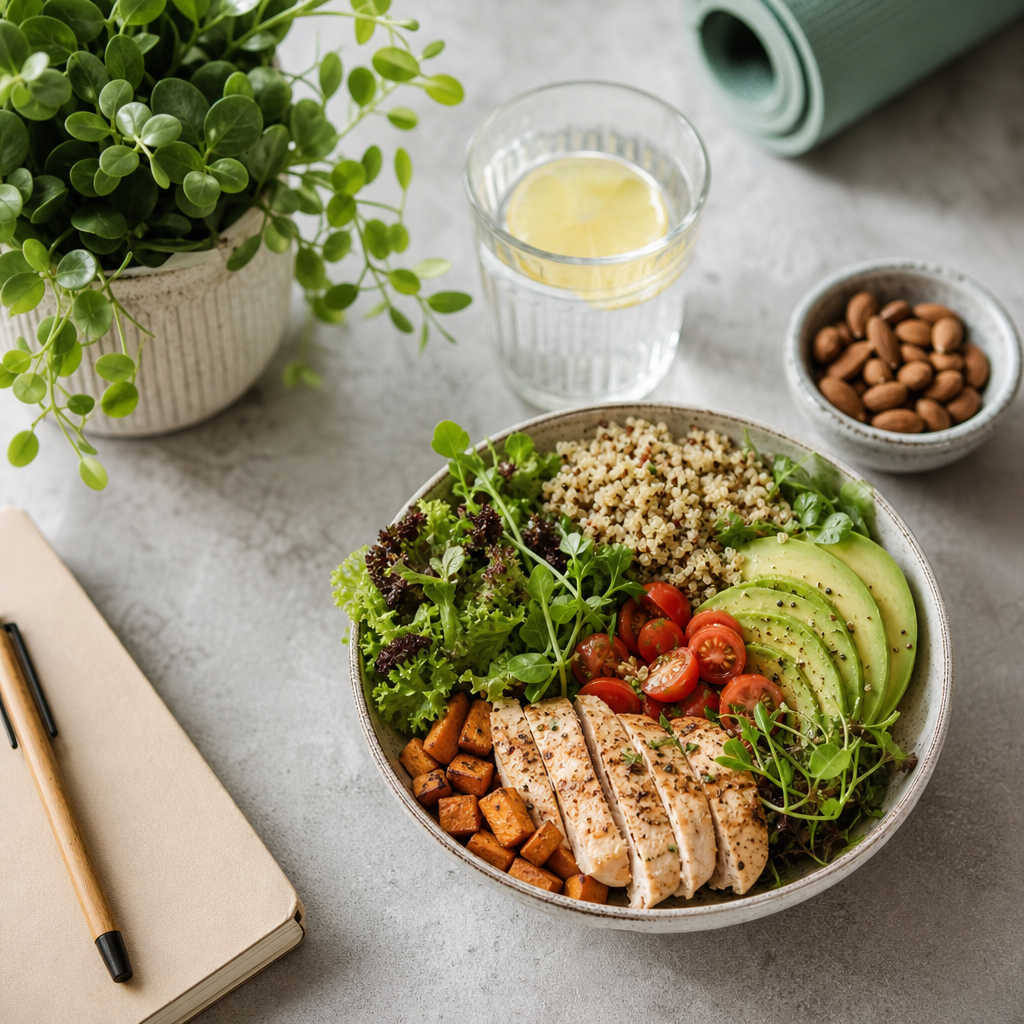 How to Lose Weight Without Stress: Embrace a Balanced Approach
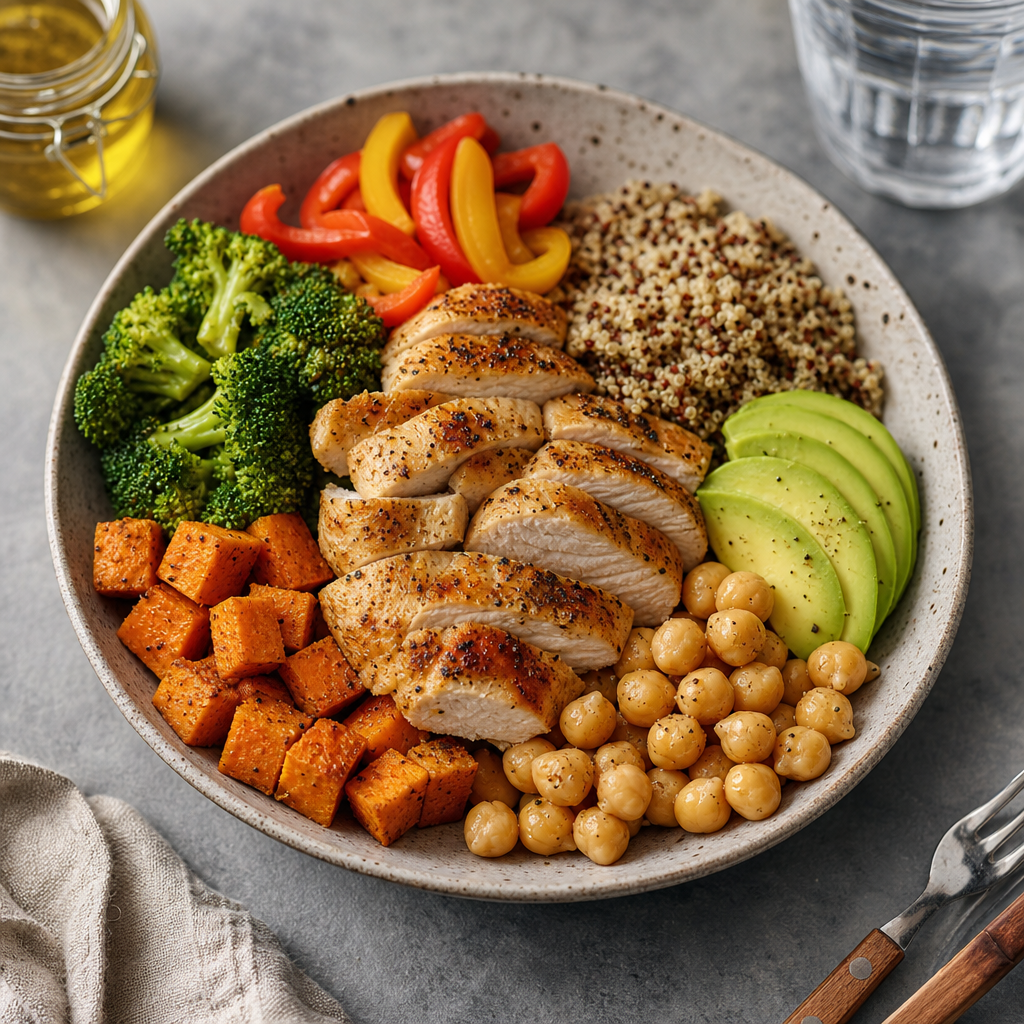 Common Macro Tracking Mistakes: Avoid These Pitfalls for Better Results
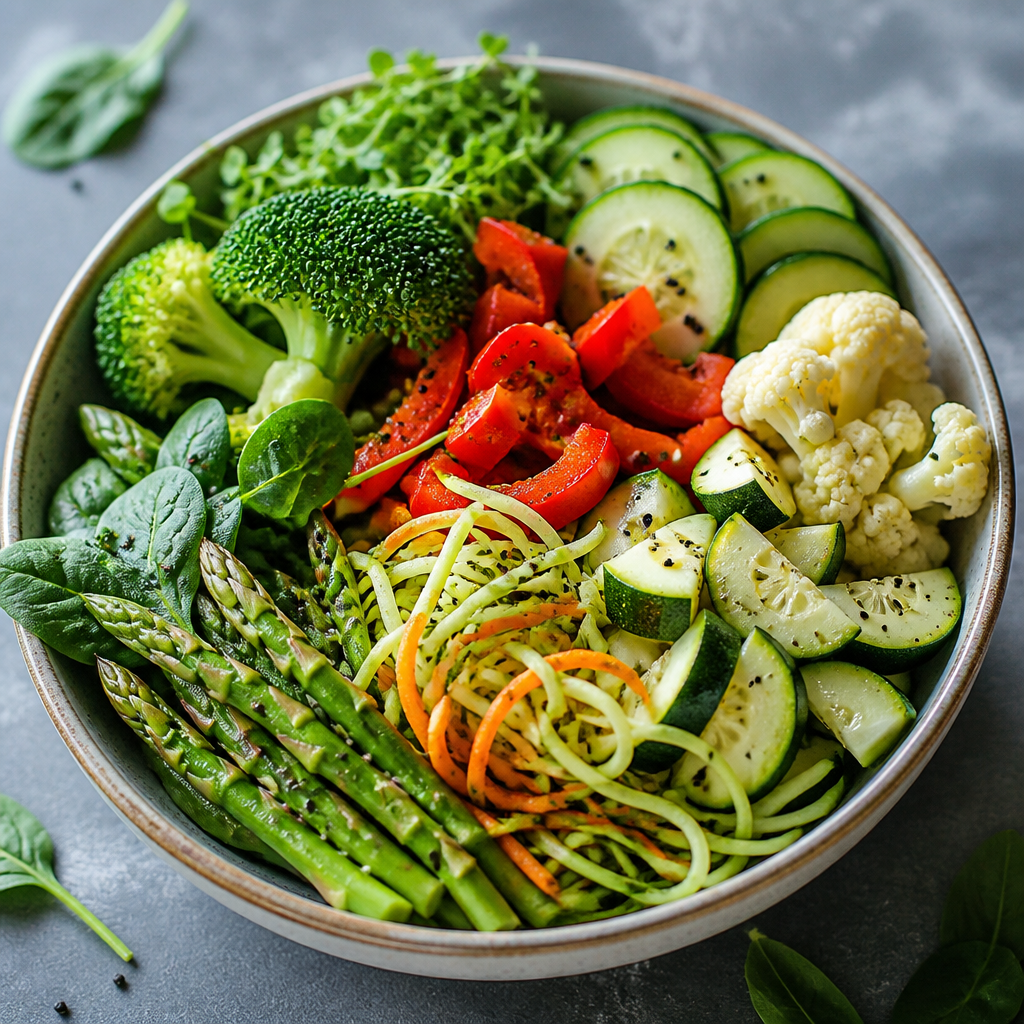 The Best Low-Calorie, Low-Carb Vegetables for Your Healthy Diet
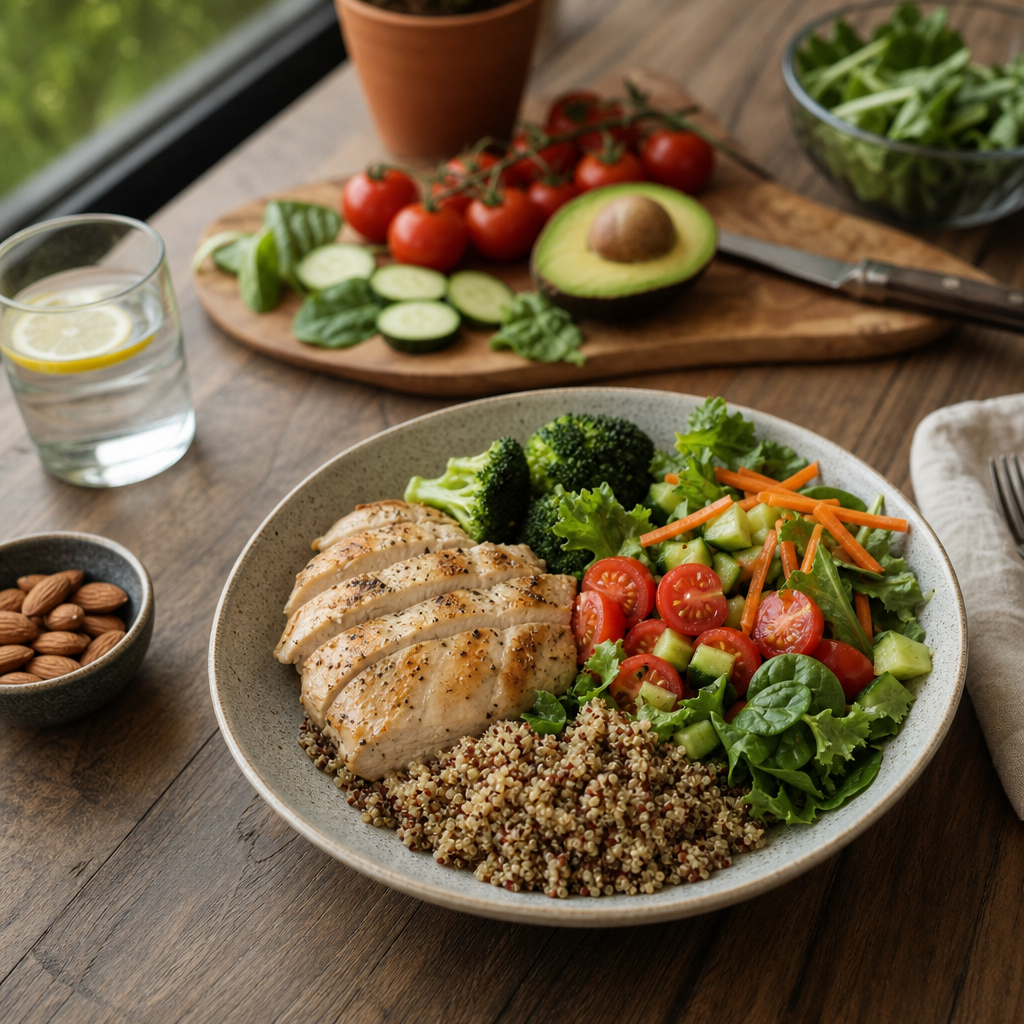 Sustainable Weight Loss Explained: Your Guide to Long-Term Success
 How to Control Your Weight With Calorie Tracking
 How to Build a Macro-Based Meal Plan: Your Ultimate Guide to Meal Prepping
 How to Track Macros Automatically: A Tech-Savvy Guide
 Macro Tracking for Beginners: Your Ultimate Guide to Nutritional Success
 How Many Calories Are in an Orange?
 Which Vegetables Keep You Full the Longest?
 How Many Calories Are in a Cucumber? Unveiling the Secrets of This Superfood
 How Many Calories Are in a Banana?
 The Healthiest Vegetables for Weight Loss: Your Ultimate Guide
 The Best Vegetables for Dinner: Nourishing Your Body While Losing Weight
 How Many Calories Are in Broccoli? An In-Depth Look
 How Many Calories Are in a Potato? Unpacking the Nutritional Value
 How to Estimate Calorie Counts Visually: A Guide for Impromptu Dieters
 Как считать калории в ресторане: Практическое руководство
 Формула Харриса-Бенедикта простыми словами
 Главные ошибки подсчета калорий
 Как считать калории без весов: Практическое руководство для диетчиков
 Почему вес не уходит при дефиците калорий: ключевые причины и решения
 Сколько калорий нужно есть в день: Определяем ваши потребности в ежедневном потреблении калорий
 Формула подсчета калорий: Ключ к успешному управлению весом