Mindful Eating vs. Strict Dieting: Finding Balance for Sustainable Health
Updated Jul 18, 20263 min read9 views

In a world filled with dieting fads and quick-fix solutions, understanding the difference between mindful eating and strict dieting is essential for those looking to cultivate a sustainable, healthy relationship with food. While both approaches aim to promote health and weight management, they do so in dramatically different ways.
What is Mindful Eating?
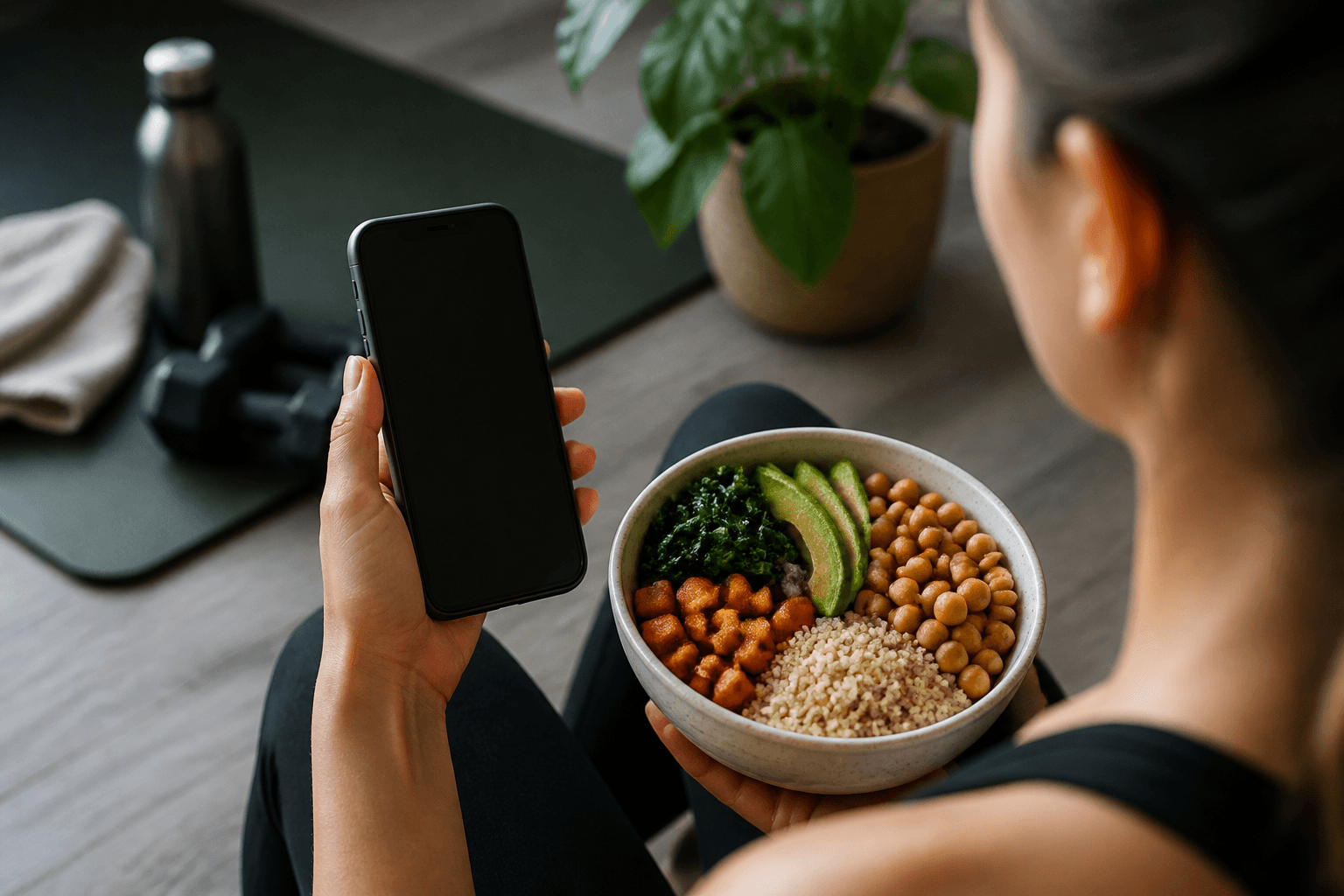
Mindful eating is all about paying attention to your body’s hunger signals and appreciating the experience of eating. It encourages you to slow down, savor each bite, and notice the flavors and textures of your food. This practice helps you develop a deeper awareness of your eating habits, allowing you to better distinguish between emotional and physical hunger.
Some key principles of mindful eating include:
- Eat Slowly: Take your time with each meal. Chew your food thoroughly and put your utensils down between bites.
- Engage Your Senses: Pay attention to the colors, aromas, and textures of your food. This enhances your eating experience.
- Listen to Your Body: Learn to recognize when you’re truly hungry and when you’ve had enough.
The Benefits of Mindful Eating
Mindful eating can lead to improved digestion, a greater appreciation for food, and a healthier mindset towards eating. It often encourages better choices, reduces binge eating, and can even lead to weight loss without feeling deprived.
What is Strict Dieting?
On the other hand, strict dieting involves adhering to specific rules and guidelines regarding what, when, and how much you eat. This approach often focuses on eliminating certain food groups, counting calories meticulously, or following a specific meal plan. While it may yield quick results for some, strict dieting can be difficult to maintain in the long run.
Common methods of strict dieting include:
- Calorie Counting: Logging every calorie consumed to ensure you stay within a specific limit.
- Elimination Diets: Avoiding entire food groups (like carbohydrates or fats) based on the belief that they are unhealthy.
- Intermittent Fasting: Restricting eating to certain hours of the day.
The Downsides of Strict Dieting
While strict dieting might lead to initial weight loss, it's often accompanied by feelings of deprivation, frustration, and even guilt. Many people who follow strict diets find themselves binge eating or reverting to old habits once they stop, leading to a cycle of yo-yo dieting.
Mindful Eating vs. Strict Dieting: A Comparison
When weighing the two approaches, it’s clear they come with their unique sets of pros and cons. Mindful eating fosters a healthier relationship with food, whereas strict dieting might offer short-term success but can be unsustainable.
| Aspect | Mindful Eating | Strict Dieting |
|---|---|---|
| Approach | Intuitive, flexible | Strict, rule-based |
| Sustainability | High | Low |
| Mindset | Positive, forgiving | Often negative or punitive |
| Weight Management | Gradual, holistic | Rapid, but often temporary |
Conclusion
Ultimately, the best path lies in balance. Rather than strictly adhering to one approach, integrating principles of mindful eating into your daily life while maintaining a reasonable diet is likely the most effective strategy. Learning to appreciate food, listening to your body, and choosing wholesome options can lead to lasting health benefits without the stress of strict dieting.
If you’re looking for help in understanding your eating habits better, consider using our app. Simply upload a photo of your food, and our AI will analyze it, providing insights on calories and macros to help you stay on track with your goals!
Cal AI Editorial Team
Practical guides on nutrition, calorie tracking, meal planning, and building healthier habits with Cal AI.
Editorial policyRelated articles
- Cal AI
The scan got the dish wrong: how to fix grams and calories in Cal AI in 20 seconds
Fix a wrong Cal AI scan by choosing the closest recognition variant, correcting grams, and editing calories when the portion still looks off.
Oct 26, 20266 min read
- french fries
Calories in French Fries: Small, Medium and Large Portions
French fries are 312 kcal per 100 g, and a standard 117 g serving is 365 kcal. Use grams, not size names, when the portion looks unclear.
Oct 23, 20266 min read
- Cal AI
How to Cancel Cal AI Subscription on iPhone and Android
Cancel Cal AI through Apple or Google Play, not inside the app. Follow the exact menu paths and see what cancellation means for history and scans.
Oct 20, 20265 min read1 views
- chicken breast
Calories in Chicken Breast: 100 g, One Breast, Grilled vs Fried
Chicken breast has 165 kcal per 100 g cooked. See one-breast calories, grilled and fried adjustments, and how to log it accurately.
Oct 17, 20266 min read1 views
- rice
White Rice vs Brown Rice: Calories, Protein, and Which to Pick
Brown rice is slightly lower in calories than white rice, but the gap is small. Compare cooked portions, macros, and which one fits your goal at meals.
Oct 14, 20266 min read2 views
- calorie calculator
How many calories do you need a day? Mifflin-St Jeor with worked examples
Use Mifflin-St Jeor to estimate daily calories from weight, height, age, and activity, with worked examples and portion checks.
Oct 11, 20268 min read