Hydration and Appetite Cues: Unlocking the Secrets to Better Eating Habits
Updated Jun 27, 20263 min read10 views
When thinking about our eating habits, we often focus on what we eat rather than how our body's hydration levels can influence our appetite. Surprisingly, hydration plays a crucial role in regulating hunger, and understanding this connection can help you develop healthier eating habits. Let's dive deeper into how staying hydrated can affect your overall appetite cues and some practical ways to ensure you're getting enough water daily.
To start, let’s discuss why hydration is so essential. Our bodies are made up of approximately 60% water, and everything from temperature regulation to joint lubrication depends on maintaining adequate hydration. Not only that, but water also aids in digestion and nutrient absorption, which are vital for keeping our bodies functioning optimally.
Interestingly, our body's cues for hunger can often be confused with signs of dehydration. For example, when you're feeling hungry, it’s possible that what your body truly needs is water instead of food. Studies have shown that even mild dehydration can lead to feelings of hunger, thus causing us to eat when we really need to rehydrate. Paying close attention to these cues can help prevent overeating and encourage a better relationship with food.
How to Tell the Difference: Hunger or Thirst?
Recognizing whether you're genuinely hungry or just dehydrated isn’t always straightforward. Here are some tips to help you differentiate:
- Timing: If you recently ate a meal and feel hungry soon after, consider drinking a glass of water first before reaching for snacks.
- Drink Water: When in doubt, try drinking water. If your hunger pangs diminish within 15-30 minutes after drinking, it was likely thirst masquerading as hunger.
- Food Choices: If you find yourself craving salty or sweet snacks, you might actually be dehydrated, as our bodies often seek out these flavors when in need of fluid replenishment.
Tips for Staying Hydrated
Now that we understand the connection between hydration and appetite cues, let’s explore some simple strategies to ensure you maintain optimal hydration levels:
- Keep Water Accessible: Always have a water bottle on hand, whether at your desk, in the car, or during workouts.
- Set Reminders: Use apps or set alarms to remind yourself to drink water throughout the day.
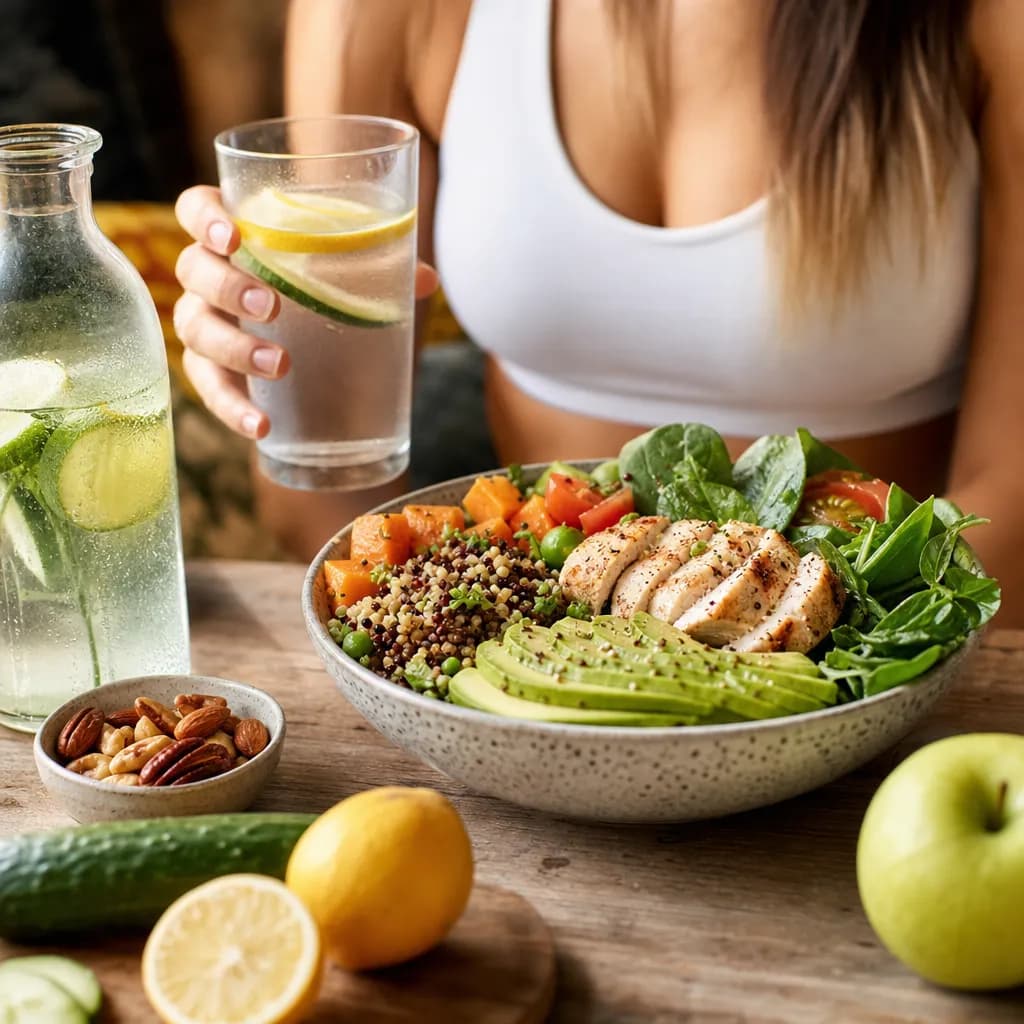
- Flavor Your Water: If plain water doesn’t excite you, enhance the taste with slices of lemon, cucumber, or fresh herbs to make hydration more enjoyable.
- Eat Hydrating Foods: Include foods with high water content in your diet, such as cucumbers, oranges, and broccoli.
Conclusion: Better Hydration for Balanced Eating
In conclusion, understanding the impact of hydration on appetite cues can help us make more mindful eating choices. By actively ensuring you are adequately hydrated, you can reduce the risk of emotional eating and overeating. Remember, it’s always beneficial to listen to your body and differentiate between hunger and thirst.
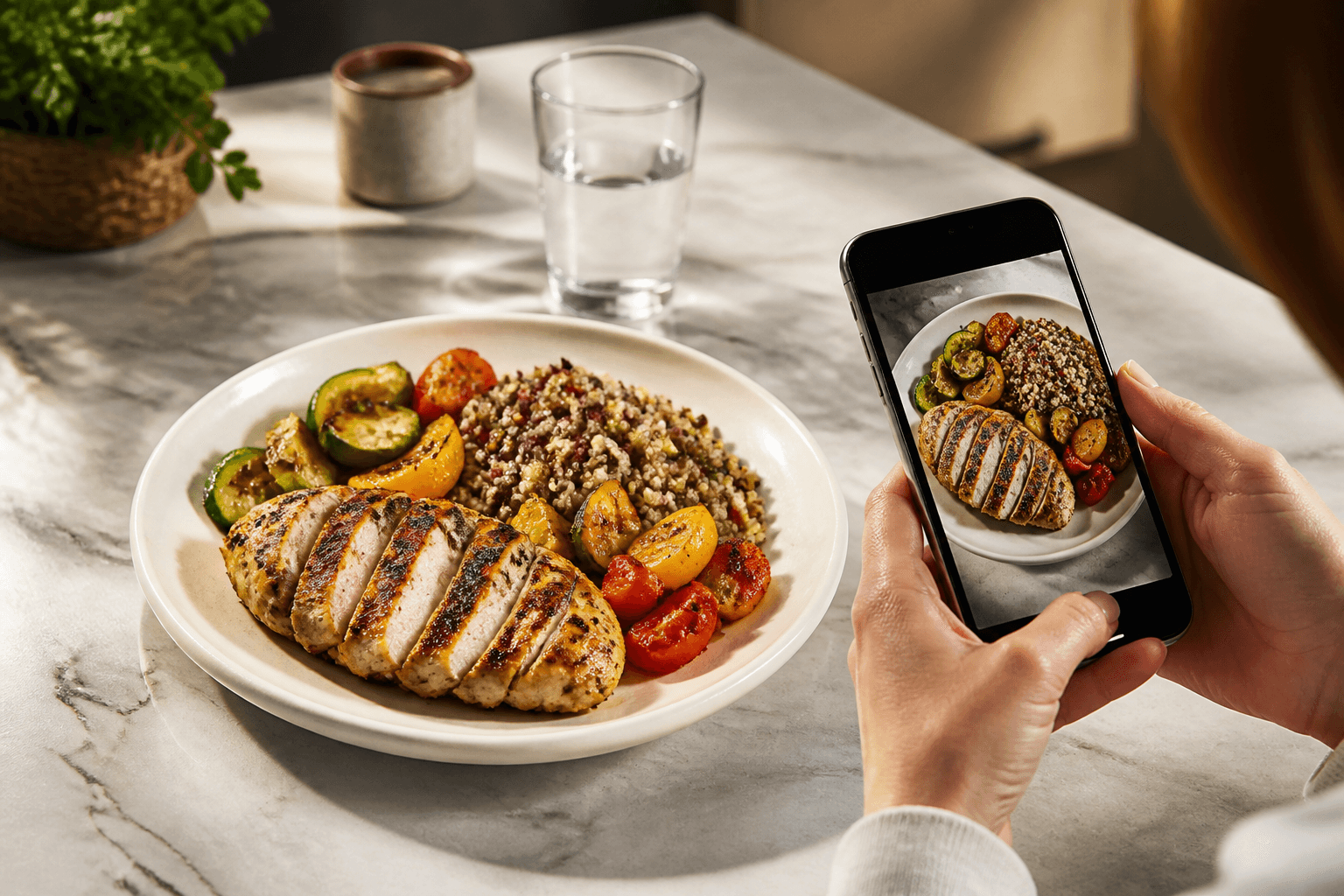
Want to take your hydration and eating habits to the next level? Download our app to analyze your meals by simply uploading photos. Our AI will calculate calorie counts and help you understand your macronutrient ratios, allowing you to maintain better control of your nutrition!
Cal AI Editorial Team
Practical guides on nutrition, calorie tracking, meal planning, and building healthier habits with Cal AI.
Editorial policyRelated articles
- Cal AI
The scan got the dish wrong: how to fix grams and calories in Cal AI in 20 seconds
Fix a wrong Cal AI scan by choosing the closest recognition variant, correcting grams, and editing calories when the portion still looks off.
Oct 26, 20266 min read
- french fries
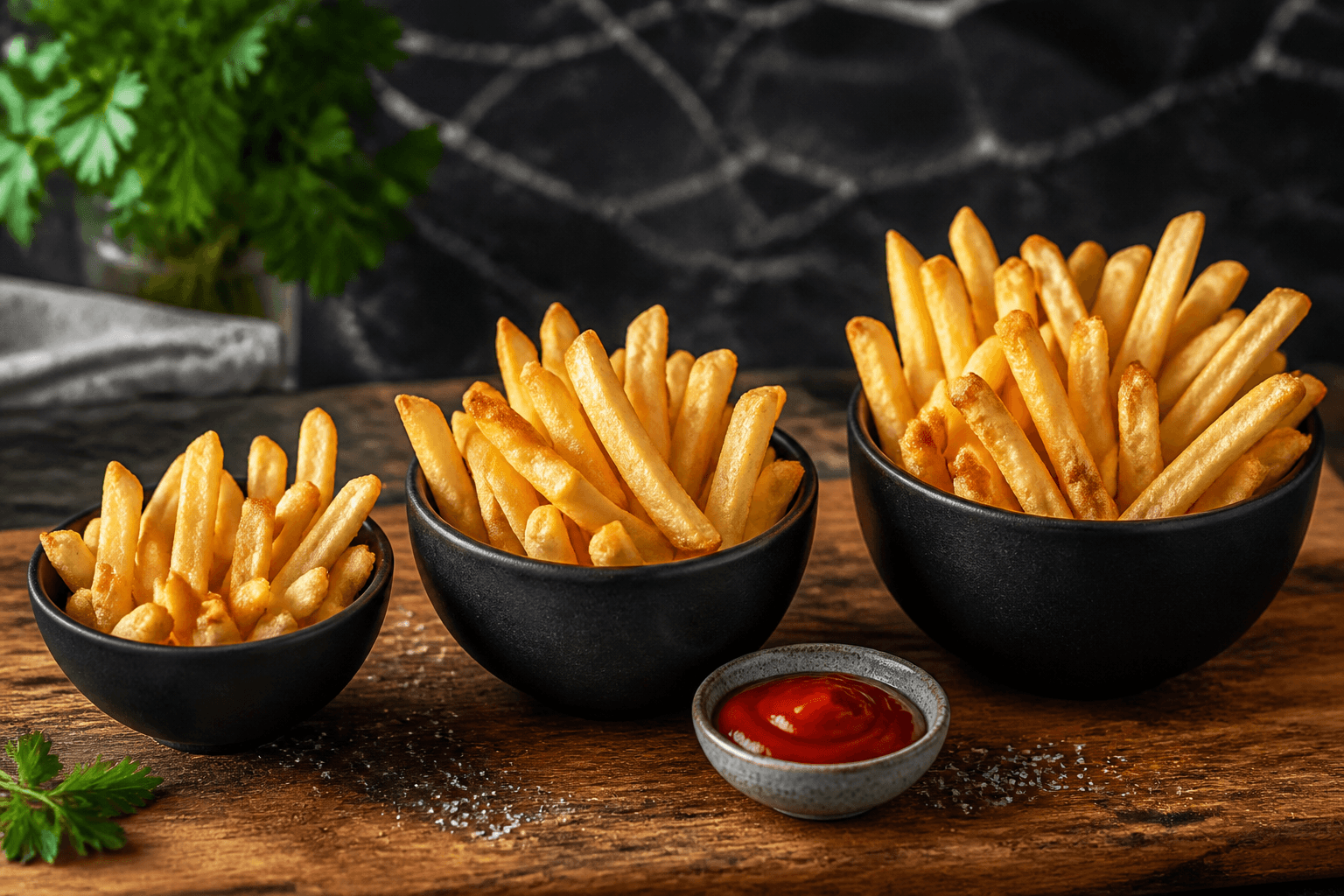
Calories in French Fries: Small, Medium and Large Portions
French fries are 312 kcal per 100 g, and a standard 117 g serving is 365 kcal. Use grams, not size names, when the portion looks unclear.
Oct 23, 20266 min read
- Cal AI
How to Cancel Cal AI Subscription on iPhone and Android
Cancel Cal AI through Apple or Google Play, not inside the app. Follow the exact menu paths and see what cancellation means for history and scans.
Oct 20, 20265 min read1 views
- chicken breast
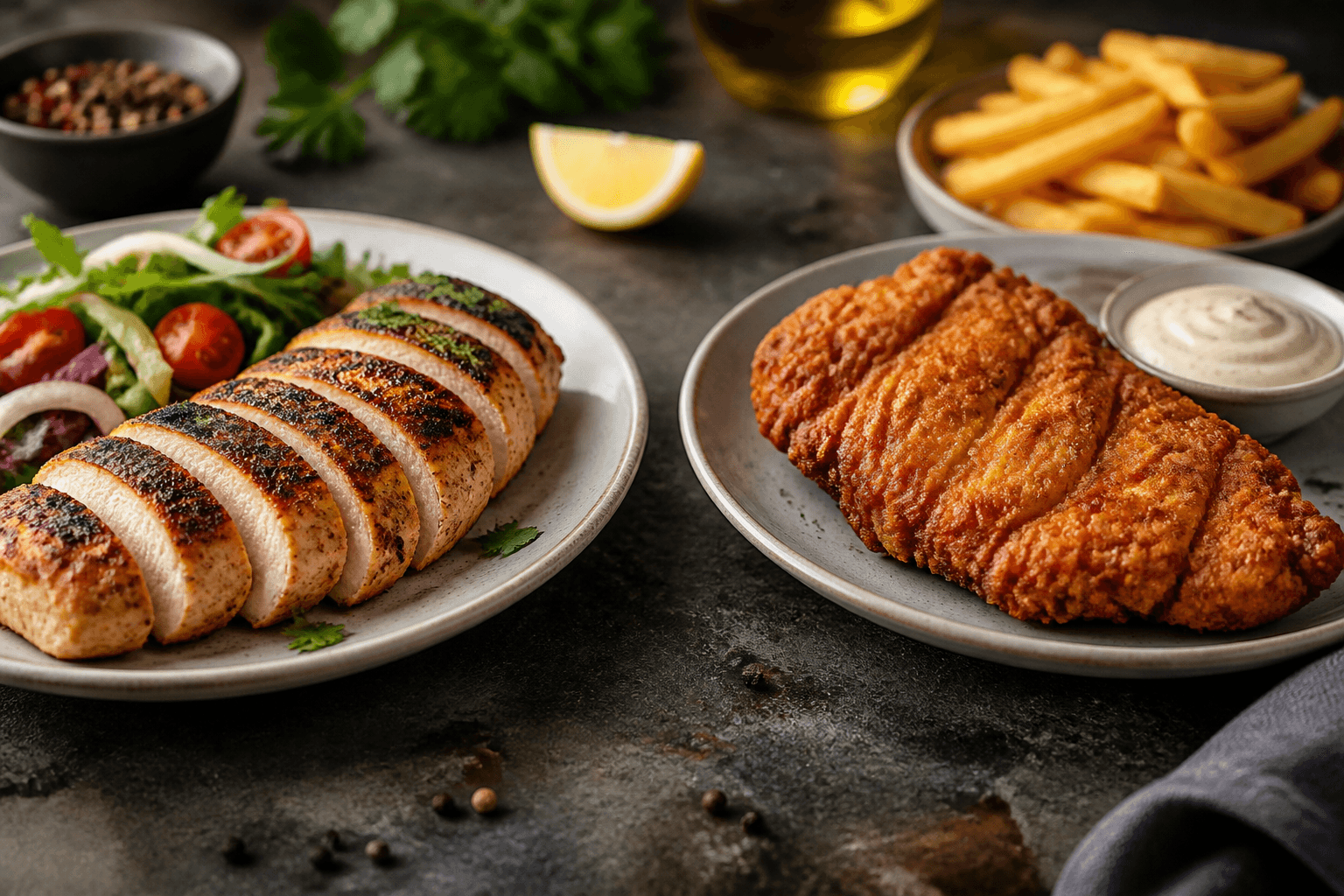
Calories in Chicken Breast: 100 g, One Breast, Grilled vs Fried
Chicken breast has 165 kcal per 100 g cooked. See one-breast calories, grilled and fried adjustments, and how to log it accurately.
Oct 17, 20266 min read1 views
- rice
White Rice vs Brown Rice: Calories, Protein, and Which to Pick
Brown rice is slightly lower in calories than white rice, but the gap is small. Compare cooked portions, macros, and which one fits your goal at meals.
Oct 14, 20266 min read2 views
- calorie calculator
How many calories do you need a day? Mifflin-St Jeor with worked examples
Use Mifflin-St Jeor to estimate daily calories from weight, height, age, and activity, with worked examples and portion checks.
Oct 11, 20268 min read