Cracking the Code: How Hydration Influences Your Appetite Cues
Updated Aug 19, 20263 min read8 views
Have you ever felt a sudden hunger pang only to realize later that you were just thirsty? It turns out that the connection between hydration and appetite is more profound than many of us realize. Understanding this relationship can significantly impact our overall health, weight management, and performance in daily activities.
The Hydration-Appetite Connection
Our bodies are composed of about 60% water, and every system relies on proper hydration to function efficiently. When you’re even slightly dehydrated, it can send confusing signals to your brain. Instead of recognizing thirst, our body might interpret it as hunger, leading to unnecessary snacking and overeating.
How Dehydration Affects Hunger Signals
Dehydration can disturb the delicate balance of hormones that regulate appetite, such as ghrelin and leptin. Ghrelin, often dubbed the 'hunger hormone,' instructs your brain to seek food, while leptin tells you when to stop eating. When we are dehydrated, the levels of these hormones can become imbalanced, leading to increased appetite. In fact, studies show that even mild dehydration can amplify feelings of hunger.
Practical Tips for Staying Hydrated
Set Daily Goals: Aim for at least 8 cups (64 ounces) of water each day. Adjust this based on your activity level, climate, and individual needs.
Incorporate Hydrating Foods: Incorporate fruits and vegetables like cucumbers, watermelon, and oranges, which contain high water content.
Use Reminders: Set reminders on your phone or use apps to prompt you to drink water throughout the day.
Infuse Your Water: If plain water doesn’t excite you, add fruits, herbs, or vegetables for a refreshing twist.
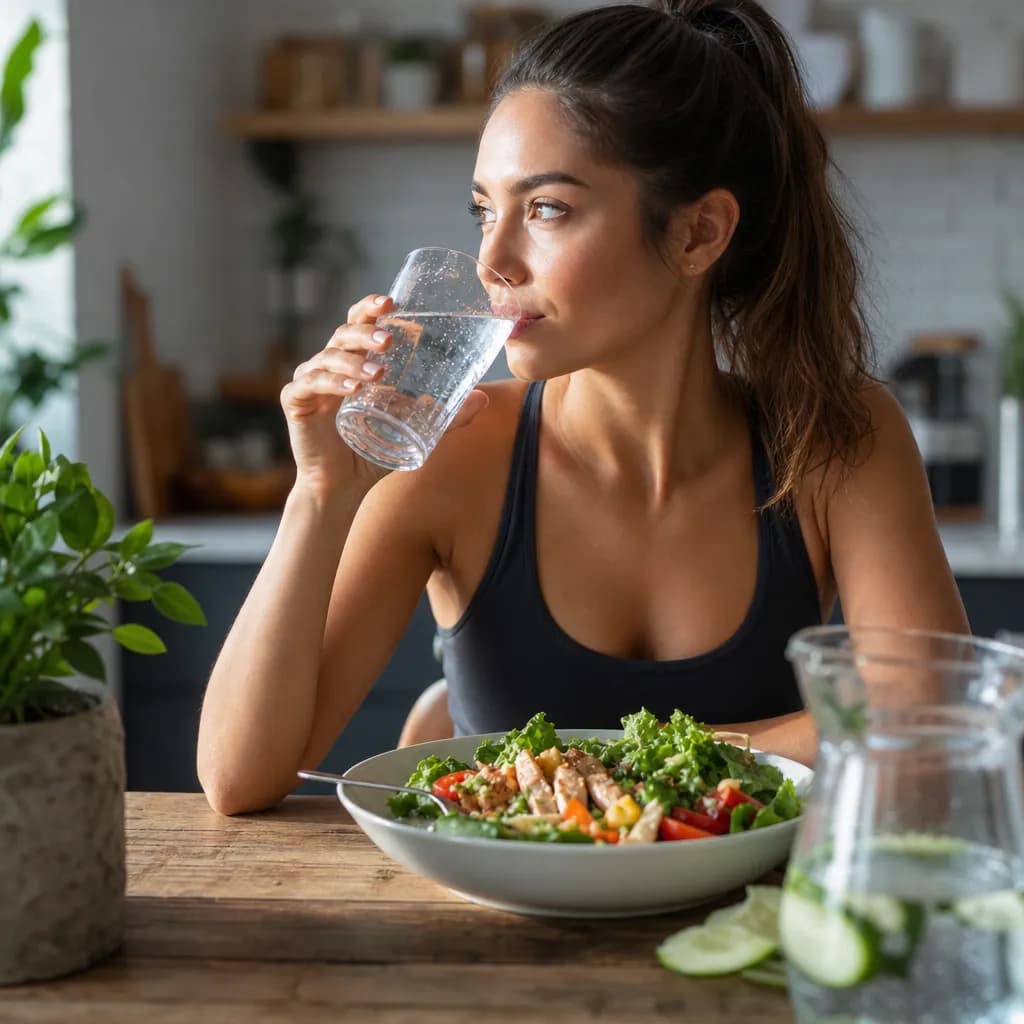
Drink Before Meals: Having a glass of water before meals can help you recognize true hunger signals and potentially reduce overall calorie intake.
Recognizing Thirst vs. Hunger
Learning to identify the difference between thirst and hunger can help you manage your appetite effectively. Here’s a simple method to decode your craving:
- Wait it Out: If you feel hungry, wait 15 minutes and drink a glass of water. If the hunger subsides, you were likely dehydrated.
- Sniff Test: Smelling food can spark hunger. Choose healthy snacks and see if you are still interested in eating after hydrating.
Debunking Myths about Hydration and Appetite
Many people believe that drinking more water will only help with weight loss. While this is true, it’s essential to see hydration as part of a holistic approach to health. Adequate hydration helps improve digestion, increases energy levels, supports skin health, and regulates body temperature, all of which contribute to better appetite management.
Conclusion
Making hydration a priority in your daily routine can not only quench your thirst but can also play a crucial role in managing your appetite. By staying hydrated, you can effectively learn to listen to your body's true hunger cues and make healthier choices.
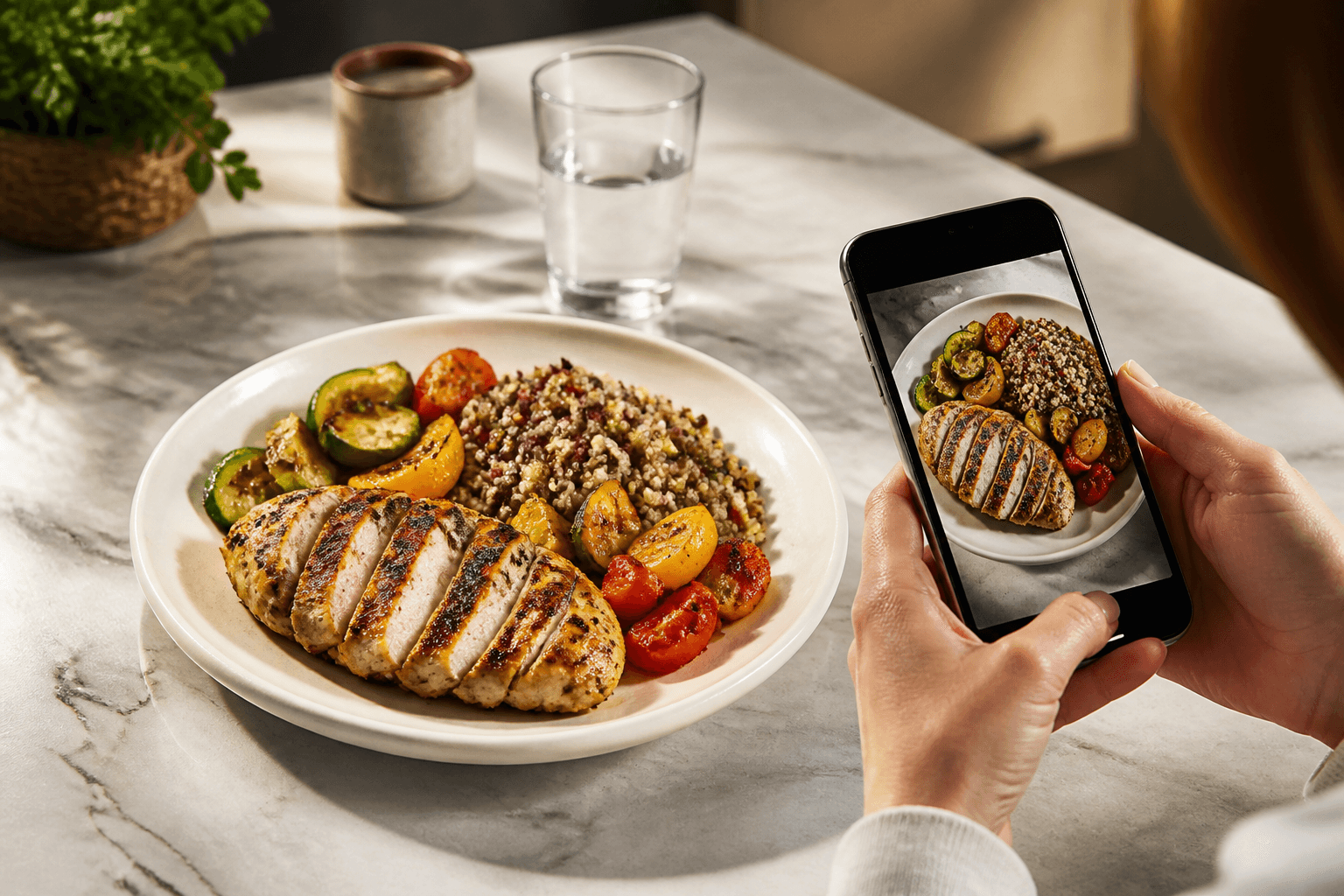
Are you ready to take control of your hydration and appetite? Try out our app where you can upload a photo of your meal. Our AI will help you determine the calorie count and macronutrient breakdown, enabling you to manage your nutrition more effectively!
Cal AI Editorial Team
Practical guides on nutrition, calorie tracking, meal planning, and building healthier habits with Cal AI.
Editorial policyRelated articles
- Cal AI
The scan got the dish wrong: how to fix grams and calories in Cal AI in 20 seconds
Fix a wrong Cal AI scan by choosing the closest recognition variant, correcting grams, and editing calories when the portion still looks off.
Oct 26, 20266 min read
- french fries
Calories in French Fries: Small, Medium and Large Portions
French fries are 312 kcal per 100 g, and a standard 117 g serving is 365 kcal. Use grams, not size names, when the portion looks unclear.
Oct 23, 20266 min read
- Cal AI
How to Cancel Cal AI Subscription on iPhone and Android
Cancel Cal AI through Apple or Google Play, not inside the app. Follow the exact menu paths and see what cancellation means for history and scans.
Oct 20, 20265 min read1 views
- chicken breast
Calories in Chicken Breast: 100 g, One Breast, Grilled vs Fried
Chicken breast has 165 kcal per 100 g cooked. See one-breast calories, grilled and fried adjustments, and how to log it accurately.
Oct 17, 20266 min read1 views
- rice
White Rice vs Brown Rice: Calories, Protein, and Which to Pick
Brown rice is slightly lower in calories than white rice, but the gap is small. Compare cooked portions, macros, and which one fits your goal at meals.
Oct 14, 20266 min read2 views
- calorie calculator
How many calories do you need a day? Mifflin-St Jeor with worked examples
Use Mifflin-St Jeor to estimate daily calories from weight, height, age, and activity, with worked examples and portion checks.
Oct 11, 20268 min read