Checklist for Effective Food Logging: Make Sure You're on Track
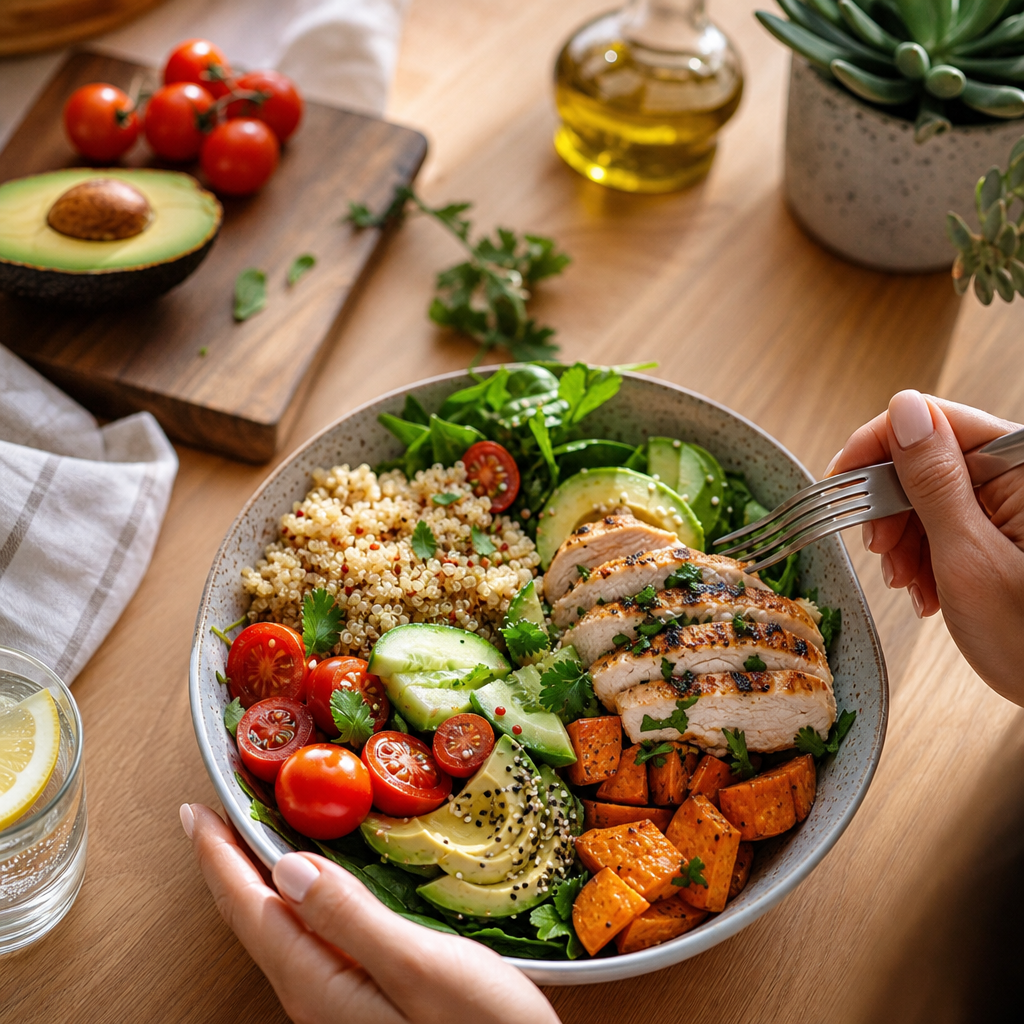
Keeping track of your food intake is crucial for anyone looking to manage their weight effectively. Whether you're aiming to lose, gain or maintain your current weight, a systematic approach to food logging can help you reach your goals. This article will guide you through a practical food logging checklist to make sure you’re on track with your calorie count and overall nutrition.
Why Food Logging Matters
Before we dive into the checklist, let’s discuss why food logging is an invaluable tool. Tracking your food helps you:
- Build Awareness: Understanding what you eat can help identify patterns.
- Accountability: Keeping a food log adds a layer of accountability, encouraging you to stick to your goals.
- Nutritional Balance: It allows you to assess your macronutrient intake and ensure you’re getting the right balance of proteins, fats, and carbs.
Effective Food Logging Checklist
Here’s a practical checklist to streamline your food logging process:
1. Choose Your Logging Method
- Apps: Consider using digital tools like MyFitnessPal or Cronometer to log your meals.
- Physical Journal: If you prefer pen and paper, maintain a dedicated food diary
2. Log Every Meal and Snack
- Don't skip any meals; even a handful of nuts can count.
- Be detailed about portion sizes. Use measuring cups or a food scale for accuracy.
3. Record Before You Eat
- Whenever possible, log your food before you consume it. This reduces the chance of forgetting items.
4. Include Cooking Methods
- Specify how the food is prepared (baked, boiled, fried) as cooking methods can affect calorie count.
5. Note Brand Names and Ingredients
- Different brands have different calorie counts. Being specific helps maintain accuracy.
6. Track Your Feelings
- Consider noting how certain foods make you feel. This can help identify emotional eating triggers.
7. Review Regularly
- Weekly reviews of your food log can help identify trends in your eating habits. Make adjustments as necessary.
8. Stay Consistent
- Set reminders to log your meals each day—consistency is key for effective calorie counting.
9. Use a Calorie Database
- Familiarize yourself with a reliable calorie database for reference when logging foods.
10. Don’t Be Too Hard on Yourself
- Remember, logging food is meant to help, not to create stress. Stay flexible and adjust as needed.
Food Log Tips for Success
- Start Small: If you’re new to food logging, don’t overwhelm yourself. Begin by logging just one meal a day.
- Focus on Whole Foods: Try to base your meals around whole foods that are generally lower in calories and higher in nutrients.
- Seek Support: Engaging with communities or forums can offer motivation and tips for effective calorie counting.
Conclusion
Food logging doesn't have to feel like a chore. By following this checklist, you’ll ensure that your tracking habits are effective and that you're doing everything to stay on course with your dietary goals. Consistency and mindfulness are key, so take your time and enjoy the journey to better health.
Want to take your food logging to the next level? Download our app today! Just snap a photo of your meal, and let our AI analyze the calories and macronutrients for you. Let’s make healthy eating effortless!
Cal AI
Track meals faster with Cal AI
Scan food, estimate calories, and keep your nutrition log moving without typing every ingredient.
Get the appAuthor
Cal AI Editorial Team
Practical guides on nutrition, calorie tracking, meal planning, and building healthier habits with Cal AI.
Related articles
 Discover the Vegetables With the Fewest Calories: Your Guide to Guilt-Free Eating
 The Best Vegetables for a Calorie Deficit
 Why Strict Diets Don't Work: Understanding the Pitfalls of Extreme Restrictions
 The Best Weight Management Strategies: Proven Tactics for Success
 How to Keep a Weight Journal: Tips for Accountability and Progress Tracking
 How to Lose Weight Without Stress: Embrace a Balanced Approach
 Common Macro Tracking Mistakes: Avoid These Pitfalls for Better Results
 The Best Low-Calorie, Low-Carb Vegetables for Your Healthy Diet
 Sustainable Weight Loss Explained: Your Guide to Long-Term Success
 How to Control Your Weight With Calorie Tracking
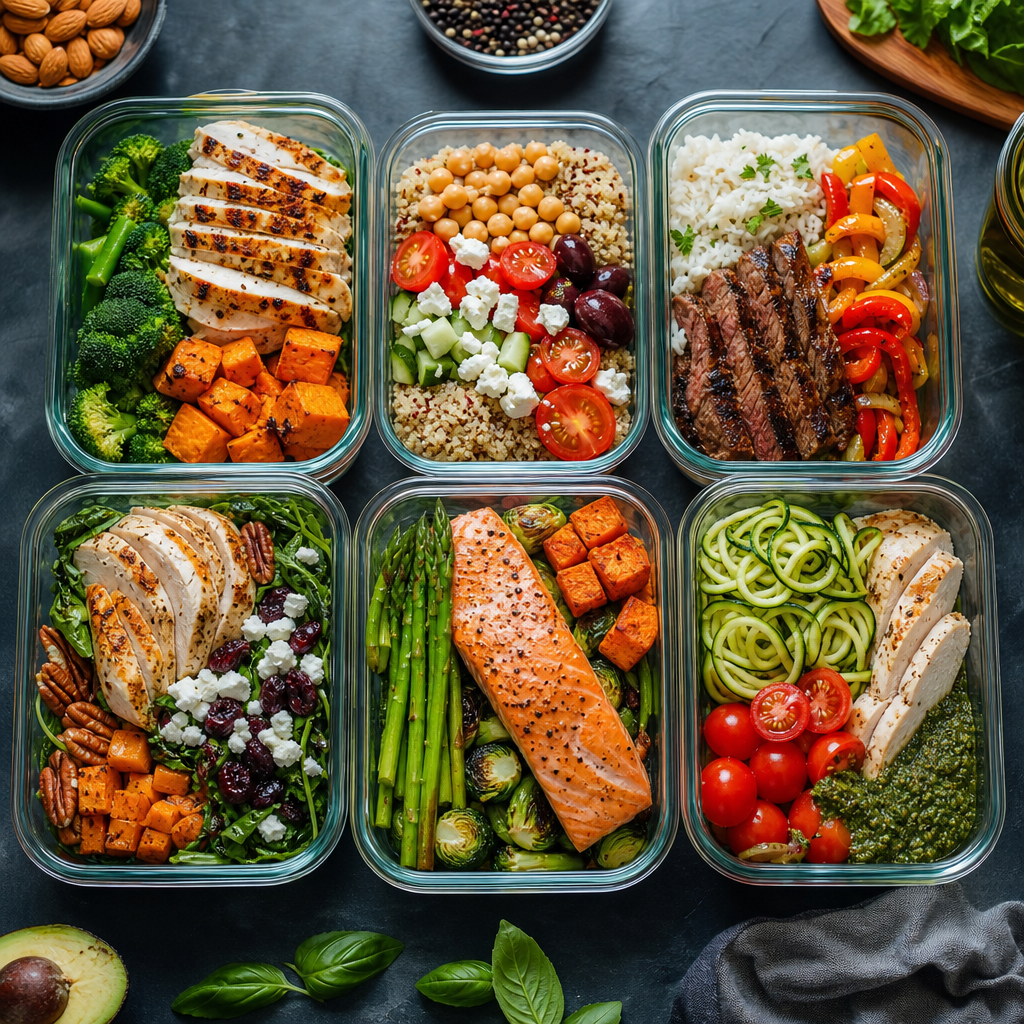 How to Build a Macro-Based Meal Plan: Your Ultimate Guide to Meal Prepping
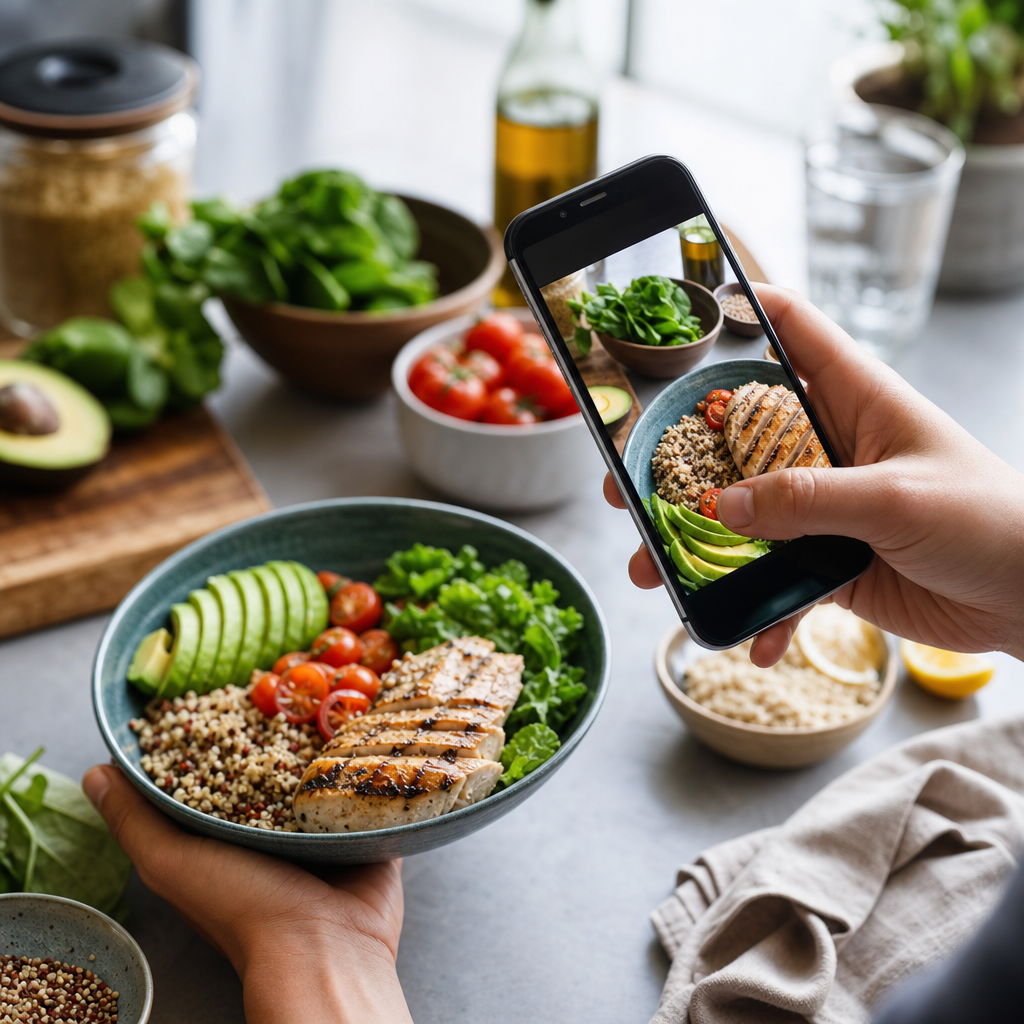 How to Track Macros Automatically: A Tech-Savvy Guide
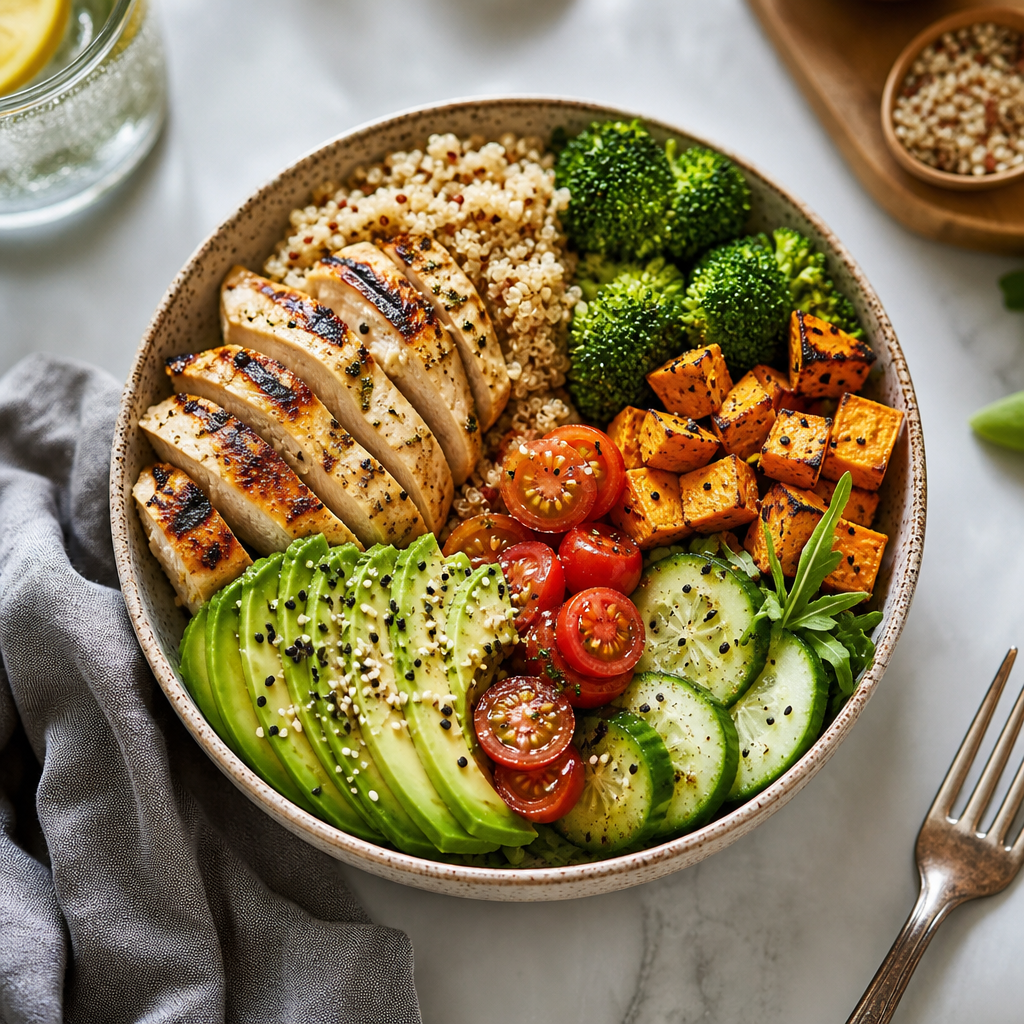 Macro Tracking for Beginners: Your Ultimate Guide to Nutritional Success
 How Many Calories Are in an Orange?
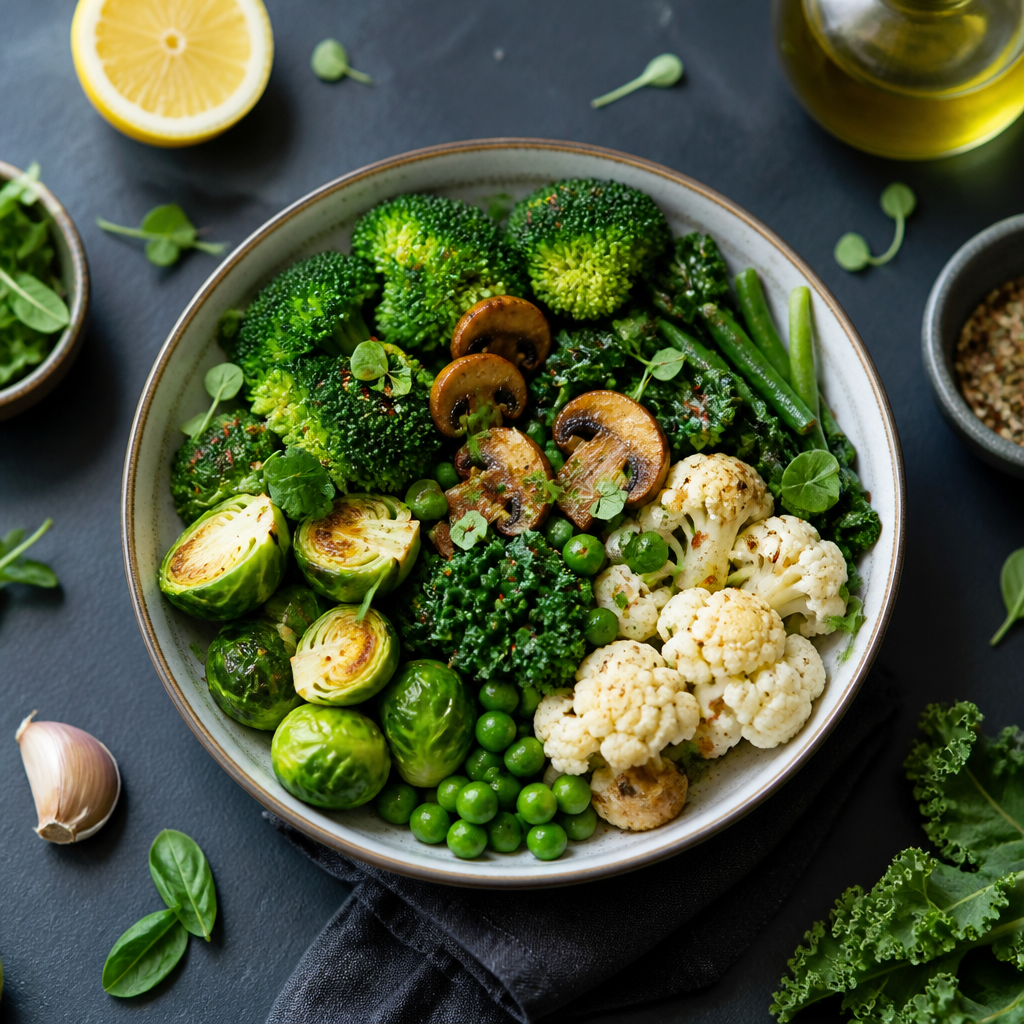 Which Vegetables Keep You Full the Longest?
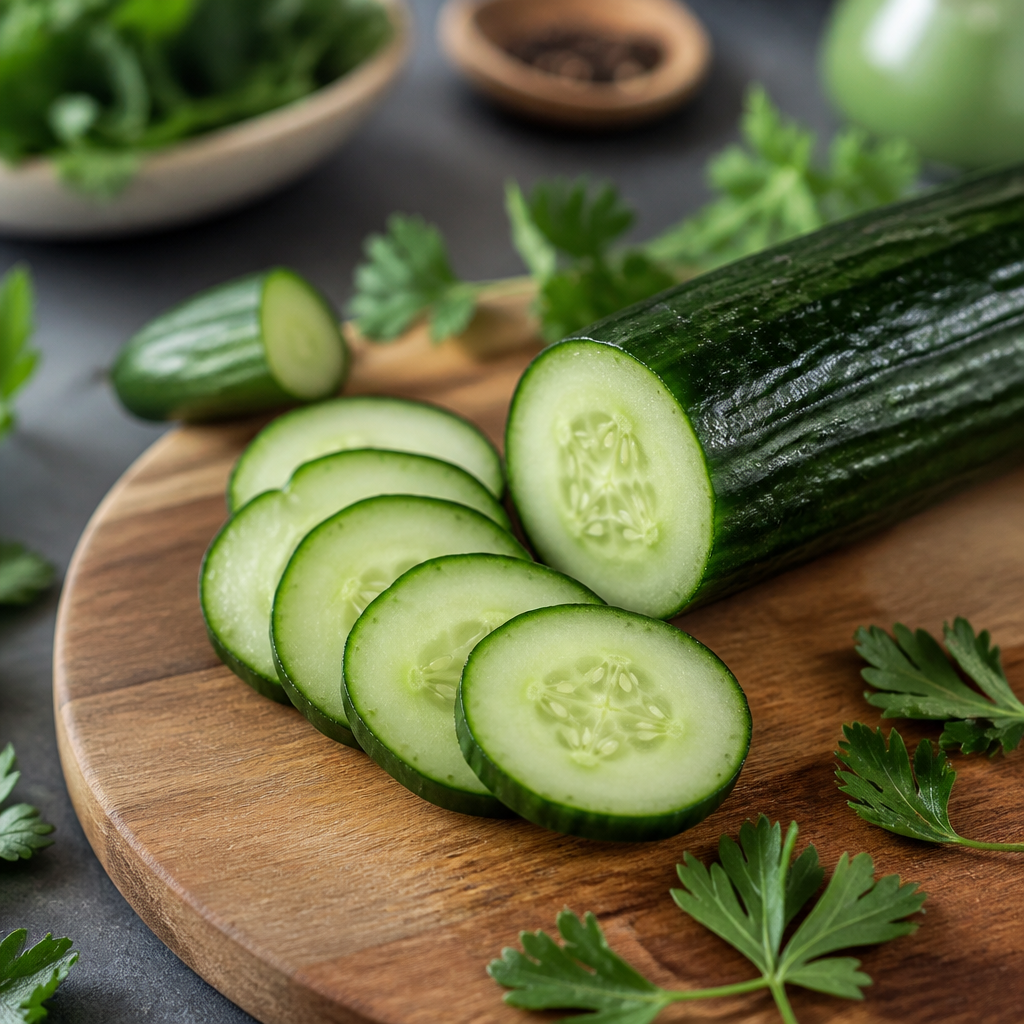 How Many Calories Are in a Cucumber? Unveiling the Secrets of This Superfood
 How Many Calories Are in a Banana?
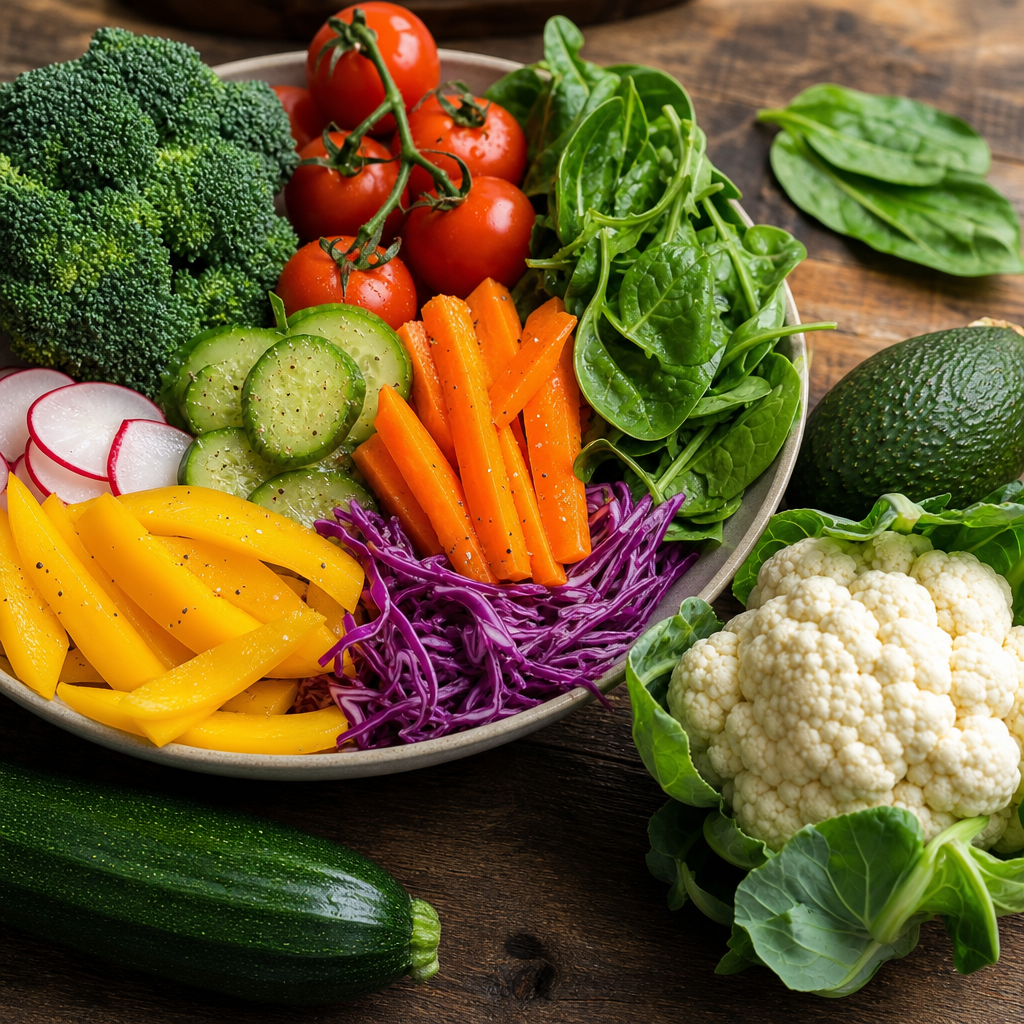 The Healthiest Vegetables for Weight Loss: Your Ultimate Guide
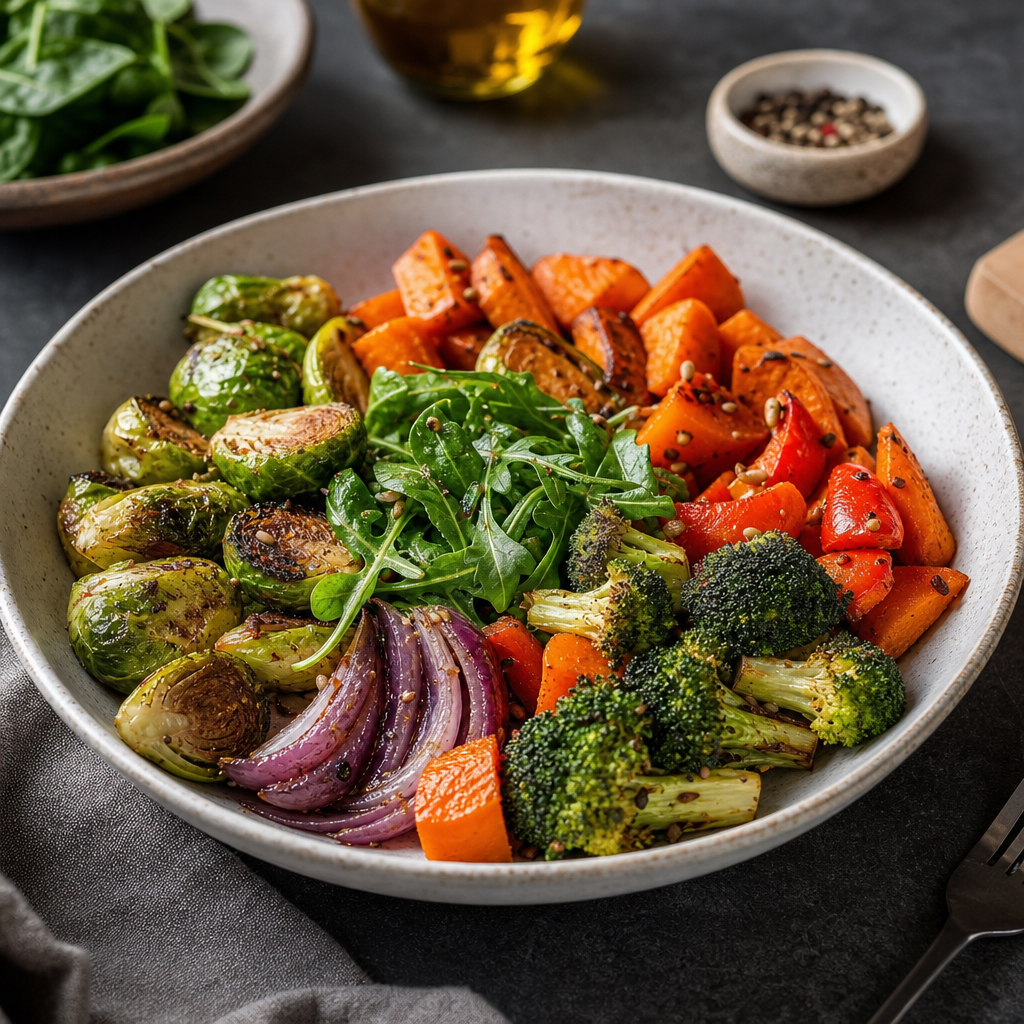 The Best Vegetables for Dinner: Nourishing Your Body While Losing Weight
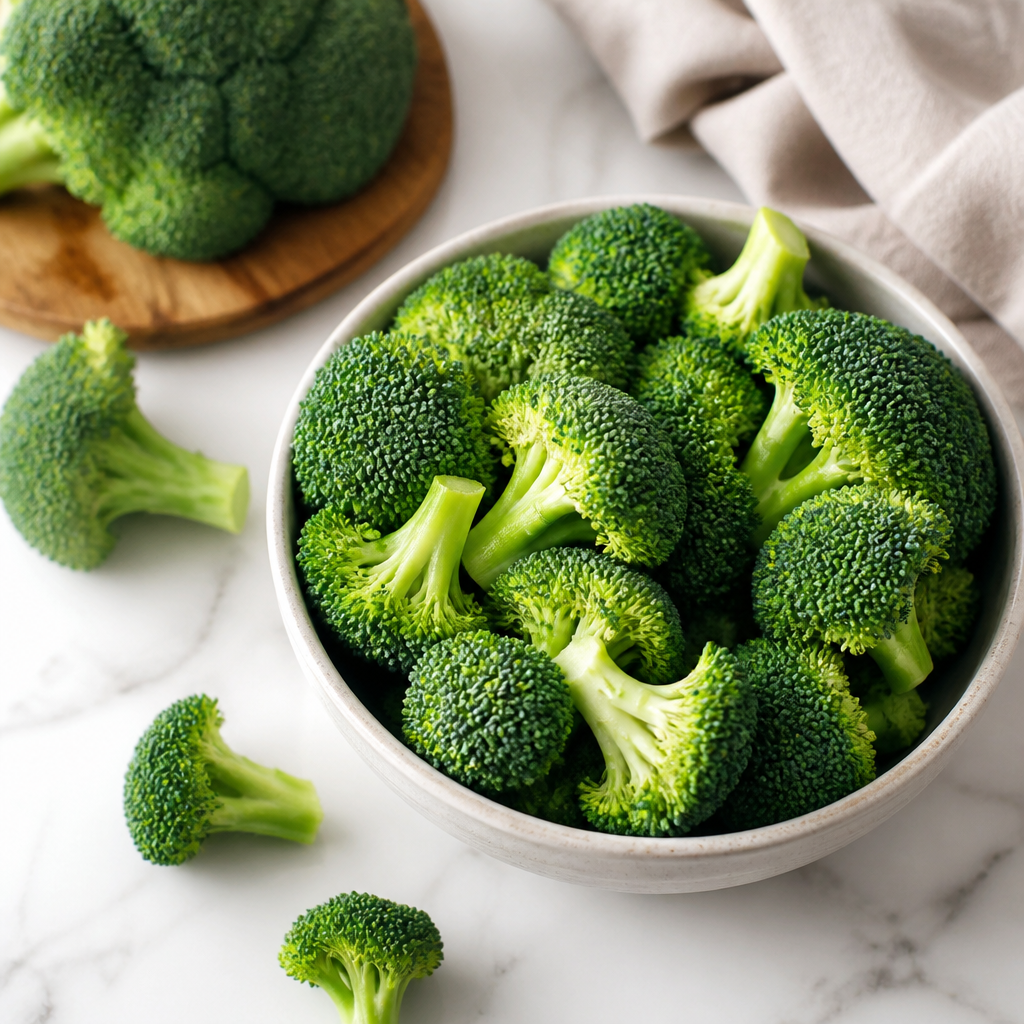 How Many Calories Are in Broccoli? An In-Depth Look
 How Many Calories Are in a Potato? Unpacking the Nutritional Value
 How to Estimate Calorie Counts Visually: A Guide for Impromptu Dieters
 Как считать калории в ресторане: Практическое руководство
 Формула Харриса-Бенедикта простыми словами
 Главные ошибки подсчета калорий
 Как считать калории без весов: Практическое руководство для диетчиков
 Почему вес не уходит при дефиците калорий: ключевые причины и решения
 Сколько калорий нужно есть в день: Определяем ваши потребности в ежедневном потреблении калорий
 Формула подсчета калорий: Ключ к успешному управлению весом
 Почему подсчет калорий эффективнее диет