Should You Count Vegetables and Greens in Your Daily Calorie Intake?
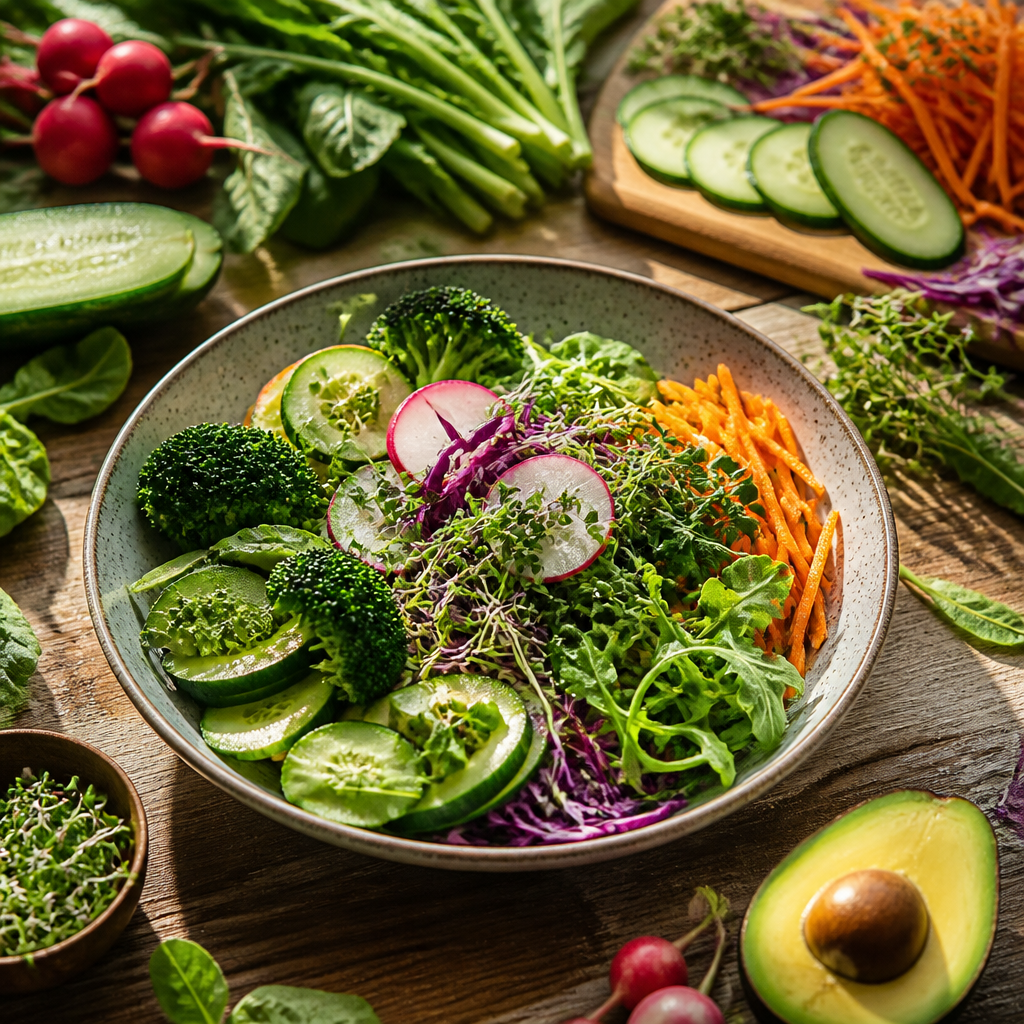
When it comes to tracking your caloric intake, many dieters find themselves wondering: should you count vegetables and greens? The short answer is yes, but let's delve deeper into the reasons why and how to approach counting these nutritious food groups for optimal health.
Understanding the Nutritional Value of Vegetables and Greens
Vegetables and greens are nutritional powerhouses. They are typically low in calories but high in essential vitamins, minerals, fiber, and antioxidants. For instance, a cup of raw spinach is only about 7 calories yet packed with vitamins A, C, and K, along with iron and calcium. Meanwhile, a cup of broccoli contains about 55 calories and offers significant amounts of vitamin C, vitamin K, fiber, and folate.
The Role of Vegetables in Caloric Intake
Including vegetables in your diet is vital for promoting fullness and reducing hunger. Their high fiber content helps regulate your digestive system, which can, in turn, assist in weight management. However, just because they're low in calories doesn't mean you should ignore them when calculating your daily intake.
Here’s a quick look at the average caloric values of some common vegetables:
Vegetable Serving Size Calories Spinach 1 cup raw 7 Broccoli 1 cup cooked 55 Carrots 1 cup raw 52 Bell pepper 1 cup raw 46 Cauliflower 1 cup cooked 25Should You Count Them?
So, why count these low-calorie foods? The answer lies in understanding your overall nutritional intake and how to balance your macronutrients. While you may not need to stress over counting every leaf of lettuce, recognizing the calories in larger portions or cooked vegetables can help maintain a clear picture of your diet.
The Benefits of Including Vegetables in Your Count
Mindful Eating: Tracking the calories from vegetables encourages mindfulness about what you eat. It can help you make better choices and prevent skimping on important nutrients.
Standardizing Portions: By including vegetables in your counting, you’re more likely to standardize your portion sizes, leading to a balanced diet.
Promoting Variety: Keeping track of your vegetable intake helps you experiment with different types, colors, and preparations, which can enhance flavor and texture in your meals.
Practical Tips for Counting Vegetables
- Use a Food Diary or App: Numerous apps can help simplify tracking. Just input your vegetable servings, and it will provide the total calories.
- Measure Serving Sizes: Get accustomed to measuring standard serving sizes to make tracking easier.
- Cooked vs. Raw: Remember that cooking can change the calorie density of vegetables. For example, 1 cup of cooked broccoli has more calories than 1 cup of raw broccoli due to water loss during cooking.
Conclusion
In conclusion, counting vegetables and greens can be beneficial for those who are health-conscious and looking to make informed dietary decisions. It does not mean obsessing over every carrot slice, but understanding how these foods fit into your overall caloric intake is key.
So, next time you whip up a salad or sauté some green beans, consider their role in your diet.
Want to keep track of your nutrition more accurately? Download our app! Snap a photo of your meal, and let our AI calculate the calories and BJU for you, helping you stay on top of your health goals.
Cal AI
Track meals faster with Cal AI
Scan food, estimate calories, and keep your nutrition log moving without typing every ingredient.
Get the appAuthor
Cal AI Editorial Team
Practical guides on nutrition, calorie tracking, meal planning, and building healthier habits with Cal AI.
Related articles
 The Most Filling Vegetables for Weight Loss
 Discover the Vegetables With the Fewest Calories: Your Guide to Guilt-Free Eating
 The Best Vegetables for a Calorie Deficit
 Why Strict Diets Don't Work: Understanding the Pitfalls of Extreme Restrictions
 The Best Weight Management Strategies: Proven Tactics for Success
 How to Keep a Weight Journal: Tips for Accountability and Progress Tracking
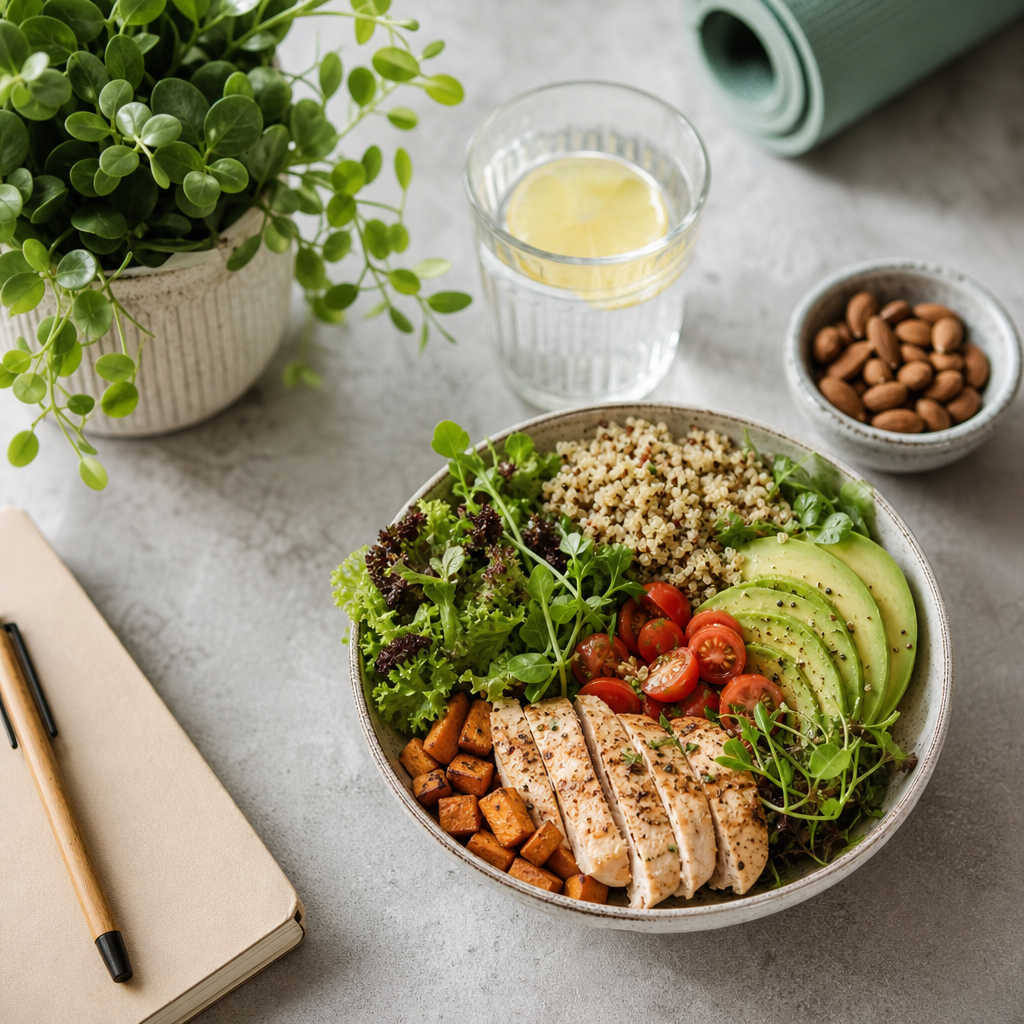 How to Lose Weight Without Stress: Embrace a Balanced Approach
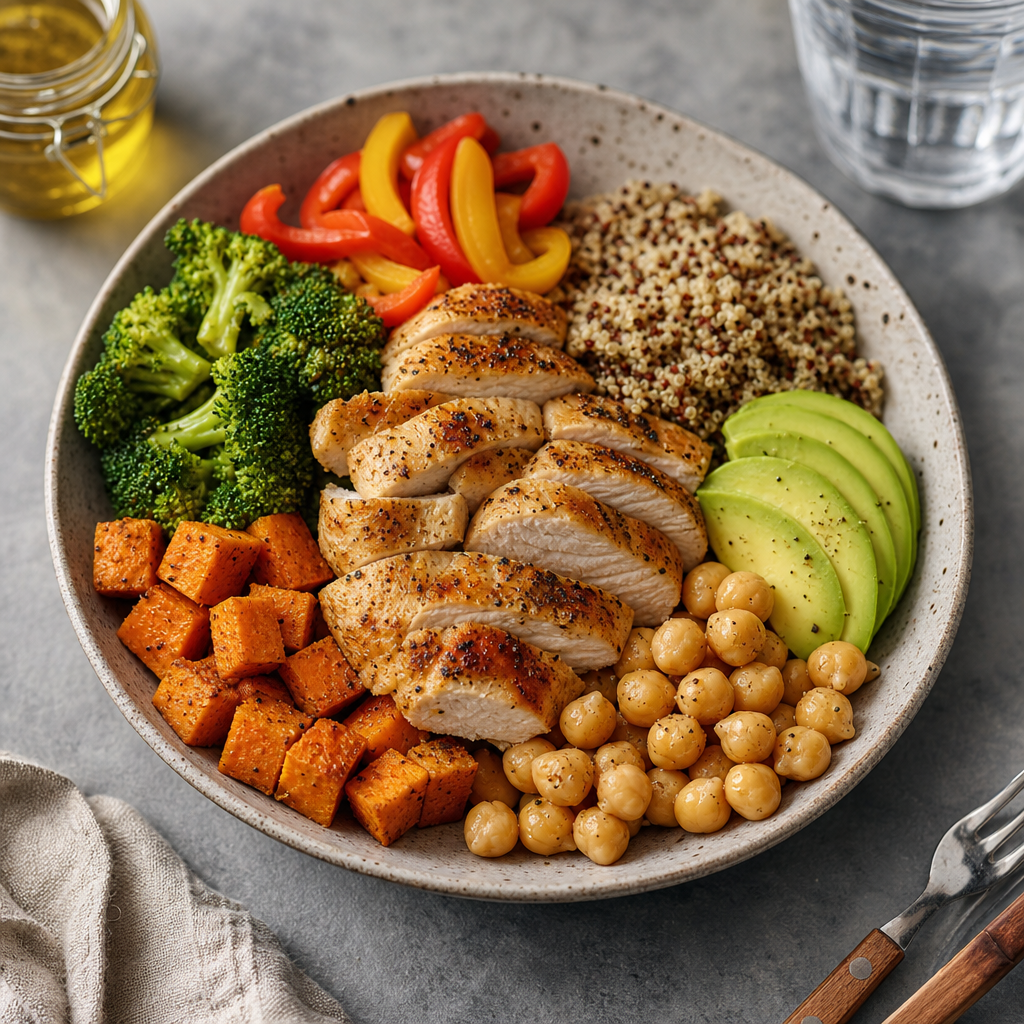 Common Macro Tracking Mistakes: Avoid These Pitfalls for Better Results
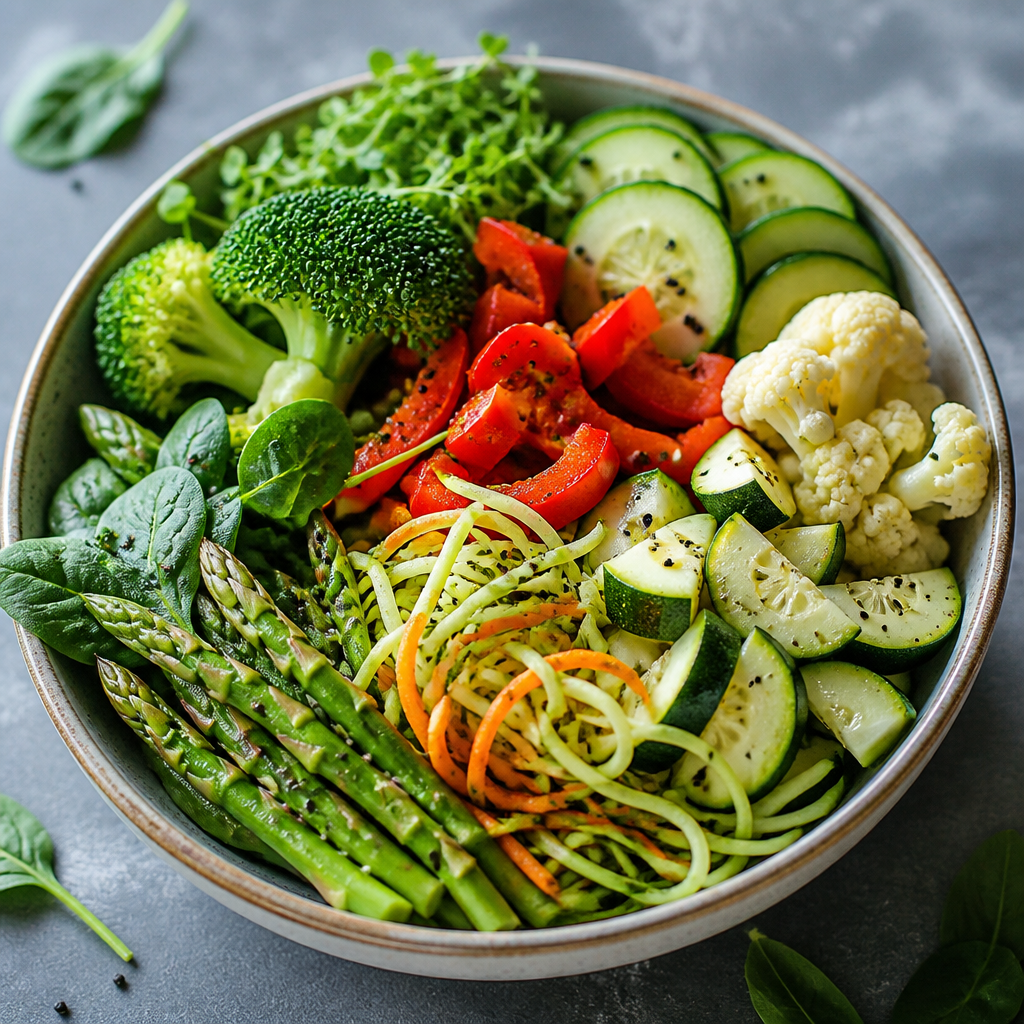 The Best Low-Calorie, Low-Carb Vegetables for Your Healthy Diet
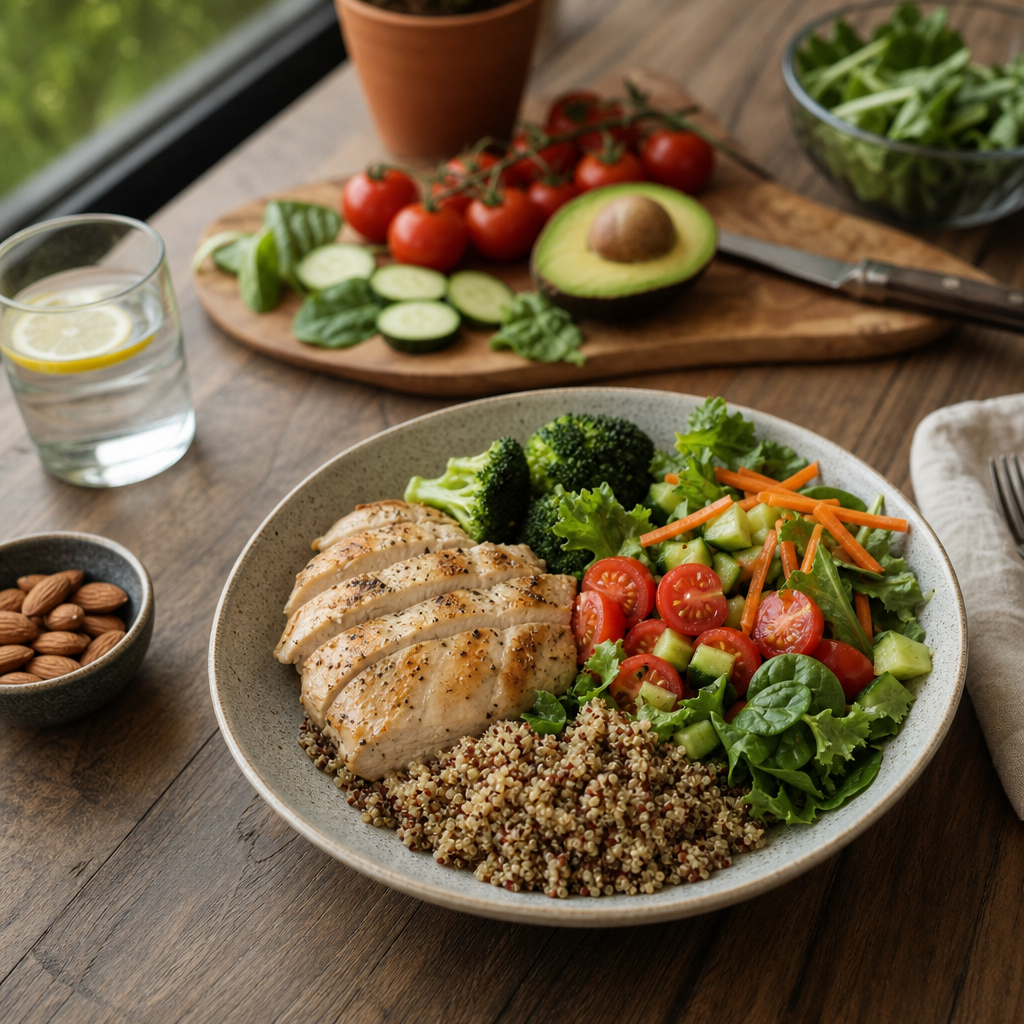 Sustainable Weight Loss Explained: Your Guide to Long-Term Success
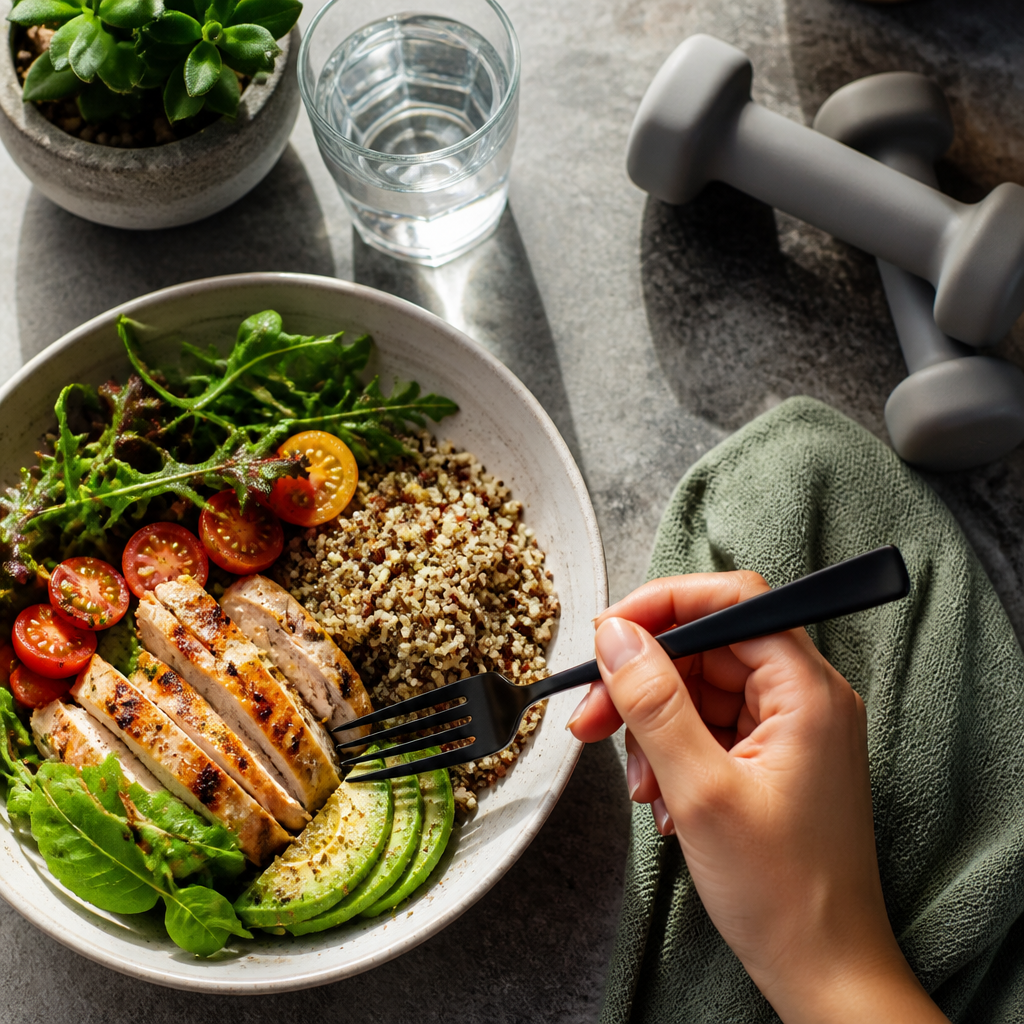 How to Control Your Weight With Calorie Tracking
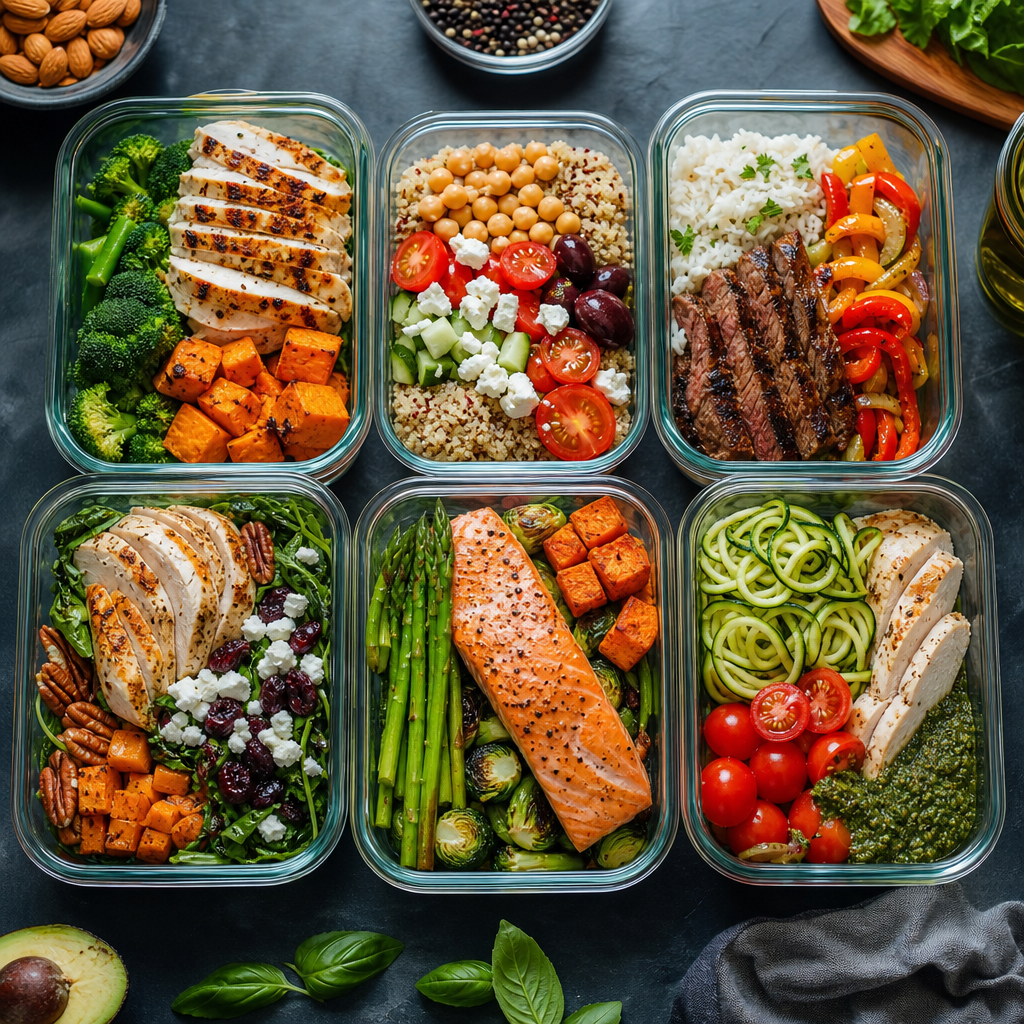 How to Build a Macro-Based Meal Plan: Your Ultimate Guide to Meal Prepping
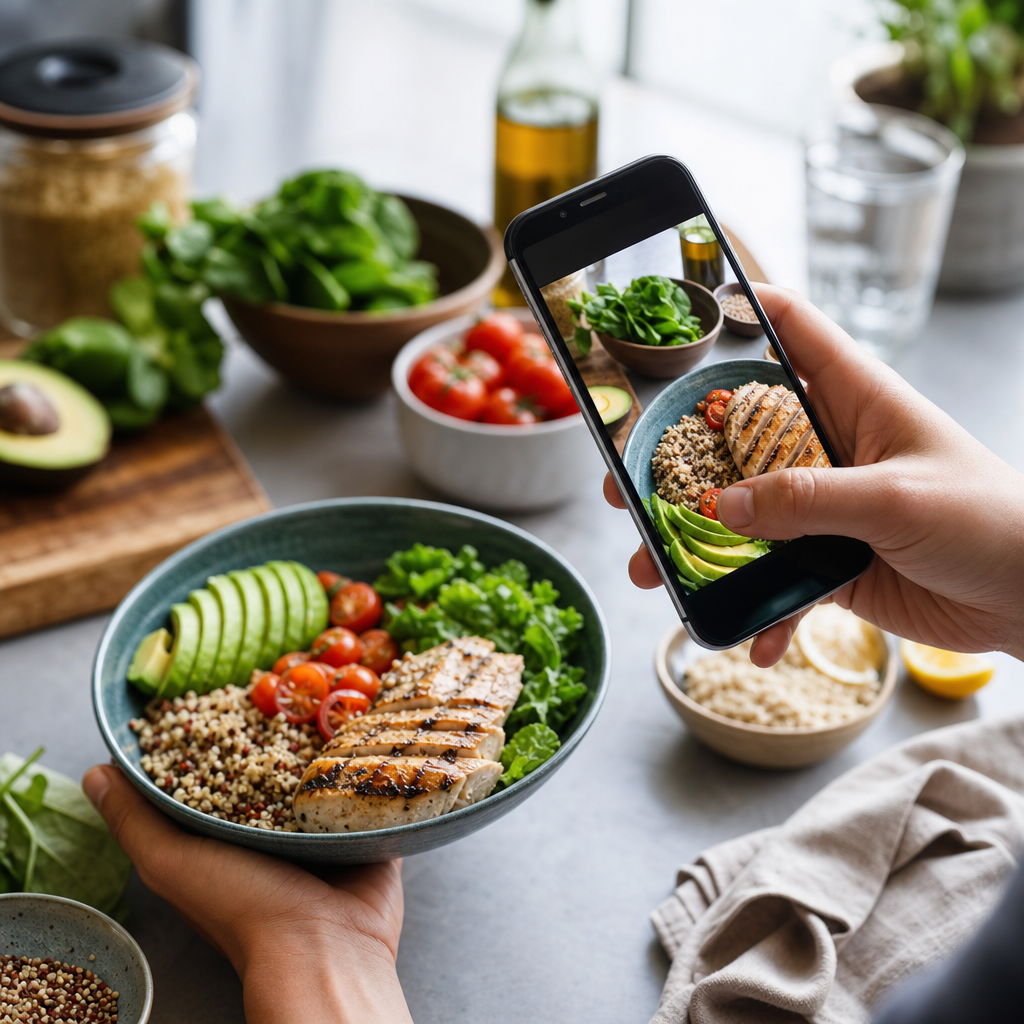 How to Track Macros Automatically: A Tech-Savvy Guide
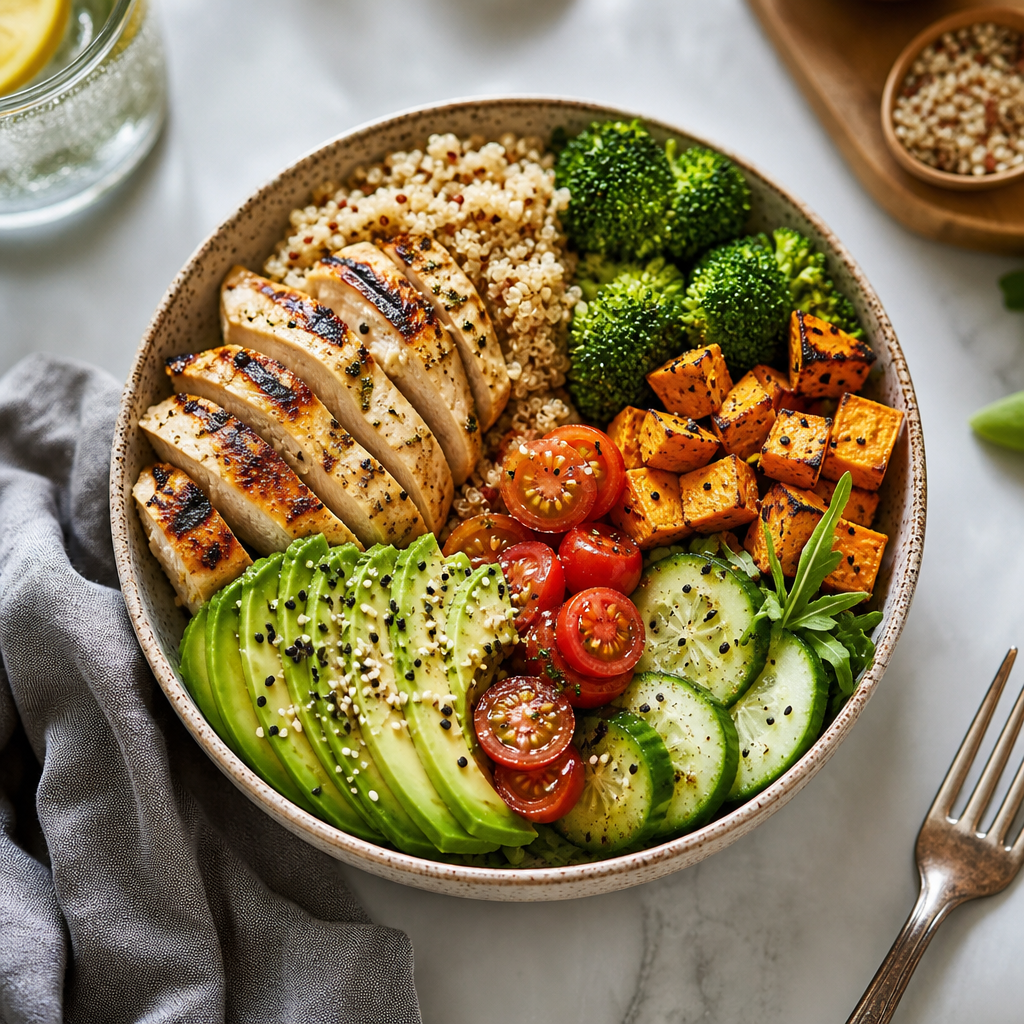 Macro Tracking for Beginners: Your Ultimate Guide to Nutritional Success
 How Many Calories Are in an Orange?
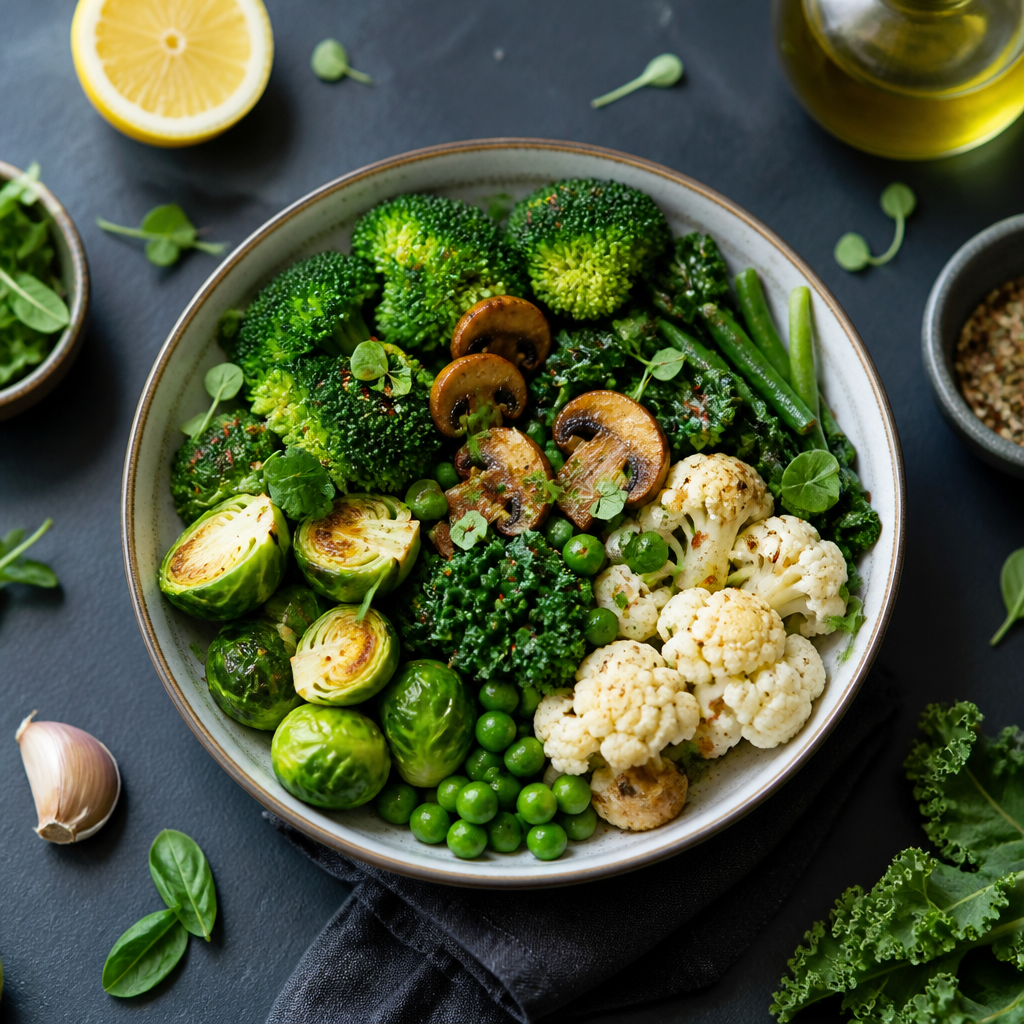 Which Vegetables Keep You Full the Longest?
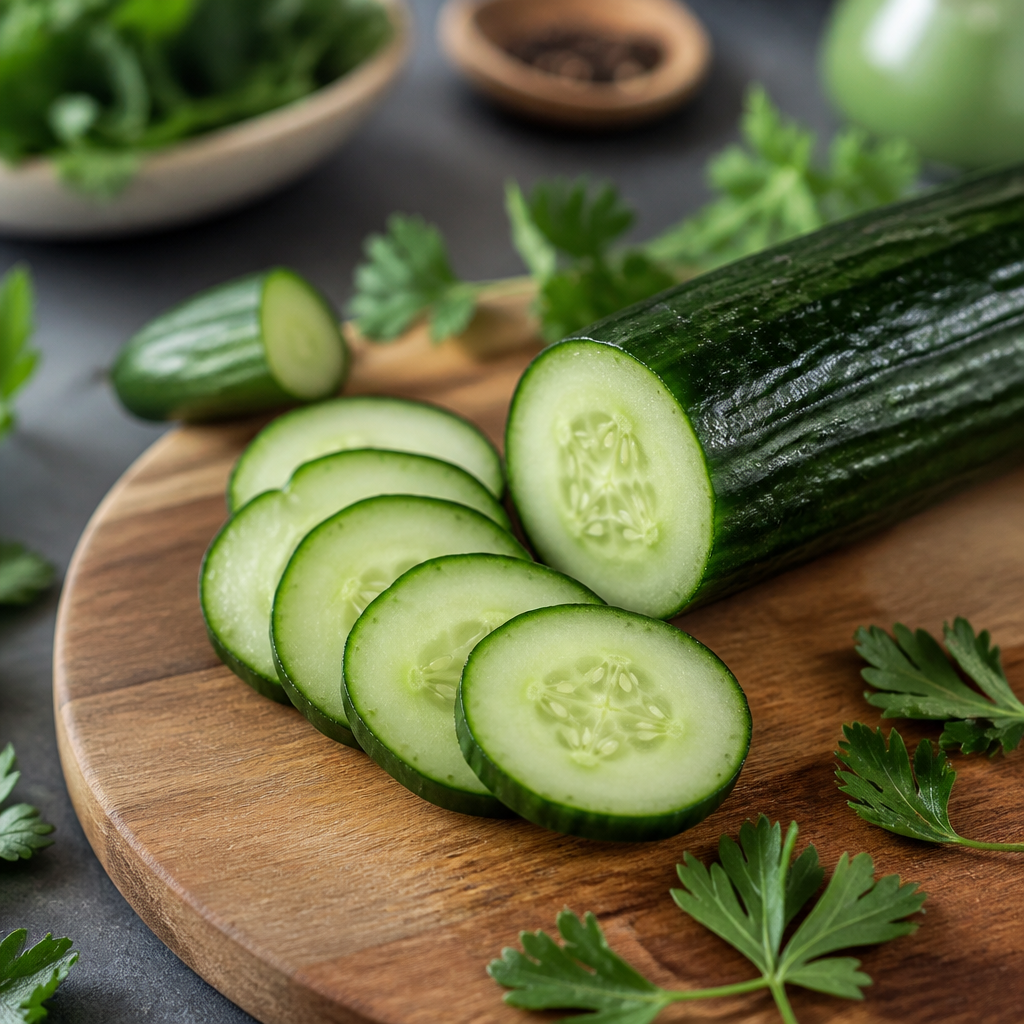 How Many Calories Are in a Cucumber? Unveiling the Secrets of This Superfood
 How Many Calories Are in a Banana?
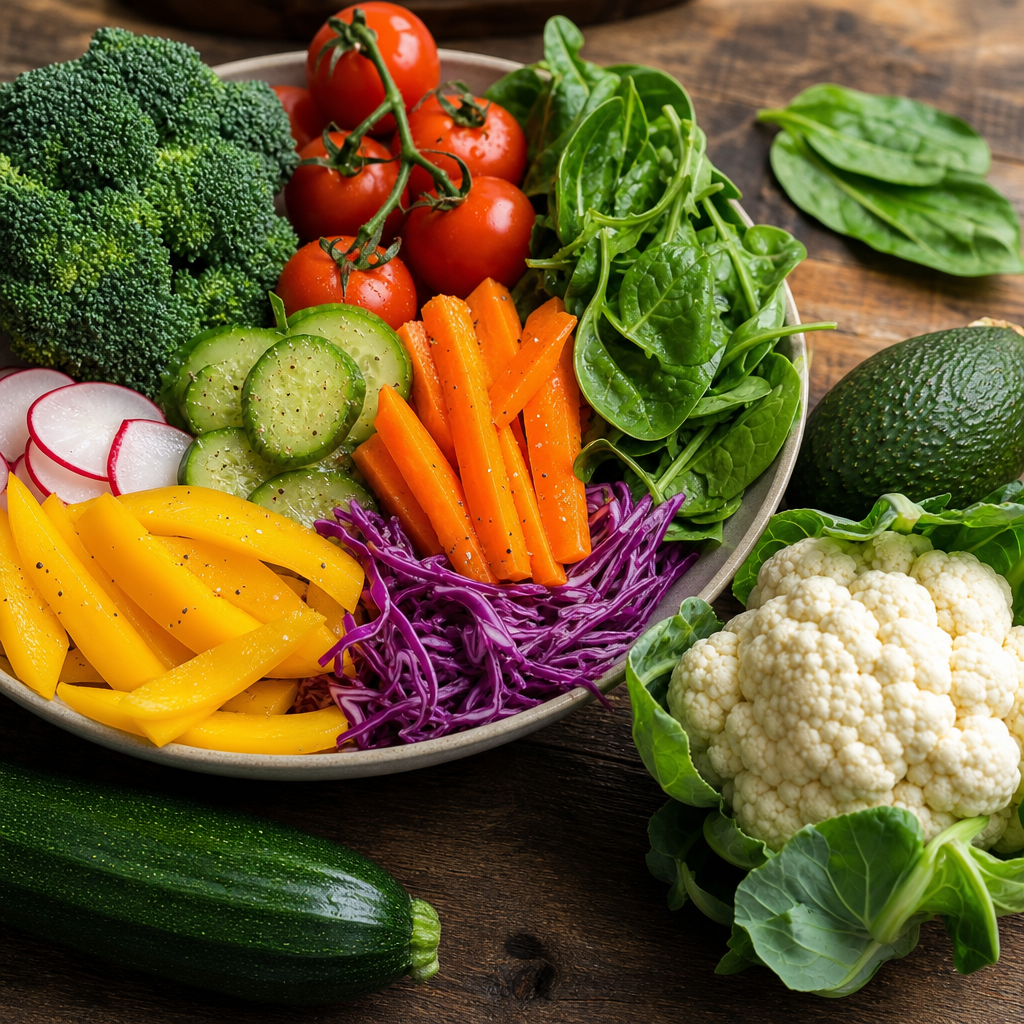 The Healthiest Vegetables for Weight Loss: Your Ultimate Guide
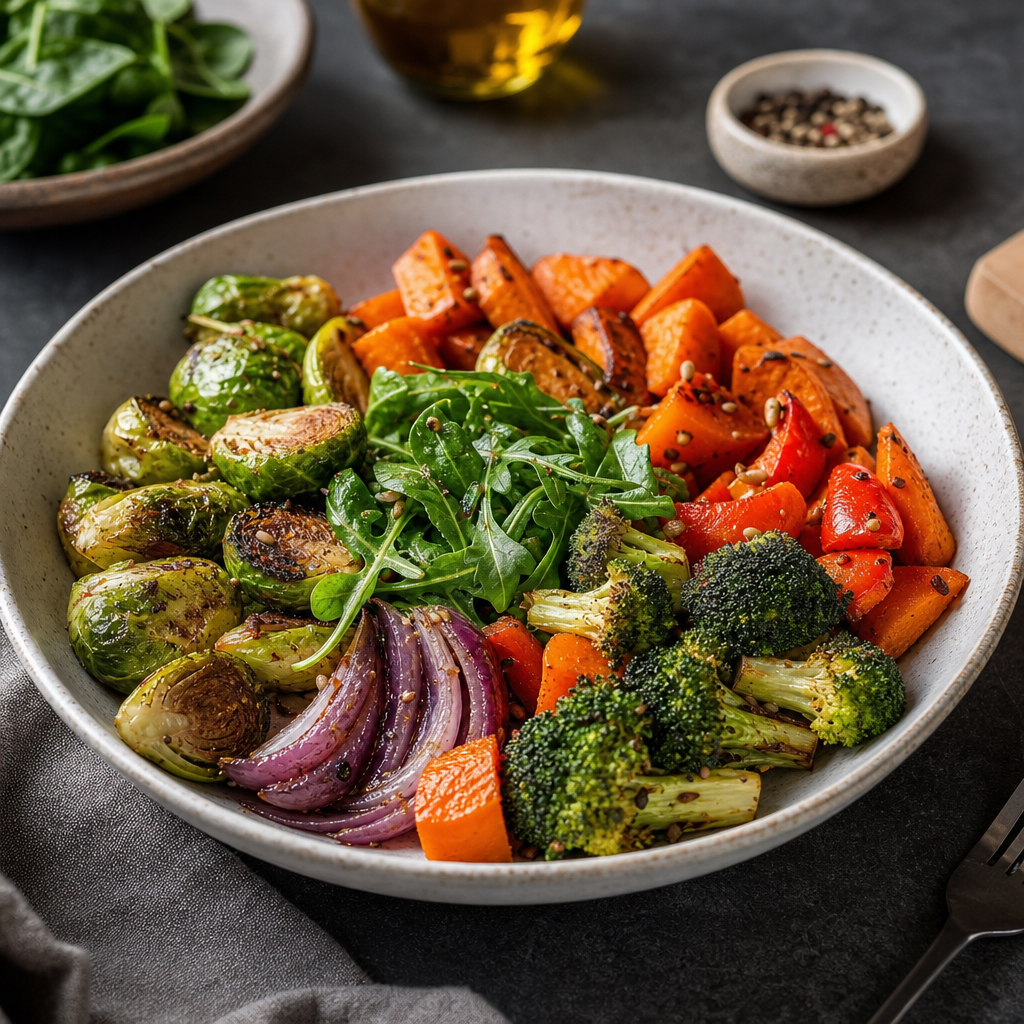 The Best Vegetables for Dinner: Nourishing Your Body While Losing Weight
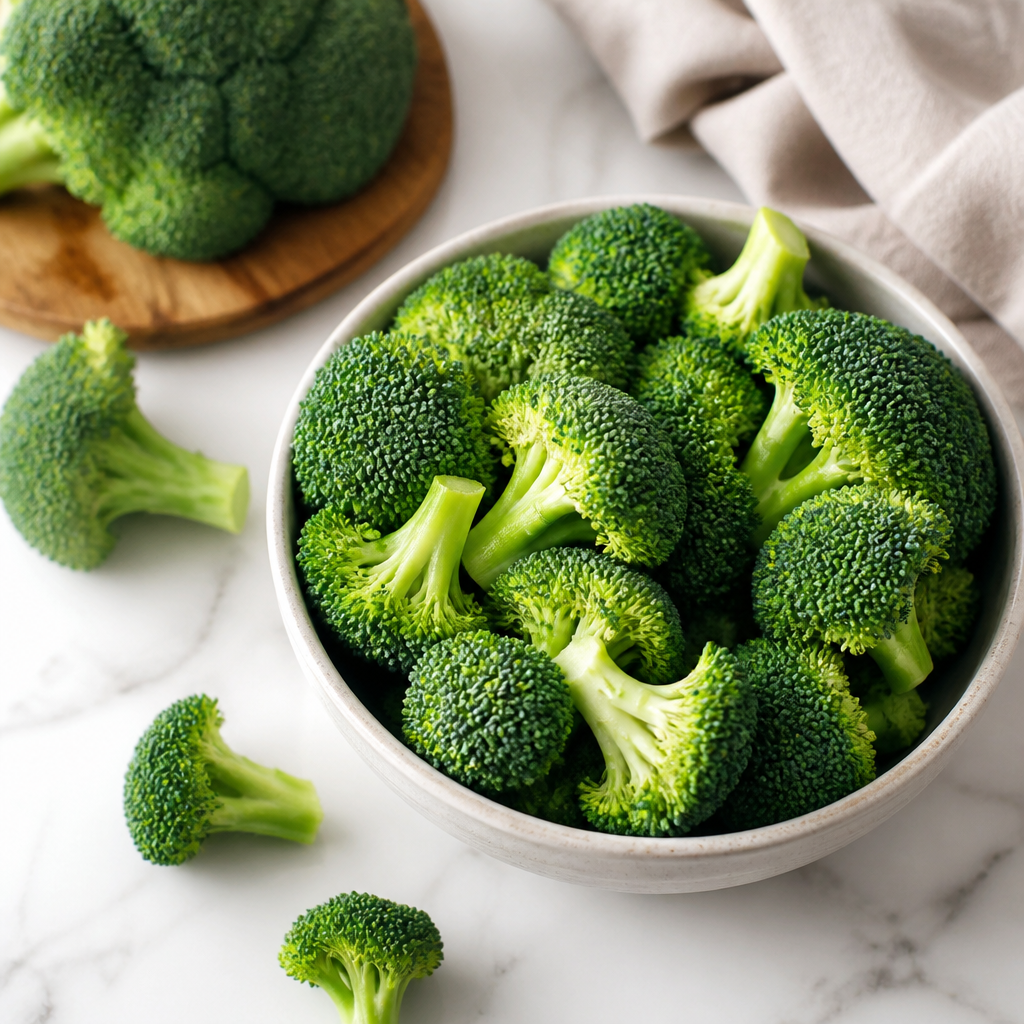 How Many Calories Are in Broccoli? An In-Depth Look
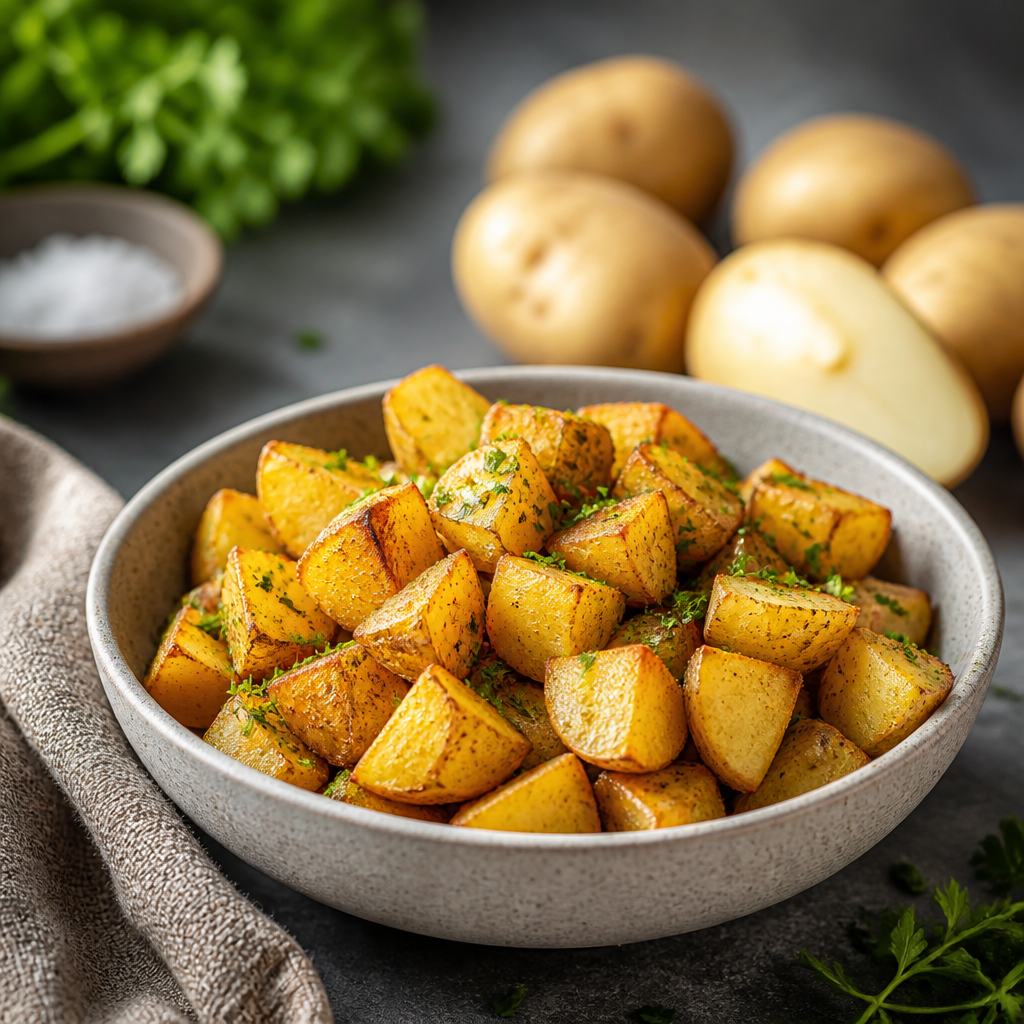 How Many Calories Are in a Potato? Unpacking the Nutritional Value
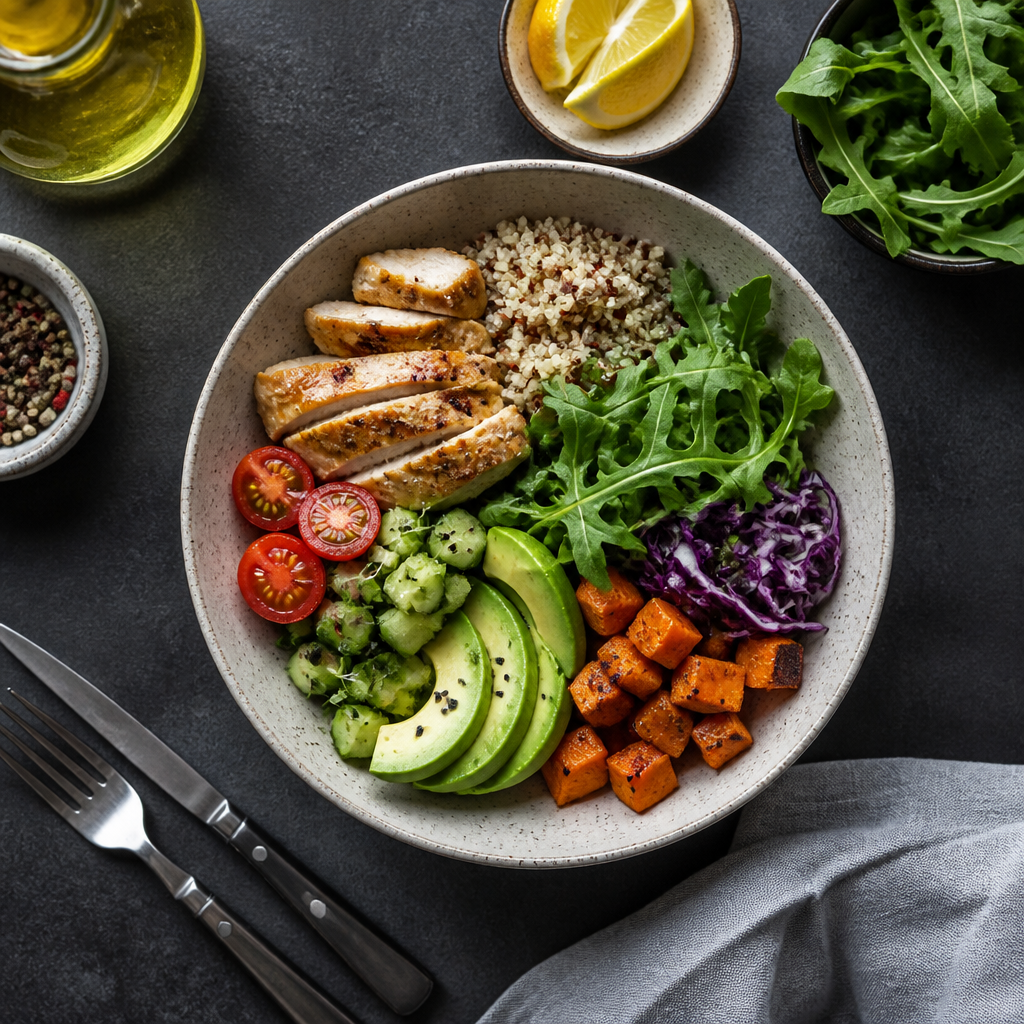 How to Estimate Calorie Counts Visually: A Guide for Impromptu Dieters
 Как считать калории в ресторане: Практическое руководство
 Формула Харриса-Бенедикта простыми словами
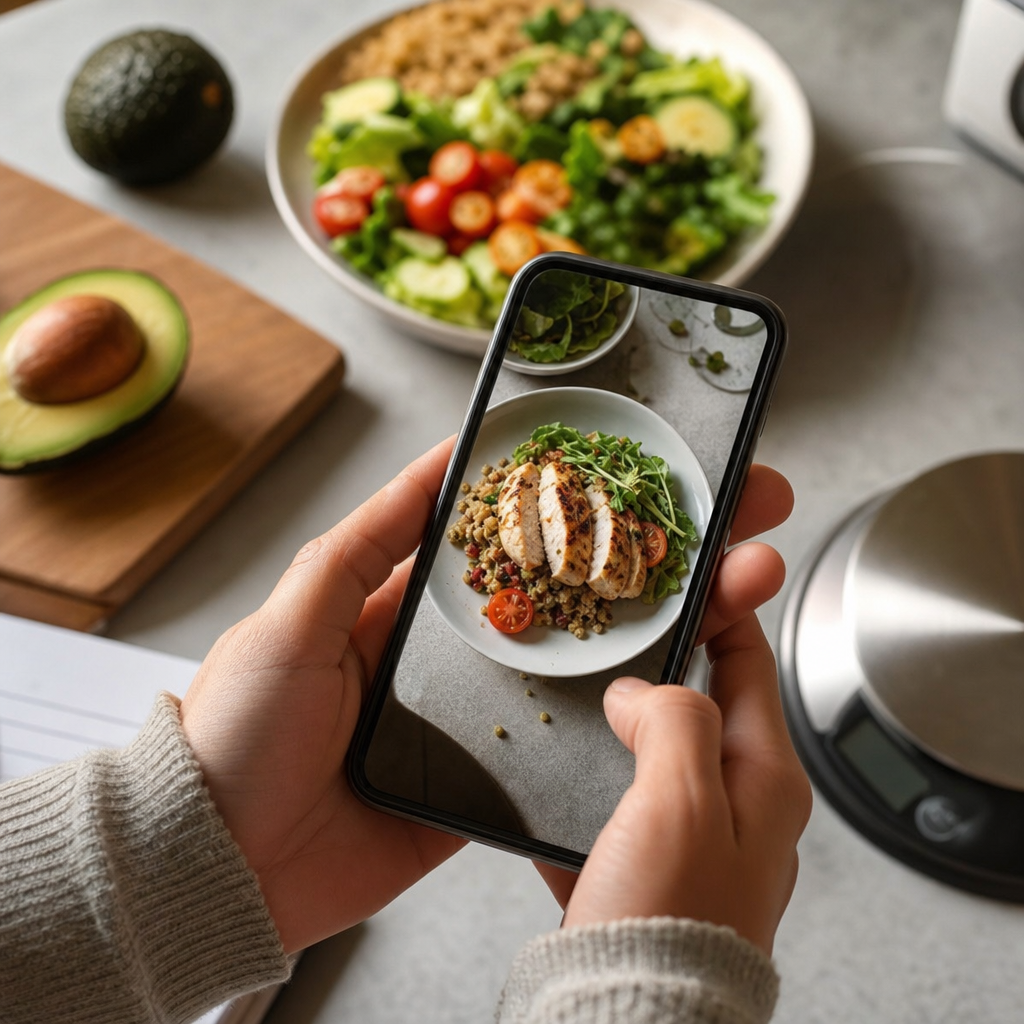 Главные ошибки подсчета калорий
 Как считать калории без весов: Практическое руководство для диетчиков
 Почему вес не уходит при дефиците калорий: ключевые причины и решения
 Сколько калорий нужно есть в день: Определяем ваши потребности в ежедневном потреблении калорий
 Формула подсчета калорий: Ключ к успешному управлению весом