Achieving Your Protein Goals Without Overcomplicating Things
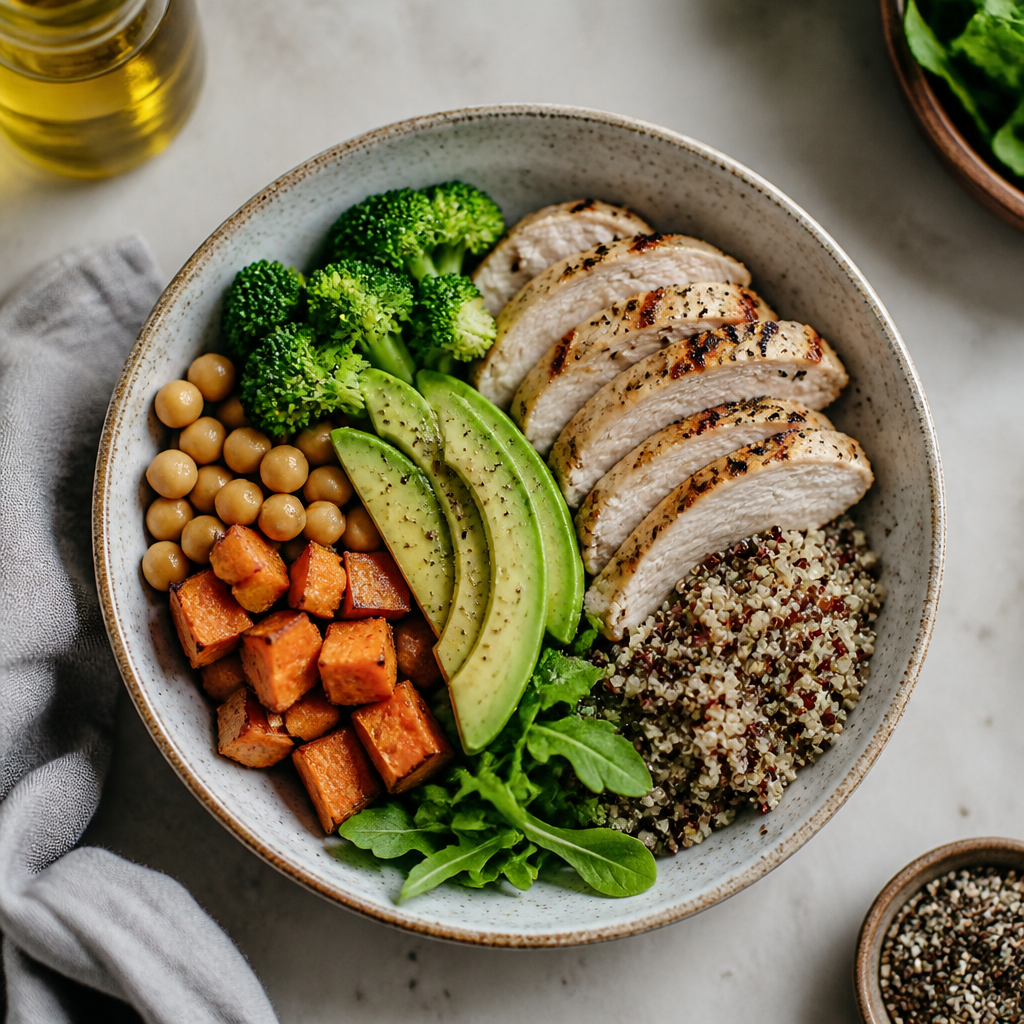
While many individuals are aware of the importance of protein in their diets, achieving specific protein goals can sometimes feel overwhelming. With various diets, tracking methods, and nutritional advice out there, it's easy to lose sight of the basics. In this article, we'll break down practical strategies to help you hit your protein targets without overcomplicating the process.
Understanding Protein Needs
Before diving into how to meet your protein goals, it's important to know how much protein you actually need. For most adults, the recommendation is about 0.8 grams of protein per kilogram of body weight. However, if you are active or looking to build muscle, this number could increase to about 1.2 to 2.0 grams per kilogram.
For example, if you weigh 70 kg (approximately 154 lbs) and are moderately active, your target might range between 84 to 140 grams of protein per day. Make sure to adjust these figures according to your lifestyle and fitness goals.
Simple Protein Sources
To meet your protein goals, you don’t have to turn to complicated supplements or fancy recipes. Here are some straightforward protein sources that can easily fit into your meals:
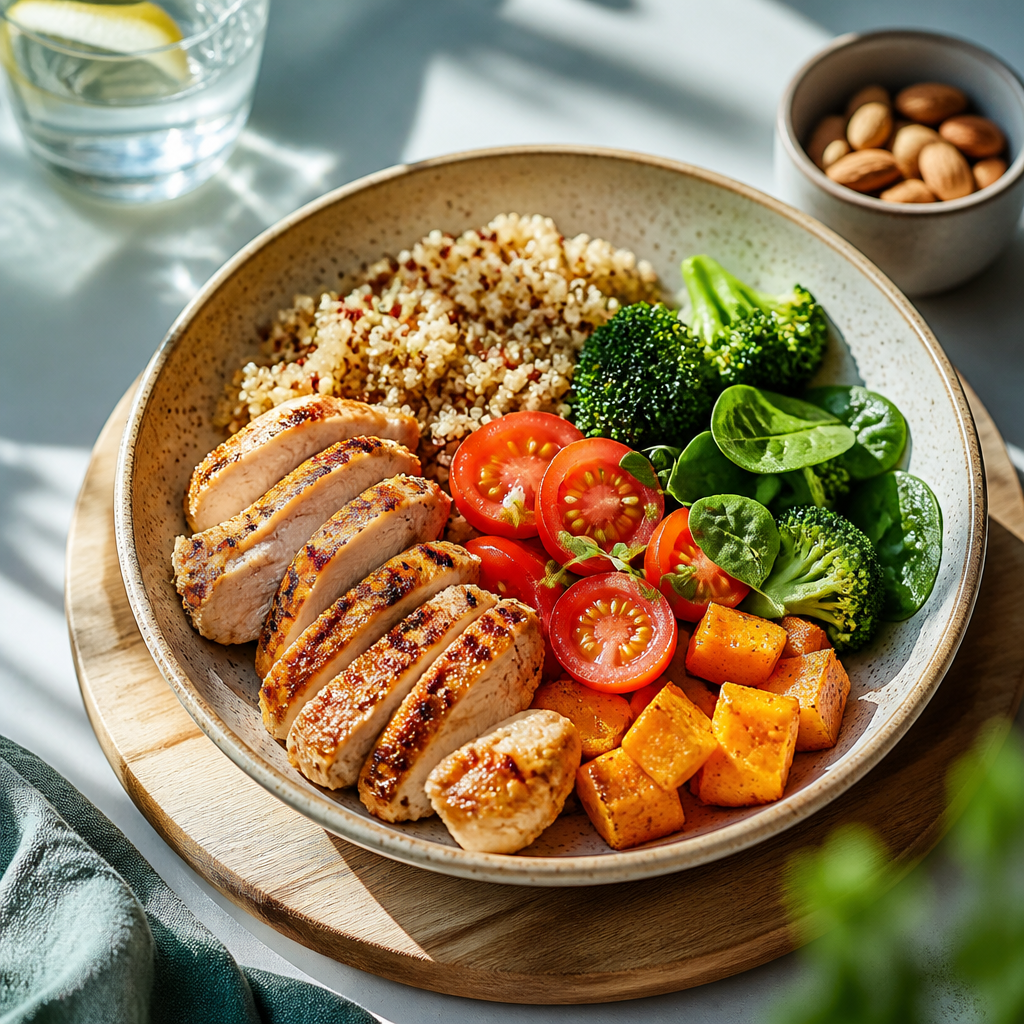
Lean Meats: Chicken breast, turkey, and lean cuts of beef are excellent choices. A 100-gram serving of chicken breast contains approximately 31 grams of protein.
Fish: Tuna, salmon, and shrimp are not only rich in protein but also packed with omega-3 fatty acids. A 100-gram serving of salmon contains around 25 grams of protein.
Eggs: They're a versatile source available in countless dishes. One large egg offers about 6 grams of protein.
Dairy Products: Greek yogurt, cottage cheese, and milk provide protein as well as calcium. An average serving of Greek yogurt can have about 10-20 grams of protein.
Legumes and Pulses: Lentils, chickpeas, and black beans are great plant-based protein options. A cup of cooked lentils contains around 18 grams of protein.
Nuts and Seeds: Almonds, chia seeds, and hemp seeds can boost your protein intake as snacks or additions to meals. A handful of almonds offers about 6 grams of protein.
Meal Ideas
Now that you know protein sources, let’s create simple meal ideas to help you reach your protein goals:
- Breakfast: Scrambled eggs with spinach and feta cheese or a smoothie with Greek yogurt and fruits.
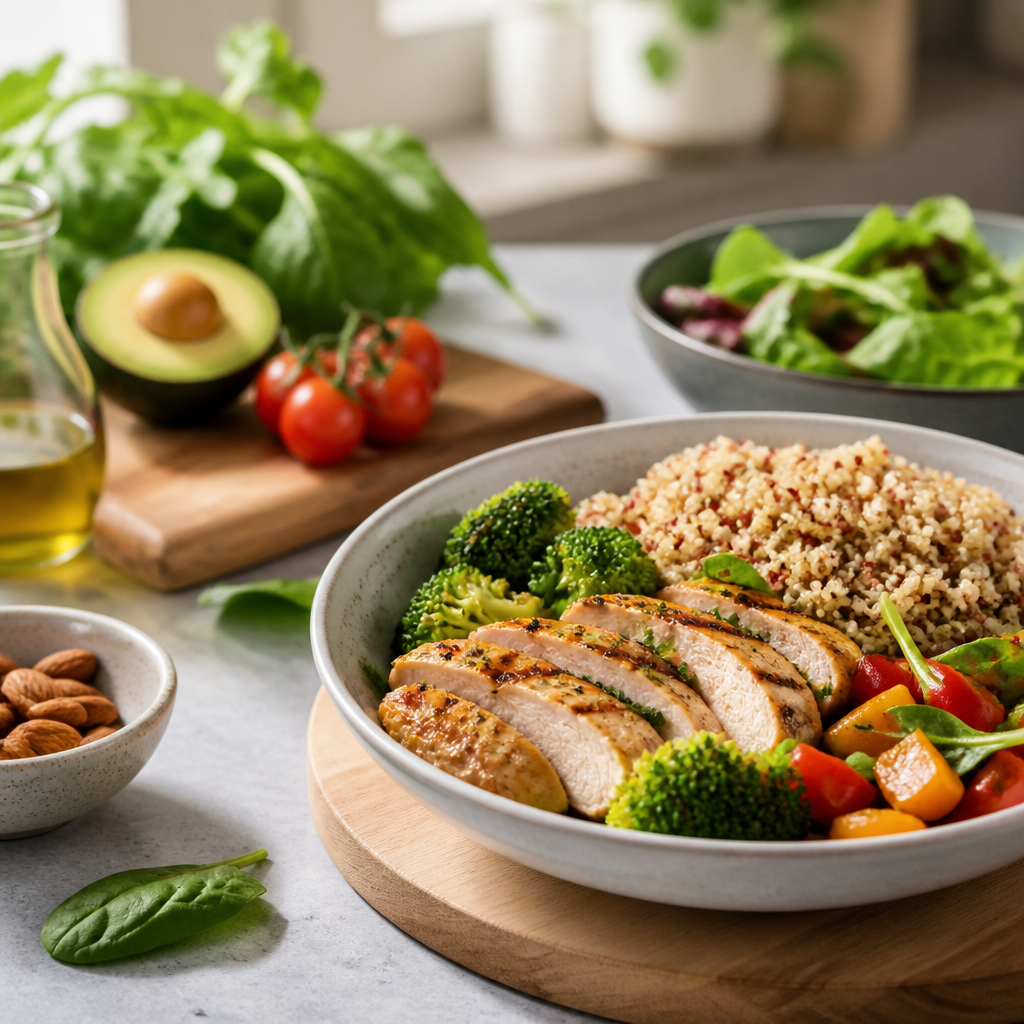
- Lunch: A salad with grilled chicken, mixed vegetables, and a sprinkle of nuts.
- Dinner: Baked salmon with quinoa and steamed broccoli.
- Snacks: Hummus with carrot sticks or a protein bar.
Practical Tips for Tracking Protein
Simplified Tracking: Use an app or a food diary to log your meals. Focus on tracking protein rather than every single macro detail to avoid feeling overwhelmed.
Visual Portions: Familiarize yourself with portion sizes. For instance, a serving of chicken is roughly the size of your palm, while a serving of beans resembles your cupped hand.
Batch Cooking: Prepare meals in advance. This ensures you have protein-rich options readily available, reducing the temptation for low-protein quick fixes.
Embrace Snacks: Keep protein-rich snacks handy. Nuts, protein bars, or yogurt are easy to grab and consume when you’re on the go.
Conclusion
Meeting your protein goals doesn’t need to be complicated. By understanding your needs, simplifying your protein sources, and incorporating them into easy meal plans, you can nourish your body effectively. And remember, the key to hitting your protein targets consistently is to keep it straightforward and enjoyable.
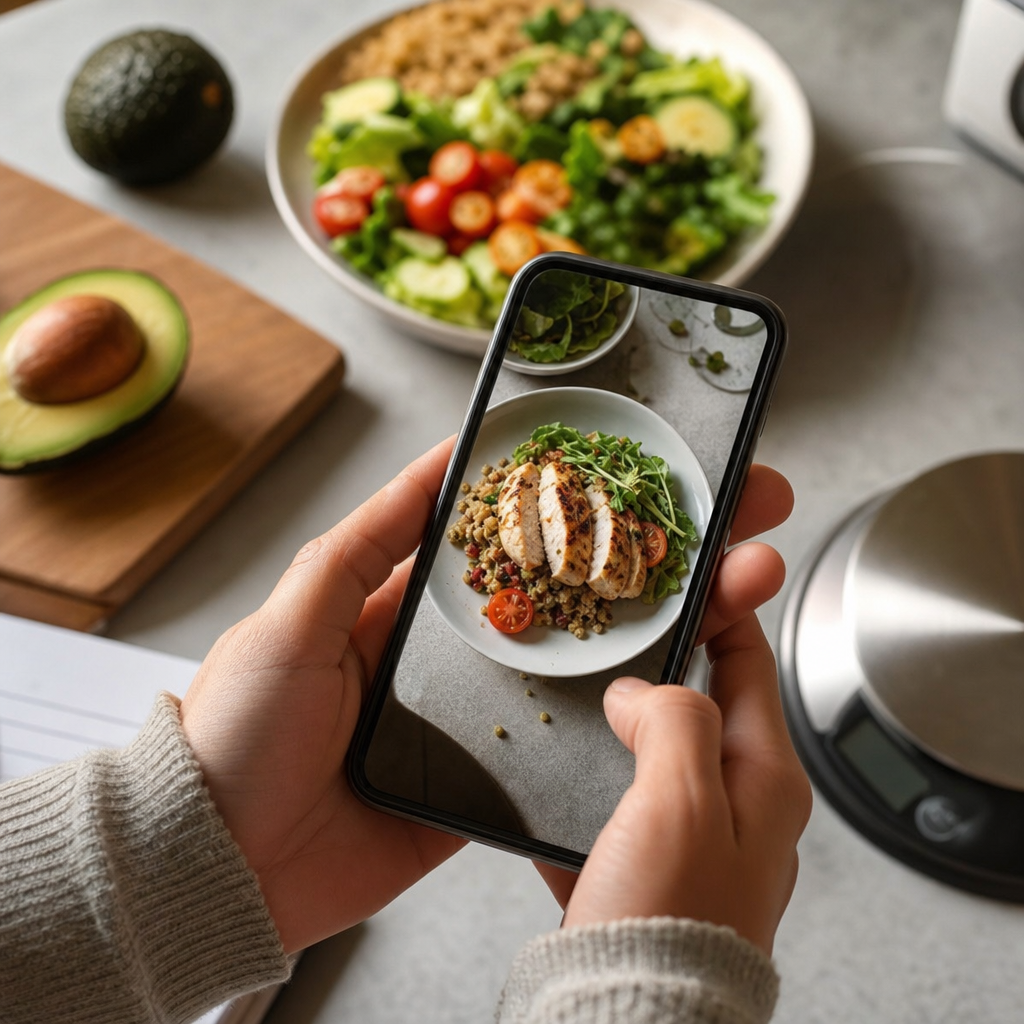
If you want to take your nutrition one step further, consider using an app that lets you upload photos of your meals. Our AI-powered tool can calculate the calories and macronutrients, helping you monitor your intake efficiently without the stress. Start tracking today and simplify your journey towards your health goals!
Cal AI
Track meals faster with Cal AI
Scan food, estimate calories, and keep your nutrition log moving without typing every ingredient.
Get the appAuthor
Cal AI Editorial Team
Practical guides on nutrition, calorie tracking, meal planning, and building healthier habits with Cal AI.
Related articles
 The Best Vegetables for a Calorie Deficit
 Why Strict Diets Don't Work: Understanding the Pitfalls of Extreme Restrictions
 The Best Weight Management Strategies: Proven Tactics for Success
 How to Keep a Weight Journal: Tips for Accountability and Progress Tracking
 How to Lose Weight Without Stress: Embrace a Balanced Approach
 Common Macro Tracking Mistakes: Avoid These Pitfalls for Better Results
 The Best Low-Calorie, Low-Carb Vegetables for Your Healthy Diet
 Sustainable Weight Loss Explained: Your Guide to Long-Term Success
 How to Control Your Weight With Calorie Tracking
 How to Build a Macro-Based Meal Plan: Your Ultimate Guide to Meal Prepping
 How to Track Macros Automatically: A Tech-Savvy Guide
 Macro Tracking for Beginners: Your Ultimate Guide to Nutritional Success
 How Many Calories Are in an Orange?
 Which Vegetables Keep You Full the Longest?
 How Many Calories Are in a Cucumber? Unveiling the Secrets of This Superfood
 How Many Calories Are in a Banana?
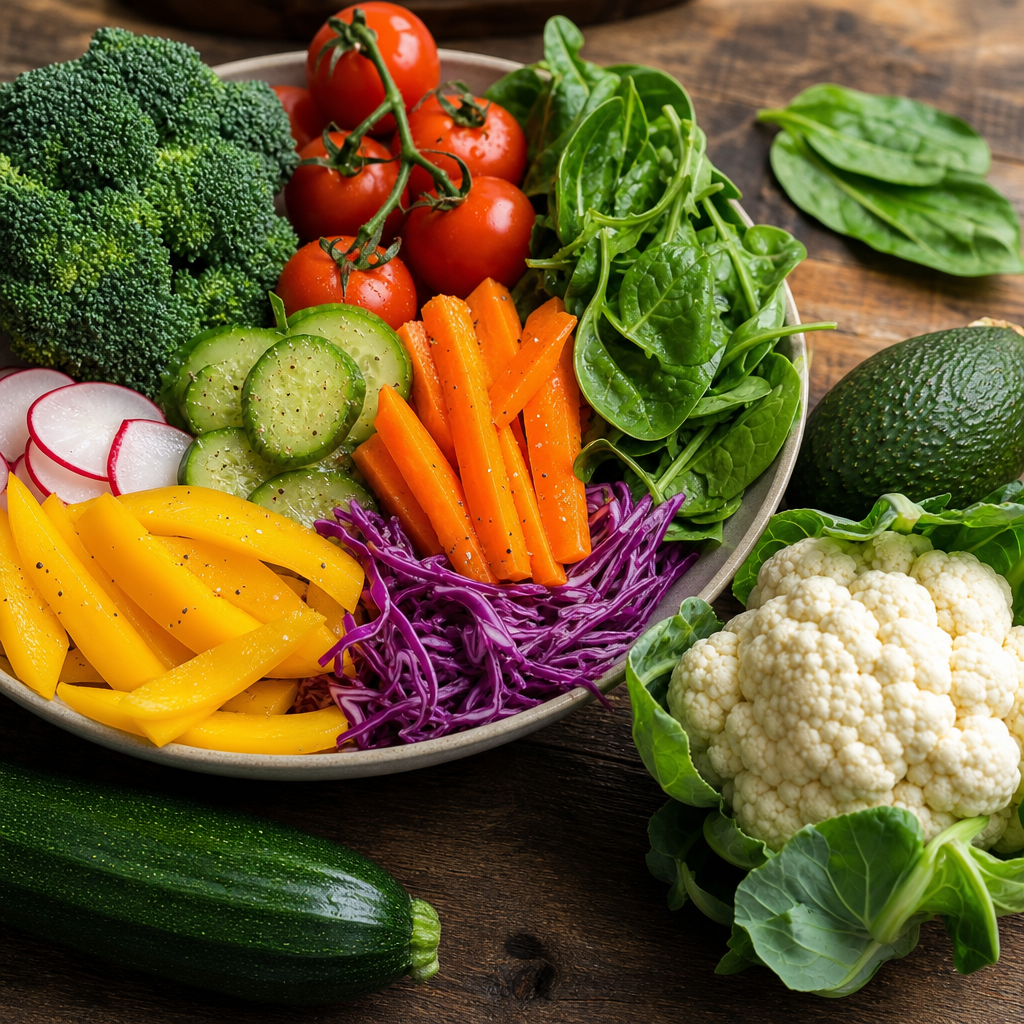 The Healthiest Vegetables for Weight Loss: Your Ultimate Guide
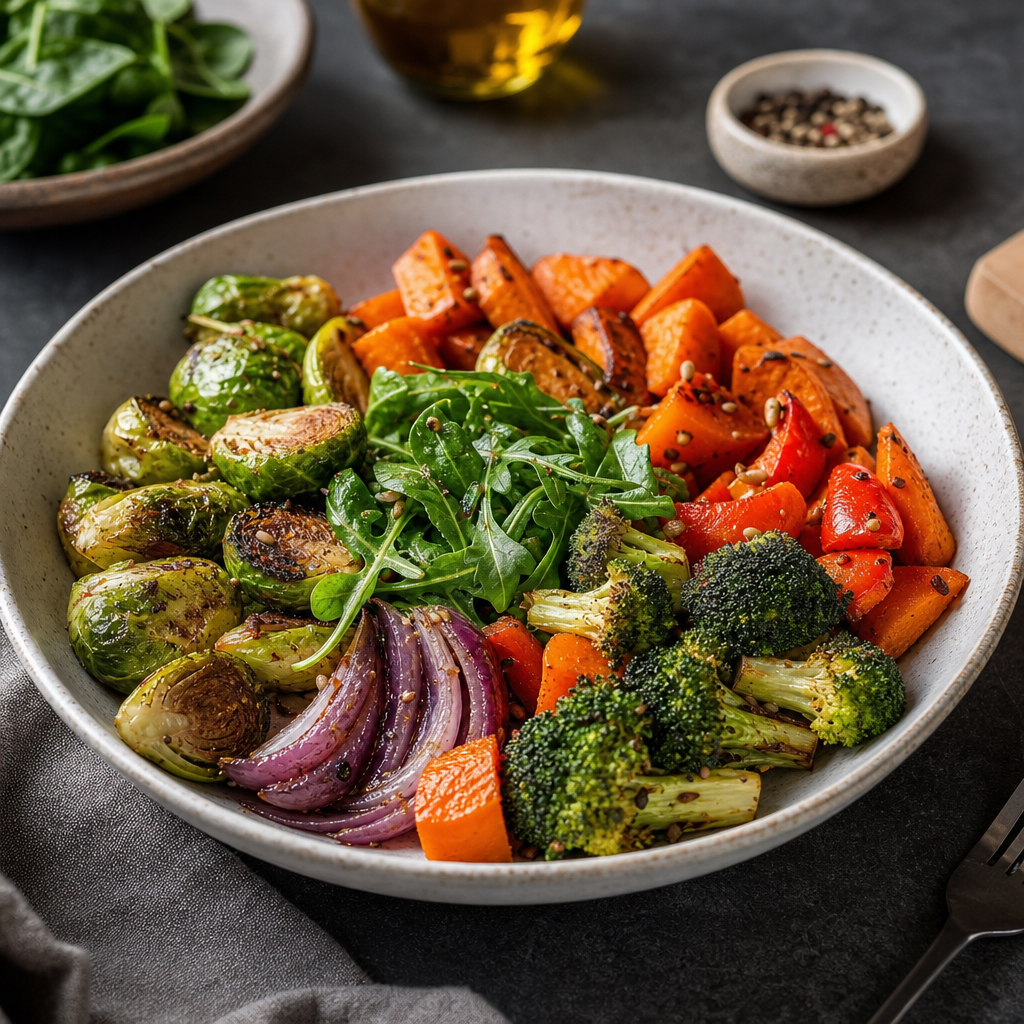 The Best Vegetables for Dinner: Nourishing Your Body While Losing Weight
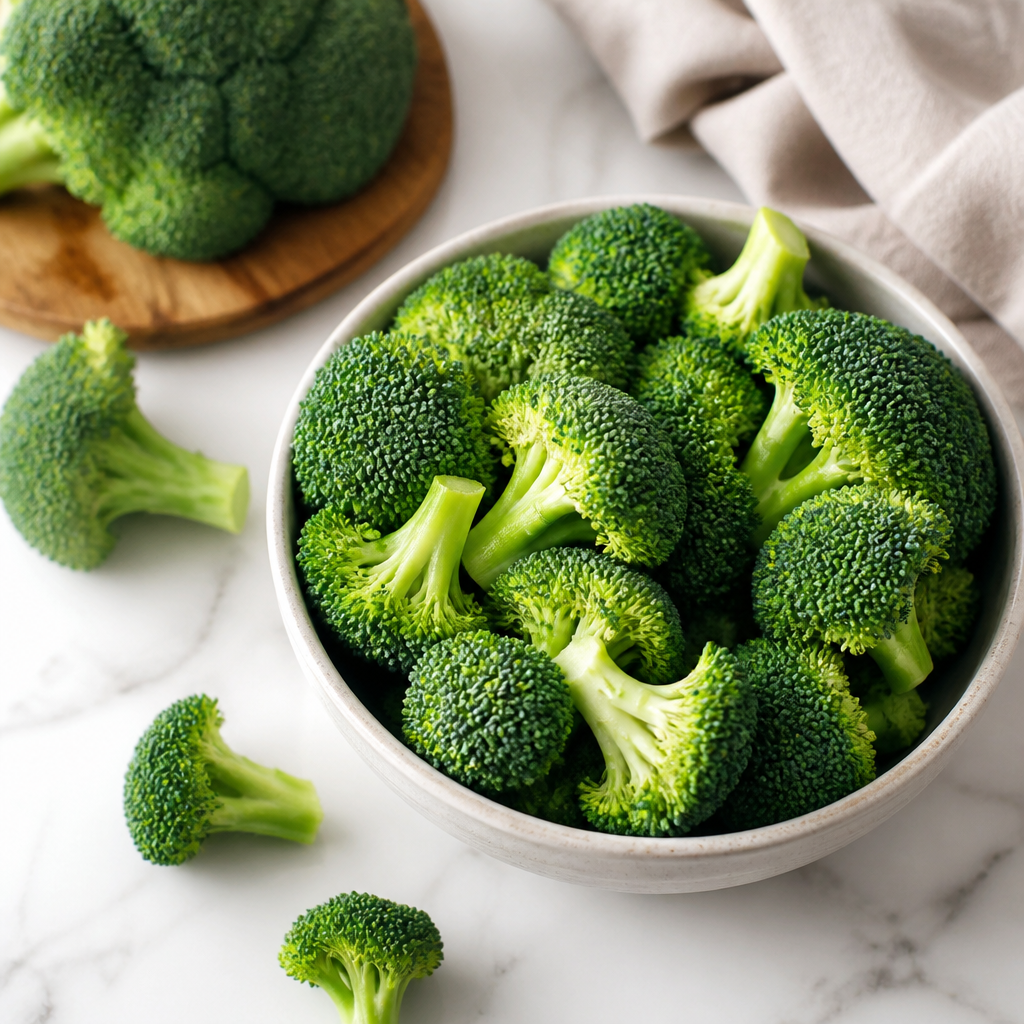 How Many Calories Are in Broccoli? An In-Depth Look
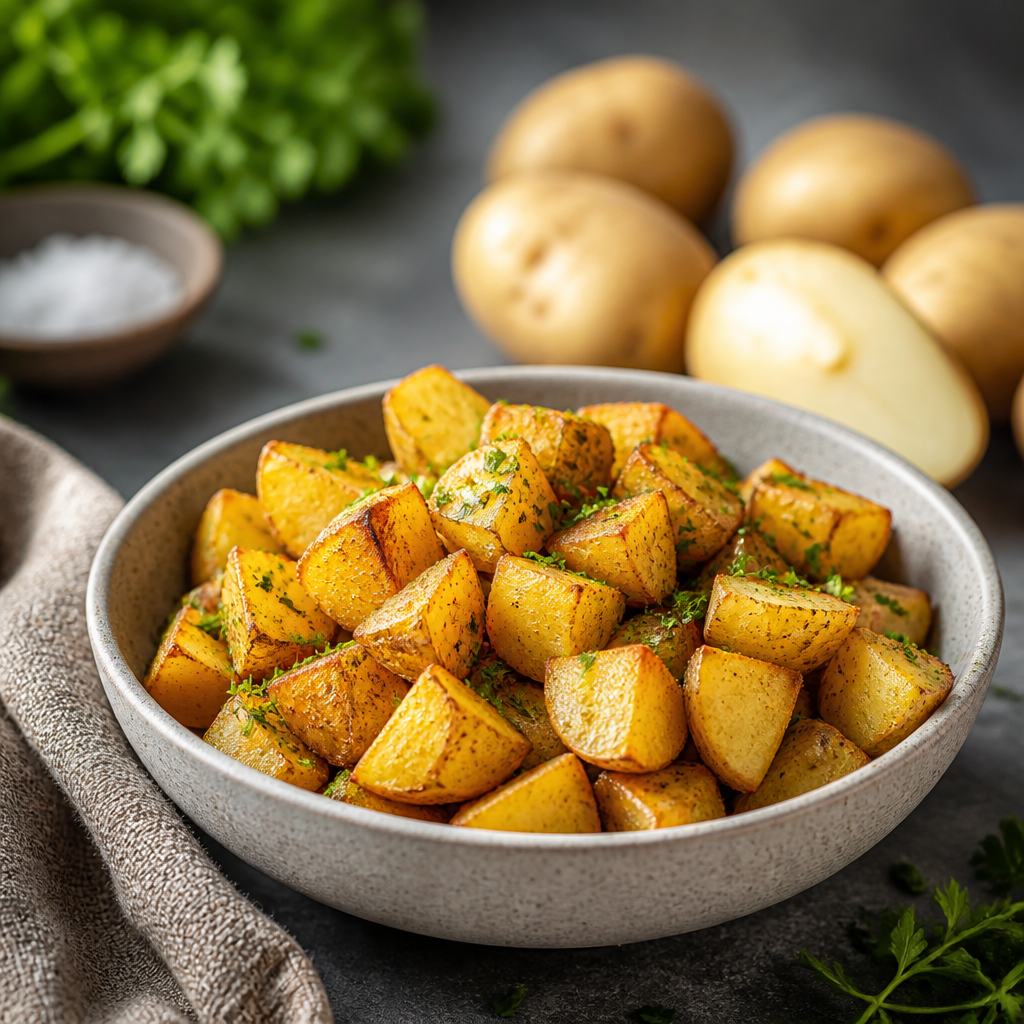 How Many Calories Are in a Potato? Unpacking the Nutritional Value
 How to Estimate Calorie Counts Visually: A Guide for Impromptu Dieters
 Как считать калории в ресторане: Практическое руководство
 Формула Харриса-Бенедикта простыми словами
 Главные ошибки подсчета калорий
 Как считать калории без весов: Практическое руководство для диетчиков
 Почему вес не уходит при дефиците калорий: ключевые причины и решения
 Сколько калорий нужно есть в день: Определяем ваши потребности в ежедневном потреблении калорий
 Формула подсчета калорий: Ключ к успешному управлению весом
 Почему подсчет калорий эффективнее диет
 Нужно ли считать масло при готовке: анализ калорийности с использованием масла