How Many Calories Are in Pilaf? A Practical Guide to Calories in Pilaf
Pilaf can be a light rice side dish or a rich one-pot meal, depending on the grains, oils, and meats used. Here’s how to estimate calories in pilaf with real serving examples.
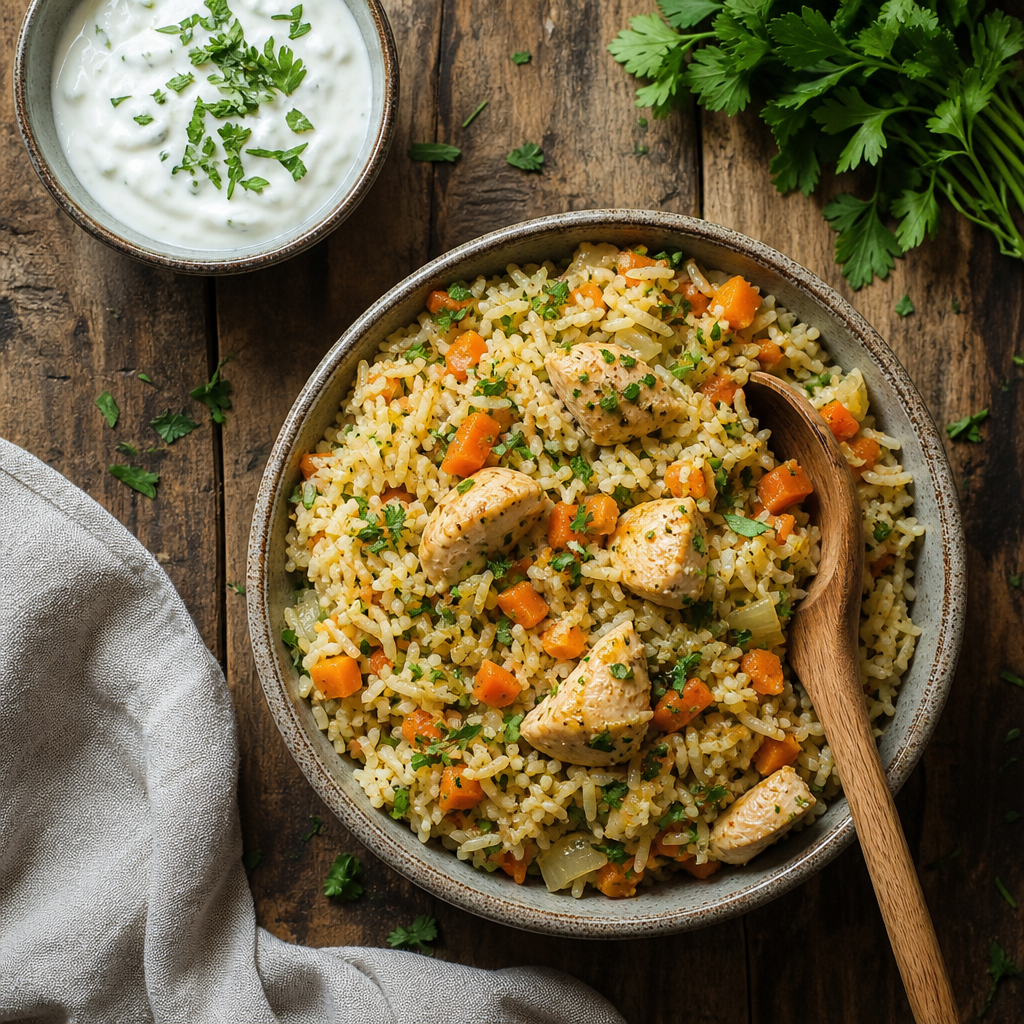
What pilaf is and why calories vary so much
Pilaf is a broad cooking style, not a single fixed recipe. At its simplest, it’s rice cooked in seasoned broth with aromatics like onion, garlic, and spices. In many cuisines, though, pilaf becomes a full meal with butter, oil, vegetables, nuts, raisins, legumes, lamb, chicken, or beef. That’s why the calories in pilaf can swing from fairly light to very dense.
A plain rice pilaf made with a small amount of oil may land around 180 to 250 calories per cup, while a meat-heavy pilaf can climb well above 350 calories per cup. The biggest calorie drivers are usually the cooking fat, the rice-to-meat ratio, and any extras like toasted nuts or dried fruit. If you’re researching world cuisines, pilaf is a good example of how one dish name can cover many nutrition profiles.
Calorie range by common pilaf ingredients
To estimate calories in pilaf, it helps to break the dish into parts. One cup of cooked white rice is about 200 calories on its own, while one cup of cooked brown rice is usually close to 215 calories. A tablespoon of oil adds about 120 calories, and butter adds about 100 calories per tablespoon. Those two ingredients alone can change a simple rice dish into something much richer.
Here’s a practical ingredient breakdown for a typical homemade pilaf base:
- 1 cup cooked white rice: about 200 calories
- 1 tablespoon olive oil: about 120 calories
- 1/4 cup onion and carrots: about 15 to 20 calories
- 2 tablespoons raisins: about 50 calories
- 2 tablespoons slivered almonds: about 80 calories
- 1/2 cup cooked chicken breast: about 125 calories
That means a modest chicken-and-vegetable pilaf can easily reach 450 to 550 calories per substantial bowl, depending on the exact portion. If the recipe includes lamb or sausage, the total can go even higher because those proteins are much more calorie-dense than lean chicken.
Plain rice pilaf vs chicken pilaf vs meat pilaf
If you’re trying to compare versions, think in terms of energy density. A simple plain rice pilaf made with broth, onion, and a teaspoon of oil is often lighter than creamy pasta dishes or fried rice. It can be a smart side dish for weight loss when paired with grilled fish, roasted vegetables, or legumes. A 3/4-cup serving might stay near 160 to 200 calories if the fat is kept modest.
Chicken pilaf sits in the middle. A home-style version with rice, diced chicken breast, carrots, onions, and a tablespoon of oil per several servings often lands around 250 to 350 calories per cup. Add chicken thighs, extra oil, or toasted nuts, and the same cup can approach 400 calories. Meat pilaf, especially versions inspired by Central Asian or Middle Eastern cooking, may be even richer because lamb shoulder, beef chuck, or fatty cuts bring more calories per serving than rice does.
For readers comparing cuisines, pilaf is not automatically “healthy” or “unhealthy.” It depends on the balance. A rice-forward pilaf with vegetables can work as a controlled-carb side, while a pilaf with generous meat and fat is closer to a complete entrée. If you want a broader comparison, see our guides on rice calories and how many calories are in biryani.
Real-world portion examples that change the math
Portion size matters more than people think. A small restaurant scoop of pilaf may be 1/2 cup, but a home-cooked serving often turns into 1.5 to 2 cups without anyone noticing. That difference can double the calories. For example, if your pilaf is 220 calories per cup, a casual two-cup portion is already about 440 calories before any extra side dishes.
Here’s a simple scenario: you serve 1.5 cups of chicken pilaf made with rice, carrots, chicken breast, and a measured tablespoon of oil across four servings. If the whole pot contains about 1,200 calories, each serving is around 300 calories. Add a spoon of yogurt on top and a side salad, and you still have a balanced meal. But if you eat the same pilaf with garlic bread and a buttery sauce, the calorie total rises fast.
This is why pilaf works well for meal planning. You can build it as a lighter lunch or a hearty dinner by changing the portion and protein. For calorie tracking, it’s useful to weigh the cooked final dish once and divide it into portions. That gives a more accurate estimate than guessing by eye, especially when oils and nuts are involved.
How to make pilaf lower in calories without losing flavor
Pilaf doesn’t need to be bland to be lighter. A few smart changes can reduce calories in pilaf while keeping the dish satisfying. Start by measuring oil instead of pouring freely. One tablespoon saved per four servings cuts about 30 calories from each serving. Using broth, spices, garlic, and herbs for flavor helps the dish feel rich without relying on extra fat.
You can also shift the ingredient balance. Try more vegetables and slightly less rice, or mix white rice with cauliflower rice for a lower-calorie base. Lean proteins like chicken breast, turkey, shrimp, or beans provide more satiety per calorie than fatty meats. If you want texture, add a small amount of toasted almonds or pine nuts instead of a large handful.
A lighter pilaf template might look like this:
- 1 cup dry rice for 4 servings
- 1 tablespoon olive oil total
- 1 cup chopped vegetables
- 1 to 1.5 cups cooked lean protein
- herbs, stock, lemon juice, and spices
That kind of recipe can keep a serving around 250 to 320 calories, depending on protein choice. It’s a useful option for anyone managing weight loss while still wanting comfort food.
Pilaf in a fitness or weight-loss meal plan
For active people, pilaf can be a useful carb source before or after training. Rice is easy to digest, and adding chicken or yogurt can improve protein intake. A 300-calorie chicken pilaf serving may provide roughly 20 to 25 grams of protein, 30 to 35 grams of carbs, and 8 to 12 grams of fat, depending on the recipe. That makes it practical for recovery meals or balanced lunches.
If your goal is weight loss, the main strategy is not to avoid pilaf but to control the calorie density. Pairing pilaf with a large salad, roasted vegetables, or a broth-based soup can create a filling plate without pushing calories too high. A good rule is to make pilaf the starch portion, not the entire plate. If you’re building a weekly menu, our article on meal prep calories can help you portion dishes more consistently.
Pilaf also helps with adherence. People stick with meal plans longer when they can eat familiar, flavorful food. A bowl of pilaf with lean protein and vegetables is easier to repeat than a restrictive meal that feels punishing. That consistency often matters more than chasing the lowest possible calorie number.
The easiest way to estimate calories in pilaf accurately
The most reliable method is to calculate the full recipe, then divide it by servings. Add up the calories from dry rice, oil, butter, meat, vegetables, nuts, and dried fruit before cooking. This is much better than using a generic “rice pilaf” number because recipes vary so widely across cuisines. Two pilafs can look similar and still differ by 200 calories per serving.
If you want a quick shortcut, use this mental checklist:
- Mostly rice and broth: likely 180 to 250 calories per cup
- Rice plus lean chicken and vegetables: likely 250 to 350 calories per cup
- Rice plus lamb, beef, butter, nuts, or dried fruit: likely 350 to 500+ calories per cup
Those estimates are not exact, but they’re good enough for planning meals at home or comparing restaurant portions. For a food lover, that’s the sweet spot: practical knowledge without overcomplicating dinner.
Pilaf is a flexible dish, and that flexibility is its biggest nutrition story. Depending on the recipe, it can support muscle-building meals, lighter weeknight dinners, or comfort-food weekends. The key is knowing which ingredients are driving the calories so you can make the dish fit your goals instead of guessing.
Frequently Asked Questions
How many calories are in one cup of pilaf?
A one-cup serving of pilaf usually ranges from about 180 to 350 calories, depending on the rice type, amount of oil or butter, and whether it includes meat, nuts, or dried fruit.
Is pilaf healthier than fried rice?
It often can be, especially if it uses less oil and more broth or vegetables. But a rich pilaf with butter, lamb, or nuts can be just as calorie-dense as fried rice.
What is the lowest-calorie pilaf option?
A simple pilaf made with rice, broth, onions, herbs, and a small amount of oil is usually the lightest version. Using more vegetables and lean protein keeps it filling without many extra calories.
Does brown rice change the calories in pilaf?
Brown rice is only slightly higher in calories than white rice, but it adds more fiber and can improve fullness. The bigger calorie changes usually come from fat and protein additions.
Can pilaf fit into a weight-loss diet?
Yes. Use measured oil, lean protein, and sensible portions. Pilaf works well when it’s part of a balanced plate instead of the only item on the plate.
Want an easier way to track meals like pilaf? Use Cal AI to take a photo of your food, instantly estimate calories, view protein, carbs, and fat, and analyze meals with AI so you can track nutrition goals more easily.
Share this article
Cal AI
Track meals faster with Cal AI
Scan food, estimate calories, and keep your nutrition log moving without typing every ingredient.
Author
Cal AI Editorial Team
Practical guides on nutrition, calorie tracking, meal planning, and building healthier habits with Cal AI.
Editorial policyFrequently asked questions
How many calories are in one cup of pilaf?
A one-cup serving of pilaf usually ranges from about 180 to 350 calories, depending on the rice type, amount of oil or butter, and whether it includes meat, nuts, or dried fruit.
Is pilaf healthier than fried rice?
It often can be, especially if it uses less oil and more broth or vegetables. But a rich pilaf with butter, lamb, or nuts can be just as calorie-dense as fried rice.
What is the lowest-calorie pilaf option?
A simple pilaf made with rice, broth, onions, herbs, and a small amount of oil is usually the lightest version. Using more vegetables and lean protein keeps it filling without many extra calories.
Does brown rice change the calories in pilaf?
Brown rice is only slightly higher in calories than white rice, but it adds more fiber and can improve fullness. The bigger calorie changes usually come from fat and protein additions.
Can pilaf fit into a weight-loss diet?
Yes. Use measured oil, lean protein, and sensible portions. Pilaf works well when it’s part of a balanced plate instead of the only item on the plate.
Related articles
 How Many Calories Are in French Fries? A Portion-by-Portion BreakdownFrench fries can range from a light side dish to a calorie-heavy snack depending on portion size, cooking method, and toppings. Here’s a practical breakdown of calories in french fries.
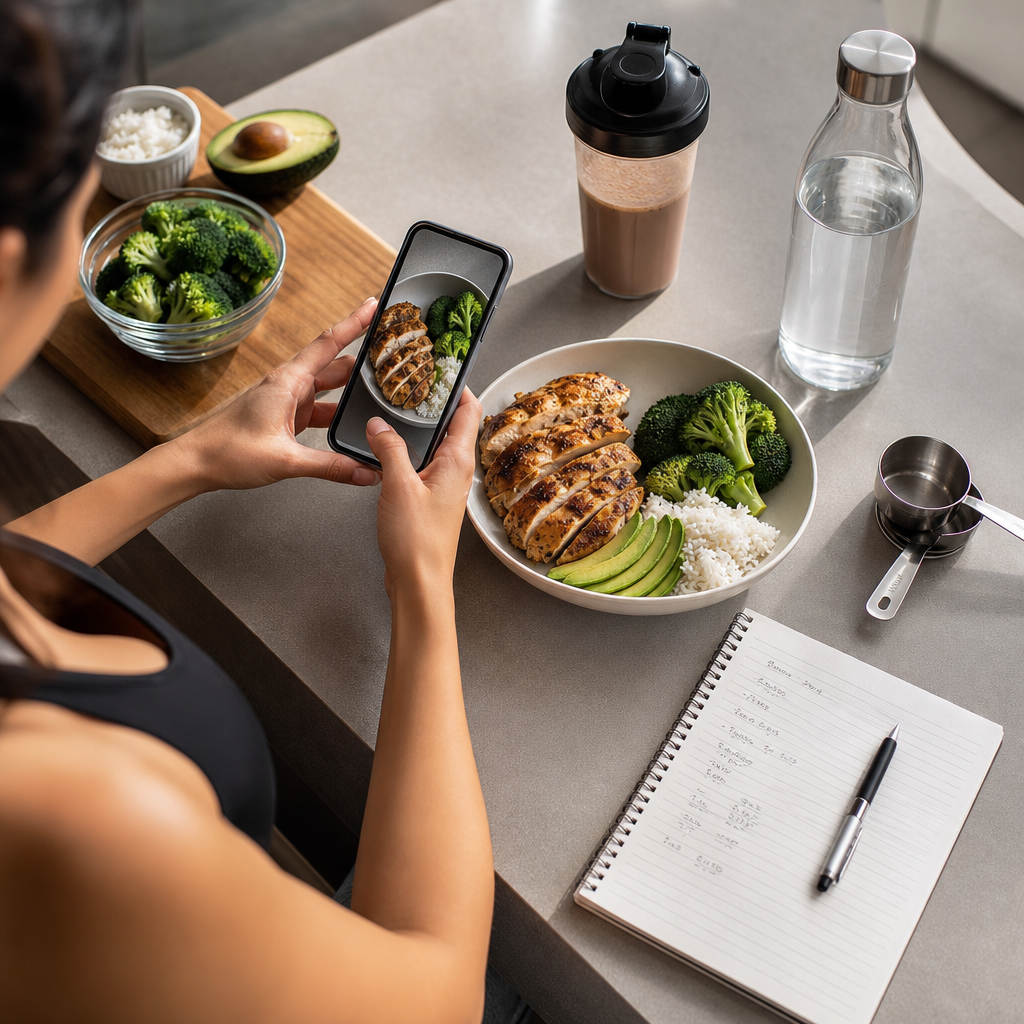 AI vs Manual Calorie Counting: Which Method Fits Your Goals?Compare AI calorie trackers and manual calorie counting for weight loss, muscle gain, and everyday nutrition tracking. See the pros, cons, and real-world use cases.
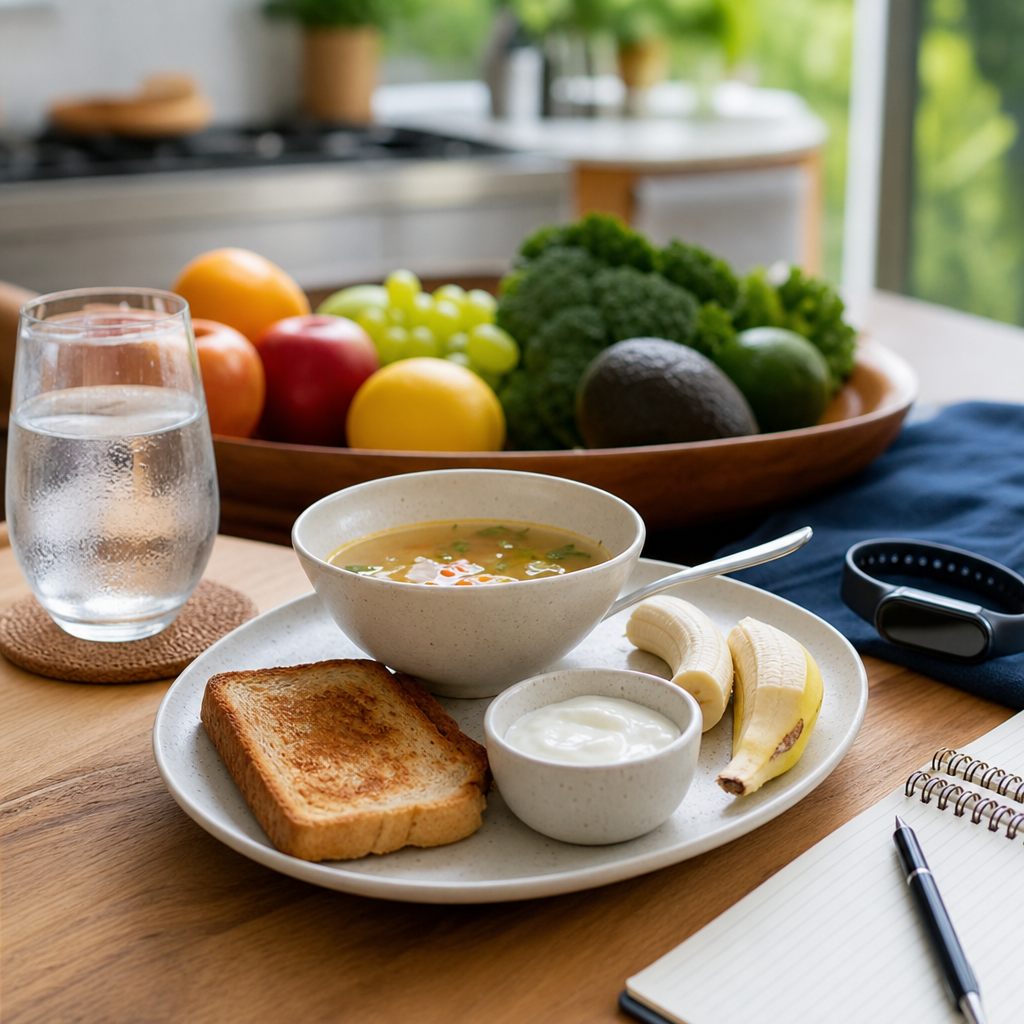 Dehydration Loss of Appetite: How Not Drinking Enough Can Mute Hunger SignalsDehydration loss of appetite is more common than many people realize. Learn how fluid balance affects hunger, digestion, and practical ways to tell thirst from true appetite.
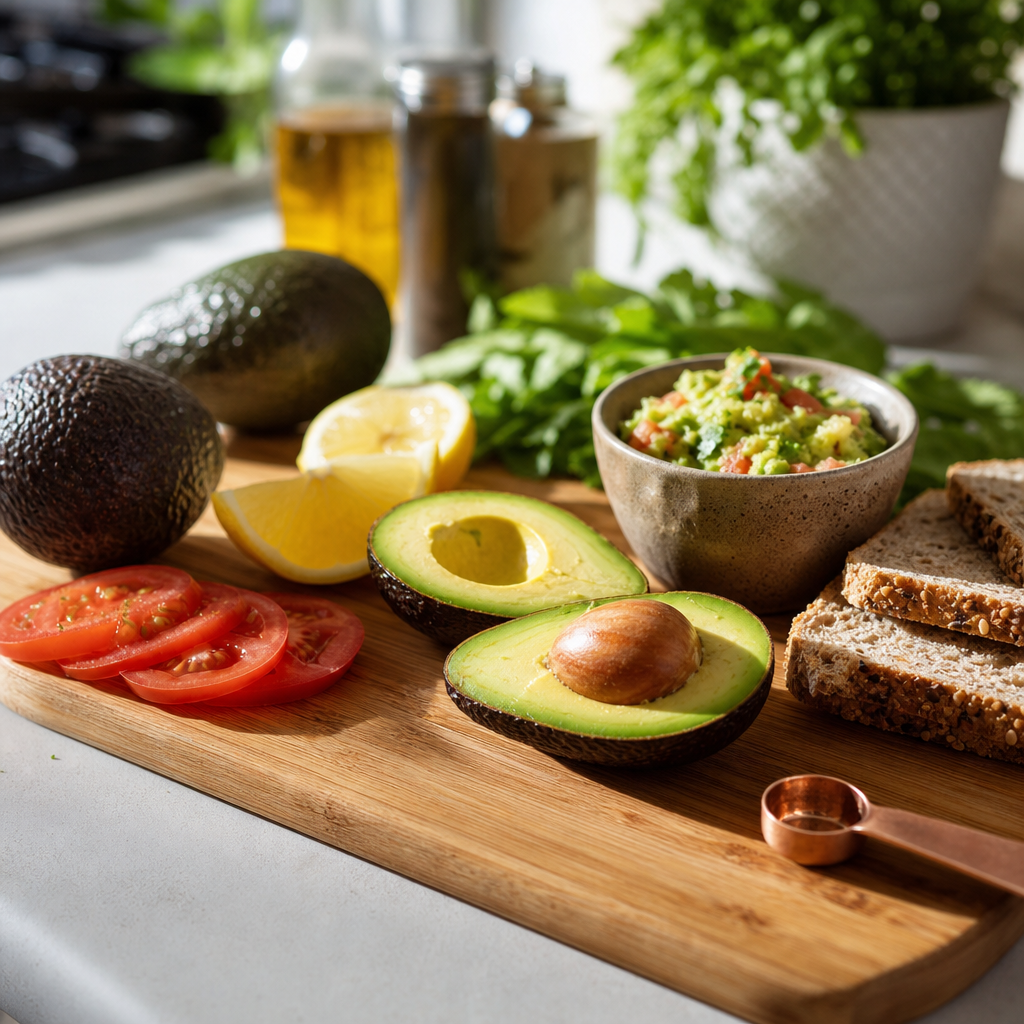 How Many Calories Are in an Avocado?Wondering about calories in avocado? This guide breaks down serving sizes, nutrition facts, health benefits, and easy ways to fit avocado into weight-conscious meals.
 How Many Calories Are in Chocolate? A Practical Guide to Dark, Milk, and White ChocolateWondering how many calories are in chocolate? This guide breaks down calories in chocolate by type, serving size, and cocoa content so you can enjoy it without guessing.
 How Many Calories Are in Cheese? A Practical Guide for Cheese LoversWondering how many calories are in cheese? This guide breaks down calories in cheese by type, serving size, and fat content so you can choose smarter portions without giving up flavor.
 How Many Calories Are in a Burger? A Practical Guide to calories in burger CountsBurger calories can swing wildly depending on patty size, cheese, sauces, and bun choice. Learn the typical calories in burger meals and how to estimate them fast.
 How Many Calories Are in Juice? A Practical Guide to Calories in JuiceJuice can look healthy, but the calorie count changes fast depending on the fruit, serving size, and whether sugar has been added. Here’s how to compare popular juices and make smarter choices.
 How Many Calories Are in Coca-Cola? A Practical Guide to Calories in Coca-ColaCoca-Cola’s calorie count is easy to underestimate, especially when portions get larger. Here’s a clear breakdown of calories in Coca-Cola, plus sugar, serving sizes, and better ways to fit soda into your day.
 Cal AI Free vs Premium: Which Version Fits Your Budget and Goals?A clear breakdown of Cal AI free vs premium, including features, limits, and real-life use cases so you can decide if the upgrade is worth it.