AI vs Manual Calorie Counting: Which Method Fits Your Goals?
Compare AI calorie trackers and manual calorie counting for weight loss, muscle gain, and everyday nutrition tracking. See the pros, cons, and real-world use cases.
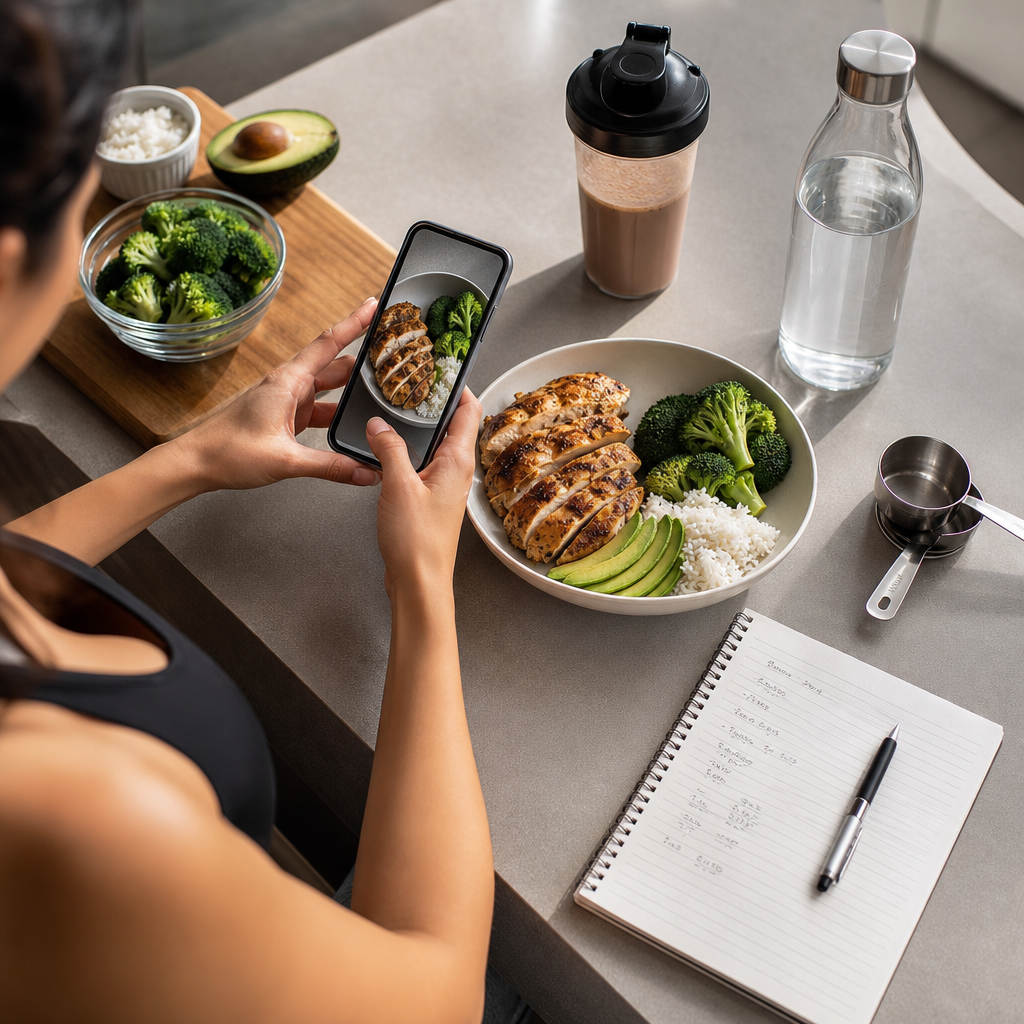
Why this comparison matters for real-world tracking
The core question is not whether one method is “perfect.” It is whether it helps you build reliable habits. If you are comparing meal logging options for fat loss, training performance, or maintenance, both tools can work—but they support different personalities and routines.
For related strategies, you may also like our guides on how to estimate calories in home-cooked meals and the best high-protein foods for fat loss.
How manual calorie counting actually works
The downside is friction. Manual logging can take 5 to 10 minutes per meal, and that adds up fast. If you eat three meals and a snack every day, you may spend 20 to 30 minutes just recording food. Over a week, that is a lot of mental energy for something that should support your goals, not dominate your day.
Manual tracking is strongest for people who want full visibility, use meal prep, and enjoy precision. It is also useful when you need to verify restaurant nutrition, recipe ingredients, or specific macro targets for bodybuilding or sports performance.
What AI calorie trackers do differently
The biggest advantage is consistency. People are much more likely to log food when the process takes seconds instead of minutes. That matters because the best calorie tracker is the one you will use on weekdays, weekends, travel days, and when eating out.
AI also helps reduce the hidden problem of underreporting. Many people unintentionally forget oils, sauces, drinks, snacks, and “small bites.” An AI calorie tracker makes it easier to capture the whole meal quickly, which can lead to a more realistic picture of intake over time.
Accuracy: where each method wins and where it struggles
Here is a practical example. Let’s say your dinner is a burrito bowl with chicken, rice, beans, salsa, cheese, and guacamole. Manual tracking with a scale might put it at 760 calories. An AI tracker might estimate 700 to 850 calories depending on portion size and visibility. That range is not perfect, but for weight loss, it is often good enough if your weekly average is consistent.
For most people, calorie tracking works best when the goal is trend tracking, not courtroom-level precision. If your body weight is trending in the right direction, your method is working. If not, you can tighten the process with better measurements or smarter photo angles.
Which method is better for weight loss, muscle gain, and maintenance?
For maintenance, the winner is often the method that feels least disruptive. If you are not chasing a strict physique goal, AI calorie trackers can simplify your routine and keep you aware without becoming obsessive. That can be a healthier long-term relationship with food.
A simple comparison looks like this:
- Manual calorie counting: best for precision, recipe control, and advanced macro goals
- AI calorie tracker: best for speed, convenience, and adherence
- Hybrid approach: best for people who want both flexibility and accuracy
A smart hybrid approach gives you the best of both
This hybrid model also works well for people learning portion sizes. If you start by comparing AI estimates with manual entries for a few weeks, you will quickly develop better intuition. You will start noticing that a “small” handful of nuts is often 200 calories, or that an extra tablespoon of dressing can add 70 to 100 calories without much visual change.
That is the hidden benefit of both tools: they teach awareness. Over time, you may not need to track every bite forever, but the habits you build from tracking can improve food choices, meal planning, and even grocery shopping.
How to decide which one fits your lifestyle
A useful rule of thumb: if tracking is causing more stress than awareness, simplify it. The right calorie tracker should make your food decisions easier, not more exhausting. Whether your goal is fat loss, better energy, or smarter meal planning, the tool should support your lifestyle—not replace it.
If you want more practical food-tracking advice, see our internal guides on meal prep for weight loss and how to track protein for fitness goals.
Frequently Asked Questions
Is AI vs manual calorie counting more accurate?
Manual tracking can be more accurate when portions are weighed carefully, but AI tracking is often more consistent because it is easier to use every day. The better method is the one you can stick with.
Can AI calorie trackers help with weight loss?
Yes. They can make logging faster, improve adherence, and help you spot calorie-dense foods more easily. That consistency is often what drives weight loss results.
Should I still weigh food if I use an AI tracker?
For mixed meals or when you need better precision, weighing food can improve accuracy. Many people use AI for convenience and a scale for important meals.
What is the biggest weakness of manual calorie counting?
The main weakness is friction. It takes time, attention, and discipline, which makes many people stop logging before they see results.
Can I combine AI tracking with manual logging?
Absolutely. A hybrid approach is often the smartest option: use AI for quick meals and manual tracking for recipes, restaurant meals, or days when precision matters.
Want tracking to feel easier? Try Cal AI to take a photo of your food, instantly estimate calories, view protein, carbs, and fat, analyze meals with AI, and track your nutrition goals more easily.
Share this article
Cal AI
Track meals faster with Cal AI
Scan food, estimate calories, and keep your nutrition log moving without typing every ingredient.
Author
Cal AI Editorial Team
Practical guides on nutrition, calorie tracking, meal planning, and building healthier habits with Cal AI.
Editorial policyFrequently asked questions
Is AI vs manual calorie counting more accurate?
Manual tracking can be more accurate when portions are weighed carefully, but AI tracking is often more consistent because it is easier to use every day. The better method is the one you can stick with.
Can AI calorie trackers help with weight loss?
Yes. They can make logging faster, improve adherence, and help you spot calorie-dense foods more easily. That consistency is often what drives weight loss results.
Should I still weigh food if I use an AI tracker?
For mixed meals or when you need better precision, weighing food can improve accuracy. Many people use AI for convenience and a scale for important meals.
What is the biggest weakness of manual calorie counting?
The main weakness is friction. It takes time, attention, and discipline, which makes many people stop logging before they see results.
Can I combine AI tracking with manual logging?
Absolutely. A hybrid approach is often the smartest option: use AI for quick meals and manual tracking for recipes, restaurant meals, or days when precision matters.
Related articles
 How Many Calories Are in an Americano? A Deep Dive into Your Favorite BrewDiscover the calorie content in an Americano and how it fits into a calorie-conscious diet. Explore variations, preparation methods, and health considerations.
 How Many Calories Are in an Egg? A Comprehensive GuideExplore the caloric content of eggs, different cooking methods, and how they fit into a healthy diet while tracking your nutrition goals.
 How Many Calories Are in French Fries? A Portion-by-Portion BreakdownFrench fries can range from a light side dish to a calorie-heavy snack depending on portion size, cooking method, and toppings. Here’s a practical breakdown of calories in french fries.
 How Many Calories Are in Pilaf? A Practical Guide to Calories in PilafPilaf can be a light rice side dish or a rich one-pot meal, depending on the grains, oils, and meats used. Here’s how to estimate calories in pilaf with real serving examples.
 Dehydration Loss of Appetite: How Not Drinking Enough Can Mute Hunger SignalsDehydration loss of appetite is more common than many people realize. Learn how fluid balance affects hunger, digestion, and practical ways to tell thirst from true appetite.
 How Many Calories Are in an Avocado?Wondering about calories in avocado? This guide breaks down serving sizes, nutrition facts, health benefits, and easy ways to fit avocado into weight-conscious meals.
 How Many Calories Are in Chocolate? A Practical Guide to Dark, Milk, and White ChocolateWondering how many calories are in chocolate? This guide breaks down calories in chocolate by type, serving size, and cocoa content so you can enjoy it without guessing.
 How Many Calories Are in Cheese? A Practical Guide for Cheese LoversWondering how many calories are in cheese? This guide breaks down calories in cheese by type, serving size, and fat content so you can choose smarter portions without giving up flavor.
 How Many Calories Are in a Burger? A Practical Guide to calories in burger CountsBurger calories can swing wildly depending on patty size, cheese, sauces, and bun choice. Learn the typical calories in burger meals and how to estimate them fast.
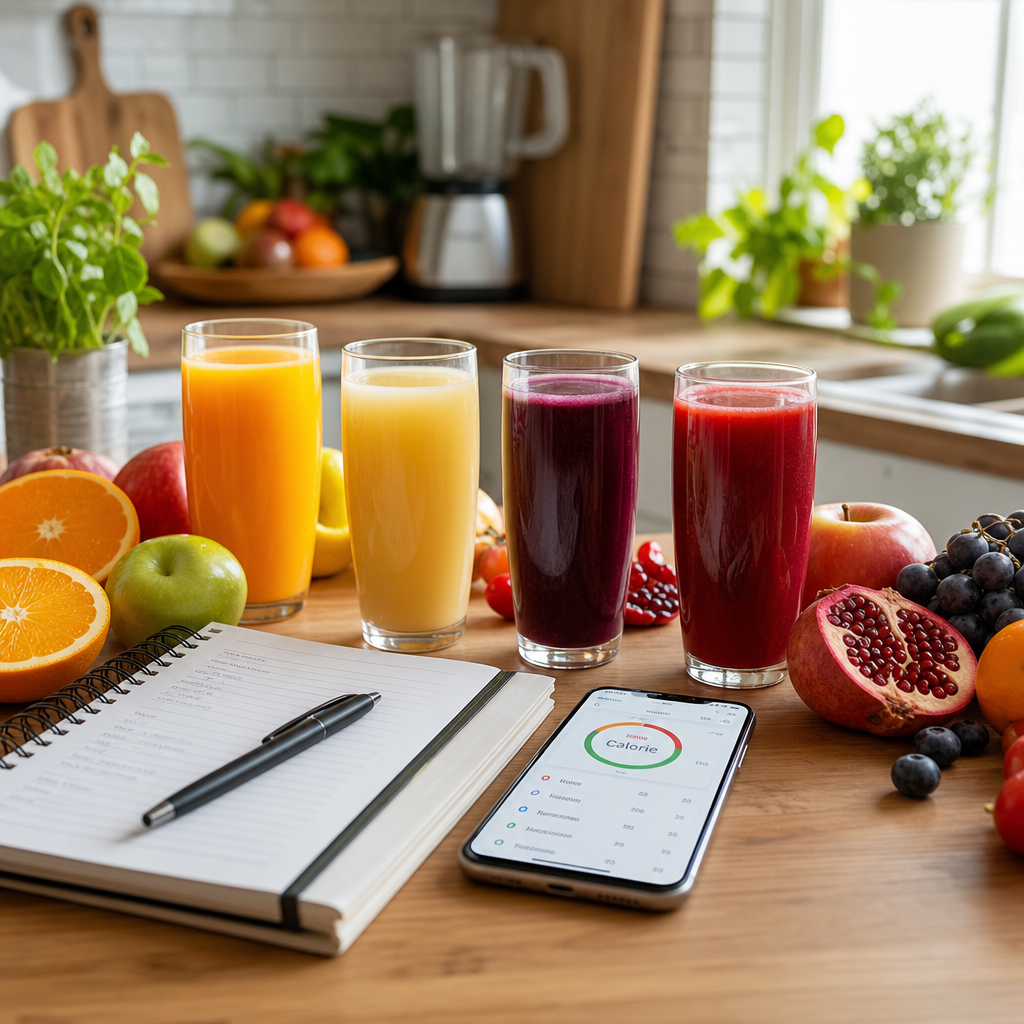 How Many Calories Are in Juice? A Practical Guide to Calories in JuiceJuice can look healthy, but the calorie count changes fast depending on the fruit, serving size, and whether sugar has been added. Here’s how to compare popular juices and make smarter choices.
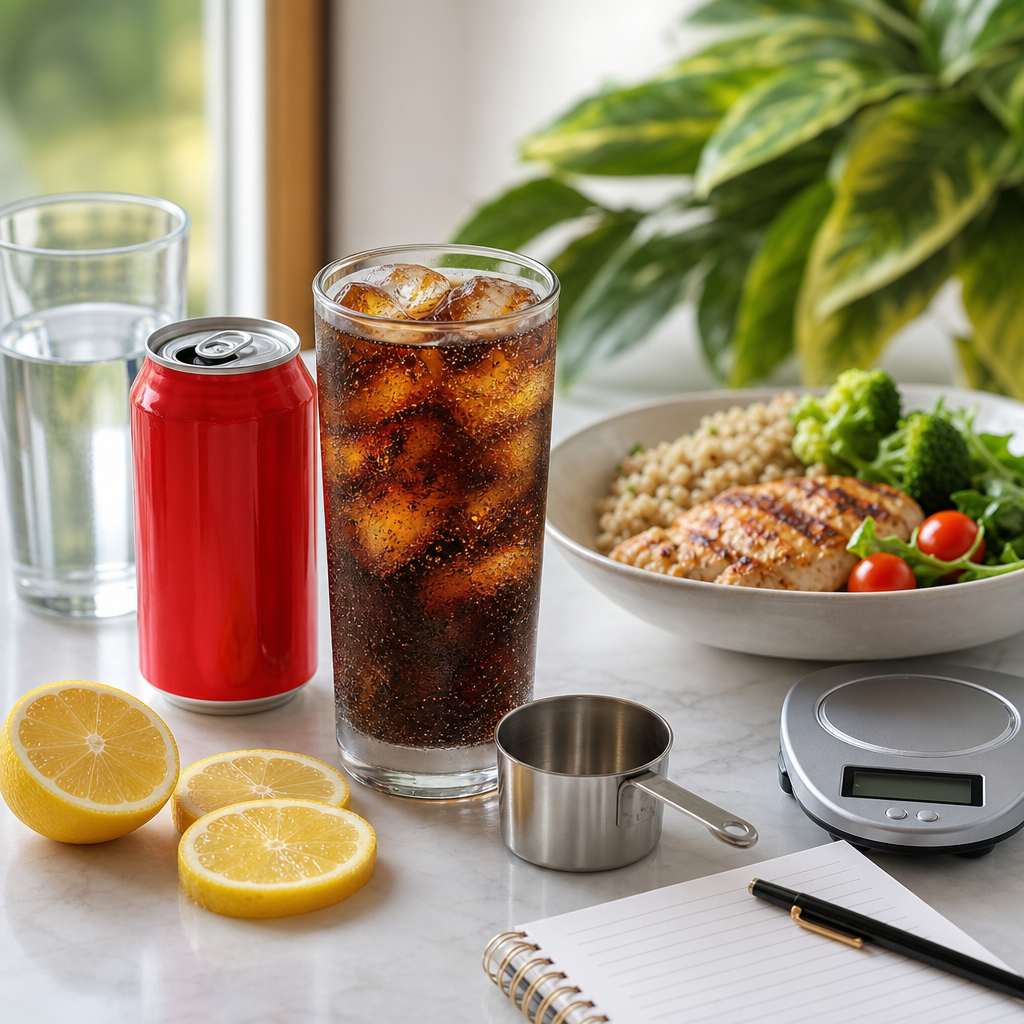 How Many Calories Are in Coca-Cola? A Practical Guide to Calories in Coca-ColaCoca-Cola’s calorie count is easy to underestimate, especially when portions get larger. Here’s a clear breakdown of calories in Coca-Cola, plus sugar, serving sizes, and better ways to fit soda into your day.
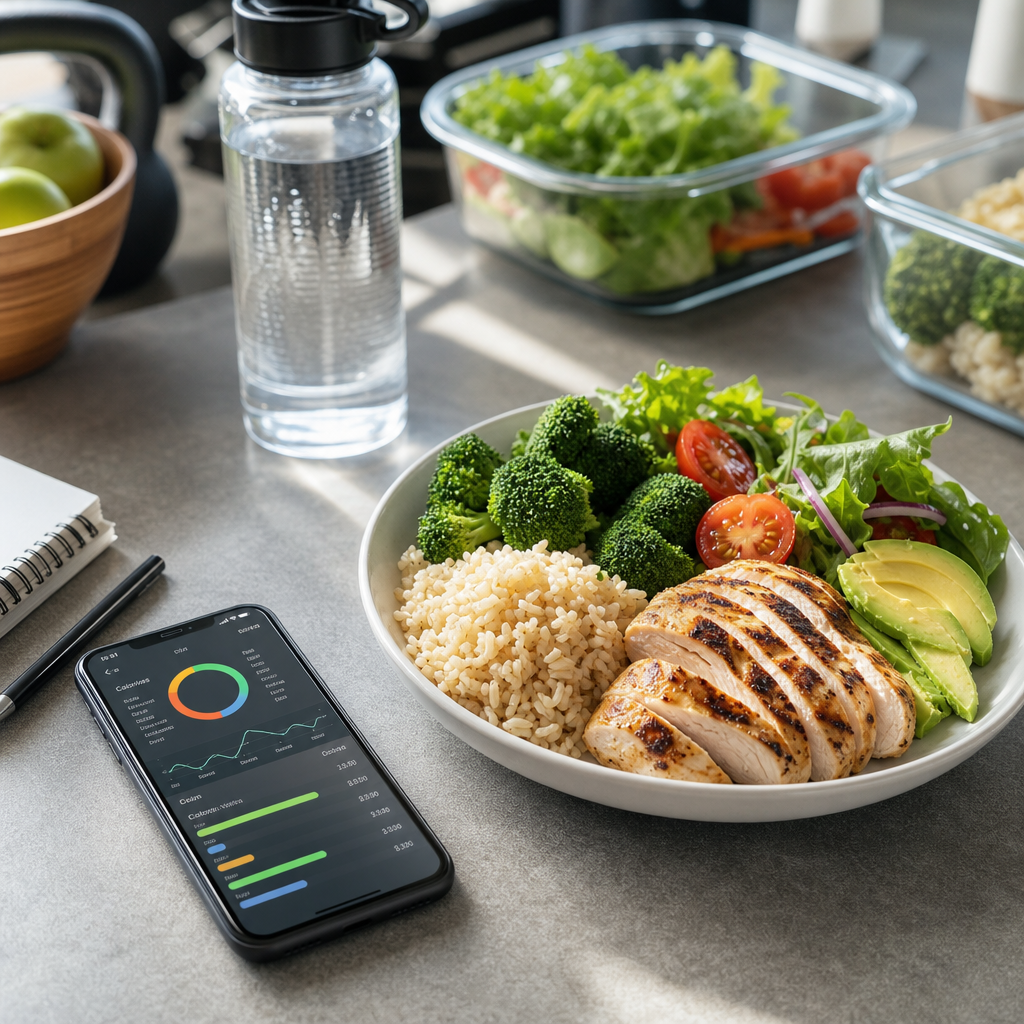 Cal AI Free vs Premium: Which Version Fits Your Budget and Goals?A clear breakdown of Cal AI free vs premium, including features, limits, and real-life use cases so you can decide if the upgrade is worth it.