How to Set Realistic Calorie Goals Using Cal AI
Discover effective strategies for setting realistic calorie goals with Cal AI to enhance your nutrition journey and track your progress.
Updated Oct 5, 20264 min read4 views

In this guide
Understanding Calorie Consumption Needs
To set effective calorie goals, it's crucial to understand your unique calorie consumption needs. These needs vary based on several factors including age, gender, weight, height, and activity level. For instance, a 30-year-old woman who is moderately active requires around 2,000 calories daily to maintain her weight, whereas a sedentary man of the same age might need closer to 2,500 calories.
Start by calculating your Basal Metabolic Rate (BMR), which reflects the number of calories your body needs at rest. You can use the Mifflin-St Jeor equation, which for women is: BMR = 10 × weight(kg) + 6.25 × height(cm) - 5 × age(y) + 161, and for men is: BMR = 10 × weight(kg) + 6.25 × height(cm) - 5 × age(y) + 5. Once you have your BMR, factor in your activity level to get your Total Daily Energy Expenditure (TDEE).
Steps for Setting Achievable Goals
When using Cal AI to set your calorie goals, start by defining what you want to achieve. Are you aiming to lose weight, maintain it, or even gain muscle? Based on your goal, a safe calorie deficit for weight loss is generally around 500 calories per day, which can lead to about 1 pound of weight loss per week. Conversely, to gain muscle, consider a surplus of around 250-500 calories a day. Cal AI allows you to input these parameters effortlessly so you can refine your goals accordingly.
Next, establish small, measurable targets. Instead of aiming to cut 500 calories immediately, gradually decrease your intake by 100-200 calories, allowing your body to adjust. For instance, if your TDEE is 2,300 calories, start with a goal of 2,200 calories and monitor your progress. Using Cal AI, you can adjust your food intake dynamically based on your tracked data, facilitating an adaptable approach to your calorie goals.
Tracking Progress with Cal AI
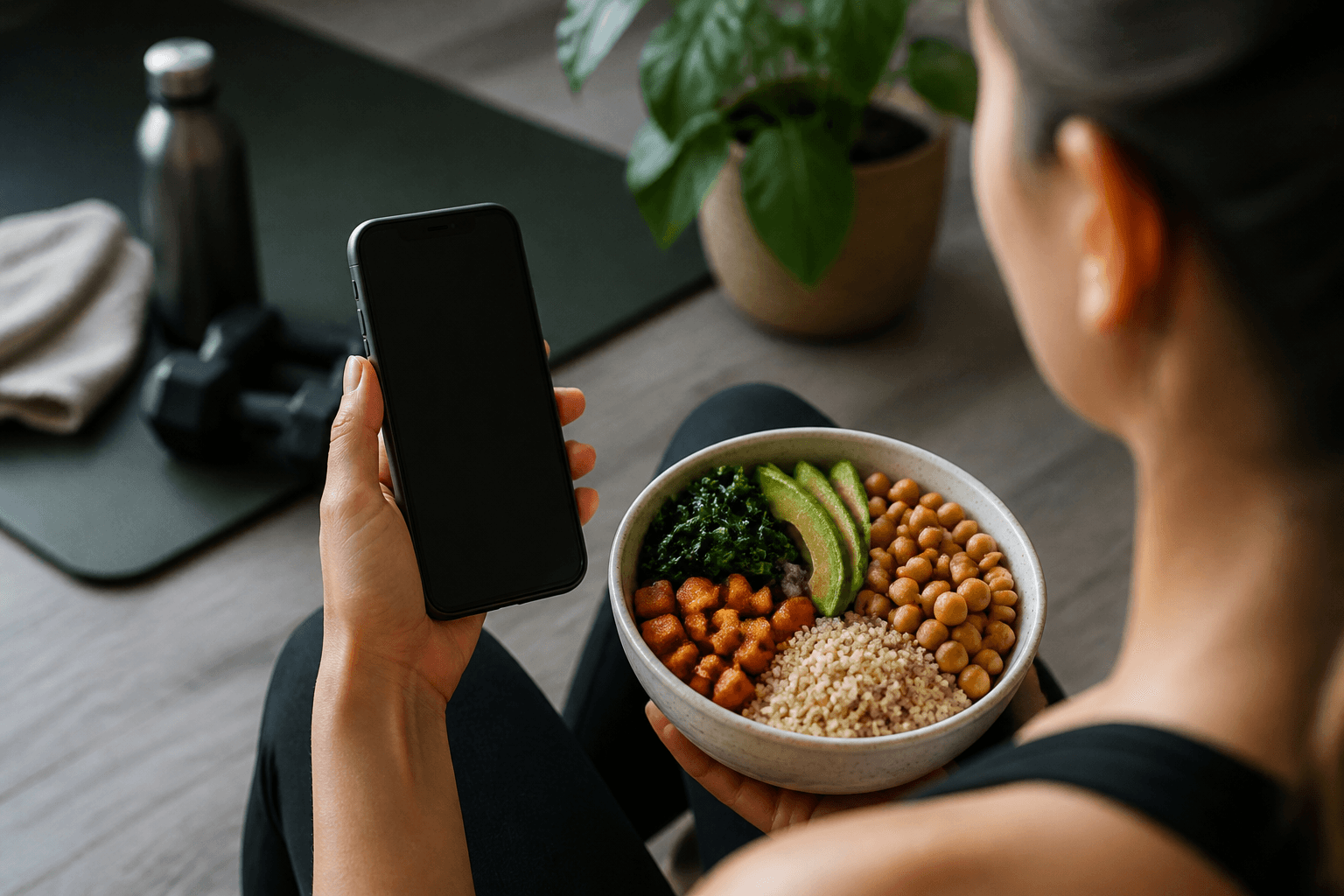
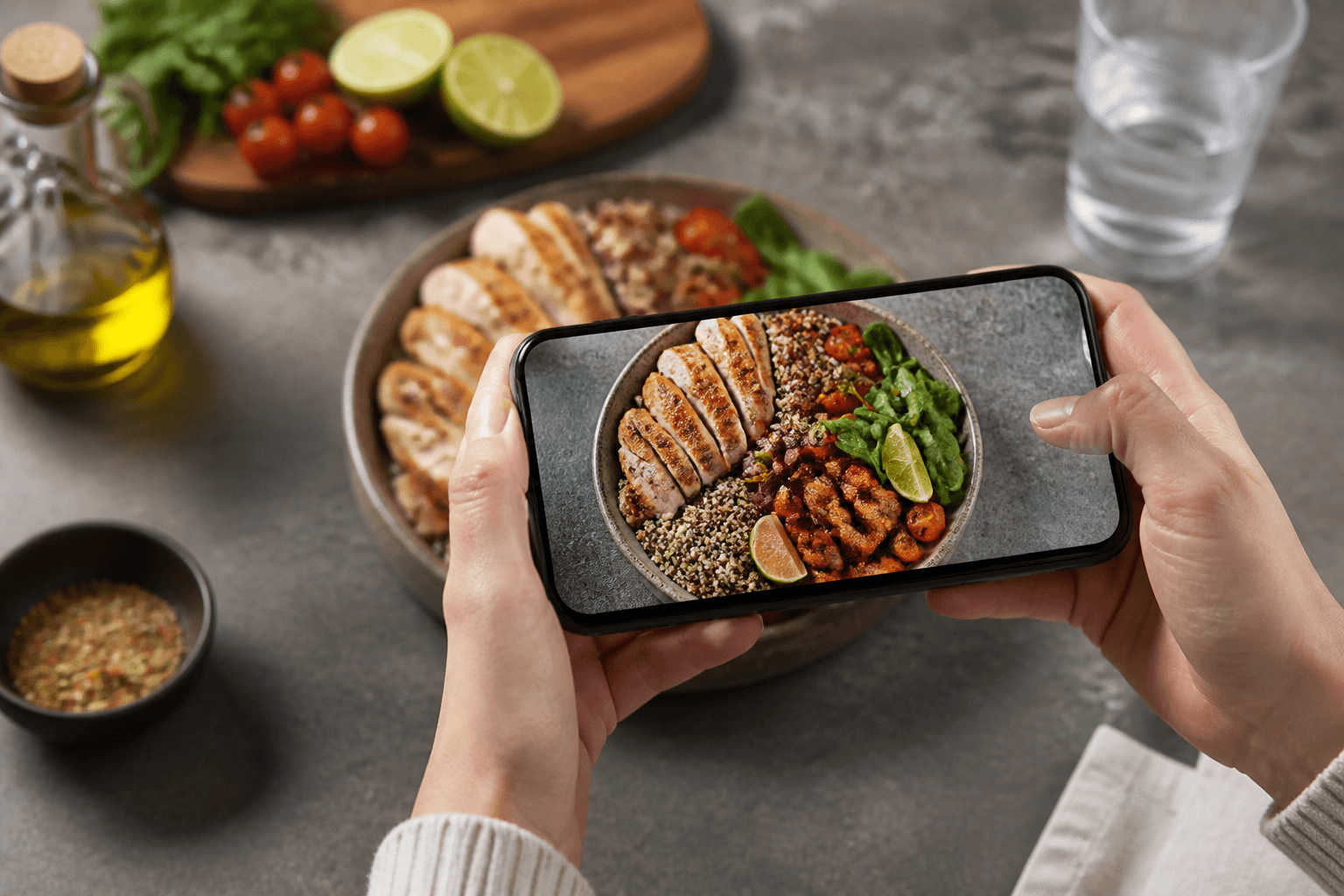
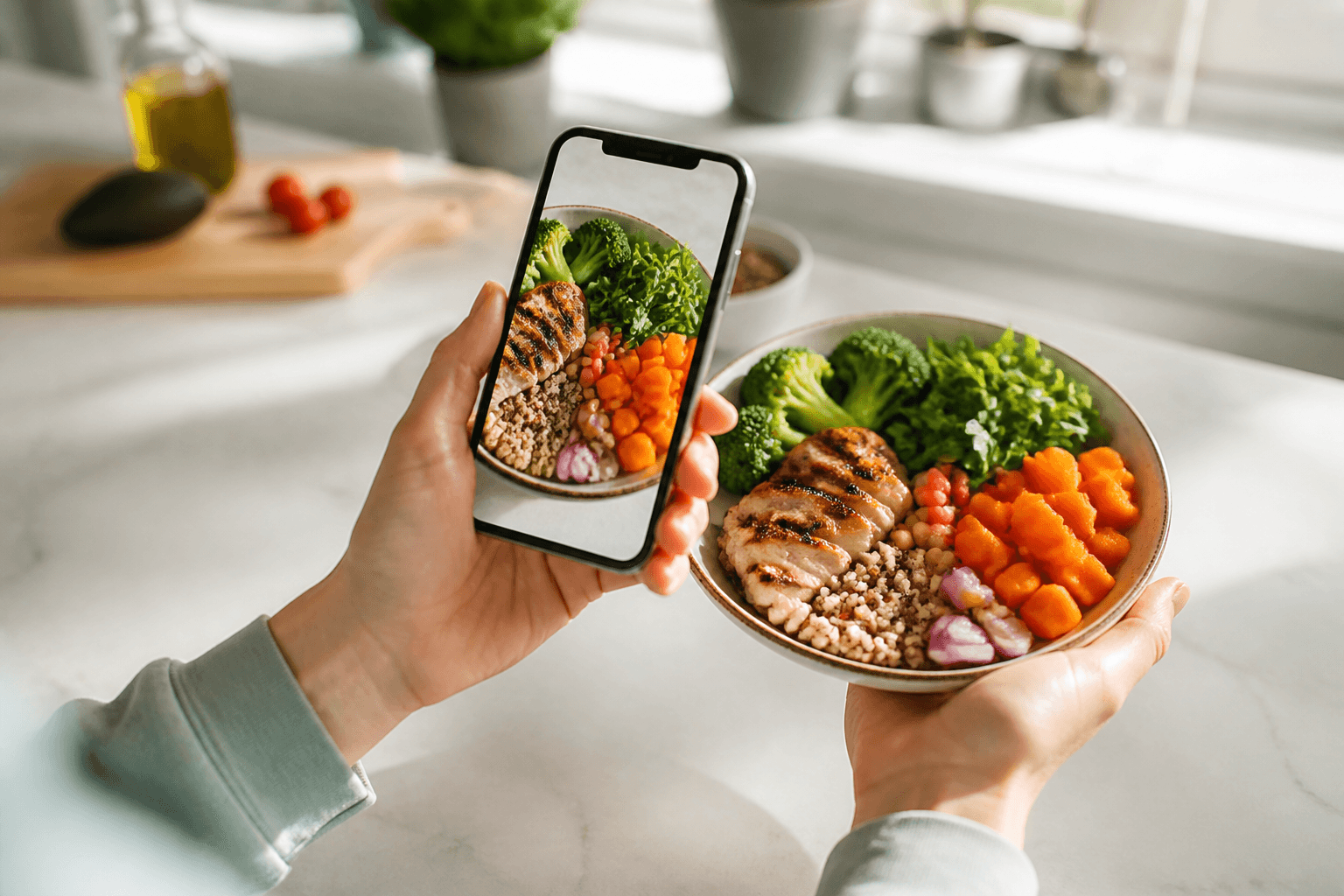
Tracking your progress is essential, and this is where Cal AI shines. The app simplifies the tracking of your meals, helping you identify how many calories you’re consuming versus how many you should be consuming according to your set goals. Use the photo recognition feature to log meals quickly. For example, if you enjoy a quinoa salad, simply snap a picture, and Cal AI will estimate the calories and macronutrients.
By consistently tracking your meals and fitness activities, such as steps or workouts, you can see which habits contribute to your calorie intake and expenditure. Regularly reviewing this data will keep your calorie goals insightful and reflective of your lifestyle changes. As you see shifts in weight or body composition, adjust your goals accordingly for sustained progress.
Tips for Staying Motivated in Your Journey
Maintaining motivation while pursuing your nutrition and calorie goals can be challenging but is essential for long-term success. One effective strategy is to celebrate small victories. For example, if you manage to hit your calorie goal for a week straight, reward yourself with something non-food-related, like a new workout outfit or a day out with friends.
Additionally, enlist support. Sharing your goals with friends, family, or a community can help keep you accountable. You might even join online groups focused on calorie tracking and nutrition, where peer support can provide motivation during challenging times. Cal AI has built-in community features where you can engage with users who share similar goals, adding a social layer to your journey.
Conclusion
Setting realistic calorie goals is crucial for achieving your nutrition objectives, and tools like Cal AI can greatly simplify this process. By understanding your calorie needs, setting achievable targets, and tracking your progress effectively, you’re setting yourself up for success. Remember to stay flexible and adjust your goals as your lifestyle and body change. Cal AI empowers you to navigate your nutrition journey confidently, making calorie tracking not just easier, but also more effective.
Incorporating small, achievable changes and maintaining a positive mindset will enhance your experience and lead to lasting results.
Frequently Asked Questions
What factors influence my daily calorie goals?
Daily calorie goals are influenced by your age, gender, weight, height, activity level, and overall health. Understanding these factors helps tailor your calorie intake for weight loss or maintenance.
How can I adjust my goals over time?
You can adjust your goals by reassessing your TDEE as your body weight and activity level change. Use Cal AI to regularly track your progress and adapt your calorie intake as needed.
Ready to enhance your nutrition journey? Use Cal AI to take a photo of your food, instantly estimate calories, view protein, carbs, and fat, analyze your meals, and effortlessly track your nutrition goals!
Related reading
- How to Track Progress with Cal AI
- Nutrition Psychology: Setting Goals and Staying Motivated
Topics
Frequently asked questions
What factors influence my daily calorie goals?
Daily calorie goals are influenced by your age, gender, weight, height, activity level, and overall health. Understanding these factors helps tailor your calorie intake for weight loss or maintenance.
How can I adjust my goals over time?
You can adjust your goals by reassessing your TDEE as your body weight and activity level change. Use Cal AI to regularly track your progress and adapt your calorie intake as needed.
Cal AI Editorial Team
Practical guides on nutrition, calorie tracking, meal planning, and building healthier habits with Cal AI.
Editorial policyRelated articles
- Cal AI
The scan got the dish wrong: how to fix grams and calories in Cal AI in 20 seconds
Fix a wrong Cal AI scan by choosing the closest recognition variant, correcting grams, and editing calories when the portion still looks off.
Oct 26, 20266 min read
- Cal AI
How to Cancel Cal AI Subscription on iPhone and Android
Cancel Cal AI through Apple or Google Play, not inside the app. Follow the exact menu paths and see what cancellation means for history and scans.
Oct 20, 20265 min read1 views
- cal ai
Cal AI vs MyFitnessPal: Photo Scans or Database Logging?
Choose Cal AI for photo-first meal logging; choose MyFitnessPal if you need database search, integrations, recipes or weight tracking.
Oct 8, 20267 min read
- Cal AI
Is Cal AI Free? Free Features, Premium Scans and Cost
Cal AI has a free version, while Premium adds 200 photo scans per month. Here is what each version includes and where to check the live price.
Oct 5, 20265 min read5 views
- calorie counting
Counting Calories on Holiday Without Obsessing
A practical travel logging routine for holidays: photo meals, correct portions, log beer or wine, and use day-by-day history instead of chasing perfect days.
Oct 4, 20268 min read2 views
- nutrition
How Many Calories Are in an Apple? An In-Depth Look
Discover the calorie content of apples, their nutritional benefits, and how they fit into a balanced diet for health-conscious consumers.
Aug 21, 20265 min read6 views