How Many Calories Are in an Apple? An In-Depth Look
Discover the calorie content of apples, their nutritional benefits, and how they fit into a balanced diet for health-conscious consumers.
Updated Oct 5, 20265 min read6 views
In this guide
Understanding Apple Calories
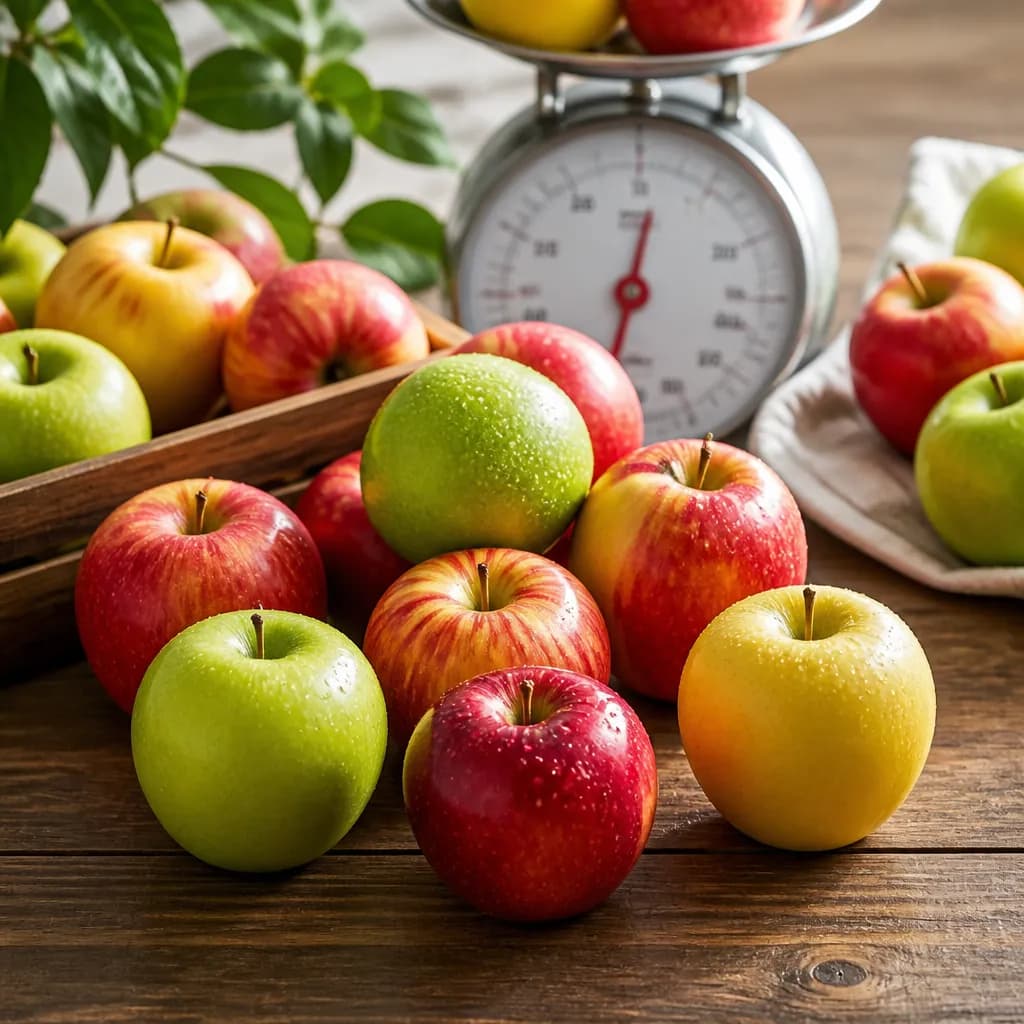
An average medium-sized apple (about 182 grams) contains approximately 95 calories. However, this number can vary depending on the variety and size of the apple. For instance, a small apple may have around 77 calories, while a large apple can have as much as 116 calories. Regardless of size, apples are a relatively low-calorie fruit, making them a popular choice for health-conscious individuals looking to manage their weight.
Moreover, apples are not just about calories. They provide a multitude of vitamins, minerals, and dietary fiber that contribute to overall health. For instance, a medium apple typically contains about 4 grams of fiber, which is crucial for digestive health and can help regulate the appetite, making sweet and crunchy apples an excellent snack choice.
Nutritional Breakdown of an Apple
In addition to calories, it's essential to consider the overall nutritional profile of an apple. Along with the aforementioned fiber, a medium apple contains roughly 25 grams of carbohydrates, 19 grams of naturally occurring sugars, and 0.5 grams of protein. The low protein content may seem limiting, but the real magic of apples lies in their vitamins and minerals. A medium apple provides about 14% of the daily recommended intake of Vitamin C, which is vital for immune function and skin health.
Apples also boast antioxidants, particularly flavonoids, which help combat oxidative stress in the body. This means that including apples in your diet not only adds to your caloric intake but also fortifies your body's defense systems against free radicals.
How Apples Fit into a Balanced Diet
Incorporating apples into a balanced diet can be quite easy. They can serve as a satisfying snack or be included in various dishes. For example, adding slices of apple to a green salad can provide a sweet contrast to the flavors of leafy greens. You might also try baking apple slices with a sprinkle of cinnamon as a healthier dessert alternative.
When considering your daily caloric intake, apples can fit seamlessly into many meal plans. For instance, if you are aiming for a 2,000-calorie diet, a single apple only accounts for about 5% of your total caloric intake. This allows for room to include other healthy foods while still enjoying the benefits that apples provide.
Comparing Different Types of Apples
Not all apples are created equal, and their calorie content can vary. Here’s a quick comparison of a few popular varieties:
- Red Delicious (medium, 182g): About 95 calories
- Granny Smith (medium, 182g): About 80 calories
- Fuji (medium, 182g): About 116 calories
- Gala (medium, 182g): About 90 calories This variance allows consumers to choose based on their particular taste preferences and nutritional goals while keeping an eye on caloric intake.
By choosing a variety of apples, you can also benefit from different flavors and textures. Granny Smith apples, for example, offer a tart taste that is perfect for baking or making smoothies, while Fuji apples provide a sweeter bite ideal for snacking.
Benefits of Eating Apples Beyond Calories
The health benefits of consuming apples extend beyond just calorie counting. Studies have suggested that regular apple consumption may reduce the risk of chronic illnesses. The dietary fiber found in apples supports gut health and can contribute to improved cholesterol levels, which in turn impacts cardiovascular health positively.
In addition, apples have been associated with weight management. The high water and fiber content can increase satiety, helping to control hunger between meals. Therefore, replacing high-calorie snacks with apples can be a strategic way to enhance health and maintain a healthy weight.
Incorporating Apples into Your Daily Meal Plan
Getting creative with apples in your meal planning can make eating healthy enjoyable. For instance, if you're preparing oatmeal for breakfast, consider adding diced apples mixed with nuts and a drizzle of honey for a nutritious start. Alternatively, for lunch, you can make an apple and peanut butter wrap using whole grain tortillas, providing a balance of carbs, protein, and healthy fats.
An afternoon snack could be as simple as apple slices dipped in yogurt or a handful of trail mix. Not only does this keep you energized but it also enriches your diet with beneficial nutrients while keeping caloric intake in check.
Fun Facts About Apples
Did you know that there are over 7,500 varieties of apples grown worldwide? This variety ensures that there’s an apple to suit every palate, whether you're looking for something sweet, tart, or crisp. Another interesting tidbit is that apples float because they are 25% air! These fascinating facts not only make apples a versatile food but also a fun topic to explore.
Finally, the popular saying 'an apple a day keeps the doctor away' holds some truth. Research indicates that regular apple consumption correlates with lower health risks due to their rich phytonutrient content. Including this fruit in your daily routine can lead to numerous health benefits documented by nutritionists and health experts.
Frequently Asked Questions
Are apples low in calories?
Yes, apples are relatively low in calories compared to other snacks. A medium-sized apple has about 95 calories, making it a healthy addition to your diet.
What nutrients do apples provide?
Apples provide dietary fiber, vitamin C, and various antioxidants. They are low in protein and fat but rich in carbohydrates, primarily from natural sugars.
Can eating apples help with weight loss?
Yes, incorporating apples into your diet can aid in weight loss because their fiber and water content help you feel full, reducing overall calorie intake.
How can I include apples in my meals?
You can add apples to salads, oatmeal, smoothies, or eat them as snacks with nut butter. They're also great in desserts or baked dishes.
What is the best type of apple for a healthy diet?
All apples are healthy, but varieties like Granny Smith offer lower sugar and calories, making them excellent choices for those focusing on weight management.
Want to track your nutrition goals effortlessly? With Cal AI, you can take a photo of your food, instantly estimate calories, view protein, carbs, and fat, and analyze your meals with AI. Make healthy eating easier today!
Topics
Frequently asked questions
Are apples low in calories?
Yes, apples are relatively low in calories compared to other snacks. A medium-sized apple has about 95 calories, making it a healthy addition to your diet.
What nutrients do apples provide?
Apples provide dietary fiber, vitamin C, and various antioxidants. They are low in protein and fat but rich in carbohydrates, primarily from natural sugars.
Can eating apples help with weight loss?
Yes, incorporating apples into your diet can aid in weight loss because their fiber and water content help you feel full, reducing overall calorie intake.
How can I include apples in my meals?
You can add apples to salads, oatmeal, smoothies, or eat them as snacks with nut butter. They're also great in desserts or baked dishes.
What is the best type of apple for a healthy diet?
All apples are healthy, but varieties like Granny Smith offer lower sugar and calories, making them excellent choices for those focusing on weight management.
Cal AI Editorial Team
Practical guides on nutrition, calorie tracking, meal planning, and building healthier habits with Cal AI.
Editorial policyRelated articles
- french fries
Calories in French Fries: Small, Medium and Large Portions
French fries are 312 kcal per 100 g, and a standard 117 g serving is 365 kcal. Use grams, not size names, when the portion looks unclear.
Oct 23, 20266 min read
- chicken breast
Calories in Chicken Breast: 100 g, One Breast, Grilled vs Fried
Chicken breast has 165 kcal per 100 g cooked. See one-breast calories, grilled and fried adjustments, and how to log it accurately.
Oct 17, 20266 min read1 views
- rice
White Rice vs Brown Rice: Calories, Protein, and Which to Pick
Brown rice is slightly lower in calories than white rice, but the gap is small. Compare cooked portions, macros, and which one fits your goal at meals.
Oct 14, 20266 min read2 views
- eggs
Calories in Egg: Boiled, Fried, Scrambled and Omelette
One large egg has 78 kcal; 2 eggs have 155 kcal and 3 eggs have 233 kcal before cooking fat. Use the table to log each portion.
Oct 1, 20266 min read1 views
- calorie tracking
How to Set Realistic Calorie Goals Using Cal AI
Discover effective strategies for setting realistic calorie goals with Cal AI to enhance your nutrition journey and track your progress.
Aug 28, 20264 min read4 views
- AI
How AI Calorie Counting Works: Unpacking the Technology Behind the Algorithm
Discover how AI calorie counting apps utilize advanced technology to help you track nutrition and achieve your fitness goals.
Jun 26, 20265 min read14 views