How Photo Food Logging Changes Your Habits: A Visual Approach to Healthy Eating
Updated Aug 6, 20263 min read10 views
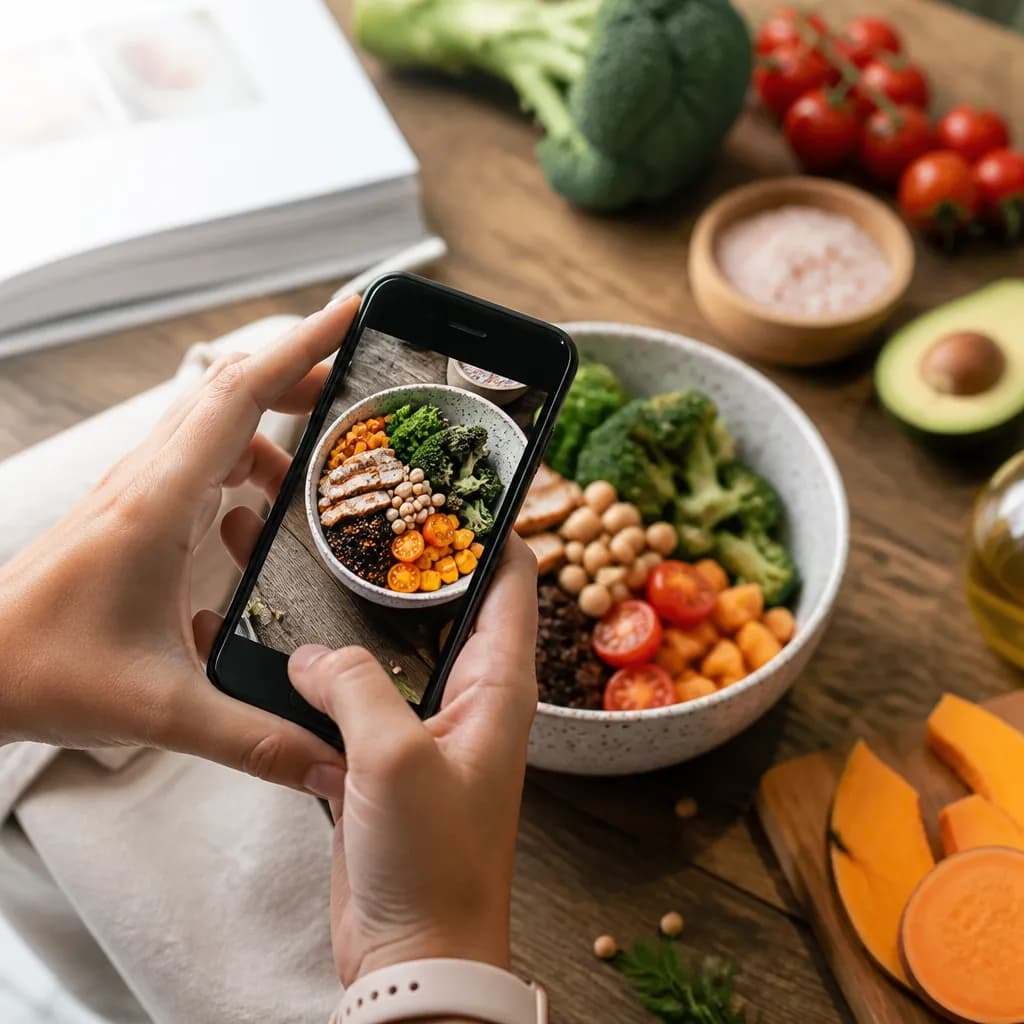
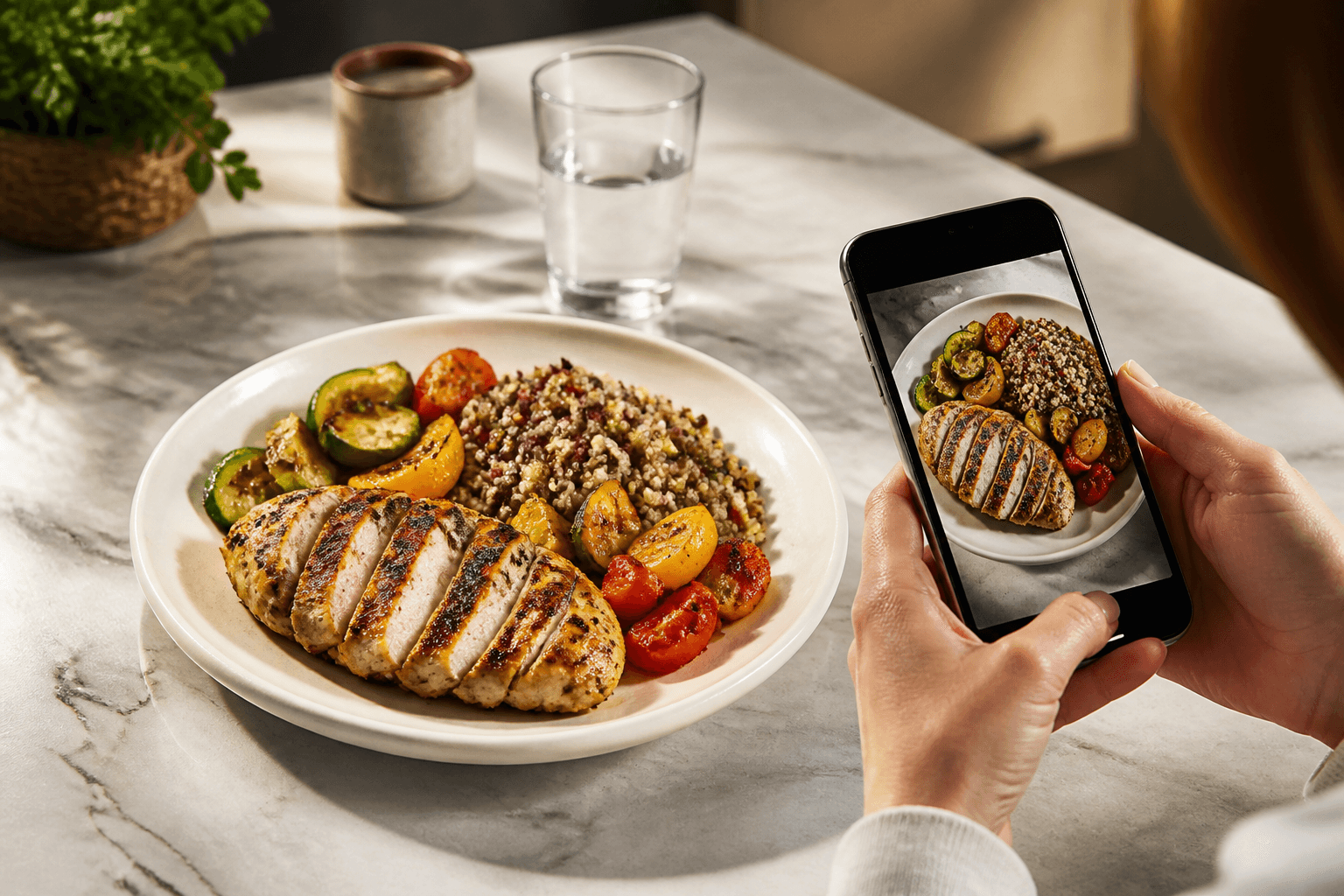
In an age where everything is documented and shared visually, why not apply the same approach to our eating habits? Photo food logging, the practice of taking pictures of your meals before you eat them, is more than just a trendy habit; it’s a powerful tool for fostering healthier eating behaviors and making mindful dietary choices.
Understanding Photo Food Logging
At its core, photo food logging involves capturing images of your meals as a way to keep track of what you consume. Instead of simply writing down what you eat, snapping a quick picture allows you to provide a visual record of your food choices. This method can be particularly effective for those who may be struggling with weight management, emotional eating, or simply wish to embrace a healthier lifestyle.
The Psychological Impact of Visual Tracking
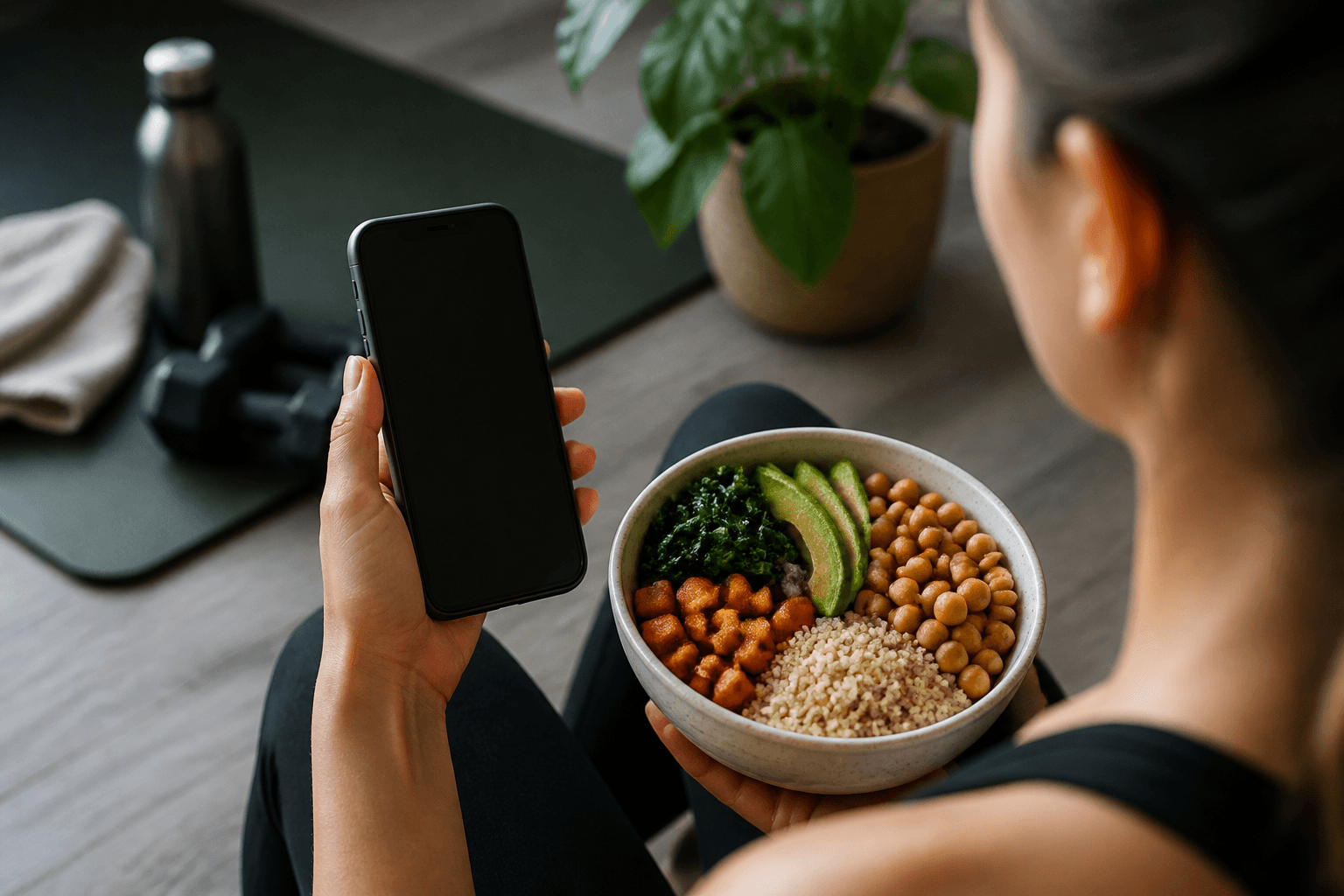
One of the key benefits of photo food logging is its psychological impact. When you see your food, you're more likely to be aware of your portions and make mindful choices. Research shows that visual inputs can significantly affect our behaviors and decisions. By taking a moment to capture your meal, you engage your brain in a more thoughtful analysis of what you’re about to eat. This simple act can elevate your awareness about ingredients, portion sizes, and even presentation, leading to healthier dietary selections.
Forming Better Habits
The transformation doesn't stop at awareness; photo food logging can actively help you form better eating habits. Regularly documenting what you eat through photos can lead to the following changes:
Increased Mindfulness: By routinely photographing your meals, you're less likely to eat mindlessly. This practice encourages you to slow down and consider your food choices carefully.
Accountability: When you know that you will take a photo of your meal, you may be less tempted to indulge in unhealthy choices. This accountability can be a strong motivating factor in making better decisions.
Progress Tracking: Photos serve as a visual diary of your eating journey. You can look back and see how your meals have evolved over time, providing both motivation and a sense of achievement.
Making Photo Food Logging Work for You
If you're ready to try photo food logging, here are a few tips to get started:
- Consistency is Key: Aim to log every meal, snack, and drink. The more pictures you take, the better you can understand your eating patterns.
- Use Apps or Dedicated Notebooks: There are various apps designed for food logging where you can upload your photos and note the details about each meal, including calorie count and nutrients.
- Reflect on Your Choices: Spend a few moments after each meal analyzing the foods you’ve photographed. Ask yourself how they made you feel and whether you were genuinely satisfied.
Examples of Photo Food Logging
Let’s consider a few examples to illustrate effective photo food logging:
- Breakfast: A smoothie bowl loaded with fruits, nuts, and seeds. Taking a photo not only showcases its vibrant colors but also helps you remember the nutritious ingredients.
- Lunch: A quinoa salad with chickpeas, cucumbers, and bell peppers. Documenting a balanced meal can keep you motivated on days when you may be tempted to grab fast food.
- Dinner: Grilled chicken with steamed broccoli and sweet potatoes. Capturing this meal can remind you of the healthy protein and vegetables you’re incorporating into your diet.
Conclusion
Incorporating photo food logging into your daily routine can be a game changer in your quest for healthier eating habits. By transforming how you view and engage with your meals, you can cultivate mindfulness, accountability, and better nutrition choices—one snap at a time.
Ready to take your food tracking to the next level? Try our app today! Upload a photo of your meal, and let our AI analyze the calories and macronutrients, helping you stay on track with your dietary goals.
Cal AI Editorial Team
Practical guides on nutrition, calorie tracking, meal planning, and building healthier habits with Cal AI.
Editorial policyRelated articles
- Cal AI
The scan got the dish wrong: how to fix grams and calories in Cal AI in 20 seconds
Fix a wrong Cal AI scan by choosing the closest recognition variant, correcting grams, and editing calories when the portion still looks off.
Oct 26, 20266 min read
- french fries
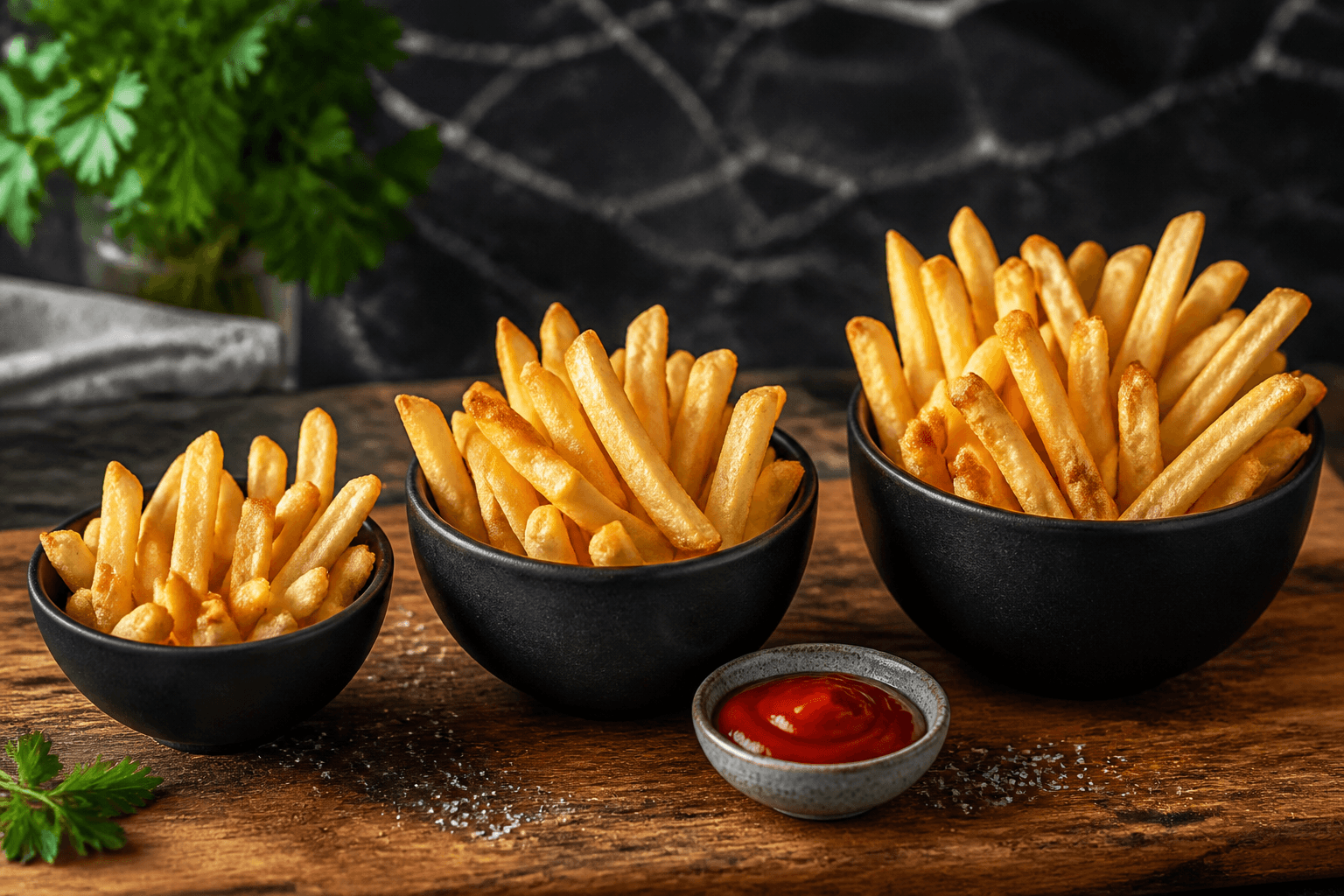
Calories in French Fries: Small, Medium and Large Portions
French fries are 312 kcal per 100 g, and a standard 117 g serving is 365 kcal. Use grams, not size names, when the portion looks unclear.
Oct 23, 20266 min read
- Cal AI
How to Cancel Cal AI Subscription on iPhone and Android
Cancel Cal AI through Apple or Google Play, not inside the app. Follow the exact menu paths and see what cancellation means for history and scans.
Oct 20, 20265 min read1 views
- chicken breast
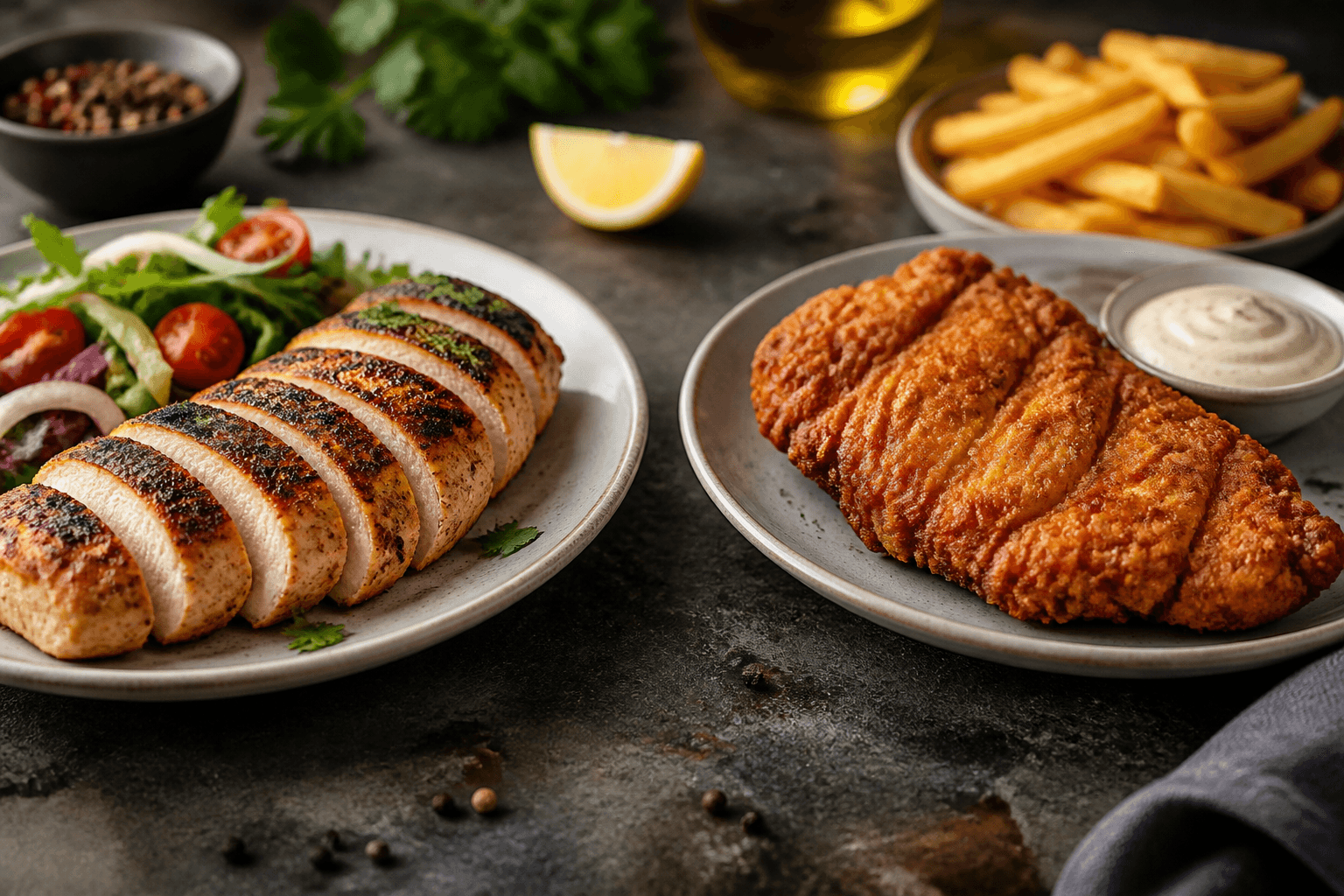
Calories in Chicken Breast: 100 g, One Breast, Grilled vs Fried
Chicken breast has 165 kcal per 100 g cooked. See one-breast calories, grilled and fried adjustments, and how to log it accurately.
Oct 17, 20266 min read1 views
- rice
White Rice vs Brown Rice: Calories, Protein, and Which to Pick
Brown rice is slightly lower in calories than white rice, but the gap is small. Compare cooked portions, macros, and which one fits your goal at meals.
Oct 14, 20266 min read2 views
- calorie calculator
How many calories do you need a day? Mifflin-St Jeor with worked examples
Use Mifflin-St Jeor to estimate daily calories from weight, height, age, and activity, with worked examples and portion checks.
Oct 11, 20268 min read