How Photo Food Logging Transforms Your Eating Habits
Updated Aug 3, 20263 min read54 views
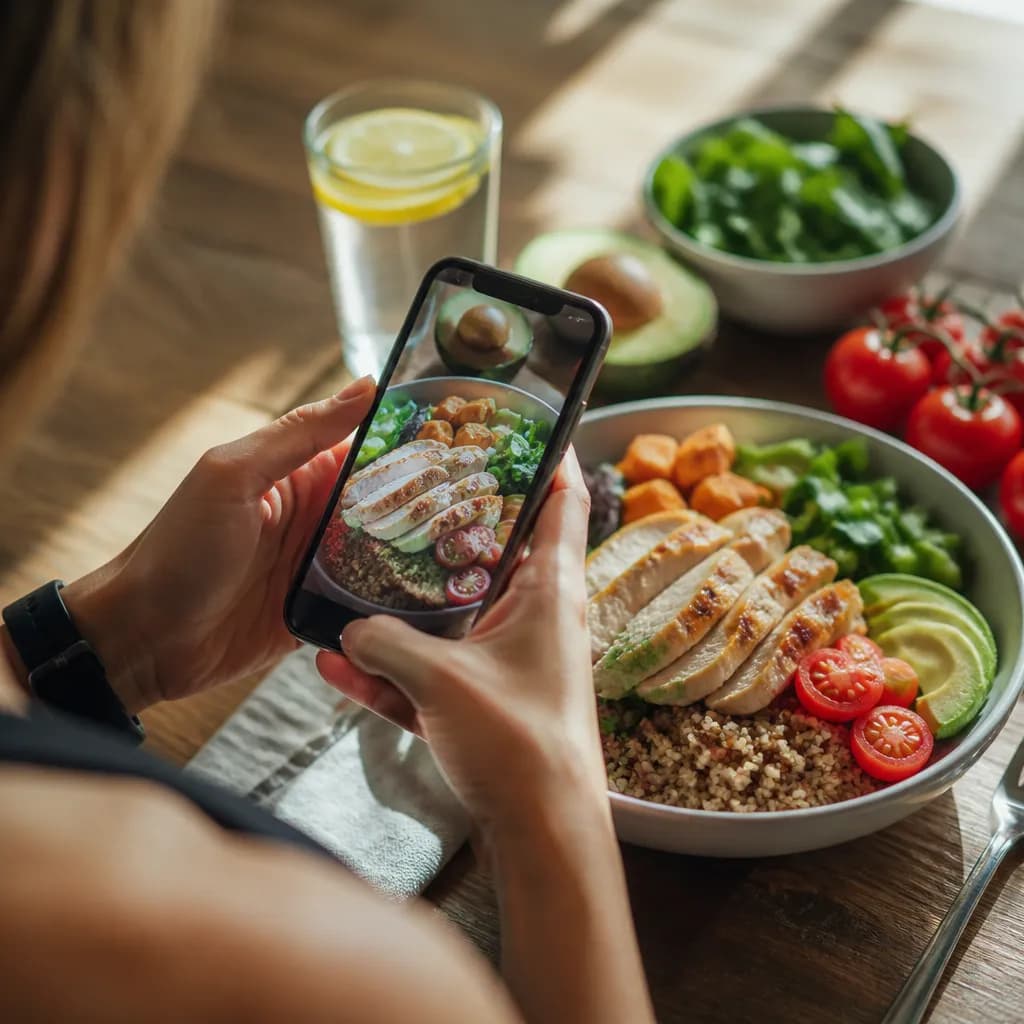
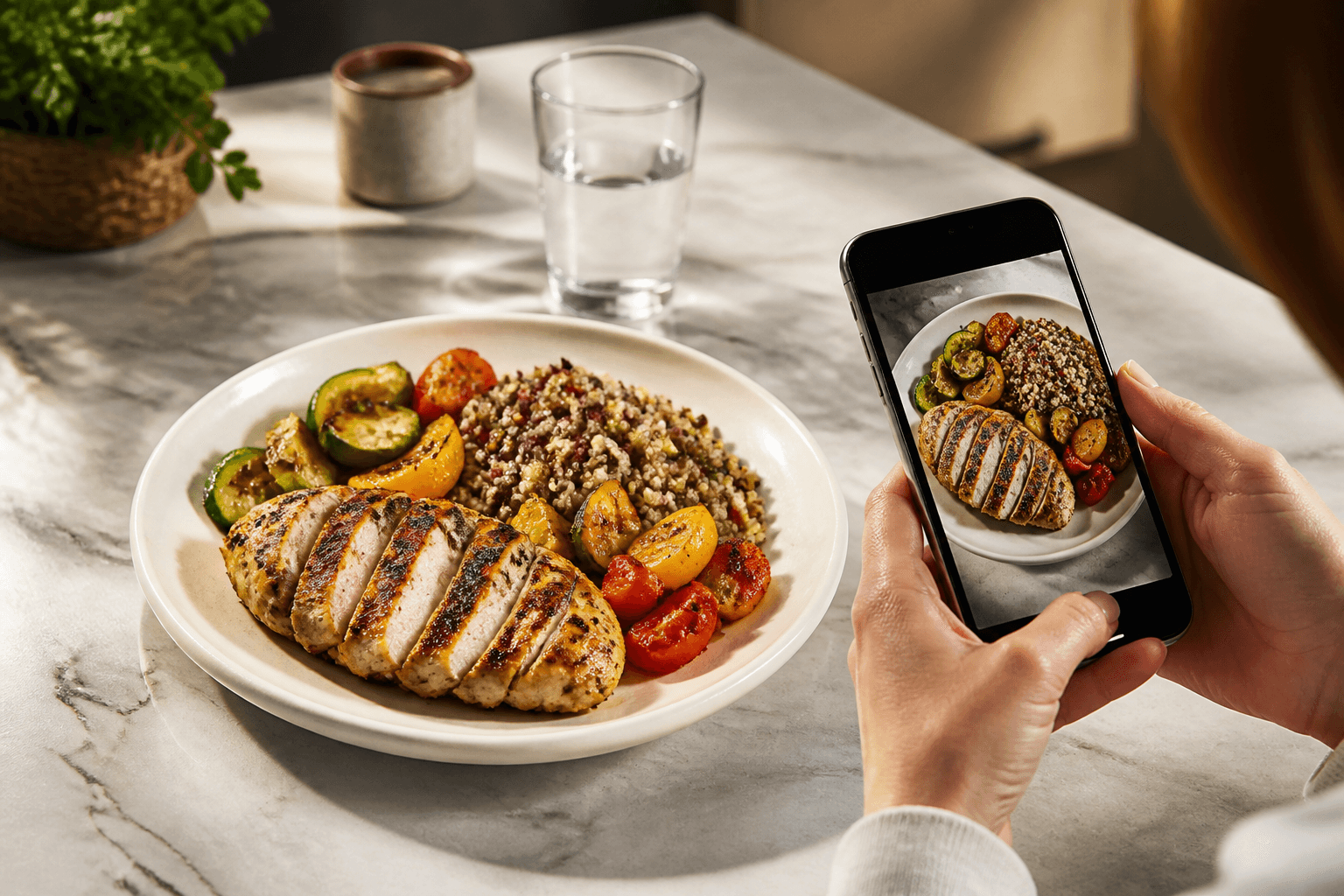
In the digital age, where everything is captured in an instant, photo food logging has emerged as a powerful tool to promote healthy eating habits. Instead of just tracking what you eat on paper, snapping a picture of your meals offers a visual perspective that can enhance your nutritional awareness and keep your eating habits in check.
Understanding Photo Food Logging
Photo food logging involves taking pictures of your meals, snacks, and drinks before consuming them. This method allows you to visualize your choices, making it an engaging way to monitor your dietary intake. By capturing the colors, textures, and portions of your food, you not only create a personal food diary but also encourage mindful eating.
The Psychological Impact of Seeing Your Food
One of the major benefits of photo food logging is the psychological effect it has. When you take a photo of your meal, you create a moment of pause. This brief delay can help you consider the ingredients, portion sizes, and overall balance of your plate. Studies show that accountability plays a significant role in behavioral change; seeing what you eat visually can promote better choices.
Moreover, photos can often reveal trends in your eating patterns that you might overlook in traditional logging. Are your meals mainly beige, indicating a lack of variety? Are you leaning too heavily on convenience foods? A visual diary can shed light on these habits.
Building Consistency and Accountability
For many, sticking to dietary plans becomes challenging. Photo food logging can foster consistency in your dietary habits. By creating a visual record, you're more likely to stay accountable to your nutrition goals. Each picture becomes a testament to your efforts, encouraging you to think twice before reaching for unhealthy snack options.
Developing Mindful Eating Practices
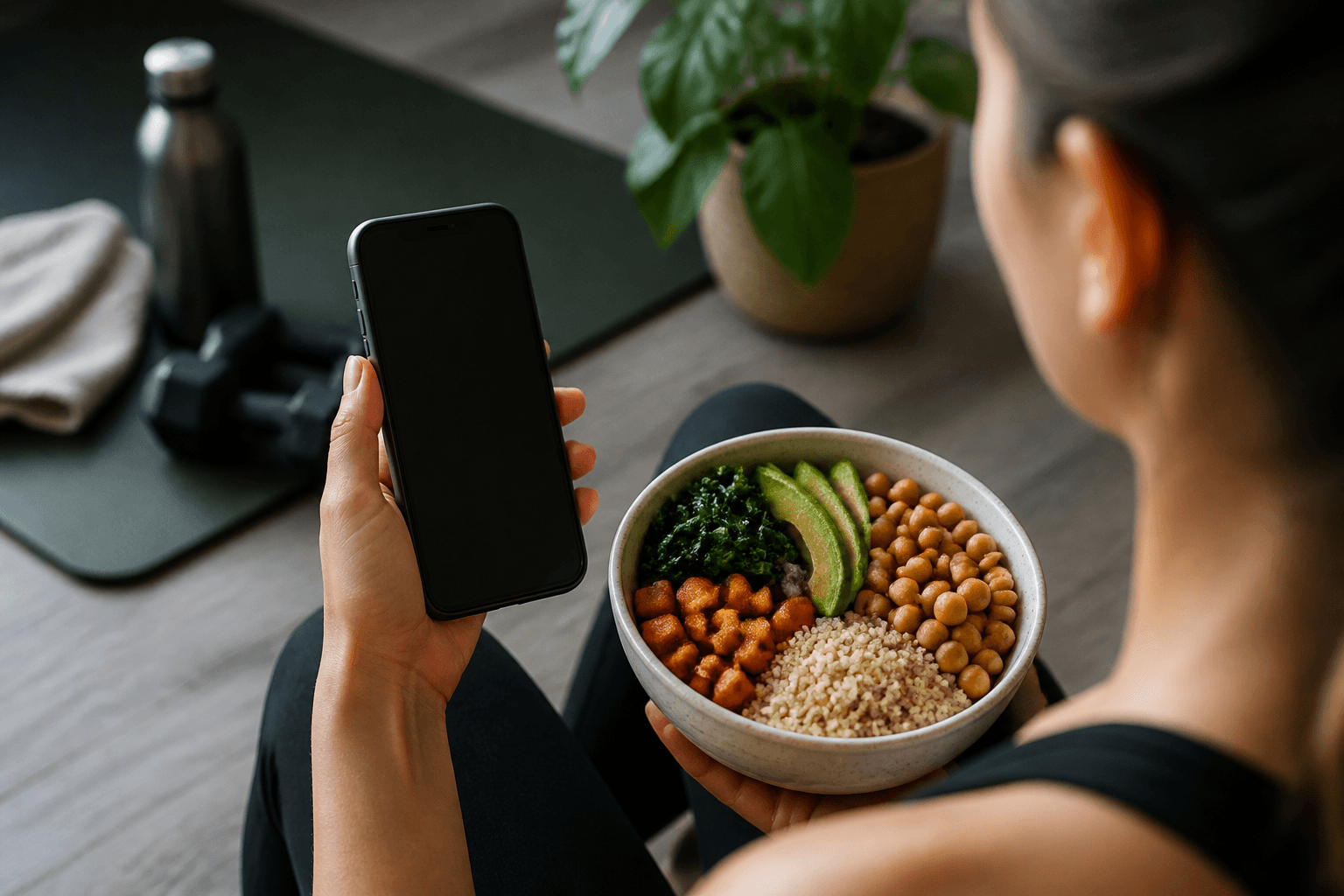
Mindful eating emphasizes being present during meals, focusing on the taste, texture, and aroma of food rather than eating mindlessly. Photo food logging enhances this practice by encouraging you to be attentive to what’s on your plate. When you’re about to take a bite, you reflect on why you’re eating it and how it contributes to your wellness journey.
Tips for Effective Photo Food Logging
- Use Natural Light: Take photos in well-lit areas to capture the true colors and appeal of your food.
- Include Portion Sizes: Use common objects for reference or include a scale to provide context.
- Don’t Be Shy: Snap pictures of your snacks, beverages, and even condiments. This gives a complete view of your intake.
- Keep it Organized: Create folders in your phone or use apps specifically designed for food logging to categorize your meals.
Conclusion: Start Logging Today
Photo food logging can be a game-changer in how you perceive and manage your eating habits. By providing a visual representation of your dietary choices, this method encourages mindfulness, accountability, and healthier habits. If you’re ready to take control of your nutrition and transform your relationship with food, consider integrating photo logging into your daily routine.
Ready to dive in? Download our app to start snapping photos of your meals. Let our AI help you determine caloric intake, macronutrient breakdowns, and guide you on your path to better eating habits.
Cal AI Editorial Team
Practical guides on nutrition, calorie tracking, meal planning, and building healthier habits with Cal AI.
Editorial policyRelated articles
- Cal AI
The scan got the dish wrong: how to fix grams and calories in Cal AI in 20 seconds
Fix a wrong Cal AI scan by choosing the closest recognition variant, correcting grams, and editing calories when the portion still looks off.
Oct 26, 20266 min read
- french fries
Calories in French Fries: Small, Medium and Large Portions
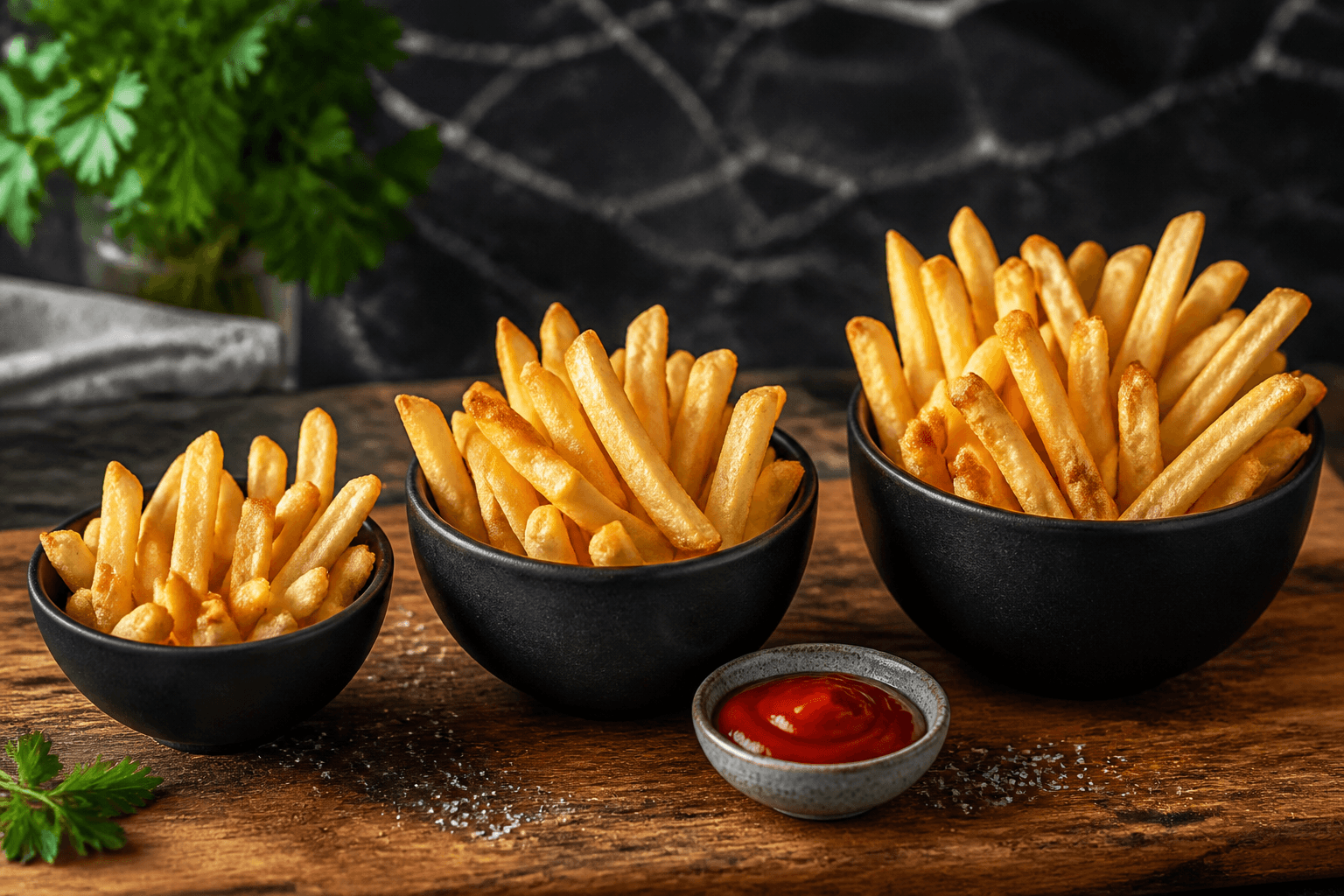
French fries are 312 kcal per 100 g, and a standard 117 g serving is 365 kcal. Use grams, not size names, when the portion looks unclear.
Oct 23, 20266 min read
- Cal AI
How to Cancel Cal AI Subscription on iPhone and Android
Cancel Cal AI through Apple or Google Play, not inside the app. Follow the exact menu paths and see what cancellation means for history and scans.
Oct 20, 20265 min read1 views
- chicken breast
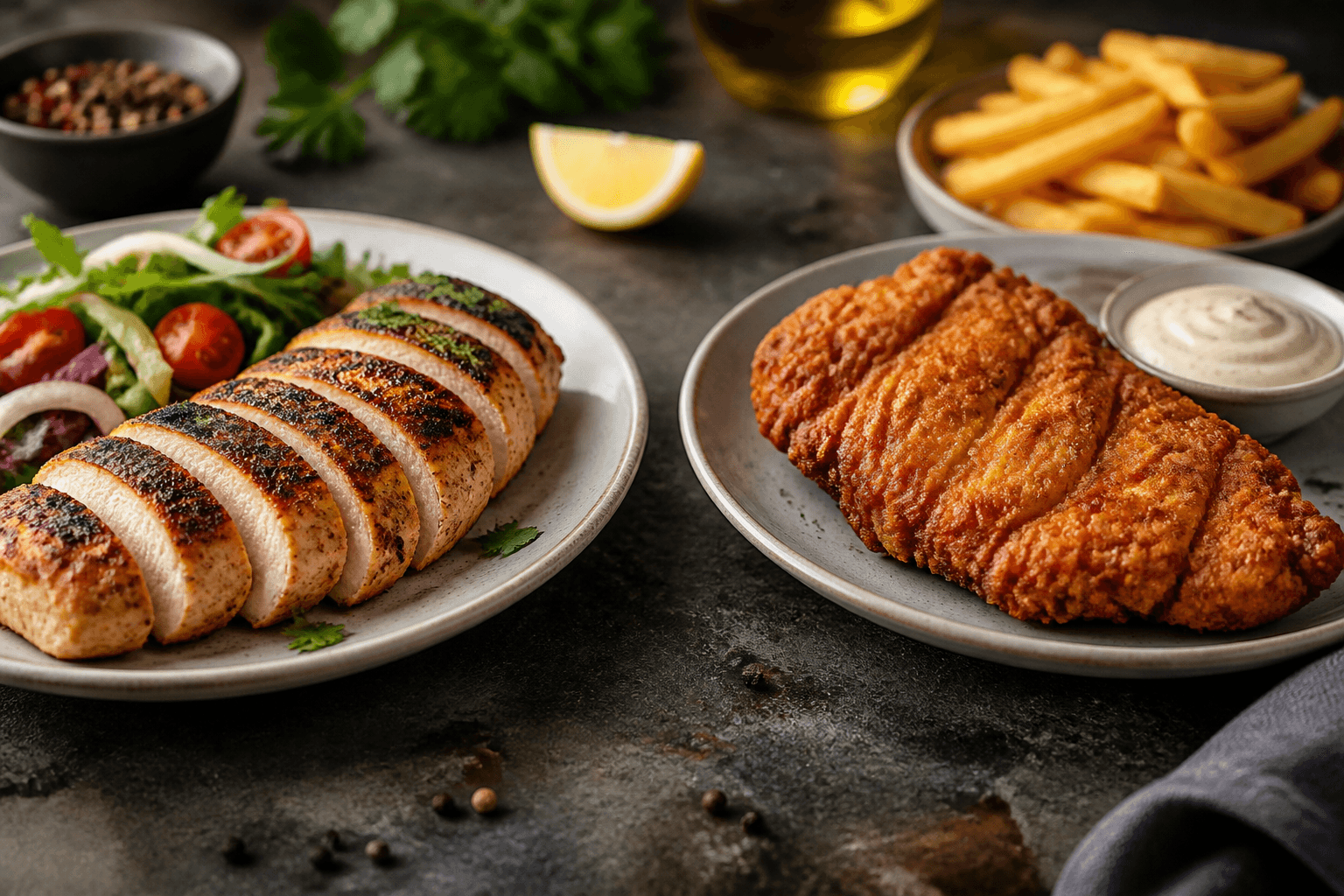
Calories in Chicken Breast: 100 g, One Breast, Grilled vs Fried
Chicken breast has 165 kcal per 100 g cooked. See one-breast calories, grilled and fried adjustments, and how to log it accurately.
Oct 17, 20266 min read1 views
- rice
White Rice vs Brown Rice: Calories, Protein, and Which to Pick
Brown rice is slightly lower in calories than white rice, but the gap is small. Compare cooked portions, macros, and which one fits your goal at meals.
Oct 14, 20266 min read2 views
- calorie calculator
How many calories do you need a day? Mifflin-St Jeor with worked examples
Use Mifflin-St Jeor to estimate daily calories from weight, height, age, and activity, with worked examples and portion checks.
Oct 11, 20268 min read