Mindful Eating vs. Strict Dieting: Finding Balance for a Healthier You
Updated Sep 30, 20263 min read10 views

In today's world, where diet culture is often glorified, many find themselves caught between strict dieting and a more intuitive approach to food known as mindful eating. While both methods have their merits, the approach you choose can significantly impact not only your physical health but also your relationship with food and your mindset about eating. Let's dive into the concepts of mindful eating and strict dieting to see which might be a better fit for your lifestyle.
Understanding Strict Dieting
Strict dieting usually refers to a highly controlled eating plan that often restricts certain food types or caloric intake to expedite weight loss or achieve specific health goals. Common aspects include calorie counting, measuring portion sizes, and even eliminating foods deemed unhealthy. While strict dieting can lead to quick results in weight loss, it often comes with major drawbacks.
For one, strict dieting can set up a cycle of deprivation that might lead to feelings of guilt or shame when indulging in foods that are forbidden. This method can also foster a disconnection from hunger cues and a reliance on external rules about what and when to eat. Over time, this can result in yo-yo dieting, where weight is gained back quickly after the diet ends, as well as potential nutritional deficiencies due to the elimination of entire food groups.
The Concept of Mindful Eating
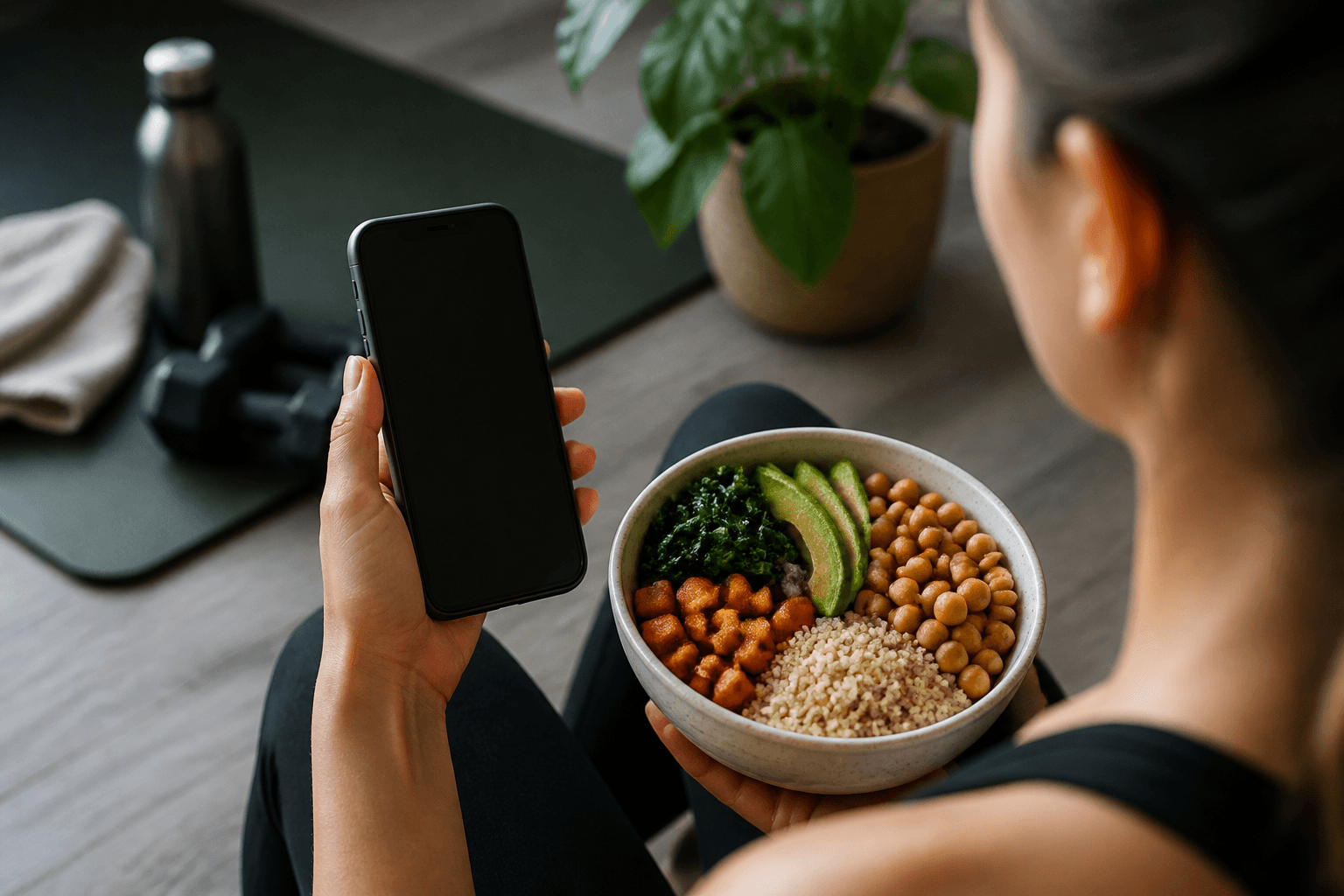
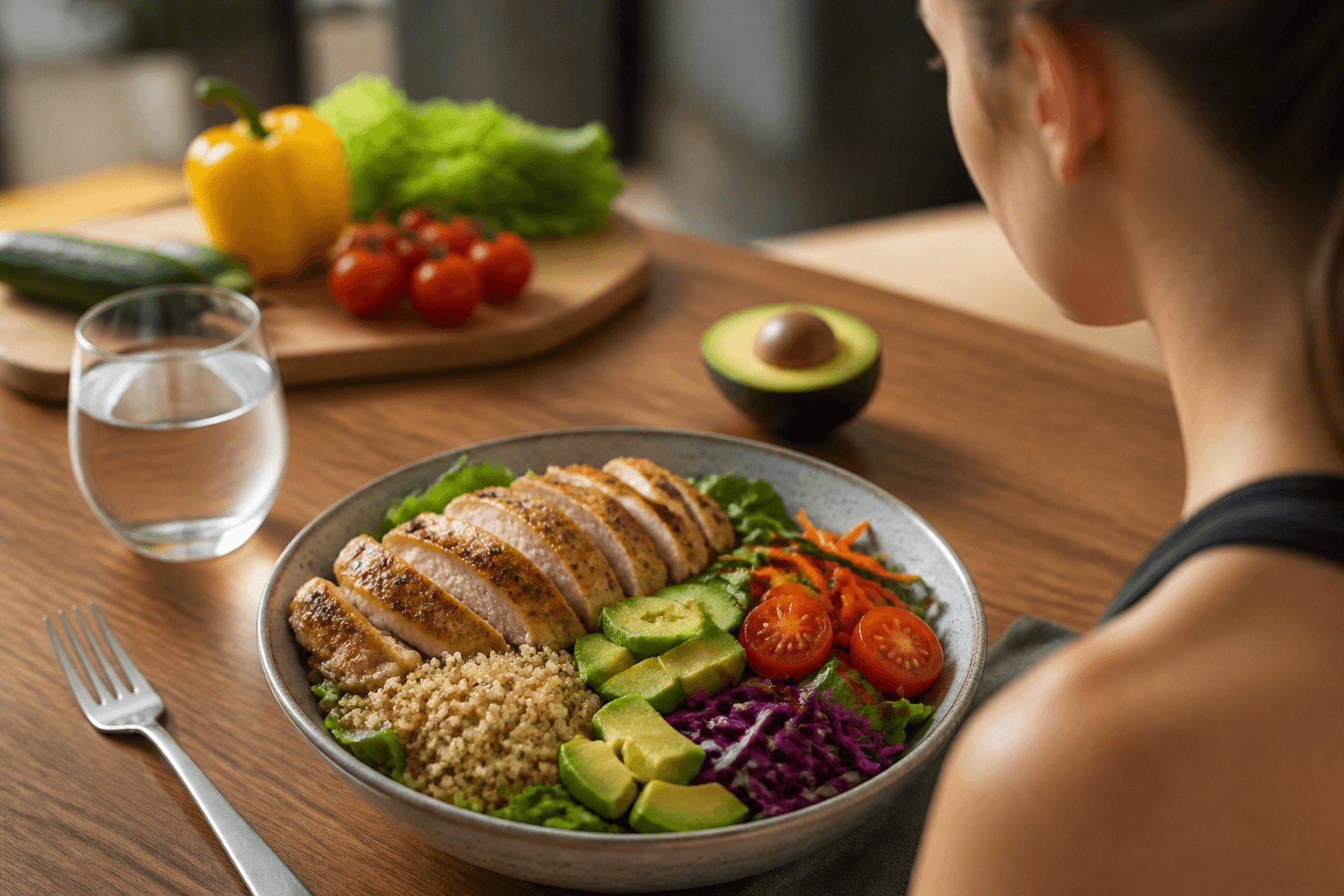
On the other hand, mindful eating is all about tuning into your body's natural hunger signals and enjoying the experience of eating. This practice encourages individuals to be present during meals, paying attention not only to what they eat but also how they eat. It advocates for incorporating all food groups into your diet, focusing less on restriction and more on quality.
Mindful eating promotes awareness of flavors, textures, and sensations while eating, which can lead to greater satisfaction with less food. Moreover, it helps break the cycle of emotional eating and food anxiety, allowing individuals to enjoy their meals without guilt.
Key Differences
| Aspect | Strict Dieting | Mindful Eating |
|---|---|---|
| Focus | Caloric restriction | Intuitive eating |
| Approach to food | Eliminating foods | Enjoying all foods |
| Relationship with food | Guilt and shame | Acceptance and joy |
| Long-term sustainability | Often unsustainable | Highly sustainable |
Finding a Balance
Rather than choosing between strictly dieting or embracing mindful eating exclusively, many people find that a balanced approach works best. This means integrating the structure of mindful eating within some dietary guidelines that fit your health needs. For example, you might focus on enjoying whole, nutrient-dense foods while being more conscious of portion sizes.
You could also use mindful practices while meal prepping, choosing foods rich in vitamins and minerals that align with your health goals.
Practical Tips for Mindful Eating
- Eliminate Distractions: Make mealtime a dedicated time without TV or smartphones to focus solely on the food.
- Slow Down: Chew thoroughly and savor each bite, which can help you tune into your body's hunger cues.
- Listen to Your Body: Instead of adhering to external diet rules, eat when you're hungry and stop when you're satisfied.
- Reflect on Emotions: Pay attention to your emotional state around food to identify triggers that lead to emotional eating.
- Practice Gratitude: Acknowledge the effort that goes into growing, preparing, and serving food to enhance your eating experience.
Conclusion
Choosing between mindful eating and strict dieting doesn't have to be a black-and-white decision. By focusing on your body's natural signals and finding joy in the food you eat, you can develop a healthier relationship with food that supports both your physical and emotional well-being. Instead of viewing food through the lens of guilt or restriction, embrace the notion of balance.
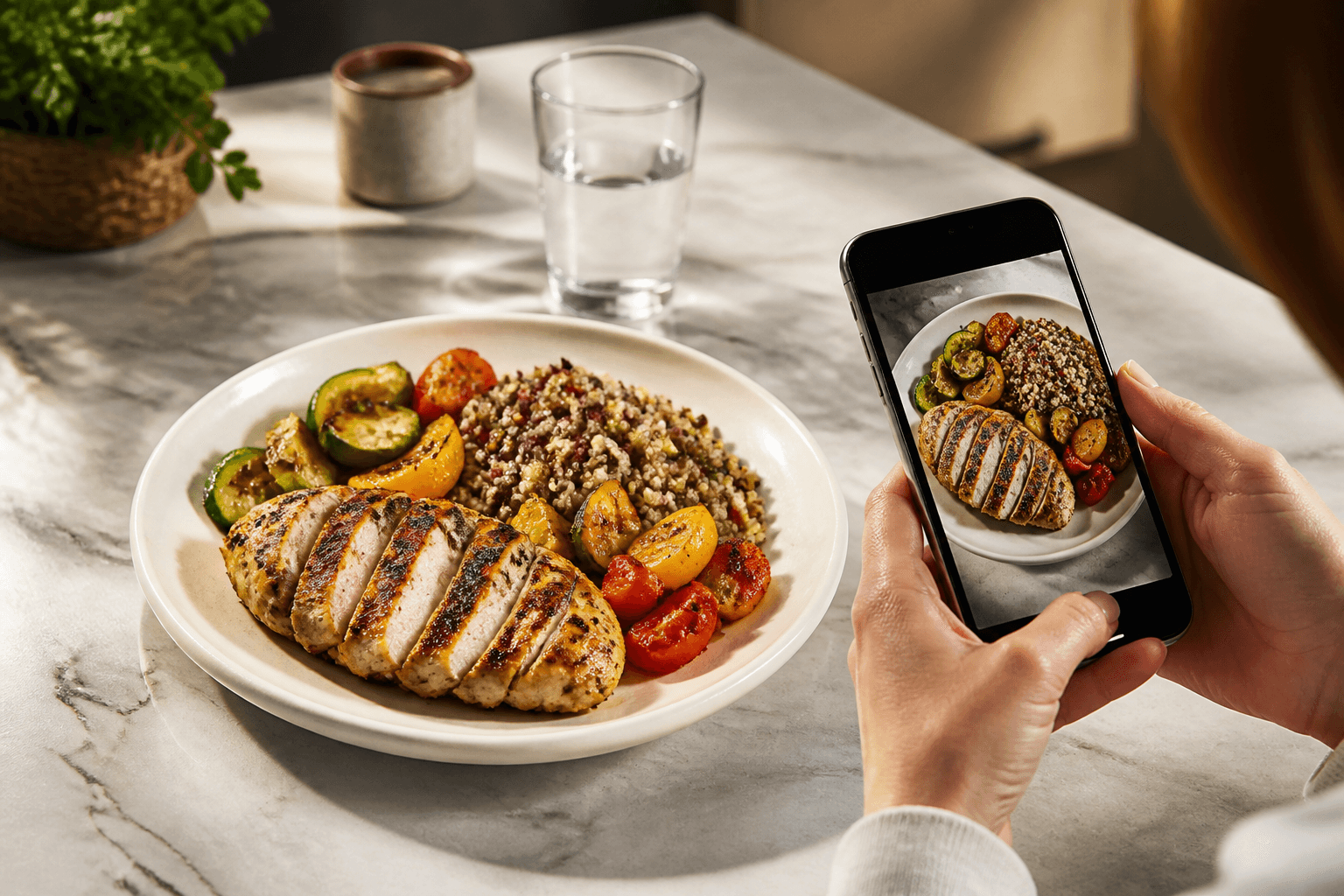
Are you ready to take control of your eating habits? Download our app, upload a photo of your meal, and let our AI help you track calories and macronutrients while supporting you on your journey to mindful eating!
Cal AI Editorial Team
Practical guides on nutrition, calorie tracking, meal planning, and building healthier habits with Cal AI.
Editorial policyRelated articles
- Cal AI
The scan got the dish wrong: how to fix grams and calories in Cal AI in 20 seconds
Fix a wrong Cal AI scan by choosing the closest recognition variant, correcting grams, and editing calories when the portion still looks off.
Oct 26, 20266 min read
- french fries
Calories in French Fries: Small, Medium and Large Portions
French fries are 312 kcal per 100 g, and a standard 117 g serving is 365 kcal. Use grams, not size names, when the portion looks unclear.
Oct 23, 20266 min read
- Cal AI
How to Cancel Cal AI Subscription on iPhone and Android
Cancel Cal AI through Apple or Google Play, not inside the app. Follow the exact menu paths and see what cancellation means for history and scans.
Oct 20, 20265 min read1 views
- chicken breast
Calories in Chicken Breast: 100 g, One Breast, Grilled vs Fried
Chicken breast has 165 kcal per 100 g cooked. See one-breast calories, grilled and fried adjustments, and how to log it accurately.
Oct 17, 20266 min read1 views
- rice
White Rice vs Brown Rice: Calories, Protein, and Which to Pick
Brown rice is slightly lower in calories than white rice, but the gap is small. Compare cooked portions, macros, and which one fits your goal at meals.
Oct 14, 20266 min read2 views
- calorie calculator
How many calories do you need a day? Mifflin-St Jeor with worked examples
Use Mifflin-St Jeor to estimate daily calories from weight, height, age, and activity, with worked examples and portion checks.
Oct 11, 20268 min read