Mastering Meal Planning: A Busy Professional's Guide to Healthy Eating
Updated Jul 11, 20263 min read6 views
In the fast-paced world we live in, busy professionals often find themselves juggling multiple tasks, from work deadlines to family commitments. With such a packed schedule, how can one maintain a healthy diet? That’s where meal planning comes in. It's not just a trend; it's a practical solution for those looking to eat better without spending hours in the kitchen.
The Importance of Meal Planning
Meal planning allows you to prepare healthy meals without the stress of daily decisions. By taking an hour or two on the weekend to outline your meals for the week, you can save time, money, and energy during busy weekdays. Research shows that individuals who plan their meals are more likely to make healthier choices, reduce food waste, and stick to their dietary goals.
Step 1: Assess Your Schedule
Before diving into meal prep, take a moment to assess your weekly schedule. Identify days when you may have less time to cook and consider preparing larger meals on those busier days. For example, if you have late meetings on Tuesday, plan to have leftovers from Monday’s dinner or a quick, easy-to-prepare meal.
Step 2: Choose Your Meals Wisely
When planning, consider your nutritional needs and how much time you can dedicate to cooking each night. Here are some meal ideas that are both delicious and quick:
Breakfast Options: Overnight oats with fruits and nuts, Greek yogurt parfait with granola, or smoothie packs with frozen fruits and spinach (just blend in the morning).
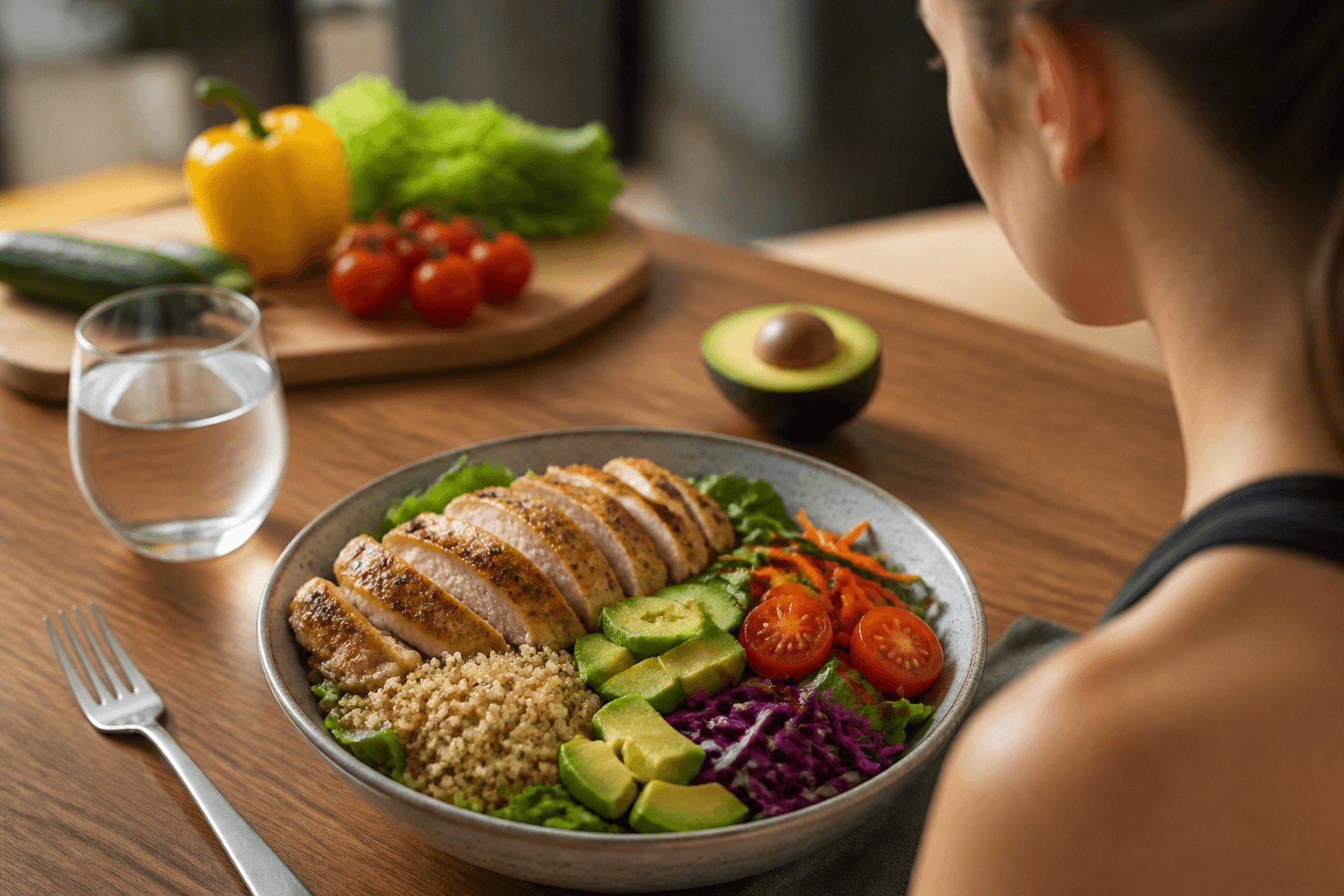
Lunch Ideas: Quinoa salad with grilled chicken, chickpea and avocado wrap, or a mason jar salad that can be prepared in advance.
Dinner: One-pan roasted vegetables with salmon, stir-fry with tofu and vegetables, or whole-grain pasta with marinara sauce and spinach.
Step 3: Create a Shopping List
Once you have your meals planned, jot down all the ingredients you will need. Organize your list by sections in the grocery store (produce, dairy, grains) to save time while shopping. Keep an eye out for sales or seasonal produce, which can also help reduce grocery bills.
Step 4: Batch Cooking
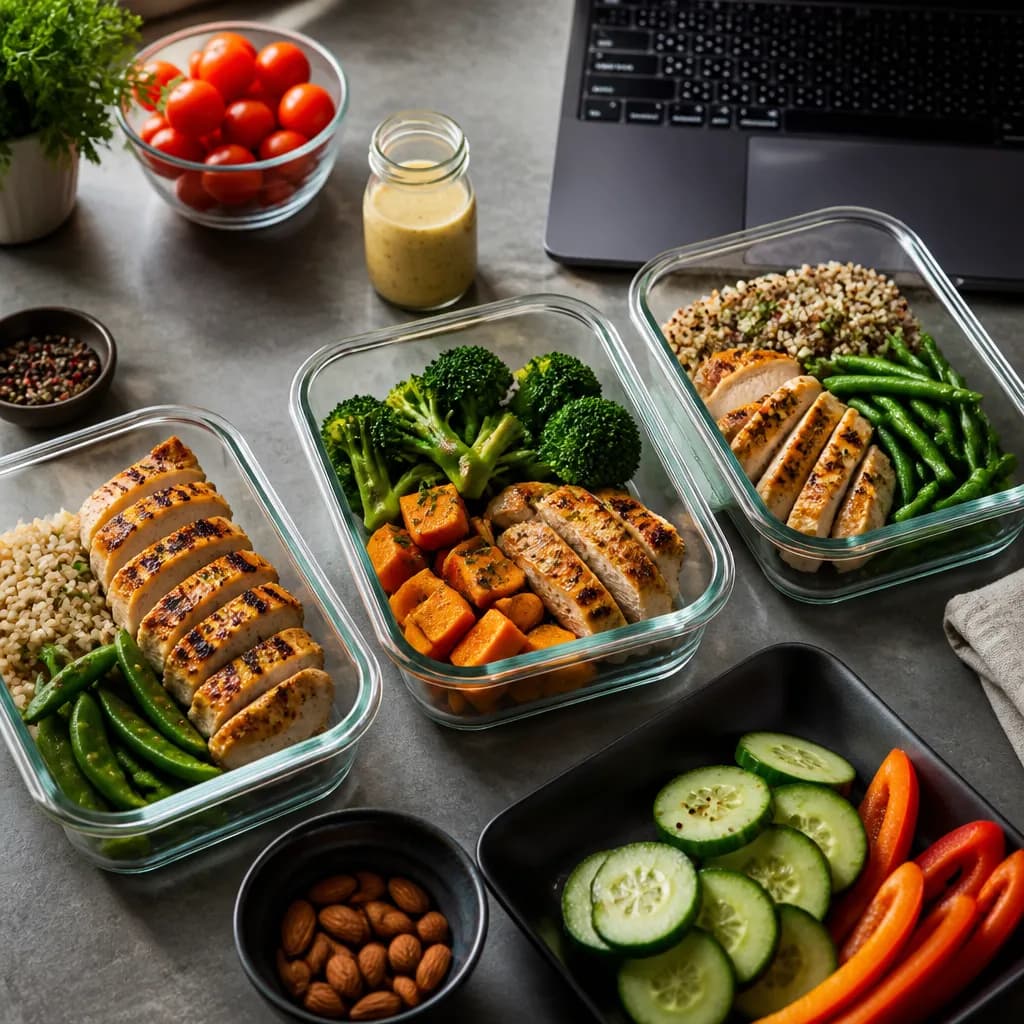
Batch cooking is your best friend. Prepare double or triple portions of your main dishes and store them in the fridge or freezer. For example, if you’re making chili, why not double the batch? Portion it into containers, and you’ll have meals ready to go for those hectic days. Just reheat and enjoy!
Step 5: Stay Flexible
While meal planning is about structure, it’s also essential to stay flexible. Life happens, and sometimes you’ll want to change your menu. Keep a few freezer-friendly meals available for those unexpected busy nights. Dishes like homemade soups, stews, or frozen veggie burgers can be lifesavers.
Frequently Asked Questions
Q: How can I keep my meals interesting? A: Experiment with different herbs and spices, try new recipes, or incorporate a variety of cuisines into your meal plans.
Q: What if I don’t have time to cook? A: Consider investing in a slow cooker or instant pot. You can set it up in the morning and come home to a hot meal.
Conclusion
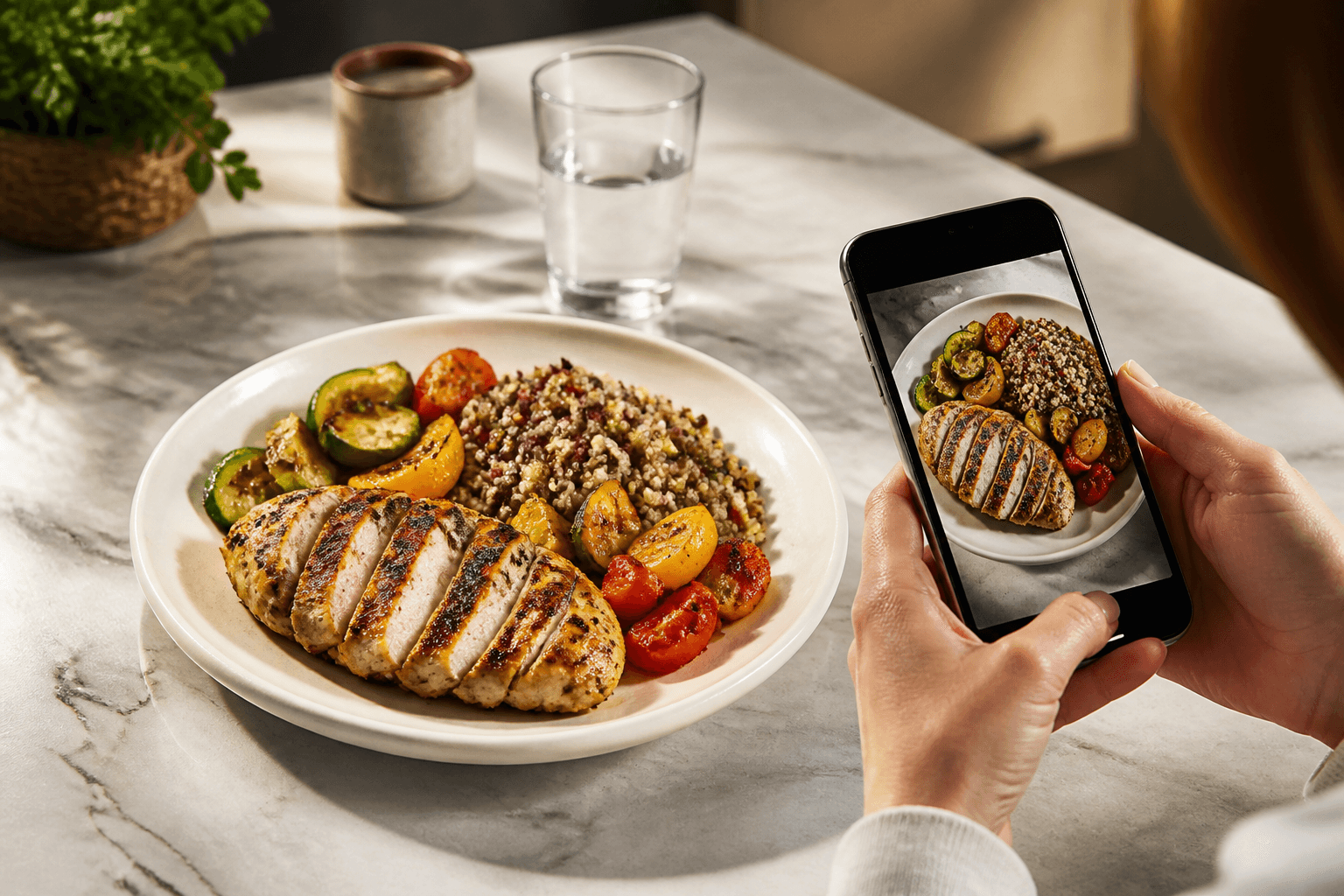
Meal planning is not just a way to eat healthier; it’s a lifestyle that can save time and energy for busy professionals. By strategically planning your meals, you can ensure that you always have nutritious options at your fingertips. Ready to get started? If you're curious about how to optimize your meals even further, try our AI tool that can help you analyze your food choices, track calories, and manage your nutrition effectively. Just upload a photo of your meal and watch the magic happen!
Cal AI Editorial Team
Practical guides on nutrition, calorie tracking, meal planning, and building healthier habits with Cal AI.
Editorial policyRelated articles
- Cal AI
The scan got the dish wrong: how to fix grams and calories in Cal AI in 20 seconds
Fix a wrong Cal AI scan by choosing the closest recognition variant, correcting grams, and editing calories when the portion still looks off.
Oct 26, 20266 min read
- french fries
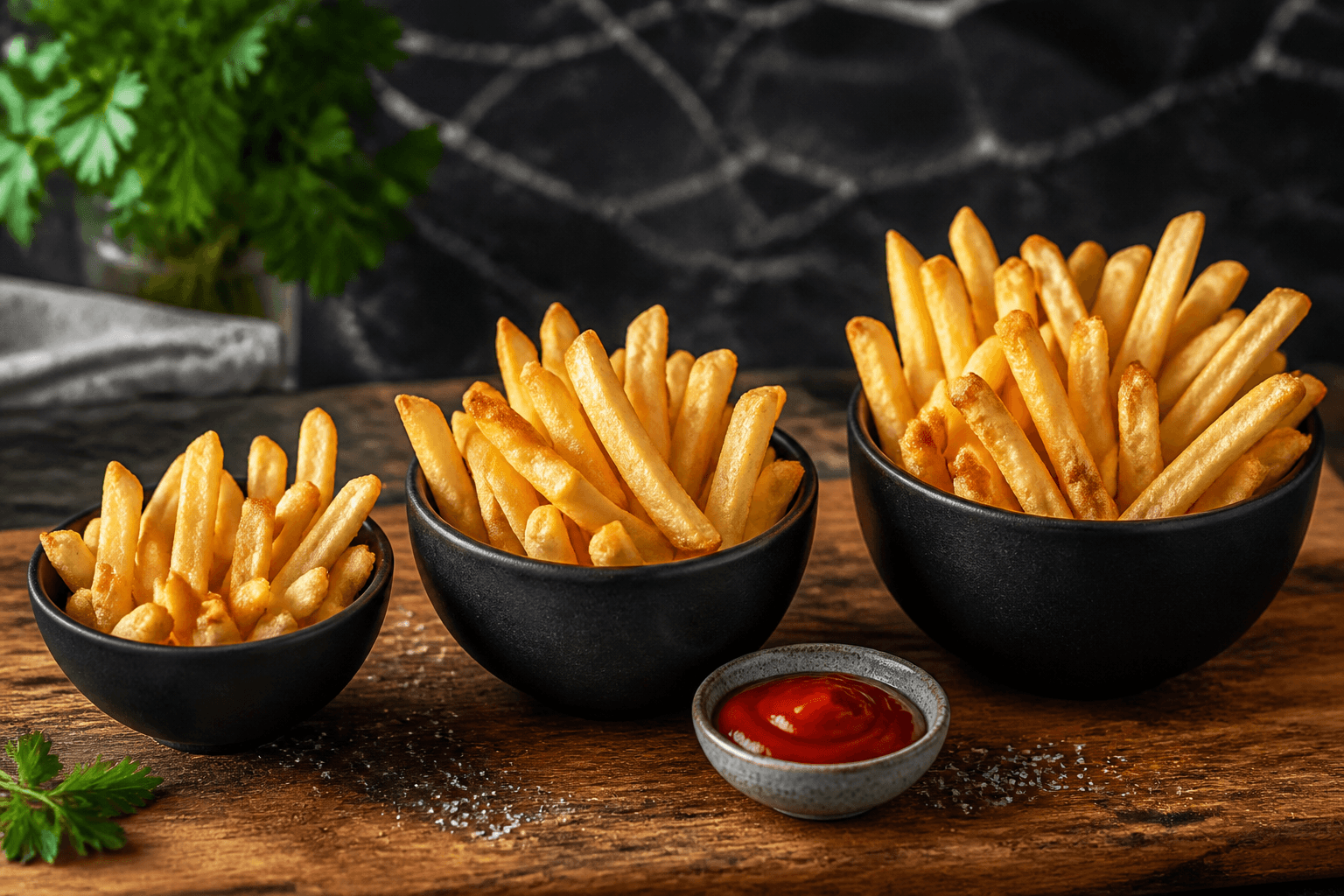
Calories in French Fries: Small, Medium and Large Portions
French fries are 312 kcal per 100 g, and a standard 117 g serving is 365 kcal. Use grams, not size names, when the portion looks unclear.
Oct 23, 20266 min read
- Cal AI
How to Cancel Cal AI Subscription on iPhone and Android
Cancel Cal AI through Apple or Google Play, not inside the app. Follow the exact menu paths and see what cancellation means for history and scans.
Oct 20, 20265 min read1 views
- chicken breast
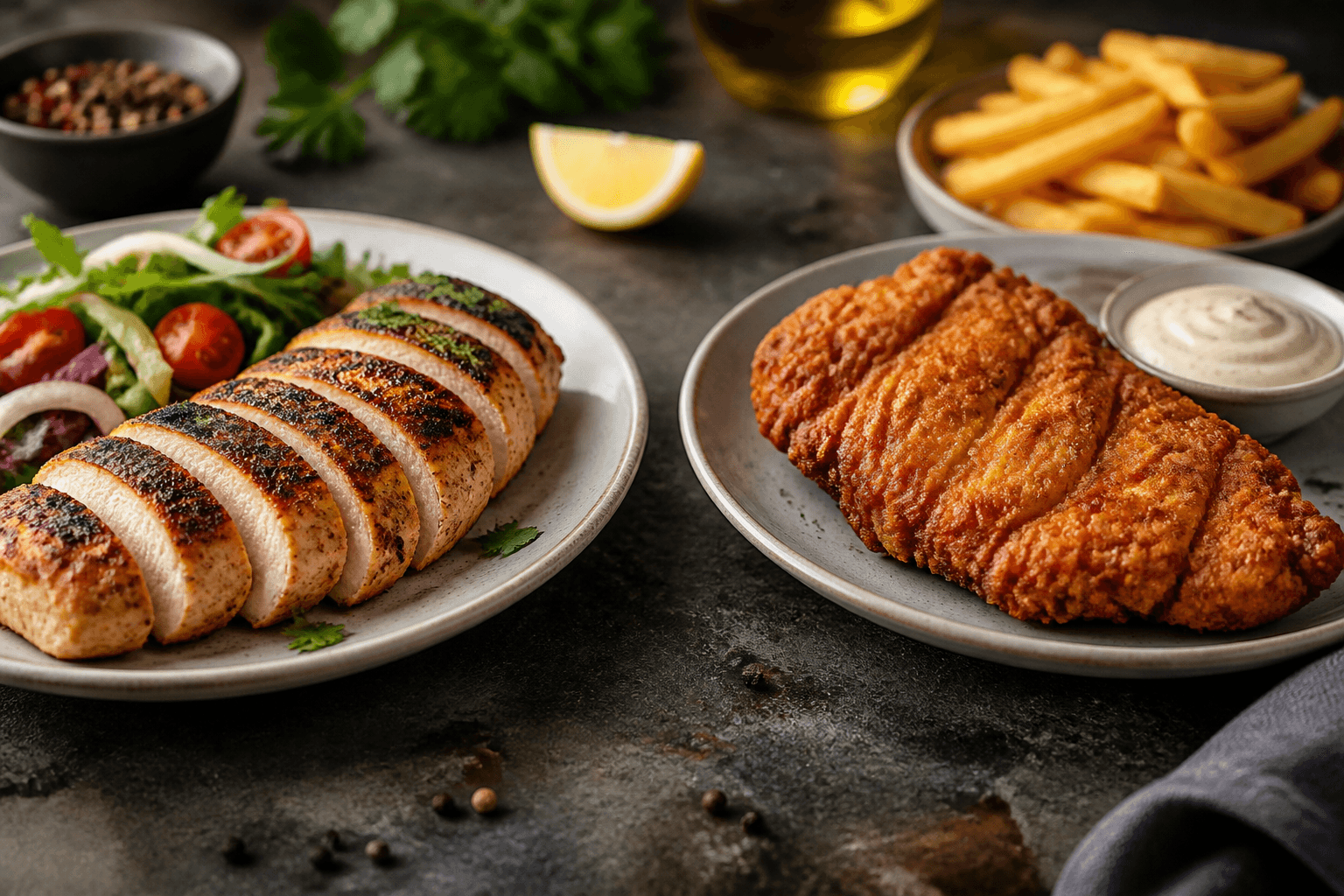
Calories in Chicken Breast: 100 g, One Breast, Grilled vs Fried
Chicken breast has 165 kcal per 100 g cooked. See one-breast calories, grilled and fried adjustments, and how to log it accurately.
Oct 17, 20266 min read1 views
- rice
White Rice vs Brown Rice: Calories, Protein, and Which to Pick
Brown rice is slightly lower in calories than white rice, but the gap is small. Compare cooked portions, macros, and which one fits your goal at meals.
Oct 14, 20266 min read2 views
- calorie calculator
How many calories do you need a day? Mifflin-St Jeor with worked examples
Use Mifflin-St Jeor to estimate daily calories from weight, height, age, and activity, with worked examples and portion checks.
Oct 11, 20268 min read