Protein, Fat, and Carbs: The Complete Guide
Dive into this comprehensive guide to understand the importance of protein, fat, and carbohydrates in your diet. Learn about their roles, benefits, and best sources.
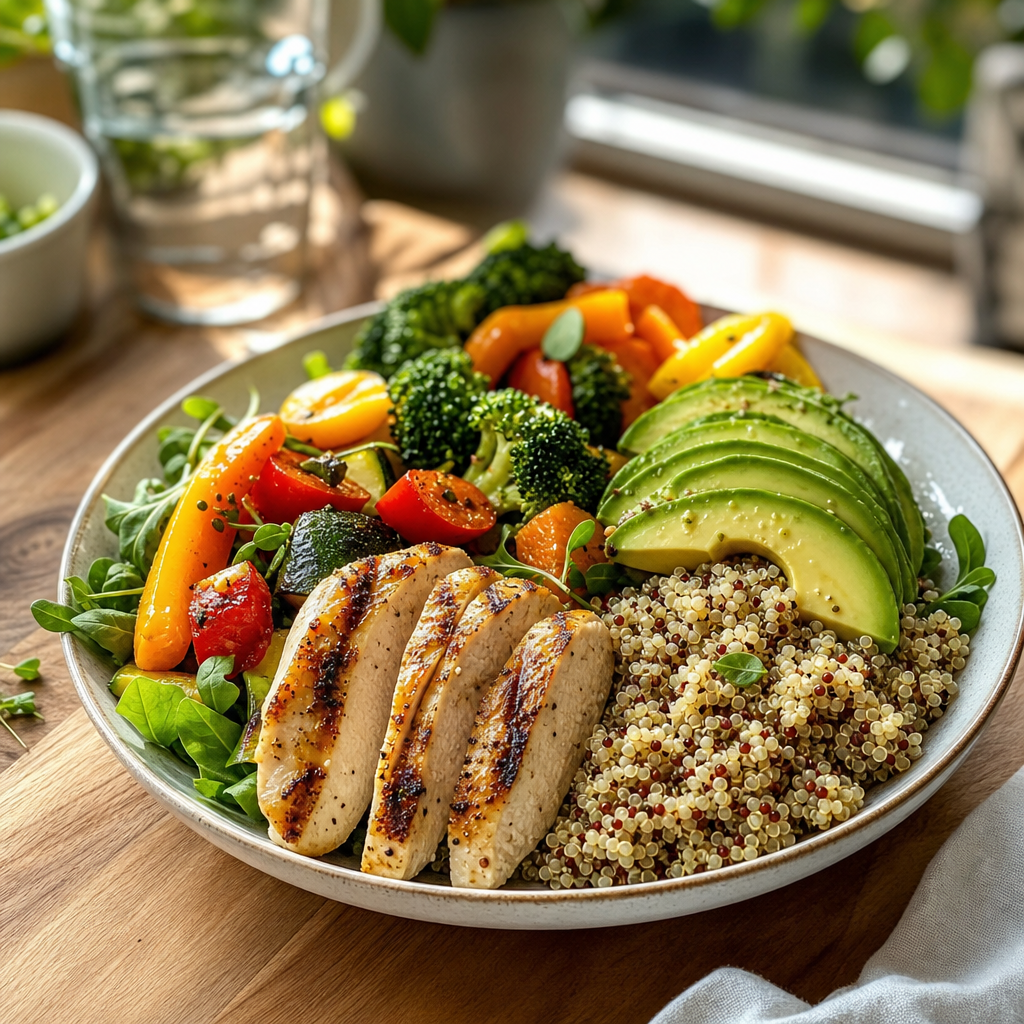
Understanding Macronutrients
Macronutrients are the three main components of our diet: protein, fats, and carbohydrates. Each macronutrient plays a unique role in bodily functions and contributes to our overall health. Knowing how they work together is essential for maintaining a balanced diet and achieving fitness goals.
Protein is vital for growth and repair, while fats provide energy and assist in nutrient absorption. Carbohydrates, often regarded as the body's primary energy source, also support brain function and regulate blood sugar levels. Understanding the ratio of these macronutrients can help you tailor your diet according to your personal needs.
The Role of Protein in Your Diet
Proteins are made up of amino acids, which are essential for building and repairing tissues, producing hormones, and supporting immune function. Each serving of protein-rich food provides about 20-30 grams of protein, which is roughly 10-15% of your daily caloric intake for a standard 2,000-calorie diet.
Excellent sources of protein include lean meats, poultry, fish, dairy, eggs, legumes, and nuts. For instance, a 100-gram serving of grilled chicken breast contains around 31 grams of protein, while a cup of cooked lentils provides about 18 grams. Including diverse protein sources in your meals can ensure you get all essential amino acids, important for complete nutrition.
The Importance of Healthy Fats
Fats often get a bad reputation, but they are critical for many bodily functions. They help absorb fat-soluble vitamins (A, D, E, and K), support cell structure, and produce hormones. Healthy fats should constitute about 20-35% of your daily caloric intake, translating to roughly 44-78 grams for someone on a 2,000-calorie diet.
Focus on incorporating healthy fats such as avocados, nuts, seeds, olives, and fatty fish into your diet. For example, one tablespoon of olive oil contains approximately 14 grams of fat, while a 3-ounce serving of salmon boasts about 22 grams, providing omega-3 fatty acids essential for heart health.
Carbohydrates: Your Body's Energy Source
Carbohydrates are the body's preferred energy source, especially for intense physical activity. They should make up approximately 45-65% of total daily calories, translating to around 225-325 grams per day on a 2,000-calorie diet. Carbs can be classified into simple carbohydrates, which are sugars, and complex carbohydrates, which include fiber and starch.
Good sources of carbohydrates consist of whole grains, fruits, vegetables, and legumes. For instance, one cup of cooked quinoa provides roughly 39 grams of carbohydrates, while a medium banana contains around 27 grams. Picking complex carbohydrates over simple sugars can offer prolonged energy and keep blood sugar levels stable.
The Balance: How to Combine Macronutrients
When planning meals, it’s crucial to balance the intake of protein, fats, and carbohydrates. A well-balanced plate could consist of half the plate filled with vegetables (carbohydrates), a quarter with lean protein, and a quarter with healthy fats, providing all necessary nutrients without overloading on calories.
An example meal might include grilled chicken (30g protein), a cup of brown rice (45g carbs), and half an avocado (15g fat). This meal would total approximately 510 calories while providing a balanced mix of macronutrients essential for energy and nourishment.
Macro Calculation: Finding Your Ideal Ratios
To determine your unique macronutrient needs, you can start by calculating your Total Daily Energy Expenditure (TDEE). This will guide how many calories you should consume daily based on your activity level. From there, you can use the following percentage distribution to calculate grams for each macronutrient:
- Protein: Aim for 10-35% of total calories. (i.e., TDEE x 0.20/4 = grams of protein, since there are 4 calories per gram)
- Fat: Aim for 20-35% of total calories. (i.e., TDEE x 0.30/9 = grams of fat, since there are 9 calories per gram)
- Carbohydrates: Aim for 45-65% of total calories. (i.e., TDEE x 0.55/4 = grams of carbohydrates). By adjusting your intake based on these percentages, you can tailor your diet for weight loss, muscle gain, or maintenance.
Common Myths About Macronutrients
Despite the established roles of macronutrients, many myths exist surrounding them. One common myth is that all fats are unhealthy. However, while trans fats and excessive saturated fats can be harmful, monounsaturated and polyunsaturated fats are beneficial when consumed in moderation.
Another myth is that eliminating carbs is necessary for effective weight loss. In reality, complex carbohydrates can be very nutritious and help sustain energy levels during workouts, aiding in overall performance and recovery. It's important to focus on the quality of the macronutrients rather than simply the quantity.
Frequently Asked Questions
What is the ideal macronutrient ratio for weight loss?
For weight loss, a balanced ratio of approximately 40% carbohydrates, 30% protein, and 30% fats is often recommended, but individual needs may vary.
Are all carbohydrates bad for you?
No, not all carbohydrates are bad. Complex carbohydrates from whole grains, fruits, and vegetables are healthy and vital for providing energy and nutrients.
How much protein do I need daily?
Most adults should aim for about 0.8 grams of protein per kilogram of body weight. Active individuals may need more for muscle recovery and growth.
Can I eat fat and still lose weight?
Yes, healthy fats can be part of a weight loss diet. They provide satiety and can help keep you full while reducing overall calorie intake.
What are the best sources of healthy fats?
Good sources of healthy fats include avocados, nuts, seeds, olive oil, and fatty fish like salmon, which provide essential fatty acids.
Unlock your nutrition potential with Cal AI! Take a photo of your food; instantly estimate calories, protein, carbs, and fat. Analyze meals with AI and track your nutrition goals more easily!
Share this article
Cal AI
Track meals faster with Cal AI
Scan food, estimate calories, and keep your nutrition log moving without typing every ingredient.
Author
Cal AI Editorial Team
Practical guides on nutrition, calorie tracking, meal planning, and building healthier habits with Cal AI.
Editorial policyFrequently asked questions
What is the ideal macronutrient ratio for weight loss?
For weight loss, a balanced ratio of approximately 40% carbohydrates, 30% protein, and 30% fats is often recommended, but individual needs may vary.
Are all carbohydrates bad for you?
No, not all carbohydrates are bad. Complex carbohydrates from whole grains, fruits, and vegetables are healthy and vital for providing energy and nutrients.
How much protein do I need daily?
Most adults should aim for about 0.8 grams of protein per kilogram of body weight. Active individuals may need more for muscle recovery and growth.
Can I eat fat and still lose weight?
Yes, healthy fats can be part of a weight loss diet. They provide satiety and can help keep you full while reducing overall calorie intake.
What are the best sources of healthy fats?
Good sources of healthy fats include avocados, nuts, seeds, olive oil, and fatty fish like salmon, which provide essential fatty acids.
Related articles
 How Many Calories Are in Buckwheat? A Guide for Gluten-Free DietersDiscover the calorie content of buckwheat and learn why this nutritious grain alternative is perfect for gluten-free diets. Explore its benefits, uses, and more.
 How Many Calories Are in Hookah?Unpack the calorie content of hookah and explore how it compares to other smoking options. Discover ingredients and health considerations too.