How Accurate Is AI Food Analysis?
Explore the precision of AI in food analysis and its implications for nutritionists, researchers, and data enthusiasts in understanding caloric and nutritional content.
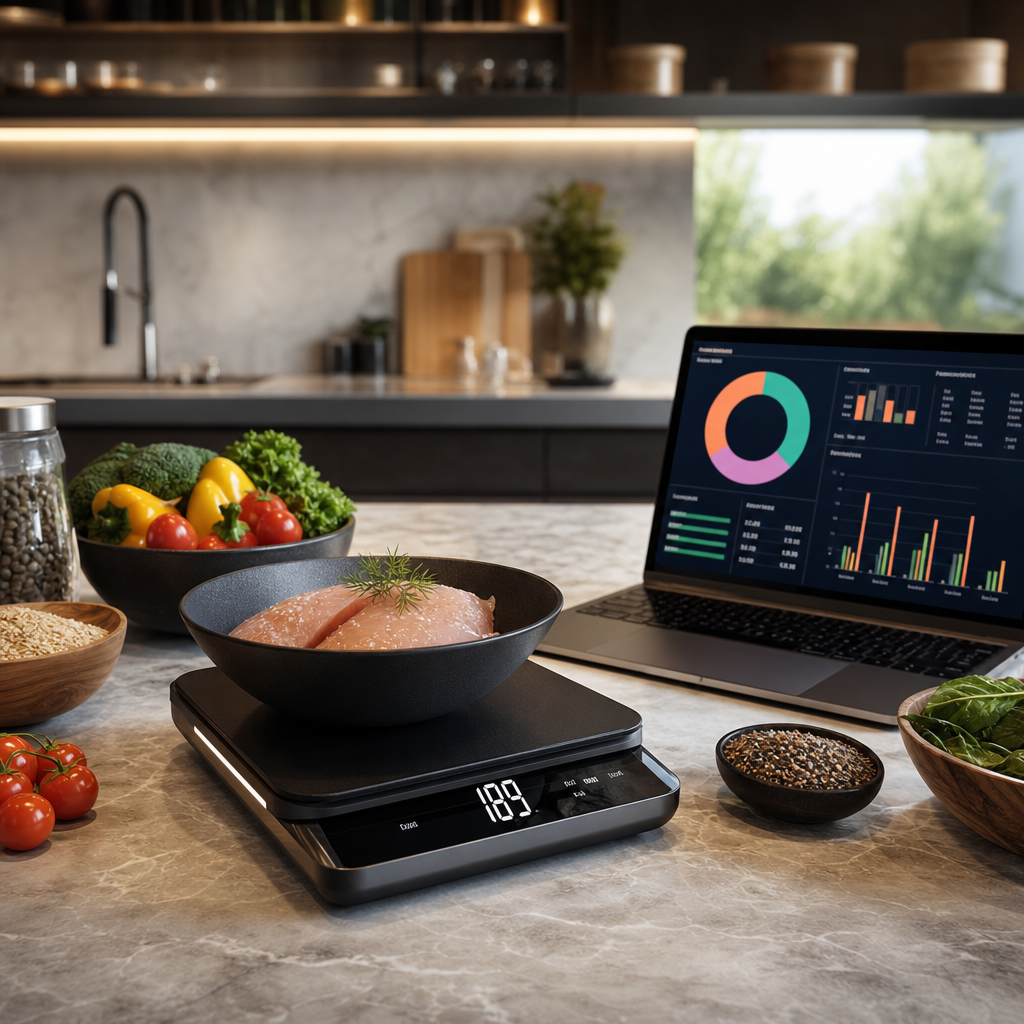
Introduction to AI Food Analysis
Artificial Intelligence (AI) has made significant strides in various fields, including healthcare, finance, and most recently, nutrition. The accuracy of AI food analysis has come into focus as it promises to revolutionize how we understand caloric intake and nutritional composition. AI algorithms trained with large datasets can analyze images of food, recipes, or nutritional labels to estimate calorie content and macro-nutrient distribution with varying levels of precision.
The ongoing integration of AI food analysis applications has implications for nutritionists, meal planners, and health-conscious individuals. Organizations like Calorify and BiteSnap have adopted smart technologies to assess the accuracy of food analysis. But just how accurate are these tools in real-world applications?
Current AI Technology in Food Analysis
AI food analysis typically relies on computer vision and machine learning algorithms that categorize food items based on training datasets. These datasets often comprise thousands of images labeled with nutritional information. For instance, a study published in the Journal of Food Science in 2019 demonstrated how using convolutional neural networks (CNN) can analyze food images with up to 85% accuracy in recognizing and categorizing food items.
Applications such as MyFitnessPal and Lose It! use AI-driven analysis to help users track their food intake. These apps allow users to upload photos of their meals, and the AI processes the image to identify items and estimate calories. However, the accuracy in these analyses can vary significantly based on factors such as lighting, angle, and the quality of the image captured.
Understanding AI Accuracy through Research Studies
Recent studies highlight both the promising capabilities and limitations of AI in food analysis. A meta-analysis published in Nutrients in 2021 reviewed over 50 studies focused on AI’s effectiveness in dietary assessment. The review concluded that while AI methods can achieve notable precision (around 77% to 90%) in controlled environments, real-world applications often yield lower accuracy due to a variety of uncontrolled variables, such as portion sizes and mixed food items.
For example, a controlled study found that AI could misestimate calorie content by 200 calories on average for complex meals like stir-fries that include multiple ingredients. In contrast, for singular items like a banana or an apple, accuracy was much higher, sometimes exceeding 90%.
Challenges in AI Food Analysis Accuracy
One major challenge in AI food analysis is the inherent variability in how different foods are prepared, cooked, and served. Portions can greatly differ, causing a misrepresentation of calorie counts. This variability poses difficulties in training AI algorithms because the systems rely on clear, consistent data to make accurate assessments.
Another complexity arises from the diverse ways food can appear visually. For example, a piece of grilled chicken served with varying sides or sauces may have drastically different nutritional profiles, complicating accurate AI analysis. Algorithms must account for texture, color, and size—factors that can greatly shift nutritional content—yet achieving this complexity without extensive datasets remains a hurdle.
Practical Implications for Researchers and Consumers
The implications of AI food analysis accuracy extend beyond just calorie counting; they overlap with health, nutrition recommendations, and weight management strategies. Researchers use AI food analysis for dietary intervention studies, assessing how effectively they can guide individuals towards healthier eating patterns.
For everyday consumers, the accuracy of AI apps can assist in meal tracking, especially when it comes to maintaining or losing weight. Nevertheless, users should supplement AI analysis with their understanding of portion sizes, food preparation methods, and individual dietary needs. Using tools like kitchen scales alongside AI analysis can bridge the gap between estimated and actual caloric intake.
Innovations and the Future of AI in Food Analysis
The landscape of AI food analysis is continually evolving. Developments in machine learning and more advanced computer vision techniques promise to enhance the accuracy of food analysis tools. Emerging technologies like augmented reality (AR) and 3D scanning may soon provide even more detailed insights by creating a dynamic food profile that includes more than just static images.
Additionally, continued partnerships between tech companies and nutrition experts could lead to the development of neural networks that not only identify foods but also educate users on their nutritional properties. Real-time feedback from such tools could vastly improve dietary adherence, making healthy eating more accessible through accurate analysis.
Evaluating AI Food Analysis Tools
When choosing an AI food analysis tool, it’s important to consider the underlying technology and its accuracy ratings. Tools like Nutritionix and Yummly have reported accuracy rates over 80%, but they are not infallible. Users should read reviews, check study citations, and potentially use multiple tools for verification.
Moreover, as researchers and enthusiasts engage with AI applications, addressing user feedback can help refine algorithms. Constant updates and training with new datasets will be essential for improving the accuracy of these tools, making them more reliable for consumers and professionals alike.
Frequently Asked Questions
How does AI analyze food for nutritional content?
AI analyzes food by utilizing machine learning algorithms and computer vision to identify food items from images. These systems are trained on extensive datasets containing nutritional information to estimate calories and nutrient breakdown.
What is the typical accuracy of AI food analysis?
The accuracy of AI food analysis can range from 77% to 90% depending on the complexity of the food items and the quality of the images, with more singular items showing higher accuracy rates.
What challenges affect the accuracy of AI food analysis?
Challenges include variability in food preparation methods, portion sizes, and the diverse visual representations of food items, which complicate consistent analyses.
How can users improve the accuracy of AI food analysis?
Users can improve accuracy by providing clear, well-lit images and using kitchen scales to measure portion sizes accurately, thus supporting the AI analysis with precise data.
What future advancements can we expect in AI food analysis?
Future advancements may include augmented reality tools, 3D scanning technologies, and enhanced machine learning algorithms that improve real-time feedback and dietary guidance.
Discover the power of AI in food analysis with Cal AI. Take a photo of your meals to instantly estimate calories, view protein, carbs, and fat, and analyze your nutrition goals more efficiently.
Share this article
Cal AI
Track meals faster with Cal AI
Scan food, estimate calories, and keep your nutrition log moving without typing every ingredient.
Author
Cal AI Editorial Team
Practical guides on nutrition, calorie tracking, meal planning, and building healthier habits with Cal AI.
Editorial policyFrequently asked questions
How does AI analyze food for nutritional content?
AI analyzes food by utilizing machine learning algorithms and computer vision to identify food items from images. These systems are trained on extensive datasets containing nutritional information to estimate calories and nutrient breakdown.
What is the typical accuracy of AI food analysis?
The accuracy of AI food analysis can range from 77% to 90% depending on the complexity of the food items and the quality of the images, with more singular items showing higher accuracy rates.
What challenges affect the accuracy of AI food analysis?
Challenges include variability in food preparation methods, portion sizes, and the diverse visual representations of food items, which complicate consistent analyses.
How can users improve the accuracy of AI food analysis?
Users can improve accuracy by providing clear, well-lit images and using kitchen scales to measure portion sizes accurately, thus supporting the AI analysis with precise data.
What future advancements can we expect in AI food analysis?
Future advancements may include augmented reality tools, 3D scanning technologies, and enhanced machine learning algorithms that improve real-time feedback and dietary guidance.
Related articles
 How Many Calories Are in a Carrot? A Deep Dive into NutritionDiscover the calorie content of carrots, their health benefits, and creative serving suggestions for a nutritious diet.
 Can AI Identify Ingredients From a Photo? An In-Depth LookDiscover how AI technology accurately identifies food ingredients from images, transforming cooking and nutrition analysis for enthusiasts and professionals alike.
 Protein, Fat, and Carbs: The Complete GuideDive into this comprehensive guide to understand the importance of protein, fat, and carbohydrates in your diet. Learn about their roles, benefits, and best sources.
 How Many Calories Are in Buckwheat? A Guide for Gluten-Free DietersDiscover the calorie content of buckwheat and learn why this nutritious grain alternative is perfect for gluten-free diets. Explore its benefits, uses, and more.
 How AI Calorie Counting Works: Unpacking the Technology Behind the AlgorithmDiscover how AI calorie counting apps utilize advanced technology to help you track nutrition and achieve your fitness goals.
 The Future of AI Nutrition Apps: Innovations in Dietary ManagementExplore how AI nutrition apps are transforming dietary management with personalized insights, meal planning, and automated tracking.
 What Is Cal AI? Your Guide to AI-Powered Nutrition SolutionsDiscover how Cal AI can transform your approach to nutrition by offering instant meal analysis, calorie observation, and more!
 How Many Calories Are in Hookah?Unpack the calorie content of hookah and explore how it compares to other smoking options. Discover ingredients and health considerations too.